
Learning to code offers many benefits, even at a basic level. You can automate repetitive tasks, boost your productivity, and better communicate with tech teams. It also shows initiative and can improve your career prospects in many industries. Plus, developing these skills helps you understand and navigate the digital world more confidently. If you’re curious about how to get started and what you might gain, there’s plenty more to discover that can add value to your life.
Key Takeaways
- Learning to code opens new career opportunities and demonstrates initiative, boosting professional growth regardless of your industry.
- Basic coding skills automate repetitive tasks, saving time and increasing productivity in both personal and professional activities.
- Coding knowledge improves communication with technical teams and enhances collaboration on digital projects.
- You don’t need a computer science degree; accessible learning can provide valuable skills with minimal initial effort.
- Developing coding skills enhances digital literacy, helping you stay adaptable and competitive in an increasingly tech-driven world.

Have you ever wondered if learning to code is worth your time? It’s a common question, especially with so many skills competing for your attention. The truth is, acquiring basic coding skills can open doors in ways you might not expect. Whether you’re looking to boost your productivity or enhance your career prospects, understanding even the fundamentals of programming can make a notable difference. One of the key benefits is developing automation skills. As you learn to code, you’ll find yourself able to automate repetitive tasks, saving hours of manual work. For example, simple scripts can organize your emails, generate reports, or manage data entries automatically. This not only enhances your efficiency but also frees you up to focus on more complex, value-adding activities. Automation skills are increasingly valuable across industries, making you more adaptable and versatile in your role. Employers recognize that employees who can streamline processes with basic coding are assets, leading to better job security and potential for career advancement. Additionally, gaining home theater expertise can improve your ability to select and set up entertainment systems, enhancing your overall digital literacy.
Beyond immediate productivity gains, learning to code signals a proactive attitude towards professional growth. It shows initiative and a willingness to learn new skills, qualities that companies admire. As you develop coding abilities, you position yourself for career advancement, whether that means moving into more technical roles or becoming a key contributor in cross-functional teams. For instance, even basic knowledge allows you to communicate more effectively with developers, project managers, and data analysts. This collaboration can lead to leadership opportunities or the chance to influence strategic decisions. Furthermore, understanding code can give you a competitive edge when applying for jobs, especially in tech-centric industries where digital literacy is increasingly essential. It’s not about becoming a software engineer overnight but about adding a valuable skill set that complements your existing expertise.
In the end, learning to code doesn’t require a computer science degree or years of study. It’s accessible to anyone willing to dedicate some time and effort. The initial investment can pay off in unexpected ways, improving your automation skills and opening pathways for career advancement. Plus, mastering the basics can boost your confidence in navigating today’s digital world. Whether you’re looking to optimize your workflows or climb the career ladder, picking up some coding skills is a smart move. It’s a versatile tool that, when used wisely, can transform your professional life and keep you ahead in an increasingly tech-driven landscape.

Beginner's Step-by-Step Coding Course: Learn Computer Programming the Easy Way (DK Complete Courses)
As an affiliate, we earn on qualifying purchases.
As an affiliate, we earn on qualifying purchases.
Frequently Asked Questions
Can Coding Skills Improve My Problem-Solving Abilities?
Yes, coding skills can boost your problem-solving abilities. When you learn to code, you develop creative thinking by designing solutions and logical reasoning by breaking problems into manageable parts. These skills help you approach challenges more effectively in everyday life and work. As you practice coding, you’ll become more confident in tackling complex issues, enhancing your overall problem-solving skills and opening up new opportunities for innovation and growth.
Is Coding Essential for Non-Technical Careers?
Think of coding as a key unblocking new opportunities—it’s essential even in non-technical careers. As tech industry trends evolve, understanding basic coding can boost your job prospects, making you more adaptable and valuable. You don’t need to become a programmer, but having some coding skills allows you to navigate digital tools confidently, stand out in your field, and open doors to roles that benefit from a tech-savvy mindset.
How Much Time Does It Take to Learn Basic Coding?
Learning basic coding skills typically takes a few weeks to a few months, depending on your learning duration and dedication. If you commit consistent time, say a few hours weekly, you can acquire foundational skills within 6-8 weeks. To master more complex concepts, expect a longer skill acquisition process over several months. Stay patient and practice regularly to speed up your learning duration and solidify your understanding.
What Are the Best Beginner Programming Languages?
Starting with beginner programming languages can open doors to understanding programming paradigms and mastering coding syntax. Languages like Python are ideal because they’re user-friendly and versatile, making complex concepts easier to grasp. JavaScript is great for web development, while Scratch offers a visual approach perfect for absolute beginners. These languages help you build confidence and curiosity, gently guiding you into the exciting world of coding without feeling overwhelmed.
Can Coding Help Me Earn Extra Income?
Yes, coding can definitely help you earn extra income. With basic skills, you can explore freelance opportunities like developing websites, creating apps, or automating tasks. These side hustle potentials let you work on projects in your spare time, increasing your earnings. Learning to code opens doors to flexible freelance gigs, allowing you to monetize your skills and diversify your income streams effectively.
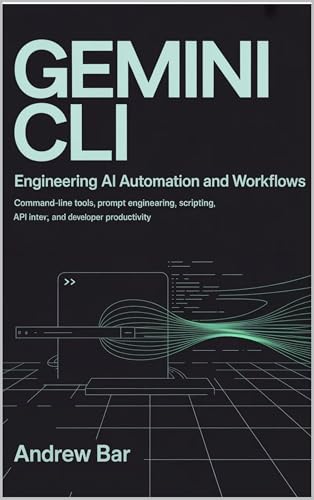
Engineering Gemini CLI for AI Automation and Workflows: Command-Line Tools, Prompt Engineering, Scripting, API Integration, and Developer Productivity
As an affiliate, we earn on qualifying purchases.
As an affiliate, we earn on qualifying purchases.
Conclusion
Learning to code is like planting a seed—you might start small, but with patience, it can grow into a powerful tool that opens new doors. Imagine yourself building a website or automating chores—these skills turn your ideas into reality. Nearly 70% of employers value coding knowledge, proving it’s not just a hobby but a career booster. So, take that first step; your future self will thank you for it.

ELEGOO Mega R3 Project The Most Complete Ultimate Starter Kit with Tutorial Compatible with Arduino IDE
The MEGA2560 complete starter kit with more than 200pcs components, premium quality for Arduino kit
As an affiliate, we earn on qualifying purchases.
As an affiliate, we earn on qualifying purchases.

Competitive Programming 4 – Book 1: The Lower Bound of Programming Contests in the 2020s
As an affiliate, we earn on qualifying purchases.
As an affiliate, we earn on qualifying purchases.