Fitness trackers can motivate you to be more active and improve your health by monitoring your progress. However, they aren’t perfect and can sometimes cause feelings of guilt or stress if you focus too much on daily metrics or fall short of goals. The key is to use them as helpful tools rather than sources of self-criticism. To learn how to balance benefits and drawbacks, explore the full picture below.

Get the latest gadgets delivered free with Prime
- Fast, free delivery on millions of items
- Prime Video, Amazon Music and more included
- Member-only deals all year
Key Takeaways
- Fitness trackers can motivate increased physical activity and healthier habits through goal setting and awareness.
- Device accuracy varies, which can lead to false confidence or frustration, impacting perceived health benefits.
- Over-monitoring and social comparisons may induce guilt, stress, or negative emotions rather than genuine well-being.
- Privacy concerns about data sharing and security may cause anxiety, overshadowing health advantages.
- The psychological impact depends on individual use; balanced use can promote health without guilt, while obsessive tracking may do the opposite.
Products Worth Considering

Bose SoundLink Flex Bluetooth Speaker (2nd Gen), Portable Waterproof Speaker, Black

Apple iPad Air (2025) 13‑inch Wi‑Fi 256 GB – Space Gray (M3 chip)

LG UltraGear 32GX850A-B 32-Inch 4K UHD Glossy OLED Gaming Monitor
As an affiliate, we earn on qualifying purchases.
The Rise of Fitness Trackers: A Brief Overview
The popularity of fitness trackers has surged over the past decade, transforming the way people monitor their health. As these devices gained traction, companies focused on combining sleek design aesthetics with user-friendly features to appeal to a broad audience. However, concerns around data privacy have also emerged, as trackers collect sensitive health information. You might wonder how your data is protected or shared. Manufacturers have responded by implementing security measures, but it’s essential to stay informed about privacy policies. The rise of fitness trackers reflects a desire to blend style with functionality. Their sleek designs make them easy to wear daily, encouraging consistent use. Overall, this combination of attractive aesthetics and evolving privacy considerations has fueled their widespread adoption. Additionally, understanding the Gold IRA Markets can offer insights into secure investment strategies, paralleling the importance of protecting your personal health data. Being aware of the security measures in place can help users make informed decisions about their data privacy. Recognizing how technology impacts health monitoring can also shed light on the effectiveness of these devices and their role in promoting healthier lifestyles. Moreover, the development of electric bikes showcases how innovative technology continues to influence various aspects of modern life. Furthermore, advancements in cloud computing security are crucial for safeguarding sensitive health information stored online.
How Do Fitness Trackers Track Our Health?
Ever wonder how fitness trackers monitor your health so accurately? They use advanced sensors and algorithms to gather your data. First, they track your movement through accelerometers, detecting every step and activity you do. Second, they monitor heart rate via optical sensors that shine light into your skin to measure blood flow. Third, they analyze sleep patterns by detecting changes in movement and heart rate overnight. But here’s the concern: data accuracy isn’t perfect, and inaccuracies can mislead your health insights. Plus, privacy concerns loom large—your sensitive health data is stored and transmitted, raising fears about misuse or breaches. Additionally, understanding fiber intake and digestive health can influence how you interpret your activity and wellness data. It’s also important to consider how wearable technology is evolving and becoming more sophisticated, which could impact the precision of your health metrics. Furthermore, some devices incorporate biometric feedback to provide even more detailed health insights, though their reliability varies. For example, improvements in sensor technology could enhance measurement accuracy in the future. Interestingly, data interpretation plays a crucial role in how effectively these devices support your health goals. So, while these devices offer valuable info, remember that their measurements aren’t infallible, and safeguarding your data remains essential.
The Psychological Impact of Monitoring Metrics

Tracking your metrics can boost your self-awareness, but it might also cause anxiety if you focus too much on numbers. You could start feeling guilty when you miss your goals or fall short. Over time, this obsession with data might impact your mental well-being more than you realize. For instance, constant use of seasonal variations in tools like esthetician lamps demonstrates how focusing on detailed metrics can sometimes lead to an overemphasis on precision, which might contribute to stress or perfectionism. Additionally, an overreliance on diagnostic tools in automotive repair can lead to unnecessary worry about minor issues, highlighting how excessive focus on data may lead to unnecessary concern.
Increased Self-Awareness Anxiety
Have you ever felt anxious after checking your fitness tracker and seeing less-than-ideal numbers? That self-awareness can quickly turn into self-criticism, fueling anxiety. You might find yourself obsessing over small fluctuations, like:
- Your step count falling short of daily goals
- Heart rate readings that seem abnormal
- Sleep scores that leave you feeling unrefreshed
This heightened self-awareness can increase stress and harm your mental health impacts. Instead of motivating you, it may cause you to dwell on perceived failures. To combat this, practicing mindfulness techniques can help you stay present and reduce anxiety. Remember, monitoring metrics should support your well-being, not undermine it. Balance is key to transforming awareness into positive action rather than unnecessary worry. Incorporating creative storytelling into your health journey can help you reframe your perspective and foster a more compassionate outlook. Additionally, understanding the potential psychological impacts of self-monitoring can help you set healthier boundaries with your devices. Being aware of the psychological effects of constant data tracking can assist in maintaining a healthier mental state and prevent over-reliance on metrics. Recognizing the influence of self-monitoring on mental health is essential for a balanced approach to using health technology.
Guilt From Missed Goals
Why do missed fitness goals sometimes leave you feeling guilty? When you don’t meet your targets, your motivation shifts from a positive mindset to feelings of disappointment or frustration. This can trigger emotional responses like shame, guilt, or self-criticism, making you question your effort. Monitoring metrics intensifies these feelings because you’re constantly aware of your progress—or lack thereof. Instead of motivating you, the focus on numbers can create a cycle of negative emotions, where each missed goal feels like a personal failure. Over time, this emotional response may discourage you from trying again or push you into an unhealthy cycle of guilt. Recognizing how these feelings influence your behavior helps you develop a more compassionate approach to your fitness journey.
Obsession With Numbers
Focusing intensely on numbers can quickly turn monitoring your fitness metrics into an obsession. You might find yourself checking stats compulsively, feeling anxious if data privacy feels compromised, or questioning device accuracy after inconsistent readings. This fixation can lead to three emotional impacts:
- Heightened anxiety over every step or calorie.
- Loss of enjoyment, turning exercise into a chore.
- Increased guilt when metrics fall short, regardless of overall health.
Constantly chasing perfect data can distort your perception of progress. Remember, device accuracy varies, and privacy concerns aren’t trivial. Over time, this obsession may diminish your motivation and skew your body image, making health feel like a numbers game instead of a holistic journey. Additionally, the evolution of arcade games highlights how technology can both entertain and distract us, emphasizing the importance of maintaining balance between digital tools and real-life well-being. Recognizing the psychological effects of tracking can help you develop healthier habits and maintain a positive outlook on your fitness journey.
Evidence Supporting the Benefits of Fitness Devices
Numerous studies demonstrate that fitness devices can effectively motivate individuals to increase their physical activity levels. They boost awareness and help set achievable goals, leading to healthier habits. Research shows users often meet or exceed activity targets, resulting in better cardiovascular health and weight management. However, concerns about device accuracy and privacy persist. Some devices may miscount steps or calories, giving false confidence or discouragement. Privacy concerns arise when apps share personal data without clear consent. To help you evaluate, here’s a quick comparison:
| Device Feature | Accuracy Level | Privacy Assurance |
|---|---|---|
| Wearable trackers | Generally high | Varies, check policies |
| Smartphone apps | Moderate | Sometimes limited |
| Smartwatches | High | Often customizable |
Despite limitations, evidence suggests fitness devices can be valuable tools when used thoughtfully. Additionally, ongoing advancements in connected home fitness technology are helping improve device reliability and user trust. As technology continues to evolve, device accuracy improvements are becoming more common, further enhancing user confidence. These improvements often involve integrating advanced sensors that provide more precise measurements, making the data more reliable for users. Moreover, user education plays a crucial role in ensuring that consumers interpret data correctly and maintain healthy habits. In addition, privacy protection measures are increasingly being incorporated to address users’ concerns about data security.
The Guilt Factor: When Tracking Becomes Stressful

When you constantly push yourself to meet daily goals, it can create a sense of achievement pressure that feels overwhelming. Comparing your progress to others can fuel feelings of inadequacy, even if you’re doing your best. Obsessively monitoring every step or calorie burned might lead to stress instead of motivation, turning fitness tracking into a source of guilt. Additionally, some individuals may experience tech-driven stress, where constant notifications and data updates contribute to anxiety rather than well-being. Incorporating smart home automation to set personalized, less intrusive reminders can help reduce this stress and promote healthier habits. Recognizing simple, sustainable routines can also make health goals feel more manageable and less pressured.
Constant Achievement Pressure
Tracking your progress constantly can lead to a surprising amount of pressure, especially when every small setback feels like a failure. This relentless pursuit can cause your motivation shifts from healthy goals to guilt and frustration. You might find yourself:
- Comparing yourself to others, feeling inadequate when their numbers surpass yours.
- Feeling overwhelmed by the need to meet daily targets, even on tired or busy days.
- Internalizing setbacks, believing they define your worth rather than viewing them as part of progress.
This constant achievement pressure makes tracking feel less like a tool for growth and more like a source of stress. Social comparison fuels this cycle, turning your fitness journey into a relentless race where you’re never quite enough.
Comparing to Others
Constantly comparing yourself to others can quickly turn your fitness journey into a source of guilt. Social comparison encourages you to measure your progress against friends or strangers, often highlighting their achievements while minimizing your own efforts. This can amplify feelings of inadequacy and create unnecessary competitive pressure. Instead of motivating you, it might make you feel like you’re falling behind or not doing enough. Tracking apps and social media can intensify these comparisons, leading to stress and frustration. Remember, everyone’s fitness level and circumstances differ. Focusing on your personal goals and progress is healthier than constantly measuring yourself against others. Avoid letting social comparison overshadow your achievements, and instead, celebrate your unique journey toward better health.
Obsessive Monitoring
While fitness trackers are valuable tools, obsessively monitoring every detail can lead to stress and guilt. Constantly checking sleep quality or dietary tracking can make you feel overwhelmed if results aren’t perfect. You might find yourself:
- Losing sleep over small fluctuations in your sleep patterns, feeling anxious instead of rested.
- Obsessing over every calorie or macro, leading to frustration and shame when goals aren’t met.
- Ignoring your body’s natural signals, becoming fixated on numbers instead of well-being.
This relentless focus can turn your device into a source of stress rather than motivation. Instead of supporting your health, obsessive monitoring may make you feel guilty for not being “perfect,” ultimately sabotaging your mental and physical wellness.
Are Fitness Trackers Encouraging Sustainable Habits?
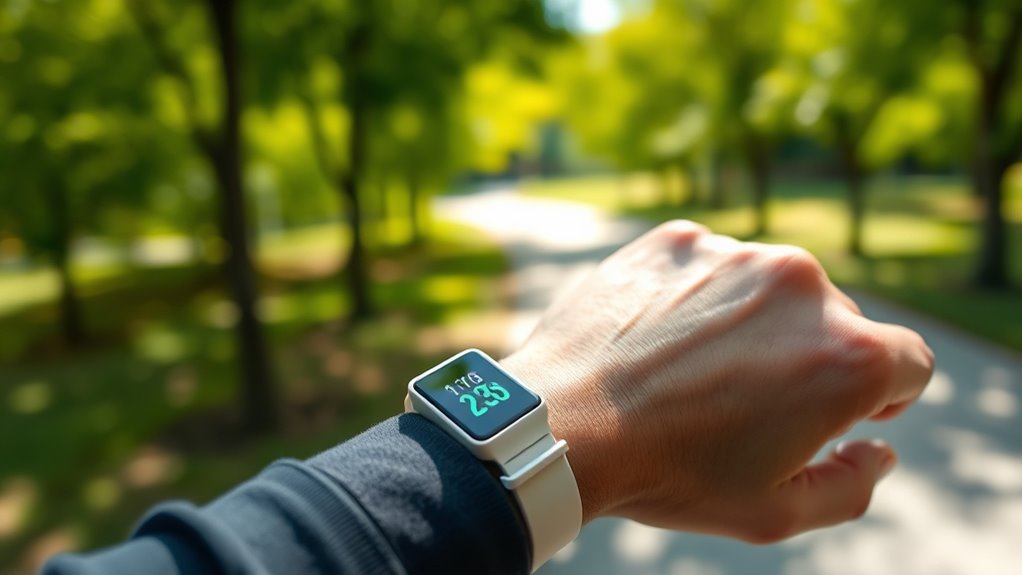
Fitness trackers can motivate you to develop healthier habits, but their effectiveness in fostering sustainability depends on how you use them. They encourage mindful movement by reminding you to stay active throughout the day, helping you build consistent, manageable routines. When you set realistic goals, trackers can support balanced routines that prevent burnout or injury. Instead of pushing for extreme workouts, they promote gradual improvements and steady progress. This focus on sustainable habits means you’re more likely to maintain your activity levels long-term. However, it’s essential to use these devices as tools for guidance rather than punishment. When you approach your fitness journey with mindfulness and balance, trackers can be valuable allies in creating lasting, healthy behaviors.
Limitations and Potential Drawbacks of Wearable Technology

Although wearable technology offers many benefits, it also has notable limitations and potential drawbacks that you should be aware of. First, privacy concerns loom large—your sensitive data might be shared or misused without your consent. Second, data security is a real issue; hackers can potentially access your health information if devices aren’t properly protected. Third, these devices can create a false sense of achievement or guilt, impacting your mental health. You may feel pressured to meet goals that aren’t realistic or necessary. Additionally, over-reliance on technology might distract you from genuine health improvements. While wearables can be helpful, understanding these risks helps you make informed choices about your health journey. Stay cautious about what you share and how your data is protected.
Personal Stories: Successes and Frustrations
Have you experienced moments when your fitness tracker boosted your motivation or, conversely, made you feel discouraged? Sharing your successes and frustrations can help you understand how to stay on track. Overcoming plateaus and setbacks is part of the journey, and your stories might inspire others facing the same challenges.
Motivating or Demotivating Moments
Many people find that their motivation to stay active fluctuates based on small victories and setbacks. One day, you might hit a milestone that boosts your confidence, inspiring you to push further. The next, a missed goal or lack of social motivation can leave you feeling discouraged. These moments can either propel you forward or dampen your enthusiasm.
Here are some common experiences:
- Celebrating when you finally meet a weekly step goal, feeling proud and energized.
- Facing frustration when social pressure from friends or family makes you doubt your progress.
- Struggling to stay motivated after a few days of inactivity, questioning if goal setting is enough.
Understanding these motivating or demotivating moments helps you navigate your journey with clarity and resilience.
Overcoming Plateaus and Setbacks
Hitting a plateau or experiencing setbacks can be discouraging, but they’re also common parts of any fitness journey. During these times, practicing mindful eating helps you stay aware of your hunger cues and prevents emotional or distracted overeating. It’s also essential to adjust your goals or routines instead of giving up. Connecting with friends or a social motivation group can boost your resolve, reminding you that setbacks are temporary. Sharing struggles and successes keeps you accountable and motivated. Remember, progress isn’t always linear, and setbacks often signal the need to tweak your approach. Embracing these challenges as opportunities to learn keeps you focused and resilient, making your overall journey more sustainable and rewarding.
Expert Opinions: Do the Benefits Outweigh the Downsides?
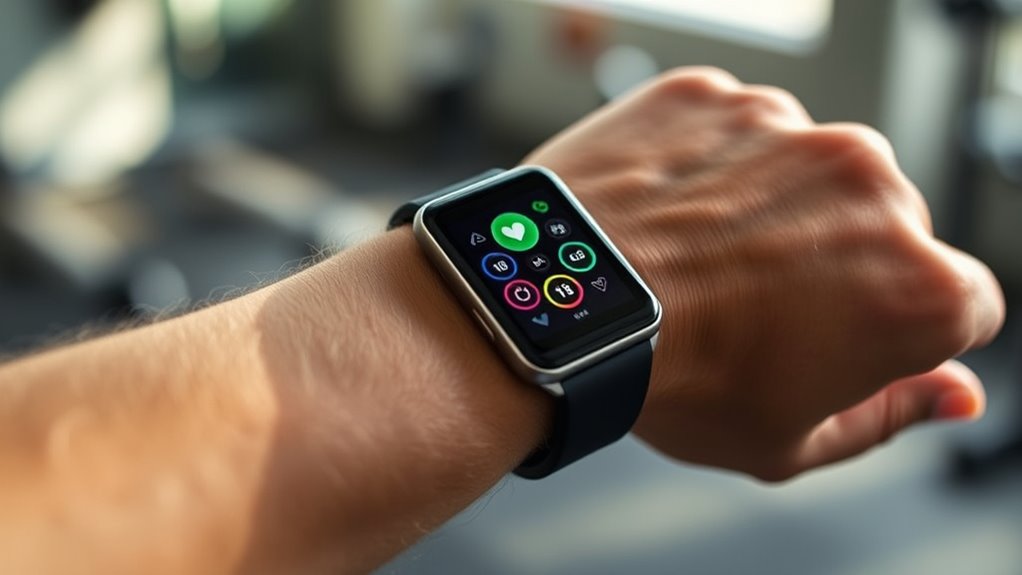
Experts often debate whether the advantages of fitness trackers truly outweigh the potential drawbacks. You might feel motivated by tracking progress, but concerns about privacy and device accuracy linger. Consider these points:
- Privacy concerns can expose your personal health data, making you vulnerable to misuse.
- Inaccurate device readings might mislead you, causing unnecessary stress or complacency.
- Over-reliance on data can lead to guilt or burnout when goals aren’t met precisely.
While some experts praise the motivation and accountability fitness trackers provide, others warn you to stay cautious. You need to weigh the emotional benefits against risks like data breaches and inaccurate metrics. Ultimately, understanding these expert opinions helps you decide if the benefits truly outweigh the downsides for your health journey.
Making Informed Choices About Using Fitness Trackers
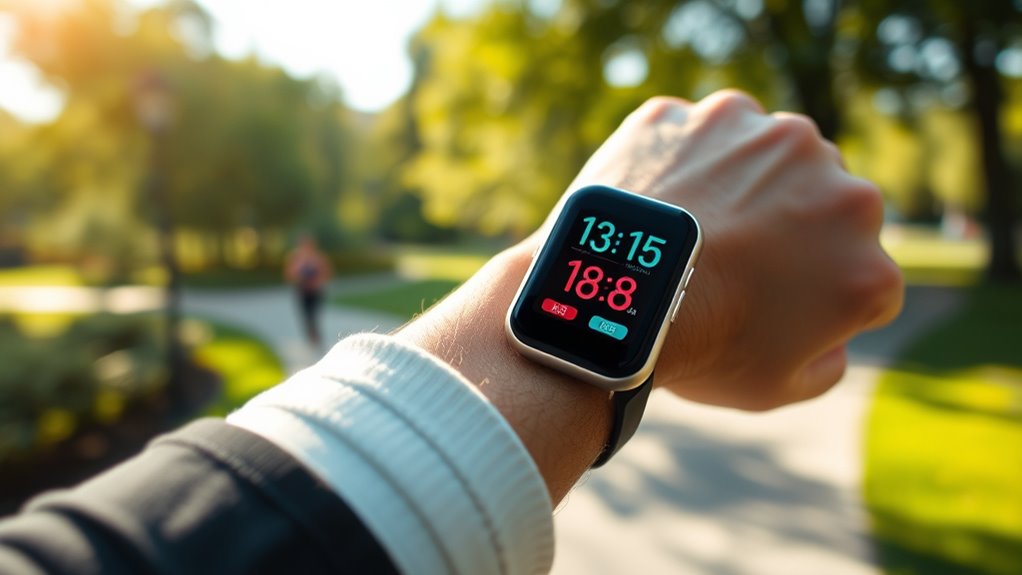
How can you make informed decisions about using fitness trackers? Start by researching device accuracy and understanding privacy concerns. Check reviews and compare models to see which offer reliable data. Be aware that some trackers may overstate or underestimate activity levels, affecting your motivation. Privacy is also vital; read the privacy policy to know how your data is used and shared. To help you decide, consider this table:
| Question to Ask | What to Look For | Why It Matters |
|---|---|---|
| Is the device accurate? | User reviews and validation studies | Ensures reliable tracking |
| How is my data protected? | Privacy policy and data encryption | Protects your personal info |
| Does it fit my lifestyle? | Compatibility and features | Maximizes benefits for you |
Making informed choices helps you balance benefits with potential privacy risks and device limitations.
Frequently Asked Questions
Can Fitness Trackers Accurately Measure All Aspects of Health?
Fitness trackers can’t accurately measure all health aspects due to calibration challenges and sensor limitations. You might get reliable step counts and heart rate data, but other metrics like sleep quality or calorie burn can be off. While they provide valuable insights, don’t rely solely on them for complete health assessments. Use the data alongside medical advice for a better understanding of your overall health.
Do Fitness Trackers Improve Long-Term Physical Activity Habits?
Yes, fitness trackers can improve your long-term physical activity habits by promoting behavior change and supporting habit formation. As you track your progress, you become more aware of your activity levels and motivated to set achievable goals. Over time, this consistent feedback helps reinforce healthy behaviors, making physical activity a routine part of your life. With regular use, fitness trackers can truly foster lasting improvements in your habits.
Are There Privacy Concerns With Sharing Health Data on These Devices?
Yes, there are privacy concerns with sharing health data on fitness trackers. You might worry about data security, as personal health information could be vulnerable to hacking or unauthorized access. Additionally, data sharing with third parties, like advertisers or insurance companies, raises concerns about how your information is used. It’s essential to review privacy settings and understand the data policies of your device to protect your health data.
How Do Fitness Trackers Affect Mental Health and Motivation?
Imagine tracking your daily steps and feeling proud when you hit your goal—that boosts your motivation and positive mindset. However, if you miss targets, you might feel guilty or frustrated, impacting your emotional response negatively. Fitness trackers influence your mental health by shaping your mindset—either encouraging perseverance or causing stress. Your emotional response depends on how you interpret these data, ultimately affecting your motivation to stay active.
What Features Should I Look for in a Reliable Fitness Tracker?
You should look for a fitness tracker with a sleek wearable design that fits comfortably and looks good daily. Prioritize long battery life so you won’t have to charge it often, keeping it ready whenever you need it. Also, guarantee it has accurate sensors for tracking steps, heart rate, and sleep. A user-friendly interface and reliable syncing with your devices will make it easier to stay motivated and on top of your health goals.
Conclusion
While fitness trackers can gently guide you toward healthier habits, they might also cast shadows of unnecessary worry if taken too seriously. Think of them as your compass—helpful but not absolute. By tuning in to your body’s whispers instead of chasing every number, you can find a balance. Ultimately, using these devices wisely allows you to enjoy the journey, savoring progress without letting the weight of every metric dim your motivation.