
📊 Full opportunity report: Why Families Are Exploring AI Calls For Seniors Living Alone on IdeaNavigator AI — validation score, market gap, and execution plan.

Get the latest gadgets delivered free with Prime
- Fast, free delivery on millions of items
- Prime Video, Amazon Music and more included
- Member-only deals all year
TL;DR
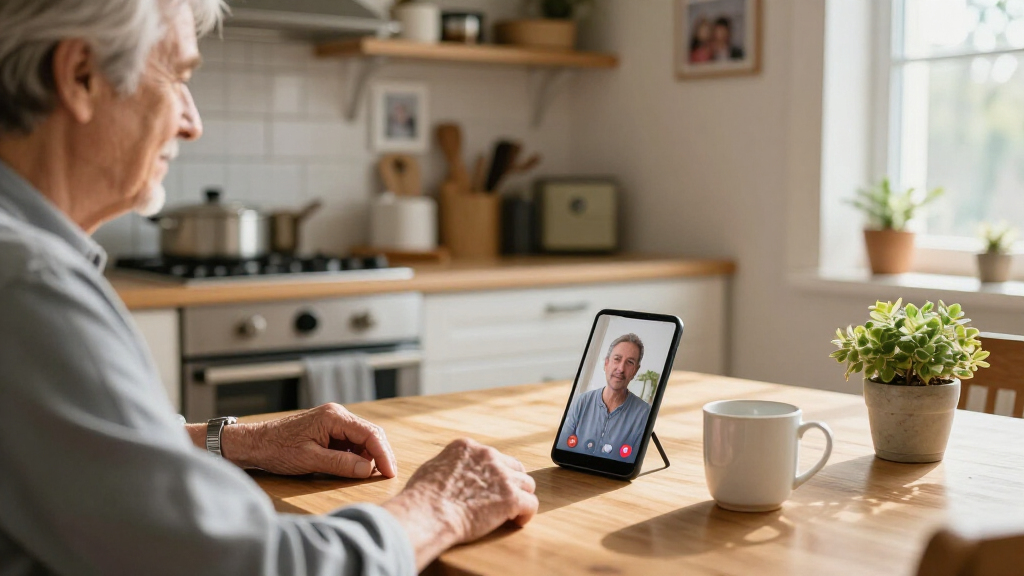
A proposal from IdeaNavigator AI suggests testing scheduled AI phone calls that ask seniors living alone a few basic wellness questions and notify an adult child if a call is missed or concerning. The proposed test involves 15 senior-and-family pairs over three weeks; no results or evidence of effectiveness are provided.
IdeaNavigator AI has proposed testing daily AI phone calls that ask seniors living alone a few wellness questions and send an adult child an all-clear or an alert if a call is missed or raises concern. The suggested pilot would involve 15 senior-and-family pairs over three weeks; it is a product concept, not a reported service launch or a demonstrated safety measure.
The proposed service is aimed at an adult child living in another city who worries about an independent parent but cannot call every day. A scheduled call would reach the senior on a landline or mobile phone, ask a short set of questions, and then send the family member a brief status message. The proposal does not specify the questions or how the system would decide that an answer is concerning.
The plan frames the call as a routine check-in, not emergency response. If a senior did not answer or gave a concerning response, the system would flag it to the adult child. No details are given about follow-up steps, escalation to emergency services, or how quickly a family member would need to respond.
For validation, IdeaNavigator AI proposes setting up the calls for 15 senior-and-adult-child pairs for three weeks. The suggested measures are whether seniors answer and whether families consider the all-clear alerts valuable enough to pay for. A possible business model is a monthly subscription billed to the adult child, but no price, adoption data, or pilot findings are reported.
A Check-In Is Not Emergency Care
The idea addresses a specific gap for families: a missed daily conversation can leave relatives unsure whether an older person is simply busy or needs help. A regular call and a prompt notification could provide another source of information between family conversations, particularly when relatives live far away. The proposal does not establish that an automated call can detect a fall or prevent harm.
Its practical value would depend on more than whether the phone rings. Seniors would need to find the calls acceptable and accessible, and families would need to understand what an alert means and what action to take. False alarms, unanswered calls, and unclear responses could create extra worry rather than reassurance. The suggested pilot’s small size and short duration make it a way to explore interest and call response, not to prove safety or broad effectiveness.
The concept also raises questions about consent and privacy. A service that calls regularly and reports information to a relative would need clear rules about what is collected, who receives it, and whether the senior can pause or stop the calls. Those safeguards are not described in the proposal.
Products Worth Considering

Anker SOLIX C1000 Gen 2 Portable Power Station with 200W Solar Panel

Jackery Explorer 1500 v2 Portable Power Station with 200W Solar Panel

LG UltraGear 32GX870A-B 32-inch 4K UHD OLED Dual-Mode Gaming Monitor
As an affiliate, we earn on qualifying purchases.
The Proposed Three-Week Test
IdeaNavigator AI presents the concept as a narrow first use for voice AI: a short, scheduled phone conversation rather than an open-ended companion or medical service. The proposal says natural-sounding voice systems can now make these calls on landlines or mobile phones and argues they could make routine check-ins affordable at scale. That affordability is a rationale for testing, not a documented price comparison or independently established result.
The suggested test is designed to examine two immediate questions: Will seniors answer the calls? And do adult children find the resulting status messages useful enough to pay for? It does not set out a comparison group, a longer follow-up period, or a way to measure whether the calls identify health problems. No partner organizations, participating households, or operating service are named.
Safety, Consent and Alert Rules
No pilot results are available, and the proposal does not say whether a test has started or when it might take place. It also gives no evidence that a conversational AI can reliably distinguish a routine missed call from a serious problem. The planned answer-rate and willingness-to-pay measures would not, by themselves, establish clinical accuracy or improved safety.
Key operating details remain unspecified: how the system handles a busy signal, a disconnected phone, speech it cannot understand, or a senior who answers but does not complete the call. The proposal does not explain what counts as a concerning response, how quickly a family member receives an alert, or what happens if that relative cannot be reached. Privacy protections, consent arrangements, and accessibility for people with hearing, speech, or cognitive difficulties are also not described.
Pilot Results Would Test Demand
The next stated step is to run the proposed three-week test with 15 pairs and track call answer rates and families’ willingness to pay for alerts. IdeaNavigator AI has not provided a schedule, enrollment details, or a commitment that the pilot will proceed. No results or launch announcement are included.
If a test is conducted, its findings would show whether this small group answers the calls and values the notifications. Before families could judge the service as a dependable safety measure, further information would be needed about alert accuracy, missed-call handling, privacy, and escalation procedures. Whether the concept becomes a service remains unclear.
Key Questions
Is an AI check-in call service already available?
The information provided describes a proposed concept and pilot, not a confirmed service launch. It does not identify a product currently enrolling customers.
What would the calls do?
A scheduled call would ask a senior a few wellness questions. The proposal says the system would text an adult child an all-clear or flag a missed or concerning call, but it does not define the questions or alert criteria.
How would the proposed test work?
IdeaNavigator AI suggests testing the calls with 15 senior-and-adult-child pairs over three weeks, measuring answer rates and whether families would pay for the alerts. No trial results are reported.
Can the calls detect a fall or replace emergency help?
The proposal does not establish that the system detects falls, provides emergency response, or replaces medical care. It describes a routine check-in and notification; response and escalation procedures remain unspecified.
Source: IdeaNavigator AI