TL;DR

Get the latest gadgets delivered free — and shop member deals
- Fast, free delivery on millions of items
- Access to Prime Big Deal Days deals on October 6–7
- Prime Video, Amazon Music and more included
In 2026, AI-enhanced noise cancelling headphones have become vital for daily life, offering unmatched noise reduction and personalized listening. Their growing popularity stems from advances in AI technology, improving user experience across various environments.
In 2026, AI-powered noise cancelling headphones have become a must-have for consumers seeking enhanced sound isolation and personalized audio experiences. These devices now feature advanced AI algorithms that adapt noise cancellation in real-time, making them more effective across diverse environments. For an overview of the latest in AI noise cancelling headphones, see 2026’S Most Innovative AI Noise Cancelling Headphones For Everyday Use. This development reflects a significant shift in consumer preferences and technological capabilities, positioning AI noise cancelling headphones as essential accessories for work, travel, and leisure.
Recent market analysis indicates a surge in sales and adoption of AI-enhanced noise cancelling headphones. Leading brands like Bose, Sony, and Apple have integrated sophisticated AI algorithms that dynamically adjust noise cancellation based on ambient sounds, user activity, and environment. For more on top noise cancelling options, check out 7 Best Noise Cancelling Headphones in 2026. These headphones utilize machine learning to optimize sound quality and noise suppression, providing a tailored listening experience. Additionally, features such as adaptive transparency modes, voice recognition, and personalized sound profiles have become standard, further elevating their utility.
Industry experts highlight that the improvement in AI processing power allows these headphones to analyze environmental noise patterns continuously and respond instantly. This results in significantly better noise reduction in unpredictable or noisy settings, such as busy streets, airplanes, or offices. Consumer reports show high satisfaction levels, especially among remote workers, frequent travelers, and audiophiles, who benefit from the enhanced clarity and comfort. The integration of AI also enables smarter battery management and predictive maintenance, extending device lifespan and usability. Discover the best travel-friendly noise cancelling headphones at 10 Best Noise-Canceling Headphones for Travel in 2026 — Ultimate Comfort and Silence.
The 7 picks
- 1
 Bose QuietComfort Headphones – Wireless Bluetooth Over Ear Noise Cancelling w…View on Amazon →
 - 2
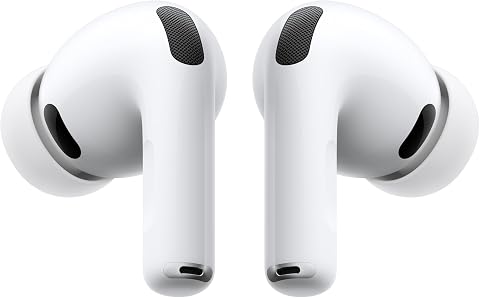 Apple AirPods Pro 3 Wireless Earbuds with Active Noise CancellationView on Amazon →
 - 3
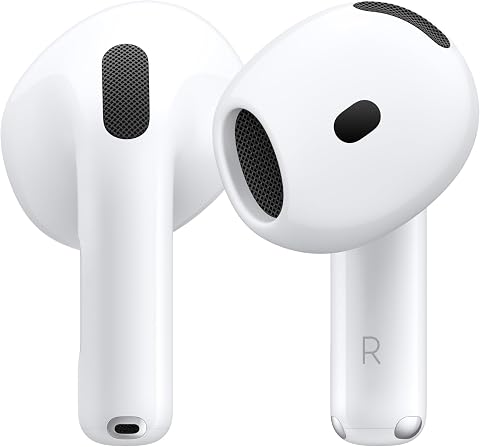 Apple AirPods 4 Wireless Earbuds with Active Noise CancellationView on Amazon →
 - 4
 Sony WH-CH720N Wireless Noise Cancelling Over-Ear Headphones, BlackView on Amazon →
 - 5
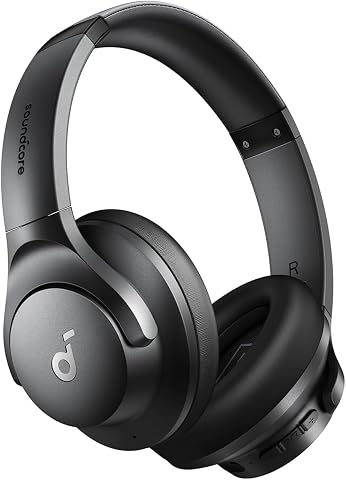 Soundcore by Anker Q20i Hybrid Active Noise Cancelling Headphones, BlackView on Amazon →
 - 6
 Hybrid Active Noise Cancelling Bluetooth Headphones Wireless HeadphonesView on Amazon →
 - 7
 Bluetooth Headphones with Active Noise Cancelling, Over-Ear, Foldable, WirelessView on Amazon →
Impact of AI Noise Cancelling Headphones on Daily Life
The rise of AI noise cancelling headphones in 2026 affects daily routines, offering improved sound isolation and personalized audio experiences. Their ability to adapt to changing environments can support productivity for remote workers and concentration for students. For travelers, these headphones provide a more comfortable experience by reducing ambient noise. The integration of AI also allows for greater user customization, making these devices useful for a variety of applications. Consequently, they are increasingly regarded as useful tools for modern lifestyles, influencing how people work, relax, and communicate.
Technological Advancements Fueling AI Noise Cancelling Growth
Over the past few years, significant advancements in AI and machine learning have enabled noise cancelling headphones to become more responsive and adaptable. Early models relied on fixed noise reduction algorithms, but recent innovations involve real-time environmental analysis and adaptive responses. Leading companies have invested heavily in AI research, integrating voice recognition, environmental sensing, and user behavior analysis into their devices. The COVID-19 pandemic accelerated remote work adoption, increasing demand for high-quality audio devices. As a result, manufacturers prioritized AI integration to meet evolving consumer needs.
Industry reports from 2024 and 2025 show a steady increase in AI headphone sales, driven by improvements in AI processing power, miniaturization, and battery efficiency. Consumer feedback emphasizes comfort, battery life, and effective AI-driven noise cancellation, influencing product development. The ongoing evolution of AI hardware and software suggests that these headphones will continue to improve, with future models likely offering more advanced features.
“Our latest AI algorithms enable real-time adaptation to environmental changes, enhancing noise reduction and user comfort.”
— Mark Liu, Head of Product Development at Bose
Remaining Challenges and Limitations of AI Noise Cancelling Headphones
Despite ongoing progress, some uncertainties remain. The ability of AI to fully adapt to all environments without user intervention is still under assessment. Battery consumption related to advanced AI processing can limit usage time, particularly in high-demand scenarios. Privacy concerns regarding environmental data collection and voice recognition are also topics of ongoing discussion. While manufacturers implement security measures, the long-term implications of continuous environmental sensing are not fully understood. It is also uncertain how quickly AI algorithms will evolve to handle unpredictable or high-frequency noises across different settings.
Future Developments and Market Expansion of AI Noise Cancelling Headphones
Manufacturers are expected to continue refining AI algorithms for more precise noise cancellation and personalized sound profiles. Future models may include enhanced environmental sensing, biometric features, and improved voice interaction capabilities. Integration with other wearable devices could provide more seamless user experiences. Market analysts predict that AI noise cancelling headphones will become more affordable and accessible, expanding their adoption across different user groups. Regulatory and privacy considerations will likely influence future features, with companies balancing innovation with data security.
Key Questions
How do AI noise cancelling headphones differ from traditional models?
AI noise cancelling headphones adapt in real-time to environmental sounds using machine learning algorithms, providing more effective and personalized noise reduction compared to traditional fixed algorithms.
Are AI noise cancelling headphones safe for long-term use?
Yes, they are generally safe for extended wear, but users should be mindful of volume levels and take breaks to prevent hearing fatigue. Advanced models include ambient sound modes for safety.
Will AI noise cancelling headphones eliminate all sounds?
No, while they significantly reduce ambient noise, complete silence is not achievable, especially for sudden or high-frequency sounds. Effectiveness varies by model and environment.
How much do AI noise cancelling headphones typically cost?
Prices range from around $150 for mid-range models to over $400 for premium devices with advanced AI features. Cost may decrease as technology becomes more widespread.
Source: ThorstenMeyerAI.com
Fall Picks
fall essentials
As an affiliate, we earn on qualifying purchases.