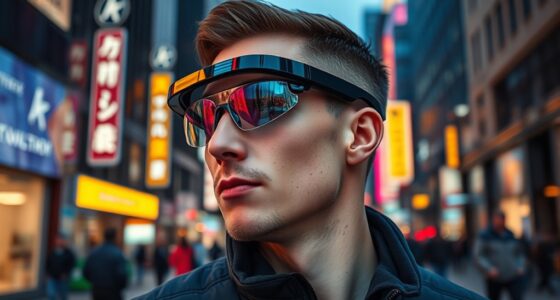
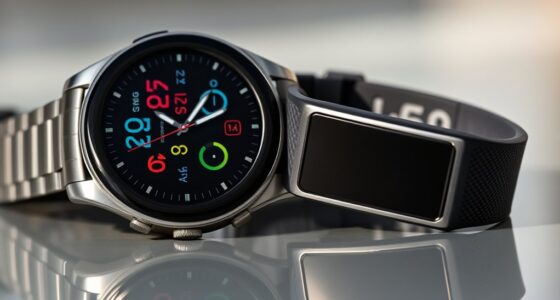
Smart clothing combines fabrics with embedded sensors and technology to boost your comfort, health, and connectivity. These garments can monitor essential signs, regulate temperature, and even adjust fit for your needs. Advances in materials make these clothes durable and comfortable, but there are still challenges like cost and privacy concerns. As innovation continues, smart fabrics are transforming fashion in exciting ways—stay with us to see how these changes unfold.
Key Takeaways
- Smart clothing integrates sensors and conductive fibers to monitor health metrics, enhancing personal well-being.
- Advances in materials science enable durable, flexible fabrics that incorporate technology seamlessly into fashion.
- Wearable tech in fashion allows real-time data collection, connectivity, and personalized user experiences.
- Challenges include balancing comfort, durability, privacy, and cost for widespread adoption.
- Future trends focus on sustainability, AI-driven customization, and enhanced security features in smart textiles.
The Evolution of Wearable Technology in Fashion

The evolution of wearable technology in fashion has transformed how we interact with clothing, making it more functional and integrated into our daily lives. Historical milestones, like the introduction of early fitness trackers in the late 20th century, marked significant progress. As these devices became more accurate and stylish, consumer adoption grew rapidly, turning wearable tech from niche gadgets into mainstream fashion statements. The integration of sensors and connectivity allowed clothing to do more—monitoring health, providing notifications, and enhancing comfort. Today, wearable technology isn’t just about convenience; it’s about merging fashion with functionality seamlessly. Additionally, the development of energy-efficient cloud servers supports the infrastructure needed to process and analyze the data generated by these connected garments securely and sustainably. Advances in automotive repair software exemplify how technology can streamline complex processes, a principle applicable to wearable tech development as well. Moreover, innovations in materials science continue to enable garments that are not only smart but also durable and comfortable for everyday wear. These connected fabrics are paving the way for a new era of interactive fashion that adapts to individual needs and environments. This ongoing innovation continues to push the boundaries of what wearable tech can achieve, creating a more personalized and interactive fashion experience.
Types of Smart Fabrics and Their Functions

Smart fabrics come in various types, each designed to serve specific functions and enhance your clothing experience. Thanks to fiber innovations, these fabrics can respond to environmental changes, regulate temperature, or monitor health metrics. Textile sensors embedded within the fabric detect essential signs like heart rate, respiration, and body temperature, providing real-time data. Conductive fibers allow garments to connect seamlessly with devices, enabling features like touch controls or data transmission. Phase-change materials adjust insulation based on your body’s needs, ensuring comfort in different conditions. Additionally, shape-memory fibers can change form or fit, offering customization and support. These diverse smart fabrics are revolutionizing how you interact with clothing, making it more functional, personalized, and responsive to your everyday activities. Smart fabric technology continues to evolve, opening new possibilities for innovative clothing solutions and integrating with home automation systems for enhanced convenience. Moreover, ongoing research into wearable technology integration is expanding the potential applications of these fabrics beyond fashion into healthcare, sports, and everyday comfort solutions. This ongoing development also involves advanced textile engineering, which is crucial for creating durable and reliable smart fabrics that meet real-world needs. As these innovations progress, they pave the way for durable smart textiles that can withstand regular use while maintaining functionality.
How Smart Clothing Enhances Daily Life and Well-being

Smart clothing seamlessly integrates technology into your daily routines, increasing comfort, safety, and convenience. It can monitor your stress levels through biometric sensors, helping you manage stress more effectively by providing real-time feedback or relaxation prompts. These garments often feature temperature regulation, keeping you comfortable in various environments. With smart clothing, you stay connected and informed without extra effort, making everyday tasks easier. Incorporating wearable tech into clothing design is revolutionizing how we approach health and fitness. Additionally, biometric sensors embedded in garments offer personalized insights that support a more proactive approach to well-being. For example, some smart fabrics are designed to be fashion-forward, ensuring style is not compromised while benefiting from the technology. Wearable tech also enables continuous health monitoring, allowing for more accurate tracking of vital signs and health metrics in real-time. Whether you’re aiming to reduce stress or improve athletic results, tech-infused fabrics support your well-being by providing personalized insights and proactive adjustments, ultimately helping you lead a healthier, more balanced life. These innovations are also paving the way for personalized health monitoring, transforming the way we manage our health daily.
Challenges and Limitations in Developing Smart Apparel

Developing smart apparel presents significant challenges, primarily because integrating technology into clothing requires balancing fabric durability, flexibility, and comfort. If the fabric isn’t durable enough, it wears out quickly, reducing the garment’s lifespan. At the same time, adding tech components can make fabrics stiff or uncomfortable, discouraging regular use. Privacy concerns also play a major role, as smart clothing often collects sensitive data like health metrics or location information. Ensuring this data remains secure and private is critical to gaining user trust. Additionally, maintaining fabric durability while embedding electronics is complex, often leading to higher costs and limited practicality. Overcoming these hurdles is essential before smart apparel can become widely accessible and mainstream, making the innovation both functional and user-friendly. One key aspect is understanding power tools and equipment that could facilitate the development and testing of durable, flexible smart fabrics. Moreover, advancements in wearable technology and industry standards are crucial for ensuring safety and effectiveness in smart clothing.
Future Trends and the Potential Impact on the Fashion Industry

As technology continues to advance, the integration of intelligent features into apparel is poised to revolutionize the fashion industry. You can expect future trends to focus on sustainable fabrics, making clothing more eco-friendly and reducing waste. Wearable tech will become more personalized, adapting to your needs and preferences seamlessly. Additionally, as smart clothing collects data, safeguarding consumer privacy will become a top priority, ensuring your information stays secure. Here are three key trends shaping the future:
- Increased use of sustainable fabrics paired with smart textiles for eco-conscious apparel
- Enhanced customization options driven by AI and wearable sensors
- Stricter privacy measures to protect user data and maintain trust in smart clothing innovations
These developments will redefine how you interact with fashion, blending sustainability, personalization, and privacy. Innovative textile technologies are expected to play a crucial role in advancing these trends further, particularly as privacy and consent become more prominent concerns in digital spaces.
Frequently Asked Questions
How Durable Are Smart Fabrics Under Regular Washing and Wear?
Smart fabrics can be quite durable if you follow proper fabric maintenance and washing instructions. Most are designed to withstand regular washing and wear, but aggressive cleaning or high temperatures might damage the embedded tech. To maintain your smart clothing’s washing durability, use gentle cycles and avoid harsh detergents. With proper care, your smart fabrics will stay functional and stylish for a long time.
Are There Any Health Risks Associated With Long-Term Use of Wearable Tech?
Long-term use of wearable tech can pose some health risks. You might experience skin irritation from prolonged contact with certain fabrics or adhesives. Additionally, electromagnetic exposure from devices embedded in smart clothing could be a concern, especially with extensive use. While most risks are minimal, it’s wise to monitor your skin’s response and limit exposure if you notice irritation or discomfort, and consult healthcare professionals if needed.
How Do Smart Clothes Impact Environmental Sustainability?
Smart clothes are like double-edged swords for the environment. While they promote sustainability through innovative features, they also face recyclability challenges due to complex tech-infused fabrics. Material longevity varies, impacting how long these garments last and how easily they can be reused or recycled. You should consider that their eco-friendliness depends on designing for durability and developing better recycling methods, turning fashion’s future toward greener horizons.
What Are the Privacy Concerns Related to Data Collected by Smart Clothing?
You should be aware that smart clothing raises privacy concerns because it collects personal data. Ensuring data security is essential to protect your information from breaches, while safeguarding user privacy means controlling who accesses your data. Always check the privacy policies of smart clothing brands, and use strong passwords. Be cautious about sharing sensitive data, and stay informed about how your data is used to prevent misuse or unauthorized access.
Can Smart Fabrics Be Customized for Individual Health Needs?
Your smart fabrics can be fully customized to suit your unique health needs, making them as personalized as your fingerprint. With advanced personalization options and fabric adaptability, you can tailor the clothing to monitor specific health metrics or provide targeted support. These fabrics respond seamlessly to your body’s signals, offering real-time insights and comfort, ensuring your wearable truly works for you—and that’s a game-changer in health and wellness.
Conclusion
As smart fabrics weave their way into your wardrobe, they’re transforming fashion from mere fabric to a living, breathing extension of yourself. This tech-infused evolution is like revealing a hidden superpower, turning everyday clothing into tools for health, convenience, and self-expression. While challenges remain, the future of smart clothing promises a vibrant tapestry of innovation that will redefine how you wear your world. Embrace this revolution—your wardrobe is about to become truly alive.