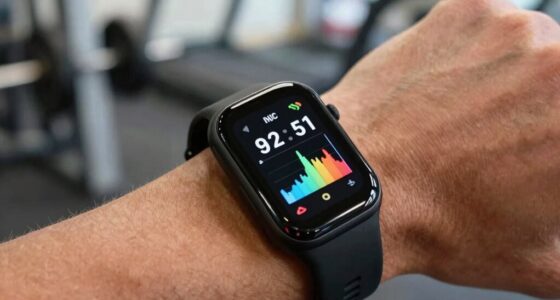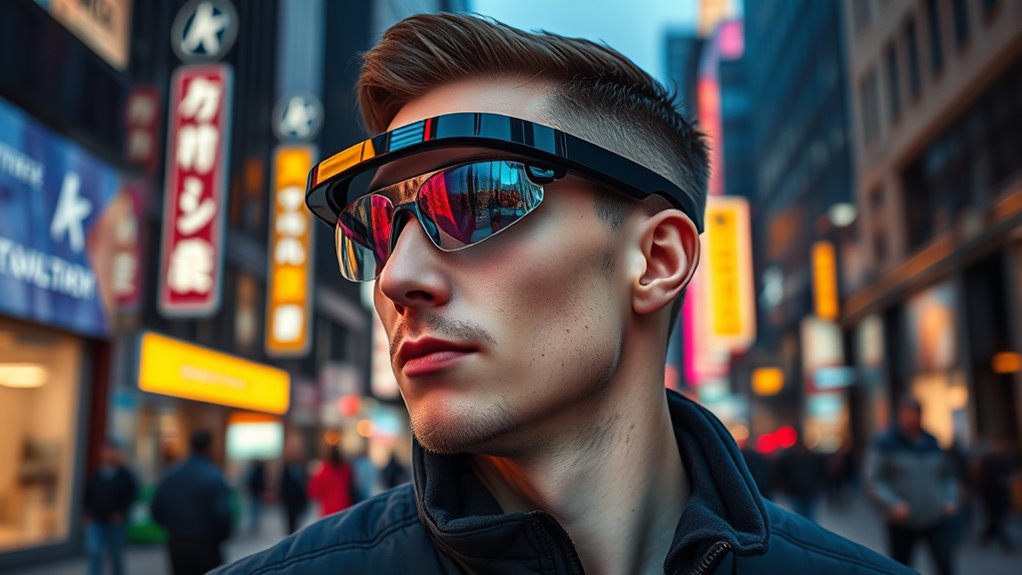

Smart glasses are rapidly evolving from simple notification devices to immersive digital tools that blend style, utility, and augmented reality. You’ll soon see them enhancing productivity, communication, and health monitoring, with major brands leading the way. While they promise a more connected future, privacy and design challenges remain. If you want to discover how these devices could become part of your daily life and the hurdles they face, keep exploring what’s ahead.

Get the latest gadgets delivered free — and shop member deals
- Fast, free delivery on millions of items
- Access to Prime Big Deal Days deals on October 6–7
- Prime Video, Amazon Music and more included
Key Takeaways
- Smart glasses are evolving from simple notifications to immersive AR devices integrated with AI and smartphone technology.
- Design advancements aim for comfort, style, and seamless integration, encouraging broader daily use.
- Privacy, security, and ethical concerns pose challenges to widespread adoption and societal acceptance.
- Future trends focus on enhanced display tech, better battery life, and interoperability with other smart devices.
- Adoption depends on balancing technological benefits with social inclusivity and addressing device limitations.
The Evolution of Wearable Technology
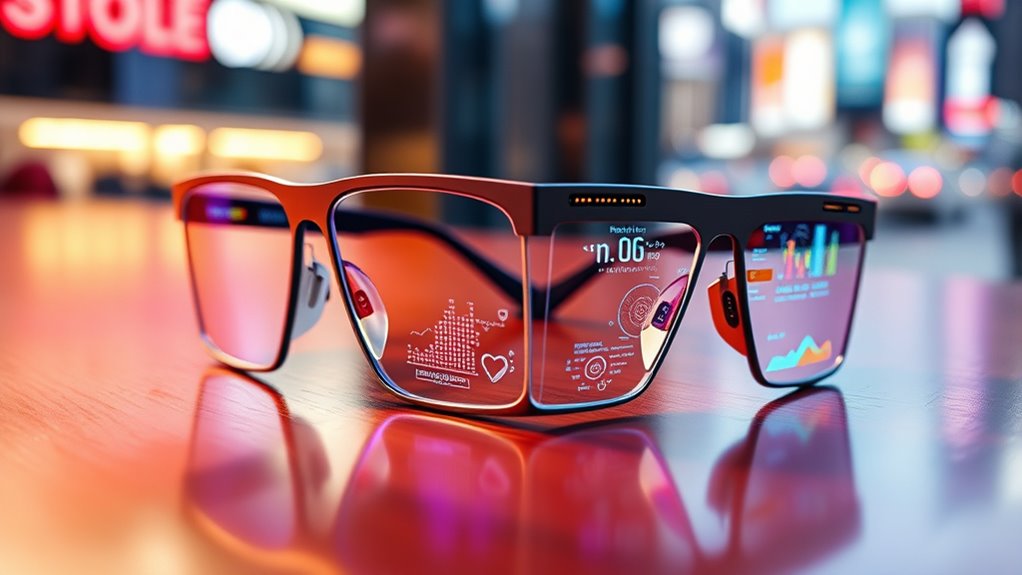
The evolution of wearable technology has transformed how you stay connected and access information throughout the day. Smart glasses, once just a futuristic idea, now incorporate augmented reality, overlaying digital information onto your real-world view. This shift has turned wearable devices into more than just gadgets; they’ve become fashion statements, blending style with functionality. Early versions focused on fitness tracking and notifications, but today’s smart glasses offer immersive experiences that enhance everyday activities. As technology advances, these devices become more integrated into your daily routine, making connectivity seamless and intuitive. The evolution reflects a move toward more sophisticated, stylish, and practical wearables that not only serve a purpose but also express your personality. Additionally, innovations in home theater projectors demonstrate how visual technology continues to evolve, emphasizing clarity and user experience. Moreover, the integration of AI-powered features in wearables is driving personalized and smarter user interactions, making these devices more intuitive, much like smart home automation enhances daily living by creating responsive environments. As these technologies progress, they are increasingly incorporating safety and health monitoring, ensuring users can benefit from real-time health insights integrated directly into their daily wearables. This progress is supported by ongoing developments in net worth of tech entrepreneurs, which fuel further innovation and investment in wearable tech.
Key Features Driving Smart Glasses Adoption

What features make smart glasses appealing enough for widespread adoption? It’s the seamless integration of augmented reality and voice control. Augmented reality overlays digital information onto your view, enhancing productivity and entertainment. Voice control lets you operate your glasses hands-free, making interactions effortless. These features foster a natural, intuitive experience, reducing the learning curve and increasing usability. Additionally, European cloud innovation can support the vast data processing needs of these devices, ensuring secure and sustainable connectivity. Incorporating auditory processing techniques can further improve user interaction by refining how users receive and interpret information through these devices. The integration of user-centered design principles ensures these technologies are accessible and comfortable for diverse users. Moreover, wearable technology trends are increasingly emphasizing comfort and style, encouraging longer usage periods and broader adoption. Embracing biometric sensors can also enhance personalization and health monitoring capabilities, making smart glasses more versatile and appealing.
Major Players in the Smart Glasses Market

Several companies are competing fiercely to lead the smart glasses market, each bringing unique features and innovations to the table. Market leaders like Apple, Google, and Microsoft are at the forefront, shaping the industry with their advanced technology and strategic investments. Consumer brands such as Snap and Bose are also making significant strides, focusing on user experience and style. These companies are pushing the boundaries of what smart glasses can do, from augmented reality to seamless integration with smartphones. As a result, the market is rapidly evolving, with each player vying for dominance. Your choice of smart glasses will likely depend on which brand offers the features, design, and ecosystem that best suit your needs. The competition continues to accelerate innovation across the industry, especially as the concept of Free Floating technology gains traction, which may revolutionize how these devices interact with other AI-driven systems. Additionally, the integration of wearable technology is expected to enhance user engagement and functionality, driven by advancements in miniaturization and sensor technology. The ongoing development of augmented reality features promises to make these devices even more versatile and immersive.
Benefits of Integrating Smart Glasses Into Daily Life
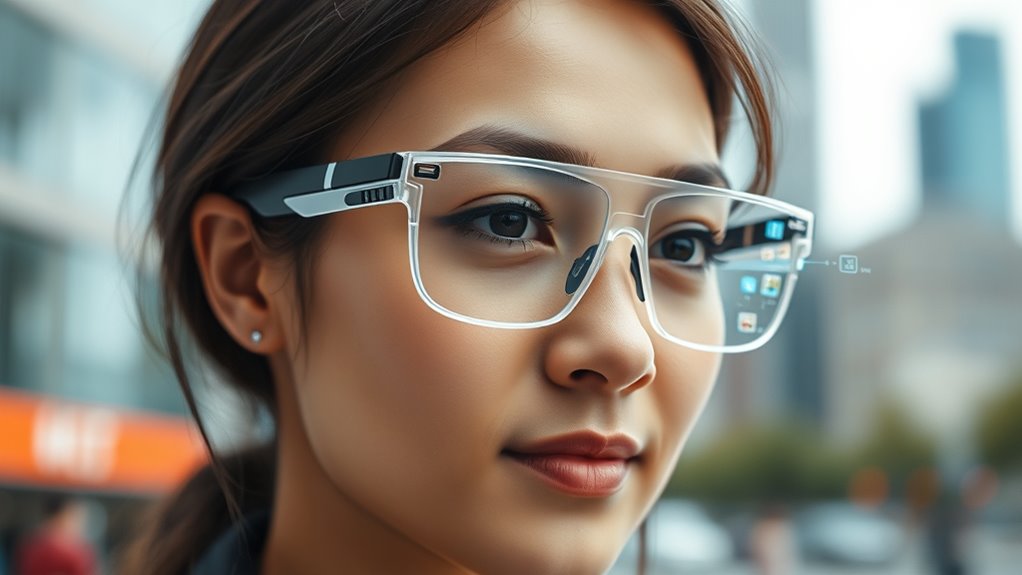
Integrating smart glasses into your daily routine can boost your productivity and efficiency by providing real-time information right in your line of sight. You’ll stay connected and communicate seamlessly without interrupting your tasks. These benefits make smart glasses a valuable tool for enhancing your everyday experiences. Additionally, understanding the science behind these devices can help users make more informed decisions about their integration into daily life.
Enhanced Productivity and Efficiency
Smart glasses can substantially boost your productivity by providing instant access to important information without interrupting your workflow. Through augmented reality, you can view real-time data, instructions, or notes directly in your line of sight, reducing the need to switch between devices or screens. This seamless integration enhances cognitive functions by streamlining tasks and minimizing distractions. With smart glasses, you can quickly reference documents, receive alerts, or collaborate with colleagues, all while maintaining focus on your current activity. This technology allows you to work more efficiently, saving time and effort. As a result, your daily tasks become less cumbersome, and your overall output improves. Smart glasses are revolutionizing how you approach work, making productivity more intuitive and effortless.
Seamless Connectivity and Communication
When you wear smart glasses, staying connected becomes effortless, enabling instant communication without interrupting your daily routines. They facilitate seamless connectivity through features like voice calls, messaging, and notifications, so you’re always in the loop. For individuals with speech or hearing impairments, augmentative communication options provide an accessible way to interact, improving independence and social engagement. These glasses also enhance accessibility by integrating real-time translation and transcription, breaking down language barriers and supporting communication in diverse environments. With instant access to information and communication tools, you can respond quickly to work emails, coordinate plans, or stay in touch with loved ones—all hands-free. This integration transforms how you connect, making communication more natural, efficient, and inclusive in everyday life. Additionally, practical, room-by-room solutions contribute to creating a more organized and calm environment, supporting overall well-being and ease of use.
Privacy Concerns and Ethical Considerations

As you use smart glasses, you should consider the risks of data collection and how your personal information might be stored or shared without your knowledge. Surveillance features can raise concerns about privacy, especially if consent isn’t clear or easily given. It’s important to question who has access to the data and how ethical practices are maintained. Understanding the privacy policy associated with your device can help you make informed decisions about your personal data. Additionally, awareness of water resistance and durability features can impact the security of your device in various environments. Being mindful of potential pest intrusions or environmental factors can also influence your device’s longevity and performance. Knowing about storage, cleaning, and maintenance can further help preserve your device’s functionality and security over time. Moreover, staying informed about technological advancements can empower you to better assess potential privacy implications of your smart glasses.
Data Collection Risks
The widespread use of smart glasses raises significant privacy concerns because they constantly collect and transmit data about users and their surroundings. This ongoing data collection puts your personal data at risk, especially if it’s accessed without proper safeguards. Unauthorized tracking becomes a real threat when these devices record your location, habits, and conversations without your knowledge. Hackers or malicious entities could exploit vulnerabilities to misuse this information. Without strict regulations, your privacy could be compromised, and your personal data could be sold or shared without consent. Additionally, the potential for reconditioning batteries and related practices highlights the importance of understanding warranty considerations to prevent voiding protections when using or modifying devices. As smart glasses become more integrated into daily life, understanding these risks is essential. Ensuring data security and ethical practices will be key to protecting your privacy in this increasingly connected world. Moreover, fostering awareness about privacy policies can empower users to make informed decisions about their data.
Surveillance and Consent
Surveillance through smart glasses raises serious privacy concerns because you often aren’t aware when you’re being monitored or recorded. With facial recognition capabilities, smart glasses can identify individuals without their consent, raising ethical questions. This technology can track your movements and interactions, potentially infringing on personal privacy. Many users overlook how their data is collected, stored, and shared, risking data privacy breaches. Without clear consent protocols, people may unknowingly become part of surveillance networks. This lack of transparency erodes trust and raises questions about who controls the data. As smart glasses become more widespread, it’s essential to establish ethical standards and regulations that protect individual privacy and guarantee informed consent in this increasingly monitored world.
Design and Aesthetics: Merging Style With Functionality

Design and aesthetics play a crucial role in the appeal of smart glasses, as blending style with functionality can determine whether users embrace or reject the technology. When your smart glasses serve as a fashion statement, they must look sleek and modern, not bulky or awkward. Material innovation is key here, allowing manufacturers to create lightweight, durable frames that blend seamlessly with everyday fashion. You want glasses that feel natural to wear, complement your style, and don’t draw unwanted attention. The goal is to make technology invisible in your daily life, so the focus remains on your look, not the device. Achieving this balance ensures that smart glasses become an accessory you’re proud to wear, not something you hide or feel self-conscious about.
Challenges and Limitations of Current Devices

Despite advances in technology, current smart glasses still face significant challenges that hinder widespread adoption. One major issue is battery life; most devices drain quickly, limiting how long you can use them without recharging. This short battery span makes it inconvenient for long-term use or continuous tasks. User comfort also remains a concern. Many smart glasses feel bulky or heavy, causing discomfort during extended wear. The design often sacrifices comfort for functionality, which can lead to fatigue or irritation. Additionally, some models cause pressure on your nose or ears, making them less practical for everyday use. These limitations hinder user experience and prevent smart glasses from becoming a seamless part of your daily routine. Until these issues are addressed, mass adoption will remain a distant goal.
Future Trends and Innovations in Smart Glasses

Future smart glasses will feature even better display technology, making visuals more vivid and seamless. You’ll also see these devices integrate more smoothly with your everyday gadgets, enhancing your digital experience. These innovations will transform how you interact with information on the go.
Advancements in Display Technology
Advancements in display technology are driving smart glasses toward more immersive and seamless experiences. With higher display resolutions, you’ll notice sharper images and clearer text, making augmented reality interactions more realistic. Innovations like microLED and OLED screens allow for brighter, more vibrant visuals while reducing power consumption. This means you can enjoy extended use without sacrificing quality. Enhanced display tech also enables better integration of digital overlays with the real world, creating a more natural augmented reality experience. As display resolution continues to improve, expect smart glasses to deliver richer details and smoother visuals. These technological leaps make it easier for you to access information instantly and interact with virtual content effortlessly, bringing us closer to truly seamless, immersive digital experiences.
Integration With Daily Devices
As display technology in smart glasses becomes more sophisticated, seamless integration with your daily devices is quickly becoming a key focus. You’ll find smart glasses syncing effortlessly with smartphones, wearables, and smart home systems, creating a unified tech experience. Augmented reality overlays enhance productivity, navigation, and entertainment, all accessible via simple voice commands. This integration simplifies your routines, letting you manage notifications, calls, and apps without switching devices. The following table highlights some key features:
| Feature | Benefit |
|---|---|
| Augmented reality | Enhances real-world interactions |
| Voice commands | Hands-free control of devices |
| Cross-device sync | Keeps everything connected and updated |
Societal Impacts of Widespread Adoption

The widespread adoption of smart glasses is already transforming how society communicates, works, and interacts with technology. However, this shift could deepen the digital divide, making it harder for some groups to access or benefit from these devices. As smart glasses become more integrated into daily life, there’s a risk of social isolation for those unable or unwilling to adopt the technology, creating new social gaps. You may find yourself more connected online but potentially more disconnected in face-to-face interactions. This technology can enhance communication or isolate individuals, depending on how it’s used. Society must address these issues to guarantee equitable access and prevent increased social fragmentation. Balancing innovation with inclusivity will be vital as smart glasses become more prevalent.
Preparing for a Glasses-First Digital Future
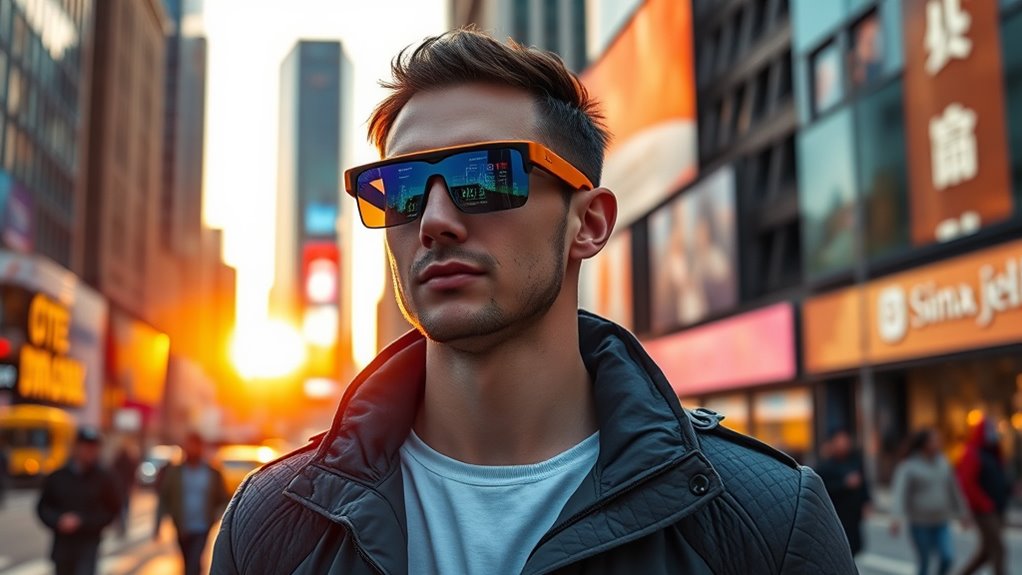
Preparing for a glasses-first digital future means actively shaping how smart glasses integrate into everyday life. You should consider how they will coexist with contact lenses and virtual reality devices, creating seamless experiences. To prepare, focus on these key areas:
Embrace seamless integration of smart glasses with contact lenses and VR for a smarter, connected future.
- Design Compatibility: Ensure smart glasses complement contact lenses and virtual reality tech for versatile use.
- User Experience: Prioritize intuitive interfaces that allow easy switching between glasses and other digital forms.
- Privacy & Security: develop safeguards against data breaches, especially as glasses collect personal information in real-time.
Frequently Asked Questions
How Secure Are the Data Transmissions in Smart Glasses?
Data transmissions in smart glasses are generally secure thanks to data encryption, which protects your information from unauthorized access. However, privacy concerns still exist because these devices constantly collect and transmit data, making them potential targets for hacking. To stay safe, you should keep your device’s software updated and be cautious about the networks you connect to, ensuring your sensitive information remains protected during data transmission.
Will Smart Glasses Replace Smartphones Entirely in the Future?
Smart glasses will likely complement rather than fully replace smartphones. As wearable technology with augmented reality capabilities, they enhance your daily activities by providing real-time info and immersive experiences. While smart glasses become more advanced, you’ll still rely on your phone for extensive tasks, calls, and apps. Over time, they’ll become an integrated part of your tech ecosystem, making your life easier without entirely replacing the fundamental role of smartphones.
Are Smart Glasses Suitable for People With Visual Impairments?
Smart glasses can be a beacon of hope for those with visual impairments. They offer visual enhancement and accessibility features that improve navigation and clarity. You might find them acting like a guiding light, helping you see the world more clearly. While not perfect yet, their potential to adapt and assist makes them a promising tool, opening new doors for independence and access to information.
What Are the Cost Differences Between Various Smart Glass Models?
You’ll find that smart glasses vary widely in cost, with a clear price tiers and cost comparison across models. Entry-level options often start around a few hundred dollars, offering basic features. Mid-range models range from $500 to $1,000, adding enhanced functionalities. Premium models, like those from top brands, can exceed $1,500, providing advanced tech and better design. Your choice depends on your needs and budget, so compare features carefully before buying.
How Do Smart Glasses Impact Social Interactions and Personal Privacy?
You might notice how smart glasses subtly change social cues, making interactions feel more immediate but also more scrutinized. Privacy concerns arise as others may unknowingly record or access your data, creating discomfort or mistrust. These devices can enhance communication but might also lead to awkward moments or misunderstandings. As you wear smart glasses, consider how they influence your personal privacy and the social signals you send and receive daily.
Conclusion
As smart glasses become more common, you’ll find a world where technology seamlessly blends into your daily life—a future bright with innovation. Yet, amid this transformation, privacy concerns cast a shadow, reminding you that not all progress comes without cost. While you embrace the convenience of a glasses-first digital world, stay vigilant, balancing the benefits with ethical considerations, so you can enjoy the future without losing sight of what truly matters.
Fall Picks
fall essentials
As an affiliate, we earn on qualifying purchases.