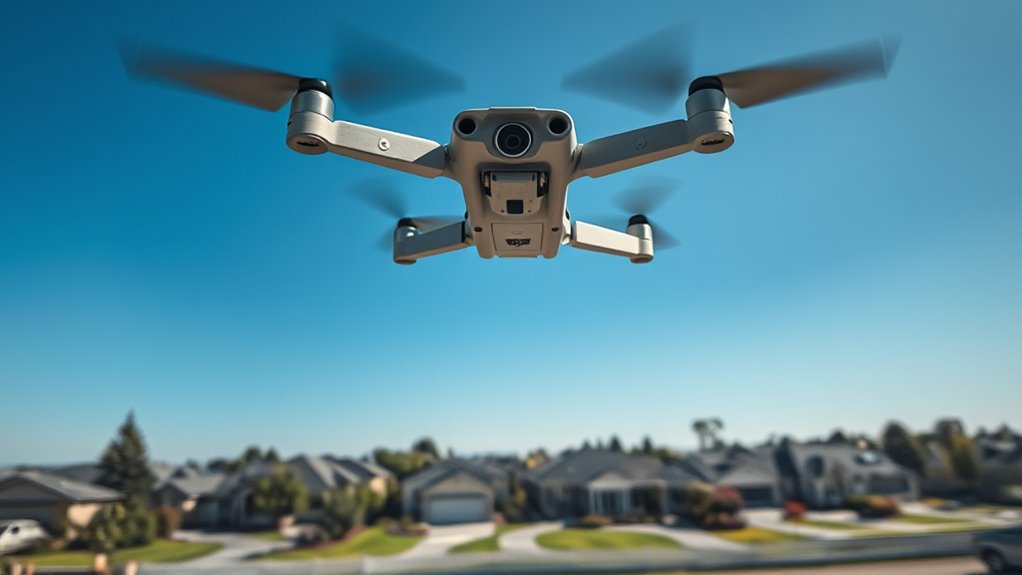
Before flying your drone, it’s important to understand privacy laws that restrict flying over private property without permission. Always respect others’ privacy by avoiding capturing images of private homes or areas unless you have approval. Be aware of no-fly zones and restricted airspace to prevent legal issues. Using privacy-by-design technology and staying updated on regulations helps protect people’s rights and your reputation. Keep learning to fly responsibly—there’s more to know to stay compliant and respectful.
Key Takeaways
- Research and understand local privacy laws and restrictions before flying your drone.
- Obtain necessary permissions when filming or capturing images on private property.
- Respect no-fly zones, restricted areas, and maintain safe distances from private spaces.
- Use privacy-enhancing features like data encryption and automatic blurring to protect sensitive areas.
- Engage with communities and authorities to stay informed and promote responsible drone use.
Top picks for "dron privacy need"
Open Amazon search results for this keyword.
As an affiliate, we earn on qualifying purchases.
Understanding Privacy Laws Related to Drone Use
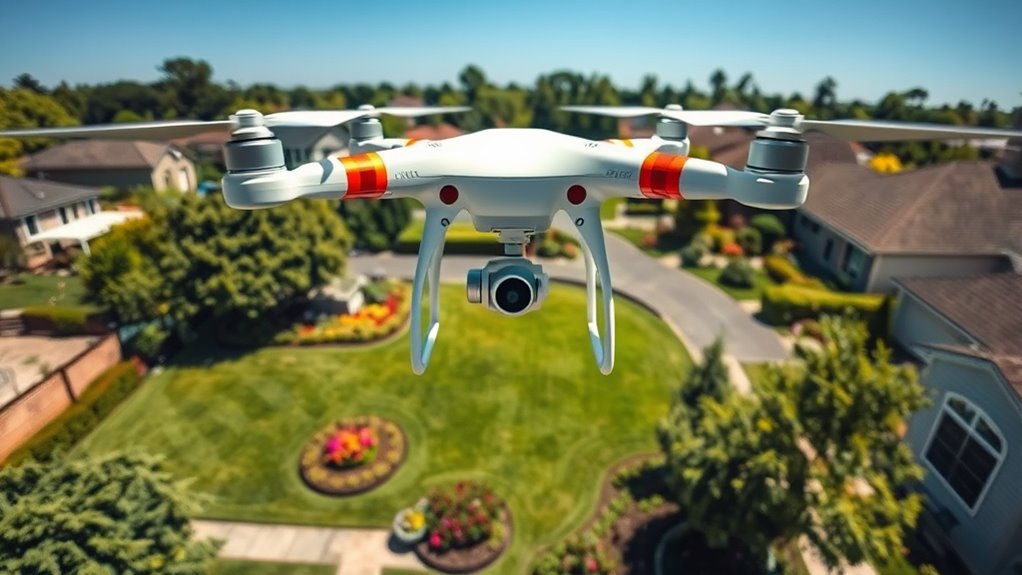
Since drones can easily capture images and videos from private property, understanding privacy laws related to their use is essential. You need to be aware that privacy invasion concerns are at the forefront of drone regulations. Many laws restrict flying over private land without permission to protect individuals’ privacy rights. Ignoring these laws can lead to legal consequences, including fines or criminal charges. Data security is equally important; you must guarantee that any footage or data you collect is stored securely and used responsibly. Some jurisdictions require registration or specific permissions before operating a drone commercially or in certain areas. Being informed about these laws helps you avoid violating privacy rights and ensures you fly responsibly within legal boundaries. Additionally, understanding the affiliate disclosure can help you stay transparent about any recommendations or purchases related to drone equipment or privacy tools. Moreover, staying updated on privacy protection measures can help you mitigate risks associated with drone surveillance. It is also advisable to familiarize yourself with local no-fly zones to prevent accidental violations during your flights. Understanding privacy regulations in different regions can further help you align your drone activities with regional legal standards.
Respecting the Privacy of Others While Flying

How can you make certain you’re respecting others’ privacy while flying your drone? First, be aware of privacy concerns in your area and avoid capturing images or videos of private property without permission. Practice good drone etiquette by maintaining a respectful distance from homes, yards, and people. Always fly at a height that minimizes intrusion and avoid lingering over private spaces. If someone expresses concern, respond politely and adjust your flight path. Remember, just because you can record doesn’t mean you should invade someone’s privacy. Staying mindful of these principles helps you fly responsibly and builds trust within your community. Additionally, understanding your local privacy laws can prevent unintentional violations and help you stay compliant with regulations. Being familiar with public space regulations can further guide appropriate drone operation and help avoid potential conflicts. Being aware of digital literacy is also crucial, as it helps you understand the importance of responsible digital behavior and privacy. Incorporating self-sufficiency principles, such as proper knowledge of technology use, ensures you maintain ethical standards while enjoying drone flying. Moreover, developing a privacy-conscious mindset encourages ongoing respect for others’ rights as drone technology evolves.
Identifying No-Fly Zones and Restricted Areas

Understanding where you can and can’t fly your drone is a key part of responsible flying. No-fly zones are designated areas where drone operation is restricted to protect privacy, safety, and security. These zones often include airports, government buildings, military installations, and sensitive sites. You should be aware of restricted areas that may involve aerial surveillance, where authorities monitor activity for security reasons. Before flying, check local regulations and use official resources, such as FAA maps or mobile apps, to identify no-fly zones. Ignoring these restrictions can lead to legal consequences and safety risks. Recognizing no-fly zones ensures you respect privacy boundaries and avoid interfering with important operations, keeping your drone activities safe and compliant. Additionally, understanding the concept of Free Floating can help you grasp how drone activities might impact nearby privacy and environmental safety. Being aware of airspace classifications further enhances your ability to fly responsibly and avoid inadvertent violations. Familiarity with geofencing technology can also help prevent accidental entry into restricted areas and promote safe flying practices.
Best Practices for Responsible Drone Photography

When capturing drone photos, you should always respect privacy boundaries to avoid intruding on others’ personal space. It’s important to obtain proper permissions before filming or photographing private property or individuals. By following these practices, you help guarantee responsible and respectful drone photography. Additionally, understanding local regulations and ownership responsibilities ensures you stay compliant and protect your rights as a drone operator. Being aware of privacy laws can help prevent potential legal issues related to unauthorized surveillance or data collection. Proper knowledge of filtration and pump protection can also prevent equipment damage during extended flights or complex conditions. Moreover, familiarizing yourself with affiliate disclosure policies can ensure transparency and compliance when sharing your work online. Being aware of pilot shirts for men aviator can also be beneficial if you’re aiming for a professional appearance during your drone operations.
Respect Privacy Boundaries
To respect privacy boundaries while flying a drone, you need to be mindful of the personal space of others and avoid capturing images or videos without permission. Respecting others’ privacy helps prevent privacy breaches that can lead to trust issues and legal trouble. Always consider whether someone might feel uncomfortable or violated by your footage. Be aware that improper data security measures can expose sensitive information, increasing privacy risks. Keep your drone within legal and ethical limits, avoiding intrusive flights over private property or areas where people expect privacy. Remember, responsible drone photography isn’t just about following laws; it’s about respecting others’ rights and maintaining trust. By being conscientious, you help create a safer environment for everyone while enjoying your drone adventures. Additionally, understanding privacy laws and regulations related to drone use can help you stay compliant and respectful of others’ rights. Being aware of dog breeds and their social needs can also assist in managing your drone activities responsibly, especially in areas where dogs are present. Understanding the importance of data security is crucial, as it helps prevent unauthorized access to sensitive footage and personal information, especially considering the need for attention to detail during data handling to avoid accidental breaches. Furthermore, staying informed about recent incidents involving security vulnerabilities can help you proactively safeguard your data and privacy.
Obtain Proper Permissions
Getting proper permissions before flying your drone is essential for responsible photography. It helps prevent privacy breaches and safeguards data security. Always ask for consent from property owners or relevant authorities to avoid infringing on others’ privacy. This step shows respect and reduces the risk of legal issues. To understand the importance of permissions, consider this table:
| Permission Type | Purpose |
|---|---|
| Property Access | Prevents privacy breaches and legal trouble |
| Data Use | Ensures data security and trust |
Additionally, being aware of privacy policies related to drone use can help you stay compliant with regulations and protect personal information. Recognizing the role of regulatory frameworks can further assist in responsible drone operation and ensure you adhere to local laws.
How to Obtain Proper Permissions for Filming
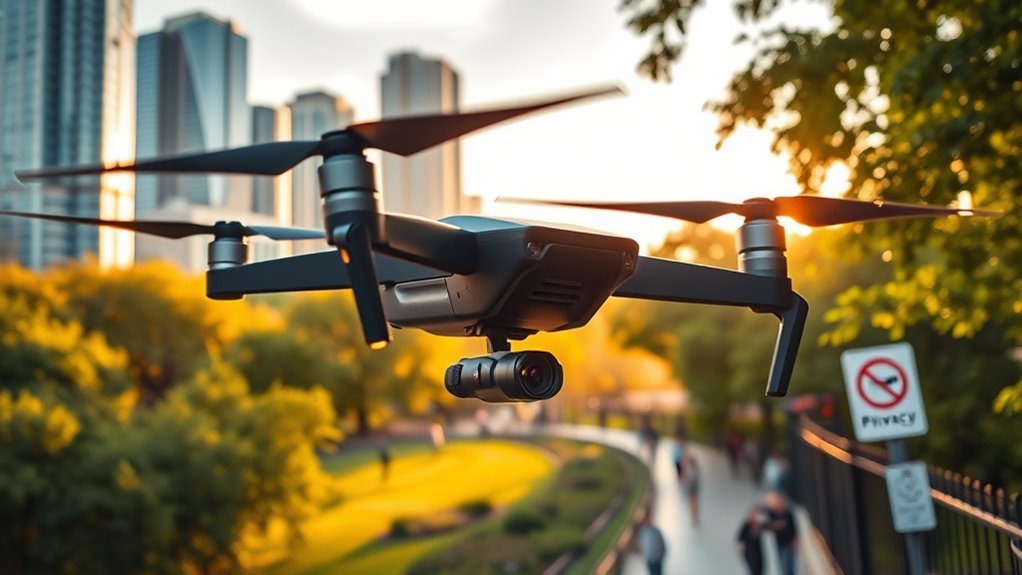
Securing proper permissions is essential before filming with drones to avoid legal issues and respect privacy rights. First, familiarize yourself with local privacy policies and regulations governing drone use. Check whether you need permits from city or state authorities, especially when filming in public or private spaces. Drone technology has advanced rapidly, but laws haven’t always kept pace, so it’s your responsibility to stay informed. Contact property owners if you plan to film on private land, and obtain written consent whenever possible. If your project involves commercial purposes, you may need to register your drone and secure specific permissions from aviation authorities. Always document your permissions to protect yourself and ensure your filming complies with all applicable privacy policies.
The Importance of Keeping Your Drone Within Line of Sight
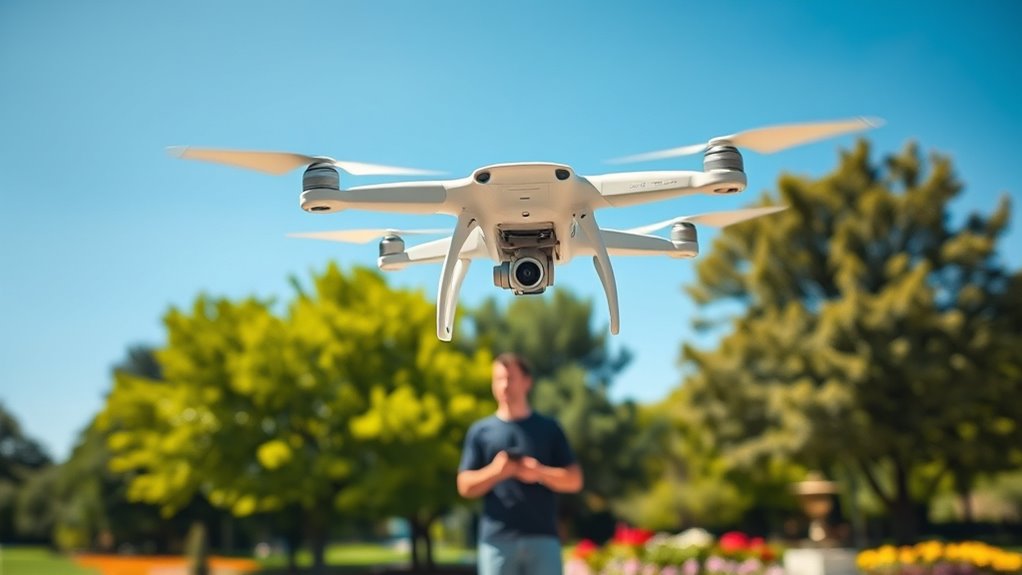
Keeping your drone within line of sight is essential for safe and legal operation. Maintaining a clear visual line of sight ensures you can monitor your drone’s position and prevent accidents. Staying aware of obstacles around you helps you navigate safely and avoid crashes. When you keep your drone in sight, you also improve obstacle awareness, reducing the risk of collisions with trees, power lines, or buildings. This not only protects your drone but also respects privacy and safety regulations.
- Continuously scan your surroundings for obstacles
- Keep your drone within your visual line of sight at all times
- Be aware of changes in terrain or environmental conditions
Avoiding Privacy Complaints and Legal Issues
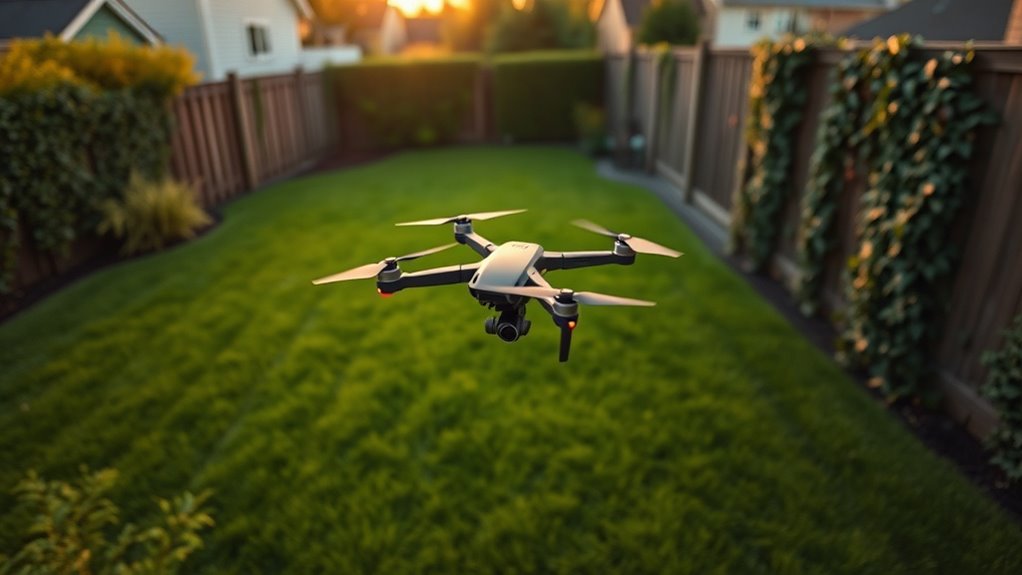
To avoid privacy complaints and legal problems, you need to respect private property boundaries and get any necessary permits before flying. Ignoring these rules can lead to fines or lawsuits, so make sure you’re aware of local regulations. Being proactive helps protect both your reputation and your ability to fly freely.
Respect Private Property Boundaries
Ever wondered how to fly your drone without invading someone’s privacy or causing legal trouble? Respecting property boundaries is key. Stay aware of private property lines and avoid flying over or capturing images beyond them. Be mindful of designated privacy zones, such as backyards or private gardens, where owners expect no intrusion.
- Always review property boundaries before launching your drone.
- Keep your drone within legal altitude limits to avoid crossing into private airspace.
- Respect privacy zones by steering clear of restricted areas and private property.
Obtain Necessary Permits
Obtaining the necessary permits before flying your drone is essential to prevent privacy complaints and legal issues. Start by researching local regulations and applying for any required permissions, especially if your flight involves sensitive areas. Proper drone maintenance ensures your equipment functions safely, reducing risks that could lead to privacy breaches or violations. Incorporate thorough flight planning to identify restricted zones and avoid infringing on private property. Permits often require detailed information about your drone’s purpose and flight path, so being prepared helps streamline the process. Failing to secure permits can lead to fines or legal action, so always verify requirements beforehand. By doing so, you protect both your rights and the privacy of others while ensuring responsible drone operation.
Using Technology to Protect Privacy While Flying

While drone technology advances rapidly, manufacturers and users are increasingly turning to innovative solutions to safeguard privacy. You can utilize privacy technology to limit data collection and prevent unauthorized access. Implementing data encryption ensures that any footage or information captured remains secure and unreadable if intercepted. Additionally, some drones offer built-in privacy features, such as geofencing or automatic blurring of sensitive areas. These tools help you fly responsibly while respecting others’ privacy rights. By staying informed about the latest privacy tech, you reduce the risk of privacy violations and legal issues. Combining these measures makes your drone operations safer and more respectful of personal boundaries, giving you confidence to fly without infringing on others’ privacy.
Staying Updated on Regulatory Changes and Guidelines
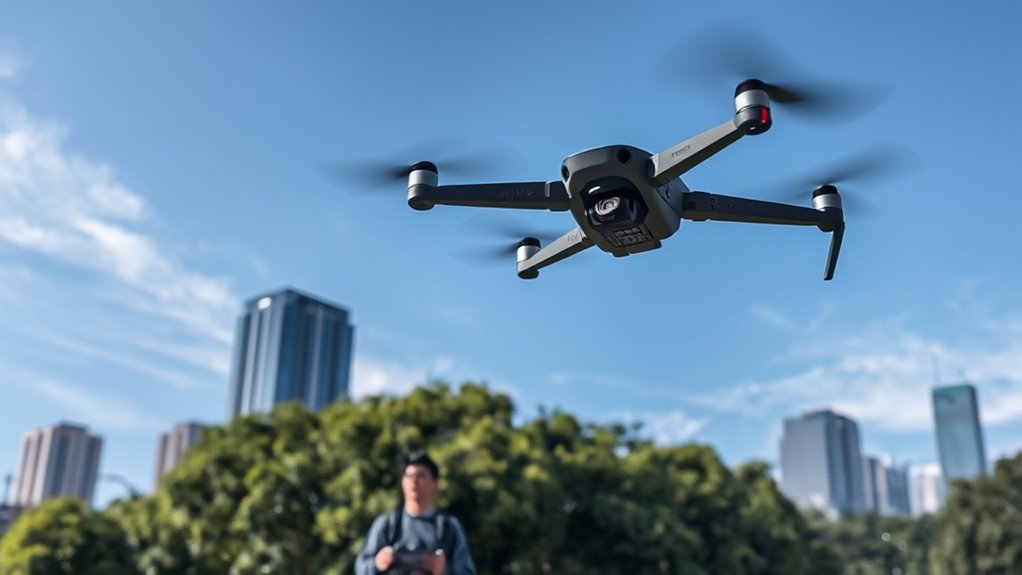
To stay compliant, you need to keep an eye on regulatory announcements and updates. Joining drone communities can help you stay informed and share best practices. Regularly reviewing guidelines guarantees you’re operating legally and respecting privacy rights.
Monitoring Regulatory Announcements
Are you aware of the latest regulatory updates that could impact drone operations? Staying informed helps you avoid privacy breaches and guarantee data security. Regularly check official sources like government websites and industry alerts to catch new rules early.
- Subscribe to newsletters or alerts from regulatory agencies to get timely updates.
- Follow trusted industry forums or social media channels for real-time news.
- Review official documentation on privacy and data security requirements to stay compliant.
Participating in Drone Communities
Participating in drone communities is an effective way to stay informed about the latest regulatory changes and guidelines. Engaging with fellow enthusiasts helps you understand drone etiquette and promotes responsible flying. Community engagement also provides insights into local rules and best practices, reducing privacy concerns. To visualize, here’s a quick overview:
| Community Type | Benefits | How to Engage |
|---|---|---|
| Online Forums | Share tips, updates, and questions | Join discussions, ask questions |
| Local Clubs | Hands-on learning, events | Attend meetups, participate |
| Social Media Groups | Instant updates and news | Follow, comment, share |
| Workshops & Seminars | Skill-building, regulations | Register, participate |
| Community Events | Networking, safety awareness | Volunteer, observe |
Active participation keeps you informed and respectful of privacy, fostering responsible drone usage.
Regularly Reviewing Guidelines
Staying current with evolving drone regulations is essential to guarantee responsible flying and avoid legal issues. Regularly reviewing guidelines helps you stay aware of updates related to privacy breaches and data security, reducing the risk of unintentionally violating laws. By keeping informed, you can better understand restrictions on capturing images or videos and avoid invasions of privacy. It also helps you implement best practices to protect data security and prevent privacy breaches. To stay updated, consider:
- Subscribing to official regulatory body newsletters
- Monitoring local and national drone authority websites
- Participating in relevant workshops or training sessions
Remaining proactive ensures your drone activities remain compliant, respectful, and secure, safeguarding both your reputation and privacy rights.
Tips for Educating Yourself as a Responsible Drone Pilot
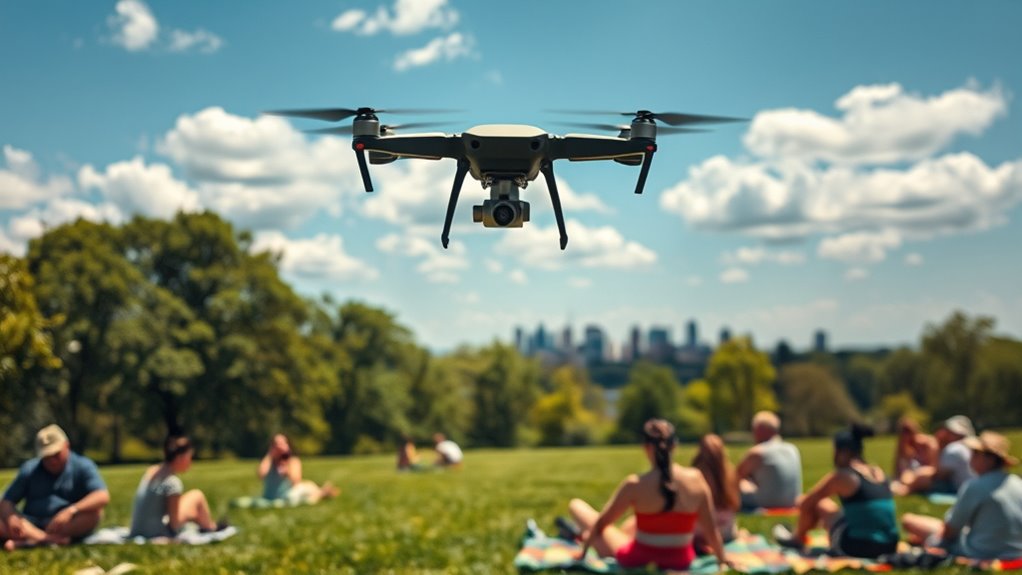
To be a responsible drone pilot, you need to prioritize ongoing education about the rules, regulations, and best practices in your area. Stay updated on drone safety guidelines to prevent accidents and protect privacy. Read official regulations from local authorities and reputable sources regularly. Join drone communities or clubs to learn from experienced pilots and share tips on ethical flying. Practice your skills in safe environments before flying in public spaces. Understanding privacy laws helps you respect others’ rights and avoid legal issues. Take online courses or attend workshops to deepen your knowledge. Continuously educating yourself ensures you fly responsibly, minimize risks, and foster trust with the community. Being informed is key to becoming a conscientious and ethical drone pilot.
Frequently Asked Questions
How Can I Tell if My Drone Flight Might Invade Someone’s Privacy?
You can tell if your drone flight might invade someone’s privacy by considering privacy zones and consent requirements. If you’re flying near private property or areas with privacy restrictions, avoid capturing images or videos without permission. Always respect privacy zones, and if unsure, ask for consent before flying in sensitive areas. This way, you prevent potential invasions and stay within legal and ethical boundaries.
Are There Specific Privacy Laws Differing by State or Region?
Imagine respecting someone’s personal space even from above. You should know that state-specific regulations and regional privacy laws vary, so you must verify local rules before flying your drone. Some areas have strict restrictions on aerial surveillance, while others are more lenient. Always research your region’s guidelines to ensure you’re not unintentionally crossing boundaries, and stay informed about any updates to regional privacy laws to fly responsibly and ethically.
What Are the Consequences of Accidentally Violating Privacy Laws With a Drone?
If you accidentally violate privacy laws with your drone, you could face serious legal repercussions, including fines or criminal charges. You might also be held liable for civil liabilities if someone claims privacy invasion or damages. It’s essential to understand and follow local regulations to avoid these consequences. Always fly responsibly, respect others’ privacy, and stay informed about the specific rules in your region to prevent legal issues.
How Can I Identify if a Property Owner Has Privacy Concerns?
You can identify if a property owner has privacy concerns by paying attention to neighbor signals like avoiding eye contact or signs indicating privacy preferences. Look for property markings such as no-fly zones, privacy fences, or signs that say “No Trespassing.” These cues show the owner’s desire for privacy. Respect these signals, and if you’re unsure, ask for permission before flying your drone to avoid privacy issues.
What Privacy Settings Are Available on Consumer Drones to Protect Others?
You can set privacy zones on your drone to prevent it from flying over sensitive areas, helping protect others’ privacy. Many consumer drones also offer data encryption features that secure your footage and flight data from unauthorized access. By enabling these privacy settings, you guarantee your drone respects privacy concerns while complying with regulations. Always review your drone’s manual to activate privacy zones and encryption options before flying.
Conclusion
So, next time you fly your drone, remember it’s not just about capturing stunning shots—it’s about respecting others’ privacy too. Ironically, what’s legal today might be illegal tomorrow, so stay informed and be responsible. After all, the real goal isn’t just avoiding fines but keeping everyone’s trust. Happy flying, and don’t forget: a little privacy respect can turn you into a true drone hero—without the villainous reputation!