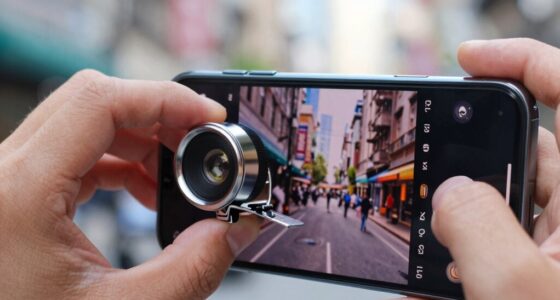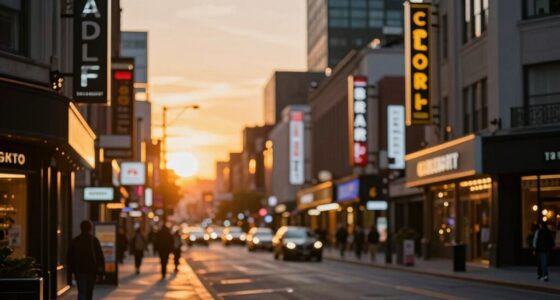
Golden hour photography occurs during the short period after sunrise and before sunset when the sunlight is warm, soft, and ideal for capturing stunning images. During this time, the light creates gentle shadows and rich tones that enhance your photos’ mood and appeal. To take advantage, plan your shots early, use the right camera settings, and experiment with angles and compositions. Keep exploring, and you’ll discover how to make the most of this magical lighting window.
Key Takeaways
- Golden hour photography occurs during the short period after sunrise and before sunset with warm, soft natural light.
- The low sun creates gentle shadows and enhances colors, adding depth and mood to images.
- To take advantage, plan shoots during these times and adjust camera settings for optimal exposure and warmth.
- Use equipment like tripods and filters to manage exposure and improve image quality during this fleeting window.
- Focus on composition techniques like silhouettes and reflections to maximize the aesthetic impact of golden hour light.
Top picks for "golden hour photography"
Open Amazon search results for this keyword.
As an affiliate, we earn on qualifying purchases.
Understanding the Timing of Golden Hour
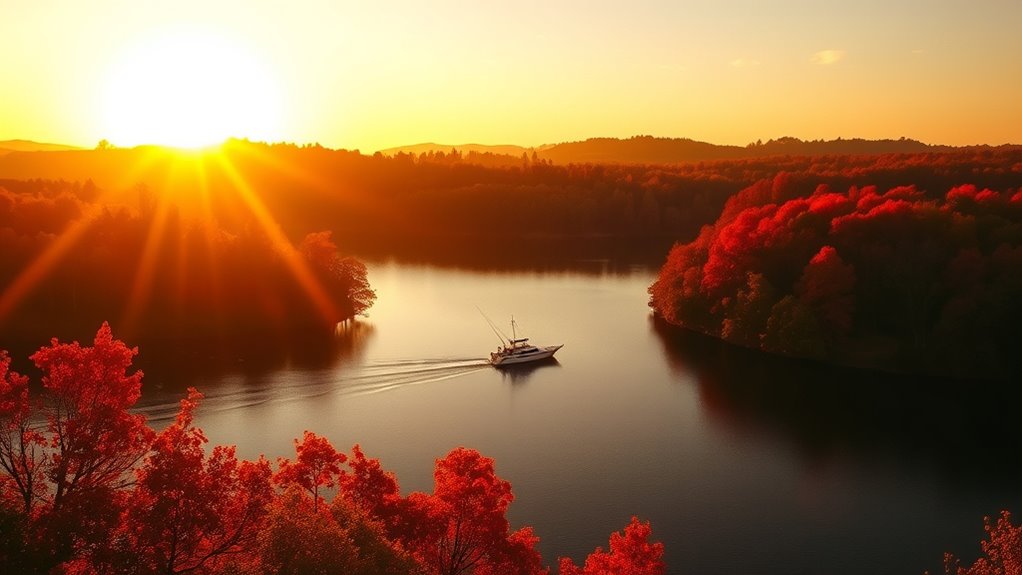
Golden hour occurs shortly after sunrise and just before sunset, when the sun is low on the horizon. During this time, your timing awareness becomes essential, as the window for perfect lighting is brief and constantly changing. Daylight variation affects how the light interacts with your scene, creating warm tones and soft shadows. To make the most of this fleeting period, you need to plan ahead and stay alert to the sun’s position. As the sun rises or sets, the light shifts quickly, so being prepared allows you to capture stunning images before the moment passes. Understanding the precise timing of golden hour helps you anticipate the best moments for shooting, ensuring you don’t miss out on the ideal lighting conditions. Recognizing the importance of natural light quality can significantly enhance your photography results during this magical time. Additionally, knowing about projector technology and how it interacts with different environments can aid in planning your outdoor shoots for optimal lighting and image clarity. Being aware of landscape features can also help you select the best locations to maximize the effects of golden hour illumination. For instance, large open spaces can provide unobstructed sunlight, making them ideal spots during golden hour. Moreover, understanding how herbal infusion tools can help prepare your environment might inspire creative outdoor setups that complement the warm, soft lighting.
The Characteristics of Golden Hour Light
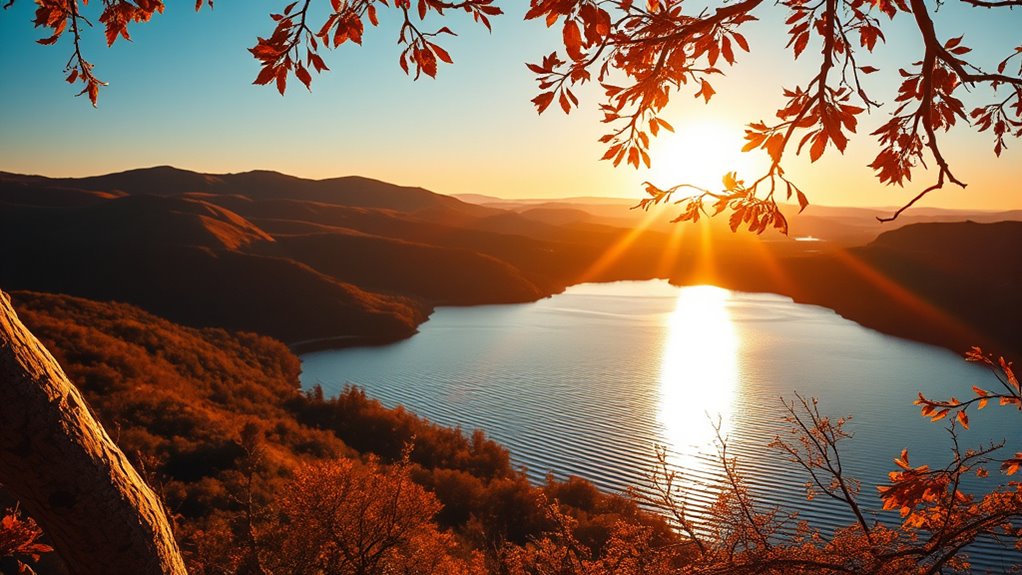
Have you ever noticed how the light during golden hour bathes your scene in a warm, soft glow? This is due to its unique color temperature, which is lower and richer compared to midday sunlight, giving everything a golden hue. During this time, shadows become softer and less harsh, creating a gentle contrast that enhances depth without overwhelming the scene. The light’s warmth adds a natural vibrancy, making colors more saturated and appealing. Because of the softer shadows, your subject will appear more flattering, and textures are subtly highlighted. This combination of warm tones and shadow softness creates a pleasing, inviting atmosphere that’s ideal for capturing beautiful, emotionally resonant images. Golden hour light is truly a photographer’s secret weapon for stunning visuals, especially because of its characteristics of natural light that enhance photographic quality. Additionally, understanding the science behind natural lighting can help photographers better predict and utilize these optimal conditions for their shots. Recognizing how lighting conditions influence mood and clarity can further improve the overall quality of your photographs. By appreciating these lighting characteristics, photographers can better harness the potential of natural light to achieve more compelling results. Mastering these aspects allows photographers to optimize lighting and achieve more compelling results.
Equipment and Settings for Golden Hour Photography

To capture stunning golden hour shots, you need to optimize your camera settings like aperture, shutter speed, and ISO. Having essential equipment such as a tripod and filters can make a big difference in image quality. Consider using filters effectively to enhance colors and manage exposure during this magical lighting. Additionally, understanding how to master your smartphone settings can help you achieve better results without professional gear.
Camera Settings Optimization
Optimizing your camera settings is essential to capture the warm, softer light during the golden hour effectively. Start by adjusting your camera angle to maximize natural light and avoid harsh shadows. Use a small aperture (f/8 to f/11) for sharp detail and a lower ISO (100-200) to prevent noise. Set a slower shutter speed to let in enough light without overexposing the scene, but ensure your camera is steady or use a tripod. Remember, your camera’s metering mode can help balance exposure. Post processing techniques, such as increasing warmth and contrast, can enhance the golden hour’s glow further. Additionally, understanding interior design basics can help you plan your shots more effectively, ensuring your images capture the scene’s true warmth and softness, making the most of this fleeting, beautiful light.
Essential Equipment List
A well-rounded set of equipment is essential for capturing stunning golden hour photos. Your lens selection can dramatically influence the quality of your shots, so choose a versatile lens with a wide aperture for ideal light capture. Stability is key; a sturdy tripod ensures your camera remains steady during longer exposures, especially as light dims. Understanding light conditions can help you better plan your shoot times and settings for optimal results. Proper esthetician magnifying lamps can assist in detailed inspections if you’re capturing close-up textures or skin details in your shots. Here are some essentials:
- A reliable camera with manual controls
- A versatile lens with a wide aperture (like f/2.8 or wider)
- A sturdy tripod for stability during low-light conditions
- Time zone information can assist in planning your golden hour shoots more precisely, especially if you’re traveling or shooting across different locations.
Having these tools helps you make the most of the warm, fading light, resulting in crisp, beautifully lit images that showcase the golden hour’s magic.
Using Filters Effectively
Using filters effectively can substantially enhance your golden hour photos by managing light and colors to create stunning effects. A good filter can reduce glare, deepen colors, and add mood to your images. For color enhancement, a warming filter boosts the warm tones of sunset light, making your photos more vibrant. To achieve desired filter effects, choose the right filter type based on your scene. Here’s a quick reference:
| Filter Type | Effect | Ideal Use |
|---|---|---|
| Circular Polarizer | Reduces reflections, enhances sky | Bright, reflective scenes |
| ND Filter | Controls exposure, prevents overexposure | Bright sunlight during golden hour |
| Warming Filter | Adds warmth, enhances sunset tones | Enhancing sunset and warm light scenes |
| Graduated ND | Balances bright backgrounds | Landscapes with bright skies |
Additionally, understanding how light quality changes during the golden hour can help you select the most effective filters for your scene. Proper knowledge of filter types and their specific effects is crucial for achieving the desired aesthetic.
Tips for Composing Stunning Golden Hour Shots

Golden hour offers a unique opportunity to capture warm, glowing images, but composing stunning shots requires intentionality. To make the most of this soft light, focus on composition techniques that highlight your subject while enhancing color harmony. Use leading lines or natural frames to guide the viewer’s eye toward your main subject, creating a sense of depth and interest. Pay attention to the background; keep it simple or complementary to avoid distractions and emphasize warm tones. Experiment with silhouettes or reflections to add drama and contrast, making your images more compelling. Additionally, understanding the importance of proper aesthetic choices can significantly elevate your golden hour photography. Being mindful of natural lighting conditions can help you optimize your camera settings and capture the best possible images during this fleeting time.
Common Challenges and How to Overcome Them

While golden hour lighting creates stunning opportunities, it also presents unique challenges that can hinder your shot if not addressed. Lighting conditions change rapidly during this time, so you need to act quickly to capture the perfect moment. Weather unpredictability adds to the difficulty, as clouds or haze can diffuse or block the sunlight unexpectedly. To overcome these issues, plan your shoot in advance and stay flexible with your timing. Keep an eye on the weather forecast, and be ready to adjust your location or camera settings on the fly. Using reflectors or diffusers can help control harsh shadows and uneven light. With awareness and quick adjustments, you can turn these challenges into opportunities for exceptional golden hour photos.
Creative Ideas to Maximize Golden Hour Opportunities
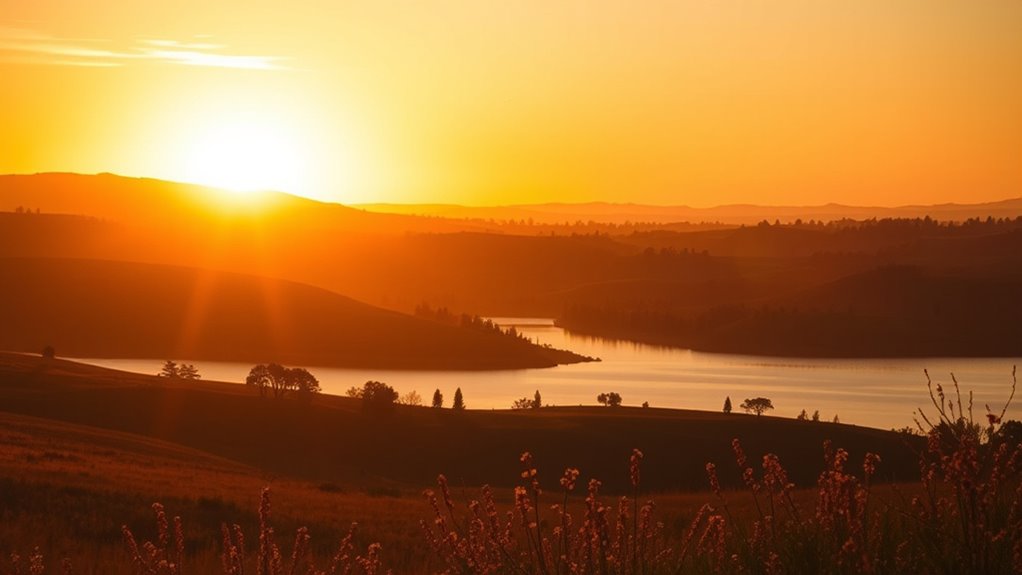
To truly maximize the stunning potential of golden hour, you should think creatively about your compositions and subjects. Golden hour portraits benefit from backlighting, creating a warm glow around your subject’s features. For sunset landscapes, look for interesting silhouettes or reflections to enhance your shot. Incorporating connected equipment like smart lighting or camera accessories can help optimize your settings and capture better images during this time. Additionally, understanding how lighting conditions influence your camera settings can make a significant difference. Being aware of perceptual biases can help you better judge the true beauty of the scene and avoid common pitfalls in composition. Recognizing home energy considerations, such as how to efficiently use natural light, can further improve your outdoor photography experience during these times. Paying attention to essential oils for lighting, such as calming lavender or invigorating peppermint, can also help set the right mood for your outdoor shoots. These tips will help you make the most of the magic light, transforming ordinary scenes into enthralling images.
Frequently Asked Questions
How Does Weather Affect Golden Hour Lighting Conditions?
Weather considerably impacts golden hour lighting by influencing sky color and cloud cover. Clear skies create warm, vibrant hues, while partly cloudy conditions add depth with softer light and interesting cloud shadows. Overcast weather dulls the sky color, reducing the golden glow. You’ll find that cloud cover can either enhance the mood with dramatic effects or diminish the warm tones, so plan accordingly to make the most of the lighting conditions.
Can Golden Hour Photography Be Effective Indoors?
Yes, golden hour photography can be effective indoors. You become the artist, painting scenes with natural glow by harnessing indoor lighting and artificial illumination. Soft window light mimics golden hour’s warmth, creating a cozy atmosphere. Use reflectors to bounce light and enhance natural tones. While it’s not identical to outdoor golden hour, clever manipulation of indoor lighting transforms your space into a warm, inviting canvas, capturing that magical glow anytime you desire.
What Are Some Common Mistakes Beginners Make During Golden Hour?
You often make timing errors, capturing shots too early or late, which ruins the golden hue. Also, neglecting your equipment, like not adjusting settings for changing light, can lead to overexposed or underexposed photos. To improve, plan ahead, arrive early, and practice timing. Use a tripod and understand your camera’s capabilities to maximize the warm, soft glow of golden hour. This helps you avoid common beginner mistakes and capture stunning images.
How Does Golden Hour Vary in Different Geographic Locations?
Golden hour varies across geographic locations and seasonal changes, so you should adjust your timing accordingly. In northern latitudes, it lasts longer in summer and shorter in winter; near the equator, it remains consistent year-round. You need to observe local sunset and sunrise times, considering seasonal shifts, to capture that perfect warm glow. Embrace these geographic variations to master golden hour photography wherever you are.
Are There Specific Subjects That Benefit Most From Golden Hour Lighting?
You’ll find that landscape enhancement and portrait warmth really shine during golden hour. Subjects like wide-open landscapes, cityscapes, and outdoor portraits benefit most because the soft, warm light creates a natural glow. It reduces harsh shadows and highlights details beautifully. If you want to add mood and depth, shooting during this time helps your images look more vibrant and inviting, making your subjects stand out effortlessly.
Conclusion
Now that you know about golden hour photography, get out there and seize that magical light! This isn’t just any light—it’s the secret potion that transforms ordinary scenes into breathtaking masterpieces. With your camera ready, you’ll capture images so stunning, they’ll make viewers gasp in awe. Don’t wait—dive into golden hour adventures and watch your photos glow with an almost supernatural brilliance. Your best shots are just moments away, waiting to dazzle the world!