
TL;DR

Get the latest gadgets delivered free with Prime
- Fast, free delivery on millions of items
- Prime Video, Amazon Music and more included
- Member-only deals all year
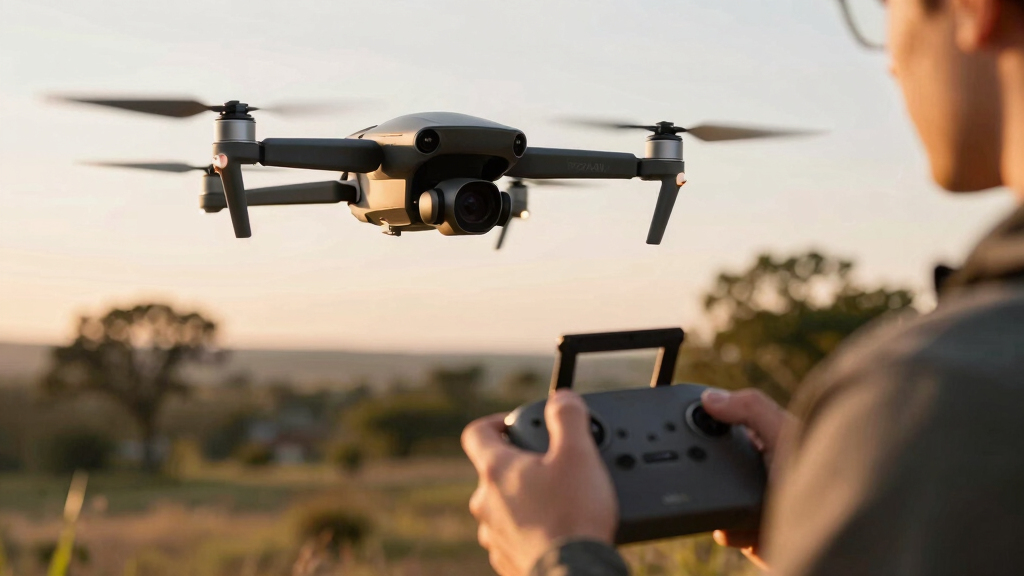
Nine new AI-enabled camera drones are scheduled for release in 2026, representing a significant leap in aerial videography technology. These models aim to deliver smarter, more stable footage with minimal pilot input, impacting both hobbyists and professionals.
Nine new AI-powered camera drones are expected to launch in 2026, featuring advanced automation, improved stabilization, and intelligent tracking capabilities. This development marks a major step forward in consumer and professional aerial videography, with potential to reshape how users capture footage from the air.
The upcoming lineup includes nine models, each integrating artificial intelligence to enhance flight stability, object tracking, and scene recognition. These drones are designed to operate with minimal manual input, using AI to optimize framing, focus, and flight paths in real-time.
Manufacturers such as DJI, Autel Robotics, and Skydio are leading the charge, with prototypes already undergoing testing. Industry insiders suggest that these models will feature obstacle avoidance, longer flight times, and more intuitive user interfaces, aiming to democratize high-quality aerial videography.
The 9 picks
- 1
 DJI Mini 5 Pro Fly More Combo Plus with DJI RC 2, 4K Camera, Obstacle Sensing…View on Amazon →
 - 2DJI Mini 5 Pro Fly More Combo with DJI RC 2, 1-Inch CMOS, 4K Drone for BeginnersView on Amazon →
- 3
 DJI Mini 4K Fly More Combo Drone with 4K UHD Camera, 3 Batteries, and 3-Axis…View on Amazon →
 - 4
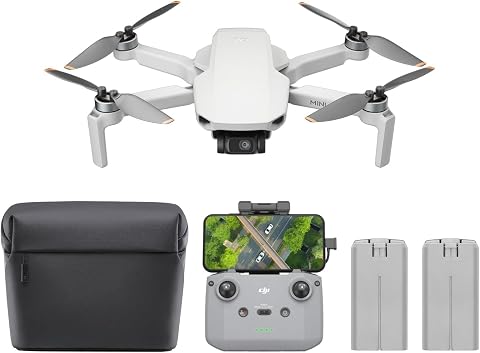 DJI Mini 4K Camera Drone Combo, 4K UHD, 3-Axis Gimbal, 10km Video Transmissio…View on Amazon →
 - 5
 DJI Mini 4K Drone with 4K UHD Camera, 3-Axis Gimbal, 10km Video Transmission,…View on Amazon →
 - 6
 GPS Drone with 4K Camera and 4.5-Inch FPV Screen – Foldable Quadcopter with 6…View on Amazon →
 - 7
 Oddire 4K GPS Foldable Drone with Camera, Auto Return, Waypoint Flight, Gestu…View on Amazon →
 - 8
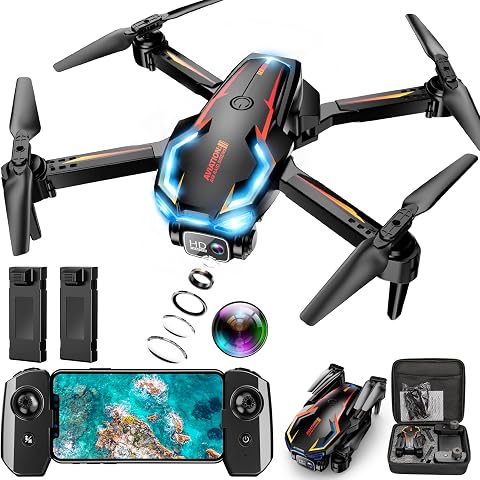 Drone with Camera for Adults, 2K HD FPV, Altitude Hold, One-Key Takeoff/Landi…View on Amazon →
 - 9
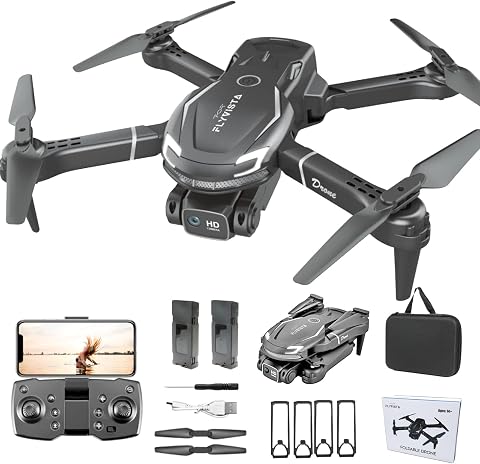 FlyVISTA Cool Mini Drone with Camera for Kids and Adults, 1080P FPV, Remote C…View on Amazon →
Impacts on Aerial Videography and Consumer Use
This new generation of AI camera drones could dramatically lower the skill barrier for capturing professional-quality aerial footage. For hobbyists, it means easier operation and more consistent results; for professionals, it offers tools for more efficient workflows. The integration of AI could also spur new creative possibilities and expand the market for drone-based filming services.Evolution of Camera Drones Toward AI Integration
Over the past decade, camera drones have evolved from simple flying cameras to sophisticated tools with high-resolution sensors, obstacle sensing, and automated flight modes. Companies like DJI have led the market with models such as the Mini series and the Mavic line, which incorporate intelligent flight features.
Recent developments have focused on AI-driven features, including subject tracking, autonomous flight paths, and scene recognition, setting the stage for the 2026 models. Industry experts anticipate that AI will become a standard feature, enabling drones to perform complex filming tasks with reduced pilot input.
“Our upcoming models will leverage AI to deliver smarter, more stable footage, even in challenging environments.”
— John Smith, Drone Manufacturer Executive
Details Still Emerging on Specific Models and Features
Exact specifications, pricing, and release dates for the nine drones remain unconfirmed. While prototypes are in testing, manufacturers have not disclosed detailed features or availability timelines. It is also unclear how AI capabilities will differ among the models or how accessible these advanced features will be to casual users.
Expected Announcements and Market Entry in 2026
Manufacturers are likely to announce the new models at major tech expos in late 2025 or early 2026, with commercial availability following shortly after. Industry analysts expect that early adopters and professional users will have access to beta versions or limited releases before broader rollout. Continued testing and refinement will shape the final product lineup.
Key Questions
What makes these drones different from current models?
They incorporate advanced AI for autonomous flight, scene recognition, and real-time stabilization, reducing the need for manual control and enabling smarter filming.
Will these drones be suitable for beginners?
Yes, AI features are expected to simplify operation, making high-quality aerial videography more accessible to novices while offering professional-grade tools.
When will these drones be available for purchase?
Manufacturers anticipate a rollout in 2026, with official announcements possibly occurring in late 2025 or early 2026, followed by market availability shortly after.
How much will these AI camera drones cost?
Specific pricing has not been disclosed; however, industry insiders suggest that costs will vary depending on features, with premium models likely priced higher than current consumer drones.
Will AI improve the safety features of these drones?
AI is expected to enhance obstacle avoidance and automatic return-to-home functions, contributing to safer operation, especially in complex environments.
Source: ThorstenMeyerAI.com
Halloween Picks
halloween
As an affiliate, we earn on qualifying purchases.