To pack light without sacrificing your gear, choose versatile, weather-sealed cameras and lenses that cover wide-angle to telephoto needs. Use compact accessories like multi-use straps, filters, and portable tripods to save space. Organize your gear with packing cubes and compression bags, making everything easy to access and protect. Plan your shots in advance to minimize gear swaps and focus on essentials. You’ll discover additional tips that make traveling with your gear both efficient and effortless.
Key Takeaways
- Use modular packing cubes and compression bags to optimize space and keep gear organized.
- Select versatile lenses and multi-functional accessories to reduce the number of items needed.
- Prioritize lightweight, weather-sealed gear for durability and portability in varied environments.
- Pack only essential equipment based on planned shots, avoiding unnecessary gear to save space.
- Organize gear for quick access and efficient shooting, minimizing the need to carry extra items.
Top picks for "travel photography hack"
Open Amazon search results for this keyword.
As an affiliate, we earn on qualifying purchases.
Choosing Versatile Cameras and Lenses
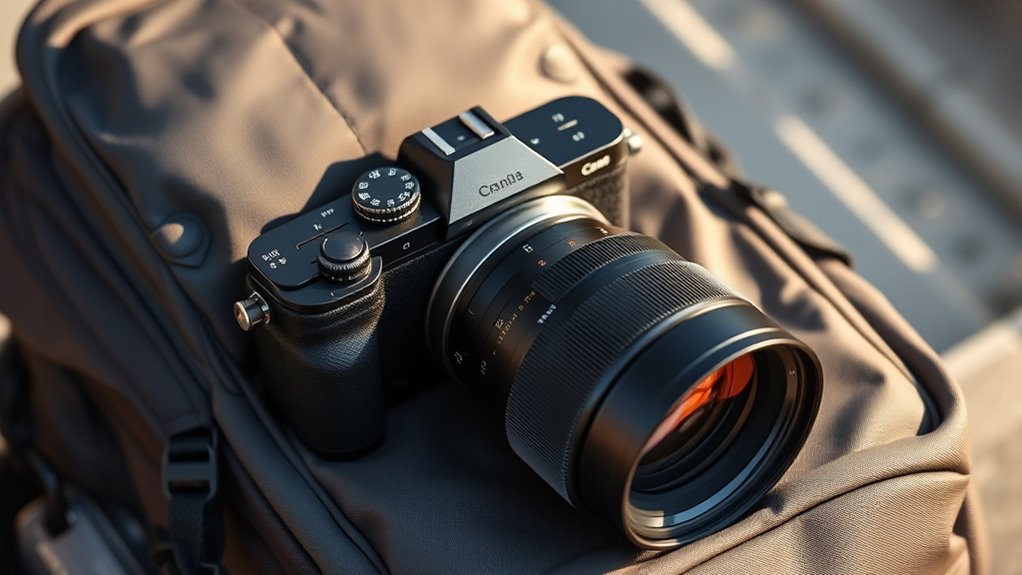
When selecting cameras and lenses for travel photography, versatility is key. You want gear that can handle various environments and shooting styles without adding bulk. Prioritize camera durability to withstand different weather conditions and rough handling during your trips. A sturdy, weather-sealed body ensures your camera stays protected. Lens compatibility is equally important; choose systems with a range of lenses that suit different situations, like wide-angle for landscapes and telephoto for distant subjects. Opt for a mirrorless camera or a compact DSLR that offers excellent image quality without being cumbersome. This way, you can quickly adapt to changing scenes, capturing memories effortlessly. Focus on gear that balances durability and lens compatibility, so you’re prepared for anything your travel adventure throws your way. Incorporating color accuracy considerations can also help ensure your photos are vibrant and true to life across different lighting conditions. Additionally, selecting compact and lightweight equipment can significantly improve your comfort and mobility during long days of shooting.
Packing Smart With Compact Accessories
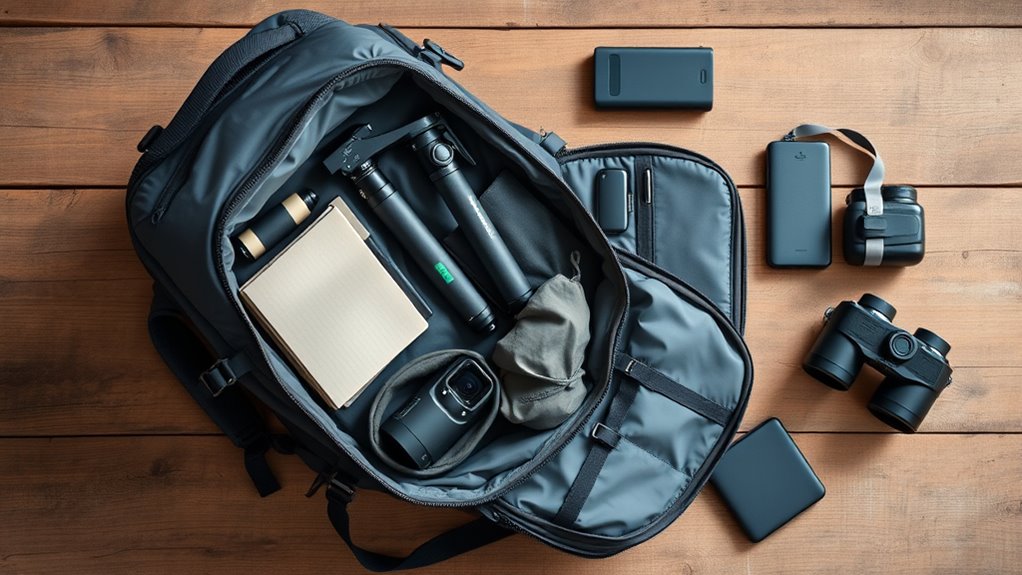
After choosing versatile gear, the next step is to pack smart with compact accessories that maximize your shooting potential without adding unnecessary weight. Focus on essential camera accessories like lightweight filters, small cleaning kits, and multi-use straps to keep your gear organized and ready. Travel gadgets such as portable tripods or compact remote shutters help you capture steady shots without bulk. Look for multipurpose items that serve more than one function, like lens caps with built-in cleaning tools or collapsible reflectors. These compact accessories save space and reduce clutter in your bag, ensuring you’re prepared for different shooting scenarios. Additionally, eco-friendly crafting options like reusable lens cleaning cloths or sustainably sourced accessories can help minimize your environmental footprint. Incorporating compact storage solutions further enhances organization and quick access to your gear during travels. Being aware of pinball machine weights and choosing appropriately sized equipment can prevent damage and make transportation easier. Remember that understanding lightweight materials and their properties can guide you in selecting durable yet portable gear. By selecting smart, lightweight camera accessories and travel gadgets, you’ll stay agile and ready to seize every photo opportunity during your trip. For added convenience, consider modular packing systems that allow you to customize and adapt your setup based on your destination and activities.
Utilizing Packing Cubes and Compression Bags
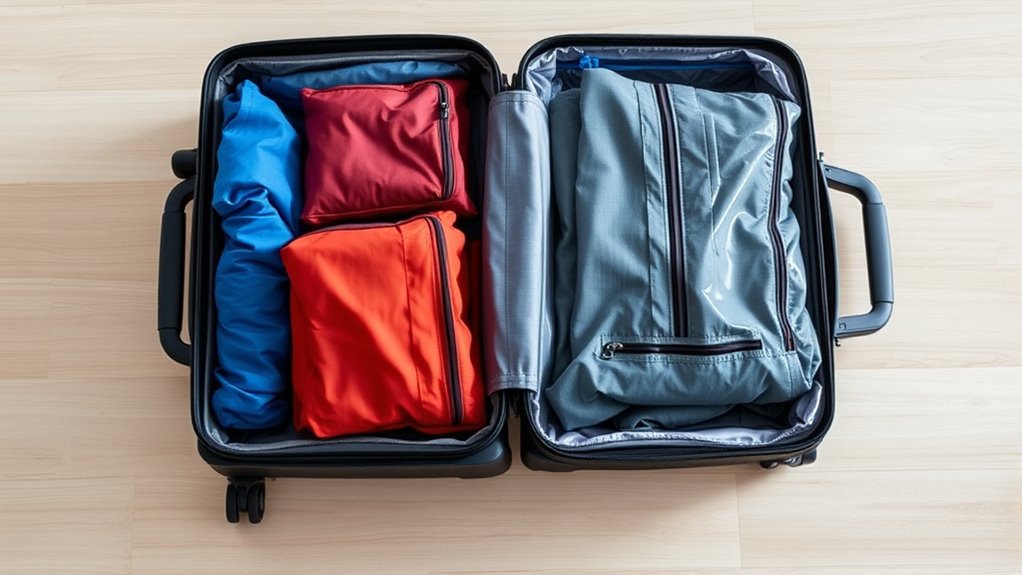
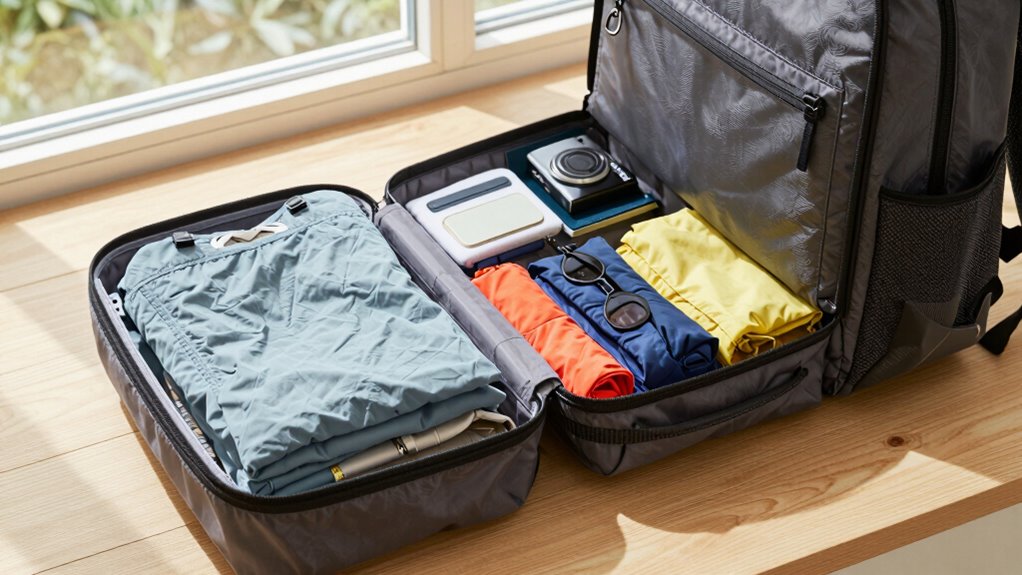
Using packing cubes and compression bags helps you organize your gear efficiently, so everything stays in its place. They also maximize space savings, allowing you to pack more without overstuffing your luggage. With these tools, you can access what you need quickly and keep your belongings neat throughout your trip. Incorporating simple organizing systems can make your packing process even more manageable and stress-free. Additionally, selecting smart packing techniques tailored to your gear can further enhance your efficiency and ensure your equipment remains protected during travel. Regularly practicing visual and auditory cues can also improve your packing habits, making the process more intuitive and less stressful.
Organize Gear Efficiently
Packing efficiently is key to making the most of your travel gear, and organizing with packing cubes and compression bags can considerably streamline your process. Use packing cubes to separate your camera gear, ensuring better camera ergonomics and quick access. Label them for easy identification and avoid digging through your bag for essentials. Compression bags help reduce volume, keeping your gear compact and protected. Proper organization also promotes gear maintenance by preventing scratches and damage during transit. Keep delicate items like lenses in padded cubes and store batteries separately to avoid accidental leaks. Additionally, being aware of piercing care and hygiene can help prevent damage or irritation to sensitive areas caused by rough handling during travel. Incorporating essential oils such as lavender or eucalyptus into your packing routine can also help maintain freshness and reduce stress during long trips. Maintaining an organized system that considers gear protection can further safeguard your equipment from environmental factors. Being mindful of travel hygiene practices can also prevent dirt and bacteria from contaminating your gear or causing skin irritations. For added protection, consider using weather-resistant covers to shield your gear from unexpected rain or dust. By maintaining an organized system, you’ll save time at security checks and packing up at your destination, allowing you to focus more on capturing great shots instead of searching for equipment.
Maximize Space Savings
To maximize space savings in your travel bag, leverage packing cubes and compression bags to organize and condense your gear efficiently. These tools help you fit more in less space, aiding in weight reduction and making your travel checklist manageable. Use packing cubes to categorize items like clothes, accessories, and gadgets, keeping everything tidy. Compression bags squeeze out excess air, dramatically reducing volume. This method not only saves space but also helps you quickly locate essentials. Additionally, understanding climate considerations can help you pack more effectively for different destinations. Being mindful of smart design principles can further enhance your packing efficiency, ensuring a comfortable and well-prepared trip. Incorporating ergonomic packing techniques can also prevent strain and make carrying your luggage easier during transit. For example, applying weight distribution strategies can significantly reduce fatigue during long travels. Moreover, selecting lightweight gear can further optimize your packing process. Here’s a visual guide:
| Packing Strategy | Benefits |
|---|---|
| Packing Cubes | Organization, easy access |
| Compression Bags | Space-saving, weight reduction |
| Roll Clothes | Minimize wrinkles, save space |
| Vacuum Seal | Maximize compactness |
| Layering Items | Efficient packing, protection |
Planning Shots to Minimize Gear Changes
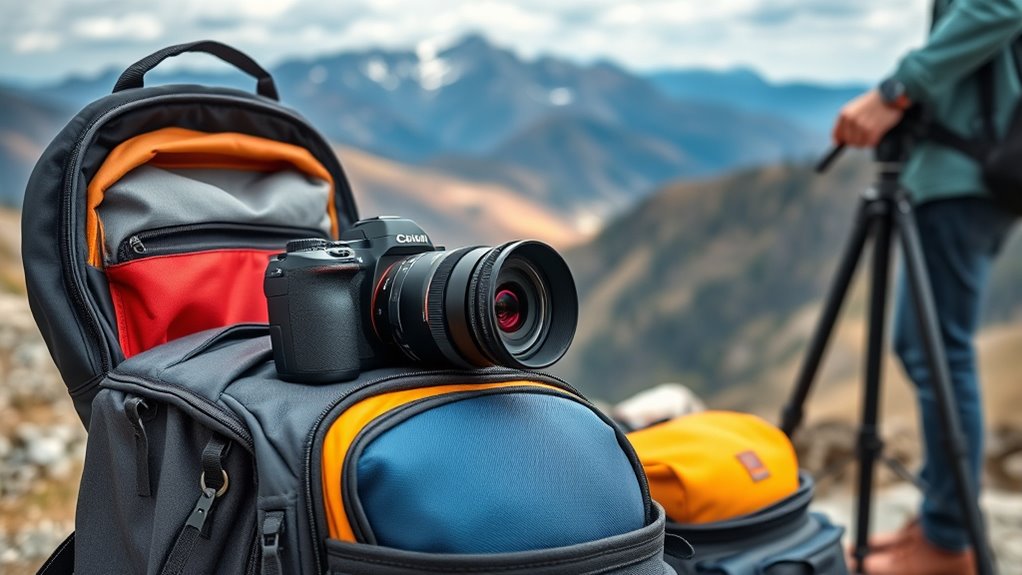
Start by visualizing your key shots so you know exactly what gear you’ll need. Map out your shooting locations to plan efficient routes and time slots. Organize your gear strategically to minimize unnecessary changes and stay ready for each shot. Incorporating multifaceted planning can also help you adapt to unexpected situations during your shoot.
Pre-Visualize Key Shots
Pre-visualizing your key shots allows you to plan your photography session strategically, reducing the need to constantly change gear and miss important moments. By considering lighting conditions, you can determine the best time of day and angles to capture your shots, ensuring ideal brightness and mood. Think about composition techniques beforehand—frame your shots, identify focal points, and decide whether wide angles or close-ups work best. This foresight helps you select a versatile lens or camera settings that suit multiple scenes, minimizing gear swaps. Visualizing your shots also allows you to anticipate adjustments for different lighting scenarios, saving time and effort on-site. Ultimately, pre-visualization keeps your gear streamlined, so you’re ready to seize spontaneous moments without sacrificing quality.
Map Shooting Locations
Mapping out your shooting locations before heading out helps you plan your shots efficiently and reduces the need to switch gear constantly. Use interactive maps to pinpoint exact spots for your desired shots, saving time and effort. These maps can highlight popular viewpoints, hidden gems, and accessible angles, helping you create a logical shooting route. Consult local guides or online resources to gather insider tips on the best times for lighting or crowd-free moments. Planning your locations in advance allows you to carry only the gear needed for the entire day, minimizing weight and clutter. Additionally, integrating smart home automation devices such as weather sensors or lighting controls can help you adapt to changing conditions and capture the perfect shot. Implementing file organization strategies can also streamline your workflow, making it easier to review and select your best images later. With a clear map and local insights, you can focus on capturing diverse shots without unnecessary gear swaps, making your travel photography more streamlined and enjoyable.
Organize Gear Strategically
Once you’ve pinpointed your shooting locations, organizing your gear becomes the next step to maximize efficiency. Planning your shots allows you to select the right equipment for each scene, reducing unnecessary gear changes. Arrange your camera ergonomics in a way that’s easy to access—keep your primary camera and lenses within reach, and group accessories like batteries and filters nearby. Minimize gear maintenance needs by cleaning your gear beforehand and packing protective cases. By organizing your gear strategically, you avoid fumbling with equipment, which saves time and keeps your shots consistent. This approach ensures you’re ready for spontaneous opportunities and minimizes the risk of damaging your gear while on the move. A well-organized setup makes your photography smoother and more enjoyable.
Protecting Your Equipment on the Go

When you’re exploring new locations, safeguarding your camera gear is crucial to prevent damage and ensure you’re ready for any shot. Prioritize camera security by keeping your gear close and using a reliable strap to avoid accidental drops. Weather protection is equally important; always carry a rain cover or waterproof bag to shield your equipment from unexpected showers. Here are three ways to protect your gear on the go:
- Use padded, weather-resistant camera bags to guard against bumps and moisture.
- Employ lens caps and filters to prevent scratches and dust intrusion.
- Keep silica gel packs in your bag to absorb excess humidity and moisture.
- Stay mindful of environmental conditions to adapt your protection measures accordingly. Remaining vigilant about camera security and weather protection ensures your gear stays safe, letting you focus on capturing stunning moments without worry. Additionally, understanding proper care and maintenance can extend the lifespan of your equipment during your travels, especially by choosing high-quality fireplace alternatives that suit different environments and needs. Proper storage in well-ventilated areas also helps prevent mold and damage during extended trips.
Tips for Efficiently Organizing Your Gear
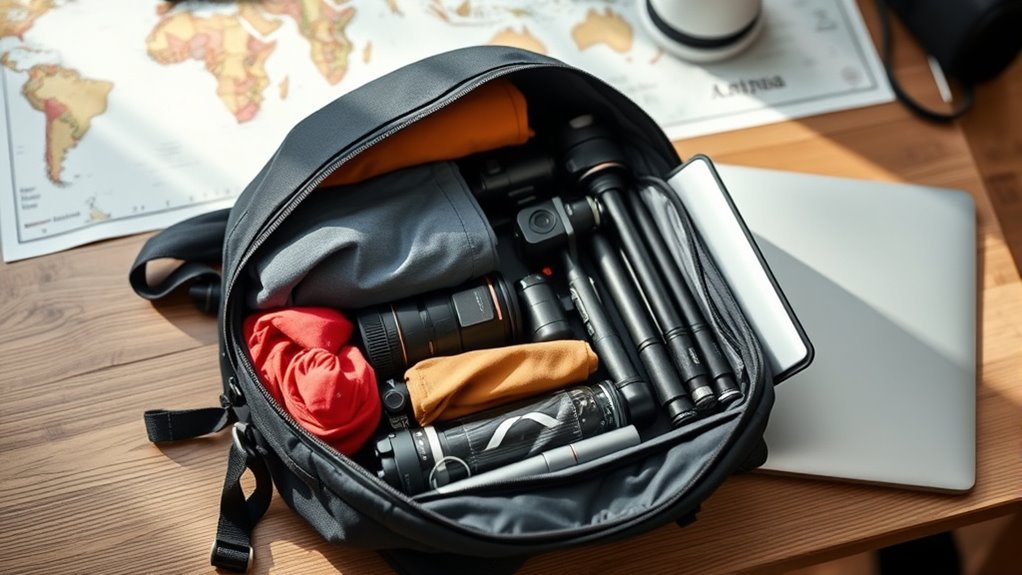
Organizing your gear efficiently can save you time and reduce stress during your photography adventures. Start by arranging your camera and accessories with good camera ergonomics in mind—place your camera in a comfortable, accessible spot. Use padded, compartmentalized bags or pouches to keep lenses, batteries, and memory cards sorted and protected. Regular gear maintenance is essential; clean your equipment before packing and check for any loose parts. Label your gear or keep a checklist to ensure nothing gets left behind. Prioritize quick access to your most-used items, like spare batteries or a lens cloth. Efficient organization not only helps you quickly adapt to changing scenes but also preserves your gear’s condition, making your travels smoother and more enjoyable.
Frequently Asked Questions
How Can I Balance Weight and Image Quality Effectively?
To balance weight and image quality, you should prioritize versatile gear and organize your camera bag efficiently. Use camera bag organization to keep essential lenses and accessories accessible, and opt for lightweight tripods to stabilize your shots without adding bulk. Focus on high-quality but compact gear, and only carry what you need for each shoot. This approach guarantees you capture stunning images without overloading yourself, making your travel photography more enjoyable and effective.
What Are the Best Practices for Quick Gear Access?
Think of your gear as a well-oiled machine—accessory organization is key. Use quick draw techniques like dedicated compartments or accessible pouches to keep your camera and lenses within reach. Practice smooth, deliberate movements so you can grab what you need instantly without fumbling. Keep frequently used accessories at the top or front of your bag, and always stay aware of your gear’s layout to guarantee rapid access during those fleeting photo opportunities.
How Do I Prevent Theft of My Camera Gear?
To prevent theft of your camera gear, you should implement strong security measures like using lockable bags and keeping your gear close in crowded areas. Always stay aware of your surroundings, avoid flaunting expensive equipment, and consider using theft prevention accessories such as cable locks or hidden compartments. Additionally, split up your gear between different bags, so if one gets lost or stolen, you still have essentials.
Can I Shoot Professional-Quality Photos With Minimal Gear?
Yes, you can shoot professional-quality photos with minimal gear. Focus on versatile camera accessories like a compact zoom lens, a sturdy tripod, and a lightweight camera bag. Choose travel destinations with great natural lighting and interesting subjects to maximize your shots. By mastering composition and settings, you’ll capture stunning images without lugging heavy equipment. This approach keeps your gear light, so you stay agile and ready for any photo opportunity.
What Backup Options Should I Consider for Travel Photography?
You should consider camera insurance to protect your gear against theft or damage while traveling. Additionally, carry multiple backup storage options like portable hard drives, SD cards, or cloud services to safeguard your photos. Regularly transfer images during your trip, so you don’t risk losing everything if something happens. Combining insurance with reliable backup storage makes certain your valuable photos stay safe, no matter what challenges you encounter on the road.
Conclusion
Think of your travel gear as a well-tuned orchestra—it’s all about harmony and balance. By choosing versatile gear, packing smart, and staying organized, you can create beautiful travel photos without lugging a heavy load. When you streamline your equipment, every trip becomes a smooth melody rather than a chaotic noise. So, pack light, plan wisely, and let your adventure’s soundtrack be filled with stunning shots and effortless journeys.