
📊 Full opportunity report: AI-Driven 4K Monitors: The Future Of Work And Play In 2026 on ThorstenMeyerAI.com — validation score, market gap, and execution plan.

Get the latest gadgets delivered free with Prime
- Fast, free delivery on millions of items
- Prime Video, Amazon Music and more included
- Member-only deals all year
TL;DR
AI-powered 4K monitors are rapidly entering the market in 2026, offering advanced features for both professional and gaming use. For a detailed overview, see the original analysis. This development could reshape how consumers engage with digital content, but details on compatibility and availability are still emerging.
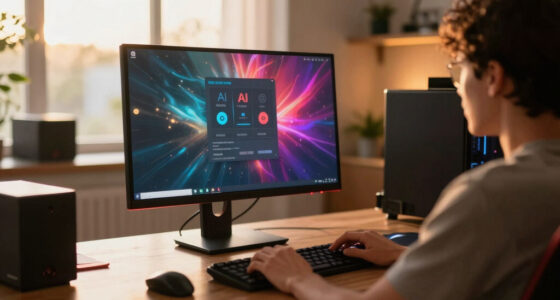
AI-driven 4K monitors are being introduced in 2026, with several major brands unveiling models that incorporate artificial intelligence to enhance display quality, responsiveness, and user experience. These monitors aim to cater to both professional users and gamers, signaling a significant shift in display technology. The development matters because it could redefine standards for clarity, adaptability, and interactivity in digital screens.
Leading manufacturers such as Dell, LG, and Samsung have announced upcoming models featuring integrated AI capabilities designed to optimize image rendering, color accuracy, and motion smoothing in real-time. These monitors utilize AI algorithms to adjust contrast, brightness, and color profiles dynamically based on content type and ambient lighting conditions, promising an improved viewing experience across different environments. Learn more about the best options in the top 4K monitors for 2026.
Confirmed models include Dell’s upcoming S2725QS successor, which is expected to incorporate AI-driven image enhancement and adaptive refresh rate technology. Samsung’s ViewFinity series is also set to include AI features focused on ergonomic adjustments and display calibration. While exact release dates vary, industry insiders suggest these models will hit the market in the second half of 2026.
Experts emphasize that these AI features are designed to improve user productivity and entertainment quality, with functionalities such as auto-tuning for creative work, enhanced gaming responsiveness, and tailored viewing modes. However, the extent of AI integration and its practical benefits are still being tested and verified by early reviewers.
The 9 picks
- 1
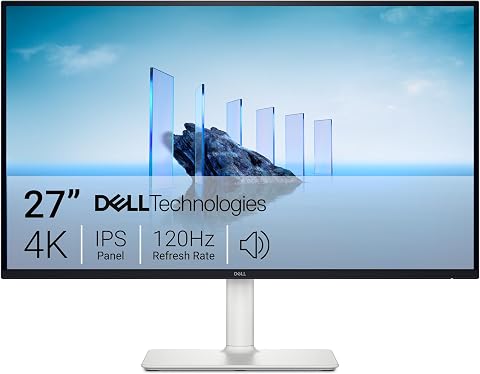 Dell 27 Plus 4K Monitor – S2725QS – 27-inch 4K (3840 x 2160) 120Hz IPS Displa…View on Amazon →
 - 2
 LG 27US500-W Ultrafine 27-Inch 4K UHD HDR10 IPS MonitorView on Amazon →
 - 3
 LG 27UP650K-W 27-inch 4K UHD IPS Computer Monitor with HDR and Adjustable StandView on Amazon →
 - 4
 Dell 32 Plus 4K Monitor – S3225QS – 31.5-inch 4K (3840 x 2160) VA Panel, AMD…View on Amazon →
 - 5
 Dell 27 Plus 4K USB-C Monitor – S2725QCView on Amazon →
 - 6
 Acer Nitro 27” 4K UHD Gaming IPS Monitor with AMD FreeSync, 72Hz Refresh Rate…View on Amazon →
 - 7
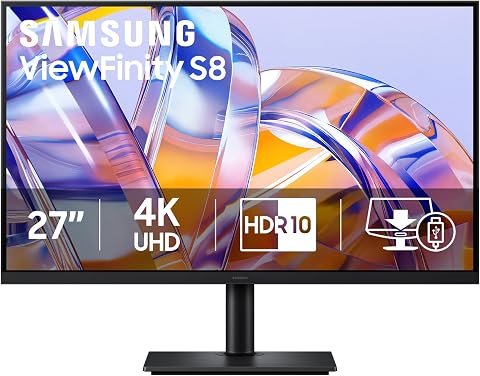 Samsung 27" ViewFinity S8 (S80UH) 4K UHD Monitor with USB-C and Ergonomic StandView on Amazon →
 - 8
 ASUS 27” 4K Eye Care Monitor (VY27UQ)View on Amazon →
 - 9
 LG 32UR550K-B 32-inch 4K UHD HDR Monitor with Adjustable StandView on Amazon →
Why AI-Enhanced 4K Monitors Matter in 2026
The integration of AI into 4K monitors in 2026 could significantly improve visual quality, responsiveness, and ergonomic comfort, impacting both professional workflows and gaming experiences. For creative professionals, AI-driven calibration ensures color consistency and reduces setup time. Gamers stand to benefit from smoother motion and adaptive refresh rates that respond to game dynamics, potentially offering a competitive edge.
Additionally, these monitors may enable smarter multitasking through AI-based window management, automatic brightness adjustments, and personalized display settings. As a result, AI-enhanced displays could become a standard feature, raising expectations for future digital interfaces and influencing hardware design trends.
However, the actual user benefits depend on implementation quality, compatibility with existing hardware, and the availability of AI features across different price points. The technology’s success could accelerate the adoption of smarter, more adaptive screens in both consumer and enterprise markets.
Development Timeline and Industry Adoption of AI Monitors
The concept of AI-enhanced displays has been in development for several years, with early prototypes focusing on image optimization and user interface improvements. Major brands like Dell and Samsung announced plans to incorporate AI features into their flagship 2026 monitor lines, aiming to differentiate their products in a competitive market.
Industry analysts note that AI integration aligns with broader trends towards smart devices and automation, driven by advances in machine learning and sensor technology. While some models are already available in limited markets, widespread adoption is expected to accelerate as software and hardware mature throughout 2026.
Previous attempts at smart displays focused mainly on software-based calibration; the current wave promises more sophisticated, hardware-accelerated AI functionalities that adapt in real-time, promising a new level of display intelligence.
“Our new AI-enhanced monitors will automatically optimize display settings for any environment, making professional and entertainment use more seamless.”
— Samsung spokesperson
Unconfirmed Aspects of AI Monitor Deployment and Capabilities
While several manufacturers have announced plans for AI-enhanced 4K monitors, detailed specifications, pricing, and exact release dates remain unconfirmed. It is unclear how widespread AI functionalities will be across different models and whether they will be compatible with existing hardware and software ecosystems. Additionally, the real-world performance of these AI features in diverse environments has yet to be thoroughly tested or reviewed by independent sources.
Questions also remain about the longevity of AI updates, potential privacy concerns related to AI data collection, and the overall cost implications for consumers and enterprise users.
Upcoming Releases and Industry Testing of AI 4K Monitors
Manufacturers are expected to unveil their first AI-enhanced 4K monitors in the second half of 2026, with early reviews and user feedback likely influencing broader adoption. Industry events such as CES and IFA will serve as platforms for showcasing these models and demonstrating their capabilities. Ongoing software updates and firmware improvements are anticipated to refine AI functionalities over time. Consumers and enterprise buyers should monitor these releases to assess how AI features perform in real-world scenarios and whether they justify the premium costs.
Key Questions
What are the main benefits of AI-driven 4K monitors?
They offer enhanced image quality, adaptive motion smoothing, automatic calibration, and ergonomic adjustments, improving both productivity and gaming experiences.
When will AI-enhanced 4K monitors be available?
Most major brands plan to release their first models in the second half of 2026, with availability varying by region and model.
Will AI features increase monitor costs?
Likely yes, as advanced AI functionalities typically add to manufacturing complexity and development costs, though exact pricing details are still pending.
Are AI-enhanced monitors compatible with all devices?
Compatibility will depend on the specific AI features and connection standards; early models are expected to support common interfaces like USB-C and HDMI, but full compatibility details are still emerging.
What should consumers consider when buying AI-enabled monitors?
Look at the specific AI features offered, compatibility with existing hardware, pricing, and whether the AI functionalities address your primary needs, such as professional work or gaming.
Source: ThorstenMeyerAI.com
Halloween Picks
halloween
As an affiliate, we earn on qualifying purchases.