

The shift towards free-to-play games is driven by developers wanting to attract larger audiences and boost revenue through optional in-game purchases, instead of charging upfront. Pay-to-play offers a straightforward, one-time payment but limits access for some players. Subscription models provide steady income and ongoing content, appealing for long-term engagement. Each approach has benefits and challenges. To discover how these models impact the gaming experience and industry trends, explore further insights.
Key Takeaways
- Free-to-play models lower entry barriers, attracting larger audiences and increasing potential revenue through in-game purchases.
- Pay-to-play offers upfront revenue and immersive experiences but limits accessibility due to higher initial costs.
- Subscription services provide predictable income and ongoing content, fostering long-term player engagement.
- Industry trends favor free-to-play for broader reach, while subscriptions balance revenue stability and player retention.
- Shifting towards free models reflects consumer preferences for accessible, flexible gaming experiences and sustainable monetization strategies.
Top picks for "free play subscription"
Open Amazon search results for this keyword.
As an affiliate, we earn on qualifying purchases.
The Rise of Free-to-Play Titles and Their Appeal

The rise of free-to-play titles has transformed the gaming landscape by making games accessible to a broader audience without upfront costs. Developers leverage microtransaction strategies to generate revenue, offering optional in-game purchases for cosmetics, upgrades, or shortcuts. While this approach attracts more players, it raises questions about monetization ethics, especially when games push aggressive monetization tactics or create pay-to-win environments. You might find yourself tempted to spend money on enhancements, but it’s essential to contemplate whether these strategies prioritize player experience or simply maximize profits. Free-to-play games thrive by balancing accessibility with revenue, though they often walk a fine line between fair monetization and exploitation. This shift has reshaped how games are designed, played, and perceived worldwide. Additionally, the industry’s move towards microtransactions reflects changing consumer expectations and revenue models in digital entertainment. As the industry continues to evolve, ethical monetization practices are gaining importance to maintain player trust and long-term engagement. Recognizing the importance of player trust is crucial for developers aiming for longevity and positive reputation in the gaming community.
Understanding the Pay-to-Play Model and Its Legacy

As free-to-play models gained popularity, traditional pay-to-play games maintained their significance by offering a different approach to gaming. With pay-to-play, you buy the game upfront, providing full access without ongoing microtransactions. This model emphasizes game content over monetization, but microtransaction ethics have sometimes sparked controversy, especially when games introduce pay-to-win dynamics. Pay-to-win can undermine fairness, giving paying players an advantage over others. Despite the rise of free-to-play, pay-to-play titles have a rich legacy rooted in delivering complete experiences with fewer monetization pressures. You pay once, and the game is yours to enjoy without constant interruption or additional costs. This approach fosters a different gaming culture—focused on quality and fairness, rather than ongoing monetization. Additionally, some players appreciate the transparency of pricing, as it allows for clearer expectations and budgeting, which is often associated with the legacy of pay-to-play models. Furthermore, the balance of game design and monetization in pay-to-play titles often results in a more focused and immersive experience, free from the distractions of frequent microtransactions.
Subscription Services and the Shift Toward Recurring Revenue

Subscription services provide a steady income stream that helps secure revenue over time. They also boost player retention by creating ongoing value and engagement. As a result, many companies are shifting focus toward recurring revenue models to ensure long-term growth. Additionally, leveraging powerful persuasive words can significantly enhance marketing efforts, making subscription offerings even more appealing to consumers.
Steady Income Stream
Switching to subscription models has transformed how companies generate revenue by providing a consistent and predictable income stream. Unlike one-time purchases, subscriptions guarantee ongoing cash flow, making financial planning easier. This shift also helps companies avoid microtransaction controversies, as players pay upfront for access rather than relying on in-game purchases that can sometimes feel exploitative. Additionally, subscription services often integrate advertising seamlessly, balancing ad revenue with subscriber fees. This approach reduces reliance on aggressive monetization tactics and creates a more stable revenue model. As a result, game developers can focus on improving content quality and player experience, knowing their income isn’t dependent on fluctuating microtransactions or sporadic sales. Free Floating game models are increasingly popular because they align with sustainable business practices. Subscriptions therefore offer a reliable revenue stream that benefits both companies and players.
Enhanced Player Retention
Recurring revenue models like subscriptions encourage game developers to prioritize ongoing engagement, which considerably boosts player retention. These models tap into player psychology by providing a sense of steady progress and exclusive benefits, motivating players to stay longer. Unlike microtransactions, which often spark controversies over pay-to-win dynamics, subscriptions foster loyalty by offering value through regular content updates and rewards. This approach reduces churn, as players feel more connected and invested in the game ecosystem. Continuous engagement also helps developers gather valuable data to refine experiences. Overall, subscriptions create a sustainable cycle of retention, turning casual players into dedicated ones while sidestepping some of the microtransaction controversies that can alienate audiences.
Economic Benefits for Developers and Publishers
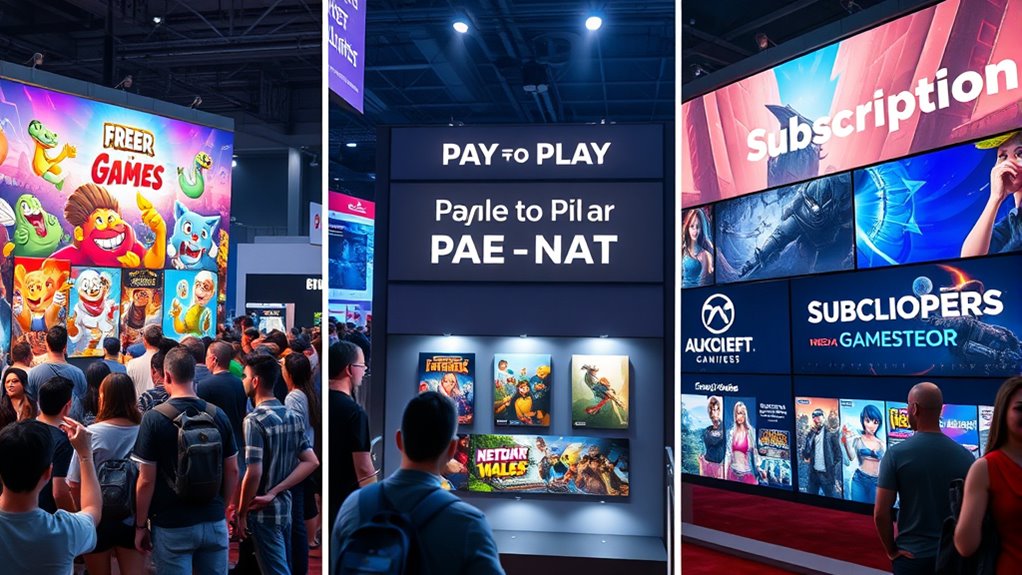
Free-to-play models can considerably boost revenue streams for developers and publishers by attracting a large user base without upfront costs. This approach allows you to explore diverse monetization strategies, such as: 1. Microtransactions—offering optional in-game purchases, though they can spark microtransaction controversies. 2. Advertising revenue—displaying ads to free players, increasing income without charging upfront. 3. Content expansions—selling downloadable content or premium features to dedicated players. This revenue diversification reduces reliance on single income sources, making your business more resilient. It also encourages ongoing engagement, leading to more opportunities for monetization. While Microtransactions can be contentious, they remain a crucial part of maximizing profits within the free-to-play model. Additionally, understanding the impact of player engagement and culturally sensitive monetization practices can help maintain a positive reputation and foster long-term loyalty. Implementing transparent fee structures can further enhance trust with your user base and ensure sustainable growth. Leveraging game design principles that balance monetization with user experience can help prevent player fatigue and promote a healthy community, especially by considering filtration efficiency as a key aspect of maintaining a safe and enjoyable environment.
Player Engagement and Retention Strategies
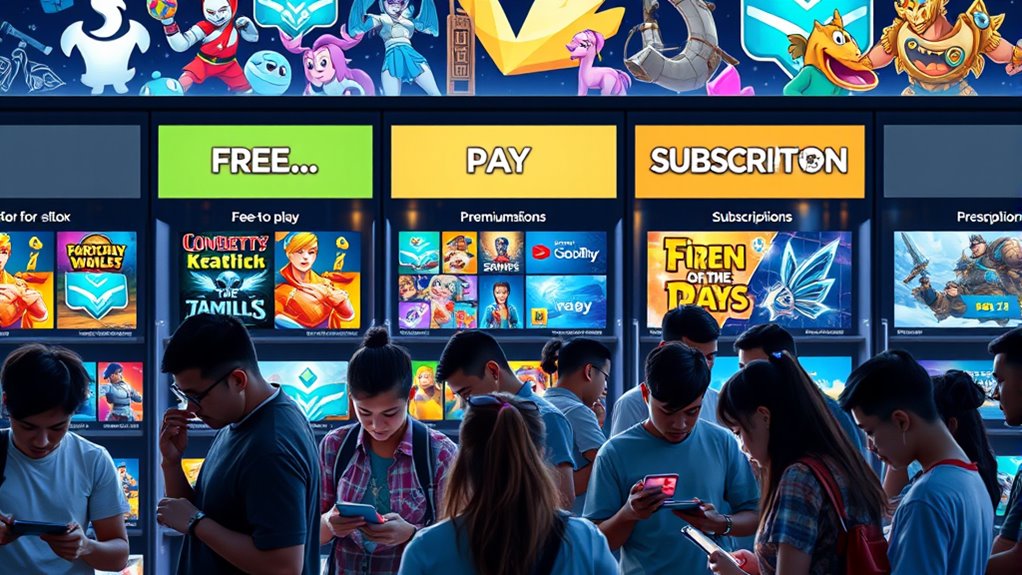
Maximizing revenue through monetization strategies is important, but keeping players engaged and returning regularly is equally essential for long-term success. To do this, you need effective engagement and retention strategies. Focus on microtransactions carefully, as microtransaction controversies can alienate players if they feel exploited or pressured. Offering meaningful content and regular updates keeps players interested over time. Additionally, demographic targeting helps tailor experiences to different player groups, increasing the chances of retention. Personalization, rewarding loyalty, and creating social communities foster a sense of belonging. These tactics not only sustain engagement but also encourage players to spend more without feeling forced. Furthermore, understanding the importance of player engagement ensures you can develop strategies that resonate with your audience and foster long-term loyalty. Incorporating cultural influences in game design can also enhance player connection by reflecting diverse narratives and aesthetics, making experiences more relatable and inclusive. Staying aware of global chaos, such as outages and disruptions, can help developers plan for contingencies that minimize downtime and maintain player trust. Recognizing the role of AI ethicist jobs in gaming development can guide the implementation of ethical AI practices, fostering trust among players. Additionally, drawing inspiration from various celebrity success stories can provide insights into personal branding and audience engagement, which are crucial for maintaining a dedicated player base. Ultimately, balancing monetization with genuine player value builds loyalty, ensuring your game remains relevant and profitable for the long haul.
Challenges and Criticisms of Each Monetization Method

You might notice frustrations with paywalls that limit access or slow progress, making players feel locked out. Balancing monetization with enjoyable gameplay can be tricky, risking alienating your audience if done poorly. Ethical concerns also arise around fairness, especially when some methods seem to prioritize profit over player experience. Incorporating transparent communication about monetization strategies can help build trust and understanding with players. Additionally, clear explanations of monetization methods can alleviate confusion and foster a more positive perception of the game’s business model. Recognizing the importance of player feedback can also guide developers in creating a balanced approach that respects the gaming community’s expectations.
Paywall Frustrations Rise
As monetization strategies become more prevalent, players increasingly encounter paywalls that can hinder their gaming experience. These barriers often spark frustration, especially when they limit access to core content. Here are three key issues:
- The microtransactions controversy fuels complaints about paywalls that push players to spend more for basic features.
- Paywalls can interrupt gameplay flow, forcing you to wait or pay to progress, which hampers immersion.
- Games relying on ad-supported revenue often implement paywalls to unveil ad-free experiences, frustrating players who feel forced into additional spending.
These frustrations highlight how paywalls, while generating revenue, sometimes alienate players and diminish enjoyment. Balancing monetization with a seamless experience remains a challenge for developers, affecting overall game satisfaction.
Balance of Monetization and Playability
Balancing monetization strategies with maintaining a smooth, enjoyable gaming experience presents significant challenges for developers. Too many microtransactions can frustrate players and raise microtransaction ethics concerns, while aggressive ad-supported models risk disrupting gameplay. Developers must find a delicate balance to avoid alienating players or promoting pay-to-win environments. Here’s a quick comparison:
| Method | Challenge | Criticism |
|---|---|---|
| Free-To-Play | Overuse of microtransactions | Pay-to-win perceptions |
| Pay-To-Play | High upfront cost | Limited accessibility |
| Subscription | Ongoing cost discourages some players | Balancing value with cost |
| Ad Supported Models | Interruptions and intrusive ads | Diminished user experience |
Ethical Concerns and Fairness
Each monetization strategy raises distinct ethical concerns and questions of fairness that can impact player trust and satisfaction. In game ethics, players often worry about hidden costs or pay-to-win mechanics. Consider these issues:
- *Pay-to-Win Incentives*: Pay-to-play or free-to-play models sometimes favor paying players, creating unfair advantages.
- *Predatory Monetization*: Microtransactions can encourage addictive behaviors, exploiting vulnerable players.
- *Content Accessibility*: Subscription models may restrict content based on payment, raising questions of fairness in access.
- Additionally, the use of vetted wave and wind data in game design can influence the realism and fairness of simulation-based games.
These concerns highlight the importance of transparent in game ethics and monetization fairness. Developers must carefully balance profitability with fairness to ensure players feel respected and valued, rather than exploited. Failing to do so damages trust and long-term engagement.
Impact on Game Quality and Content Delivery
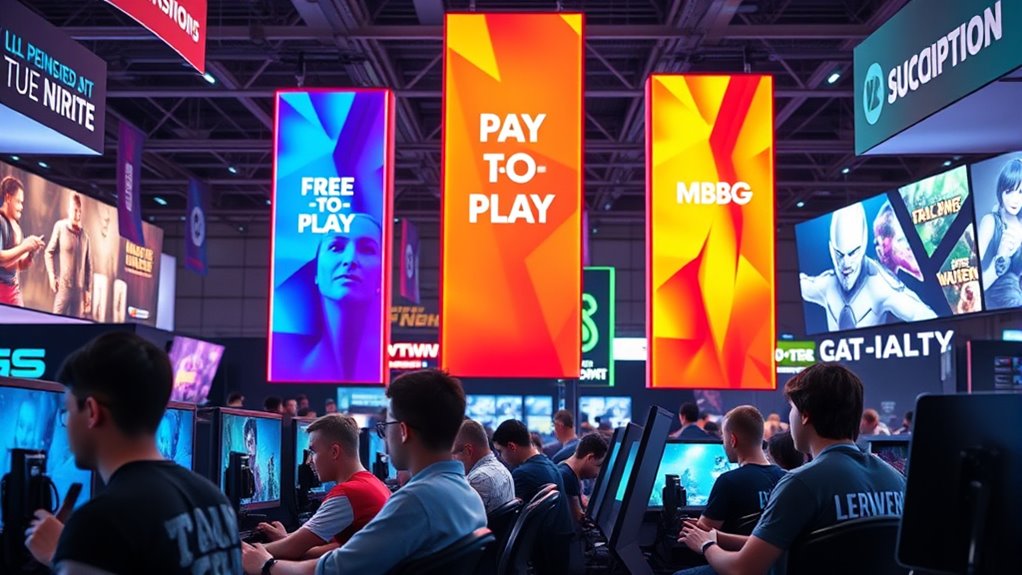
The way a game is monetized considerably influences its quality and how content is delivered to players. In free-to-play models, developers often prioritize engaging design to maximize player psychology and encourage spending, which can lead to frequent updates and added content. However, this focus might sometimes result in paywalls or grind-heavy experiences that compromise game balance and quality. Conversely, pay-to-play or subscription games tend to emphasize a more polished, complete experience, since revenue relies on upfront or recurring payments. While this can improve overall content quality, it may limit ongoing updates or new features. Additionally, content updates are often tailored to encourage continued player engagement and spending. The use of Suprem fabric in promotional or merchandise content could serve as a metaphor for the importance of quality and durability, emphasizing how long-lasting content and well-designed monetization strategies impact player satisfaction. Ultimately, monetization ethics shape the balance between quality, content delivery, and player satisfaction, impacting your gaming experience long-term.
Future Trends in Gaming Monetization

As gaming companies continue to explore new ways to monetize their titles, innovative models are emerging that could reshape the industry. You’ll see a focus on advanced microtransaction strategies, like offering personalized content and seamless in-game purchases. Virtual economy management will become more sophisticated, balancing player engagement with monetization without disrupting gameplay. Here are three key trends to watch:
- Dynamic pricing models that adapt to player behavior and spending habits.
- Integration of blockchain and NFTs for unique digital assets and ownership.
- Hybrid monetization approaches combining free access with optional premium content.
- Incorporating outdoor kitchen concepts into game environments could open new avenues for themed in-game spaces and immersive experiences.
These developments aim to create more engaging, flexible experiences while maximizing revenue. Staying ahead involves understanding how these trends can influence your favorite games and your spending choices.
Choosing the Right Model for Different Types of Games
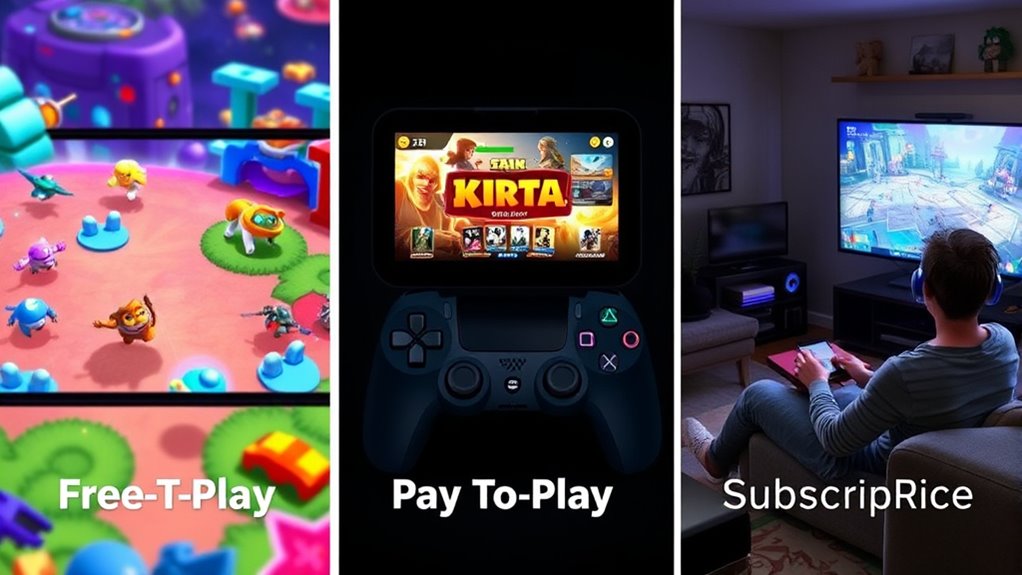
Choosing the right monetization model depends heavily on the type of game you’re developing and the experience you want to deliver. For casual or mobile games, free-to-play with microtransactions often works best, but be aware of microtransactions controversies that can alienate players if not handled ethically. If your game targets a dedicated community or offers a premium experience, a pay-to-play or subscription model might be more appropriate. Demographic targeting plays an indispensable role—you’ll need to consider age, spending habits, and preferences to choose the most effective model. For example, younger audiences might respond better to free models with optional purchases, while core gamers may prefer upfront payments or subscriptions for a complete experience. Tailoring your approach ensures profitability and player satisfaction. Incorporating content quality and authority into your game’s narrative and design can also enhance user engagement and trust. Additionally, observing successful eco-friendly accommodations and sustainable travel practices can inspire ethical monetization strategies that prioritize long-term player relationships over short-term gains. Furthermore, understanding player psychology can help you craft monetization strategies that are both effective and respectful of your audience.
Frequently Asked Questions
How Do Monetization Models Influence Game Community Culture?
Your chosen monetization model directly shapes player behavior and community engagement. Free-to-play games often encourage players to spend more over time, fostering a competitive or social atmosphere. Pay-to-play or subscription models tend to promote more dedicated communities with focused interactions. These models influence how players interact, form alliances, or compete, ultimately shaping the overall culture within the game and affecting long-term community cohesion.
What Are the Legal Implications of In-Game Microtransactions?
When you buy in-game microtransactions, you could face legal issues related to digital rights and consumer protection. For example, if a game company falsely advertises that purchases are permanent but later removes items, you might have legal recourse. Laws vary by region, but they aim to protect your rights, ensuring transparency and fairness. Always review the terms and conditions to understand your rights regarding microtransactions.
How Do Regional Markets Affect Monetization Strategy Choices?
You should tailor your monetization strategy based on regional preferences and market segmentation. For example, in regions where players prefer free content, a free-to-play model with microtransactions works best. Conversely, in markets with higher disposable income, subscription or pay-to-play options may be more effective. Understanding local tastes helps optimize revenue, ensuring your game appeals to diverse audiences and maximizes monetization potential across different regional markets.
What Role Do Player Feedback and Surveys Play in Model Selection?
Like an artist refining their masterpiece, you rely on player feedback and survey insights to choose the right monetization model. These tools act as your compass, revealing what players value most. By listening carefully, you can adapt your approach, whether shifting toward free-to-play or subscriptions, ensuring your game resonates. Feedback guides your decisions, helping you balance monetization with player satisfaction, much like a sculptor chiseling to reveal the true form.
How Do Emerging Technologies Like Blockchain Impact Monetization Options?
Emerging technologies like blockchain substantially impact monetization options by enabling cryptocurrency integration, which allows you to accept various digital currencies for in-game purchases. Smart contract enforcement ensures transparent, automatic transactions, reducing fraud and building player trust. These innovations open new revenue streams, giving you flexible monetization methods while enhancing security and player engagement. As a result, blockchain’s influence makes your game more adaptable to modern financial trends and player preferences.
Conclusion
As you explore game monetization, you’ll notice free-to-play titles attract more players, much like a busy marketplace, while pay-to-play games feel exclusive, like a boutique. Subscription models resemble club memberships, offering steady revenue. Each approach has pros and cons, shaping game quality and player experience. Ultimately, choosing the right model depends on your game’s nature and audience. Think of it as selecting the best tool to craft an engaging, sustainable gaming experience.