Your console can last around 5 to 8 years with proper maintenance, such as cleaning dust and ensuring good ventilation. Signs of aging include slow performance, crashes, or overheating. Regular software updates and hardware upgrades can extend its life. Hardware quality and careful handling also matter. Knowing these factors helps you plan upgrades or repairs. Stay tuned to learn how to keep your console performing at its best and when to contemplate replacing it.
Key Takeaways
- Typical console support lasts 5 to 8 years post-release, with hardware warranties covering 1 to 3 years.
- Proper maintenance, dust removal, and ventilation can extend a console’s lifespan beyond initial expectations.
- Signs of aging include slower performance, crashes, noise, and longer load times, indicating potential need for upgrades or replacement.
- Hardware advancements and modular upgrades can prolong usability and delay the necessity for a full console replacement.
- Future trends focus on durable, modular designs, cloud integration, and innovations to support long-term console longevity.

Anti Static Brush Set-5 Piece Keyboard Cleaning Brush and ESD Safe Electronic Dust Cleaning Brushes Kit for Computer,Laptop,Camera,Car Vents,PC Cleaning
[Anti-Static & ESD Safe for Electronics]This anti static brush set is engineered with premium materials that generate zero…
As an affiliate, we earn on qualifying purchases.
As an affiliate, we earn on qualifying purchases.
Factors That Affect Console Durability
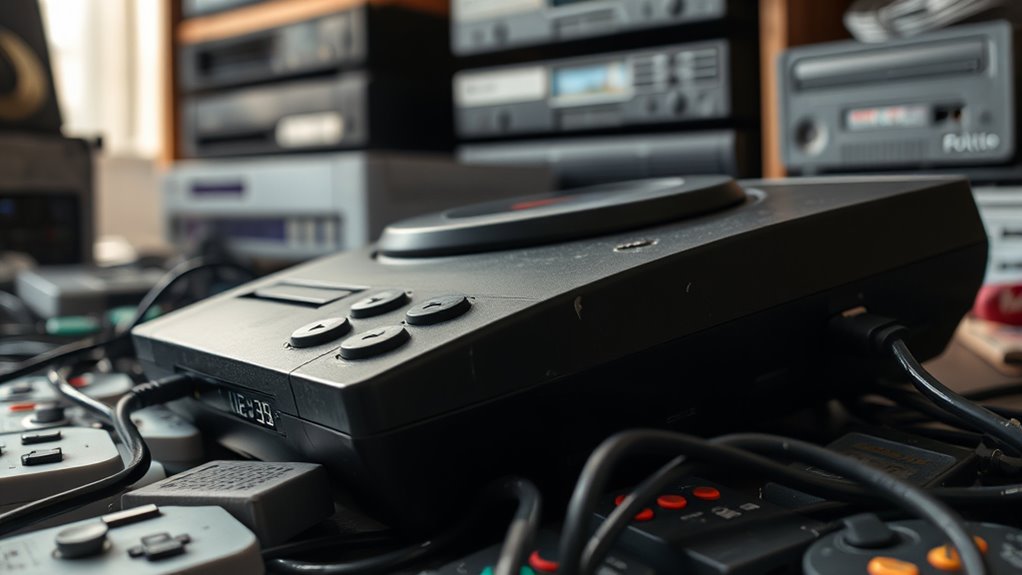
The durability of a gaming console depends largely on several key factors that influence how long it lasts and performs well. One major aspect is user maintenance; keeping your console clean and free of dust prevents overheating and internal damage. Using the right gaming accessories, like protective cases or cooling fans, also helps safeguard your device during intense gaming sessions. Proper ventilation is essential—avoid placing your console in cramped spaces or near heat sources. Regularly inspecting and replacing worn-out cables or accessories prevents unnecessary strain on ports and internal components. Additionally, handling your console carefully and avoiding sudden impacts or drops can extend its lifespan. Implementing preventative maintenance routines can further enhance your console’s longevity and performance. Ensuring your gaming environment has good airflow can significantly reduce internal heat buildup, which is crucial for device health. It’s also beneficial to monitor your console’s thermal performance to detect overheating issues early. Ultimately, taking proactive steps with user maintenance and choosing quality gaming accessories makes a significant difference in how long your console stays in top shape. For added peace of mind, consider implementing reliable backup power solutions, which can protect your device during power fluctuations or outages. Being aware of console lifespan expectations can help you plan for upgrades or replacements before issues arise.

KIWIHOME Cooling Fan for PS5 Accessories, Upgraded Quiet Cooler Fan with Auto Speed, Controller USB3.0 Port & LED for PS5 2020 Only, Not for PlayStation 5 Slim/Pro, White
【Compatibility Notice】Please confirm your console model before ordering. This cooling fan is designed for 2020 PS5 Disc &…
As an affiliate, we earn on qualifying purchases.
As an affiliate, we earn on qualifying purchases.
Expected Lifespan of Major Console Brands
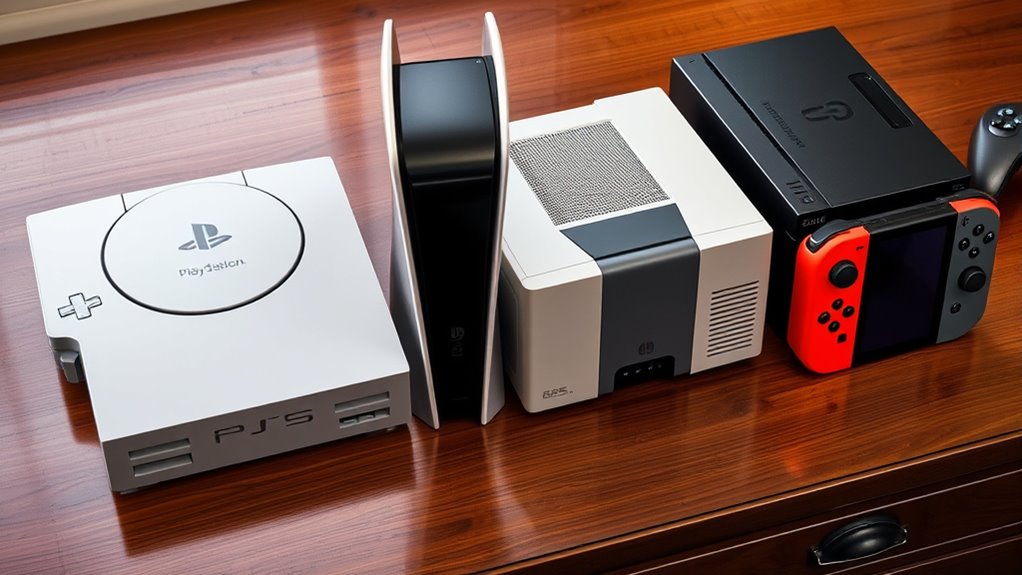
You probably wonder how long major console brands last on average. Typically, these consoles stay functional for around 5 to 8 years, but this can vary based on several factors. Understanding what influences their durability helps you anticipate when upgrades or replacements might be needed. Regular maintenance and awareness of console support can extend the lifespan of your device. Additionally, advancements in technology can influence the longevity of consoles, as newer hardware often offers better performance and durability. Proper care and dust management can also play a crucial role in maintaining optimal performance over time. Moreover, incorporating energy-efficient hardware can contribute to longer-lasting devices by reducing wear caused by overheating and power fluctuations. Staying informed about console longevity trends can help you plan your gaming setup and avoid unexpected failures.
Typical Lifespan Estimates
Major console brands typically remain supported and relevant for about 5 to 8 years after their initial release. During this time, you can expect most consoles to handle everyday use without major issues, though some components may require console repair over time. Manufacturers usually provide warranty coverage that lasts around 1 to 3 years, helping you address defects or hardware failures early on. After the warranty expires, you might need to contemplate third-party repair services or replacement options. While consoles can often last beyond the official support period, their performance and compatibility with new games may decline. Planning for eventual upgrades ensures you stay current, but understanding these typical lifespan estimates helps you make informed decisions on maintenance and support.
Factors Influencing Durability
While typical lifespan estimates give a general idea of how long consoles last, several factors can considerably influence their actual durability. Your console’s environment, usage frequency, and handling play significant roles. Regularly experiencing overheating or dust buildup can lead to hardware issues, increasing the need for console repair. Additionally, warranty coverage is vital; a strong warranty can save you money if components fail prematurely. Proper maintenance, like keeping vents clean and avoiding power surges, extends your console’s life. The quality of manufacturing also matters—some brands are more reliable than others. Understanding decoding slang and informal language can also help you better interpret troubleshooting guides and user reviews. Ultimately, understanding these factors helps you take better care of your console, potentially prolonging its lifespan and reducing repair costs, ensuring you get the most value out of your investment.

MAHANCRIS 4-Tier AV Media Stand with Power Outlet & LED Lights, Game Console Shelf with Side Storage Bag, Corner Stereo Stand Rack Audio Tower for Small Video DVD Players Boxes, Rustic Brown MSHR01E01
Four-Tier Media Shelf: This four-tier open-style multi-functional media shelf can store various audio-visual entertainment devices such as small…
As an affiliate, we earn on qualifying purchases.
As an affiliate, we earn on qualifying purchases.
Signs Your Console Might Be Nearing the End of Its Life
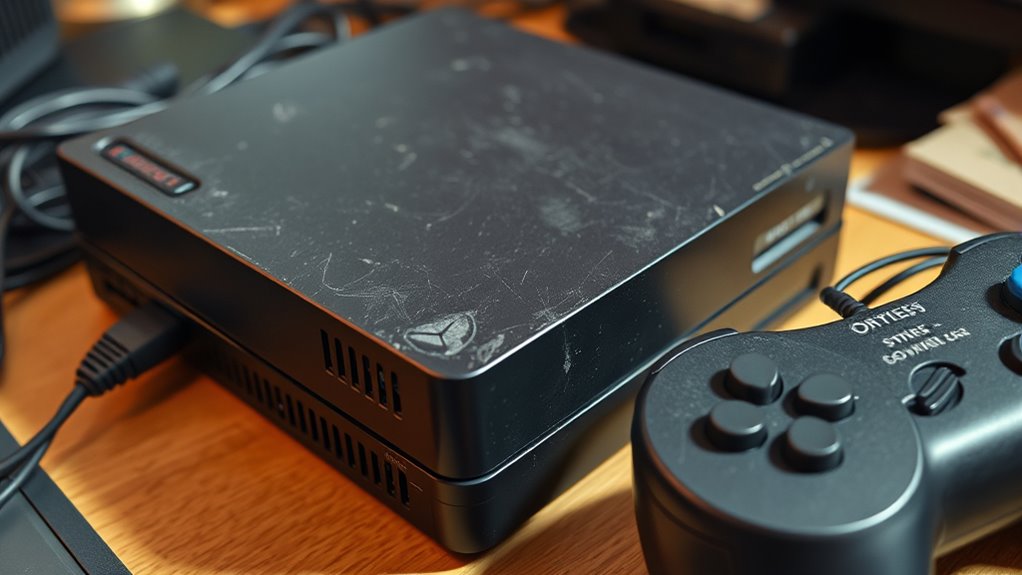
If your console starts running slower or experiencing frequent glitches, it could be a sign of aging hardware. You might also notice an increase in noise from the vents or fans, indicating components are working harder than usual. These issues suggest your console may be nearing the end of its lifespan. Regular maintenance and understanding console lifespan can help you better monitor and care for your gaming setup. Additionally, staying aware of hardware deterioration signs can help you anticipate potential failures before they occur. Being familiar with vacuum features to consider, such as noise levels and maintenance needs, can also provide insights into device longevity. Moreover, understanding console support policies can inform you about available repairs or upgrades to extend your device’s usability.
Performance Issues and Glitches
Over time, your console may start to slow down or behave unpredictably, signaling that it’s nearing the end of its lifespan. You might notice persistent performance issues or recurring software glitches that disrupt gameplay. These problems often indicate aging hardware or outdated software components struggling to keep up. Watch out for:
- Longer load times and lag during gameplay
- Frequent crashes or freezes
- Inconsistent controller responses or visual glitches
- Hardware deterioration that worsens with continued use
Such issues can be frustrating and may worsen over time, making your gaming experience less enjoyable. While some glitches can be fixed with software updates or resets, persistent problems often suggest your console’s hardware is wearing out. Recognizing these signs early can help you decide whether it’s time for repairs or a replacement. Additionally, understanding console lifespan can offer insights into when a device might need replacement or upgrade, especially as hardware aging impacts performance over years of use. Regular maintenance and awareness of performance decline can extend your console’s usability and help you plan for future upgrades.
Increasing Hardware Noise
As your console starts to show signs of aging through performance issues and glitches, you might also notice an increase in the noise it produces during operation. This rising noise level often indicates that internal components like fans or cooling systems are working harder, possibly due to dust buildup or aging hardware. While hardware upgrades such as replacing fans can help with noise reduction, persistent loud operation may signal that your console is nearing the end of its lifespan. Excessive noise not only affects your gaming experience but can also point to overheating risks. If cleaning or minor upgrades don’t help reduce the noise, it might be time to contemplate replacing or servicing your console to guarantee optimal performance and longevity. Additionally, understanding connected gaming technology can help you make more informed decisions about upgrades and maintenance, including recognizing when your console might require professional servicing or replacement. Being aware of typical console lifespans can help set realistic expectations and ensure you’re prepared for potential hardware replacements.
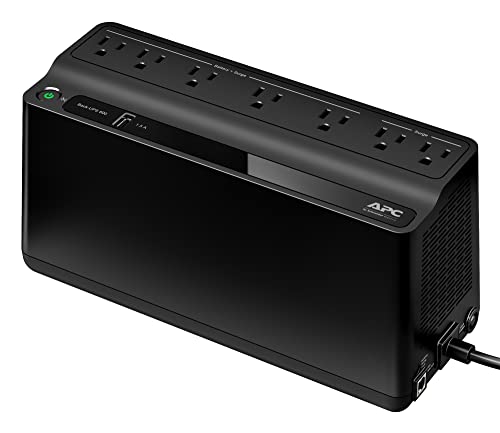
APC UPS 600VA / 330W UPS Battery Backup & Surge Protector, 7 Outlets (NEMA 5-15R), USB Charging Port, BE600M1 Uninterruptible Power Supply for Computers, Wi-Fi Routers, and Home Office Electronics
600VA / 330W RELIABLE BACKUP POWER: Supplies short‑term battery power during outages to maintain internet connectivity and allow…
As an affiliate, we earn on qualifying purchases.
As an affiliate, we earn on qualifying purchases.
How Software Support Extends or Limits a Console’s Usefulness
Software support plays a crucial role in determining how long a gaming console remains useful. When companies update firmware, offer new features, or patch security issues, your console’s lifespan can extend considerably. Conversely, limited or no ongoing support can make even a powerful console feel outdated. Digital distribution allows you to access new games and updates without physical media, keeping your library current. However, if a console stops supporting digital storefronts or online services, your options shrink. Additionally, game developers may stop releasing new titles for older hardware, limiting your game choices. This support cycle directly influences whether your console stays relevant or becomes obsolete, emphasizing the importance of ongoing software updates and platform support for long-term use.
The Impact of Hardware Improvements on Longevity
Hardware improvements can markedly extend a console’s lifespan by enhancing performance, graphics, and overall capabilities. By investing in hardware upgrades or compatible gaming accessories, you can improve your gaming experience without needing a new console. Upgrading components like storage or cooling systems can prevent overheating and reduce wear, prolonging device life. External accessories, such as enhanced controllers or improved audio systems, can also boost your enjoyment and make your console feel more current. These improvements help your console keep pace with evolving game requirements and technological advances, delaying the need for replacement. Additionally, understanding safe installation practices can ensure that upgrades are done correctly and without damaging your device. Proper maintenance routines can further prevent issues and extend your console’s usability over time. However, keep in mind that not all hardware upgrades are compatible or feasible for every console. Thoughtful enhancements can help your system stay relevant longer, maximizing your investment and gaming enjoyment.
Maintenance Tips to Prolong Your Console’s Functionality
Maintaining your console properly can considerably extend its lifespan and keep it running smoothly. Regular care reduces the risk of hardware issues that might require console repair and helps guarantee you stay within warranty coverage. Keep vents clear to prevent overheating, which can damage internal components. Use compressed air to remove dust from fans and ports, and avoid exposing your console to extreme temperatures or moisture. Additionally, regularly update your system software to fix bugs and improve stability, reducing the chance of crashes or hardware stress. Consider investing in protective accessories like dust covers or stands. These simple steps can save you money and frustration by extending your console’s life and maintaining superior performance. Proper maintenance is key to enjoying your gaming experience for years.
Common Hardware Failures and How to Prevent Them
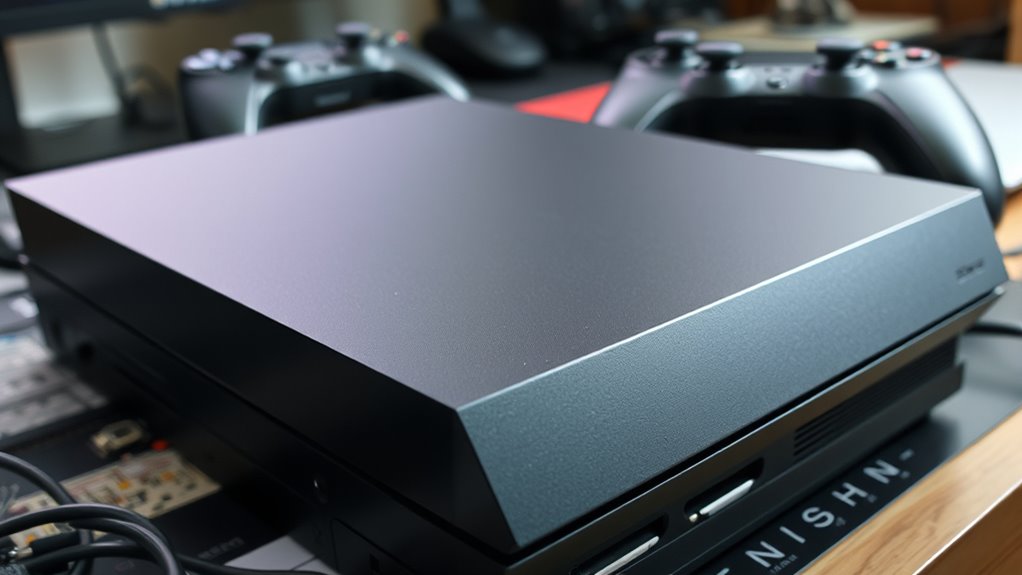
Many common hardware failures can be prevented with proper care and attention. Overheating, dust buildup, and power surges are typical issues that damage internal components. To minimize risks, keep your console in a cool, well-ventilated space, regularly clean dust from vents, and use surge protectors. Upgrading hardware, like cooling fans or replacing thermal paste, can extend your console’s lifespan. Remember, warranty coverage can help repair or replace faulty parts if issues arise early. Here’s a visual to guide you:
| Failure Type | Prevention Strategy | Impact on Console |
|---|---|---|
| Overheating | Keep vents clear, improve airflow | Shortened component life |
| Dust accumulation | Regular cleaning, filters | Reduced performance |
| Power surges | Use surge protectors | Hardware failures |
| Firmware issues | Keep software updated | System instability |
| Physical damage | Handle with care, avoid drops | Potential complete failure |
When to Consider Upgrading Your Gaming System
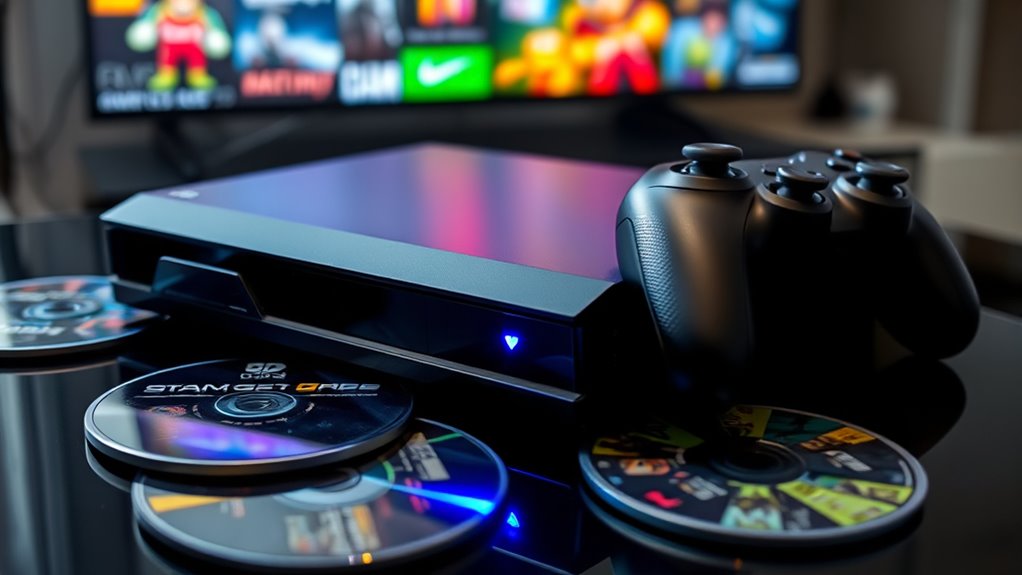
If your games start running slowly or freezing, it’s a clear sign your console’s performance is declining. When new releases no longer support your system, it might be time to contemplate upgrading. Recognizing these indicators helps you enjoy smoother gameplay and access the latest titles.
Performance Decline Indicators
As games become more demanding, signs of performance decline can quickly become noticeable, signaling it’s time to contemplate upgrading your gaming system. You might notice longer load times, frequent crashes, or lag during gameplay. Hardware overheating can cause your console to throttle performance or shut down unexpectedly, indicating it’s struggling to keep up. Additionally, software compatibility issues may arise, preventing you from playing the latest titles or updates smoothly. Keep an eye out for these indicators:
- Increased heat and noise from the console
- Frequent frame rate drops or stuttering
- Incompatibility with new game features or updates
These signs suggest your system is reaching its limits, and upgrading could enhance your gaming experience. Addressing hardware overheating and compatibility issues early can extend your console’s lifespan.
New Game Compatibility
Ever notice that some new games just won’t run smoothly on your current console? If the game’s graphics look less detailed or stutter during intense scenes, it might be time to contemplate an upgrade. Modern titles often demand more processing power, requiring newer hardware to fully enjoy the visuals and smooth gameplay. Additionally, controller ergonomics evolve with new consoles, offering better comfort and precision, which can enhance your gaming experience. If you find yourself struggling with outdated controllers or missing features, upgrading can make a significant difference. When new releases showcase advanced game graphics and refined controller designs that your current system can’t support, it’s a clear sign that your console’s compatibility is waning. Upgrading ensures you stay current and fully immersed in the latest gaming innovations.
The Role of Firmware Updates in Console Longevity
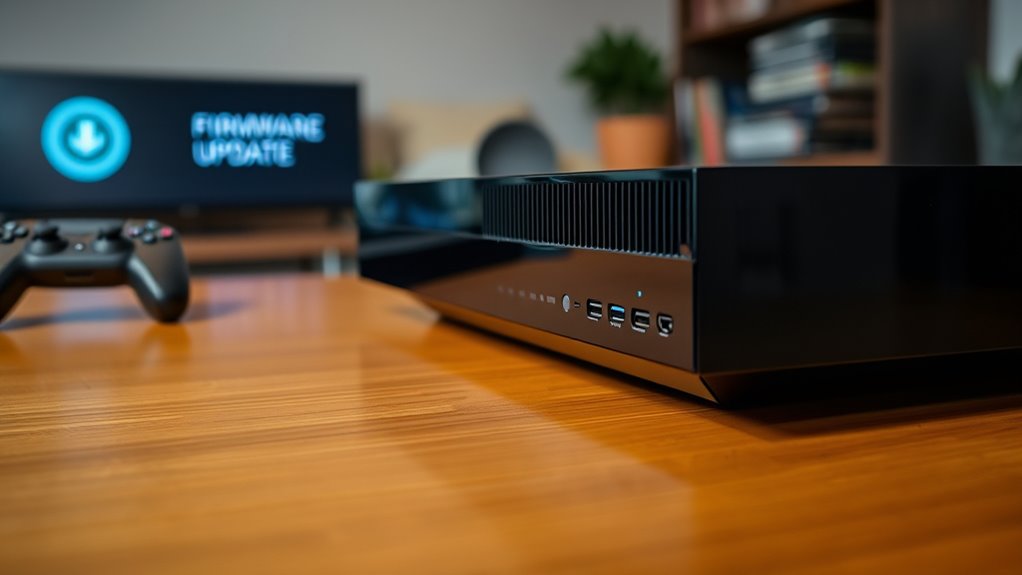
Firmware updates play an essential role in extending a console’s lifespan by fixing bugs, improving performance, and adding new features. Regular updates guarantee your device stays secure and compatible with the latest software patches, preventing obsolescence. These updates can optimize hardware efficiency, fix security vulnerabilities, and enhance user experience.
Key benefits include:
- Keeping your console compatible with current and future games
- Addressing security issues through timely software patches
- Improving system stability and performance
Future Trends in Console Technology and Longevity
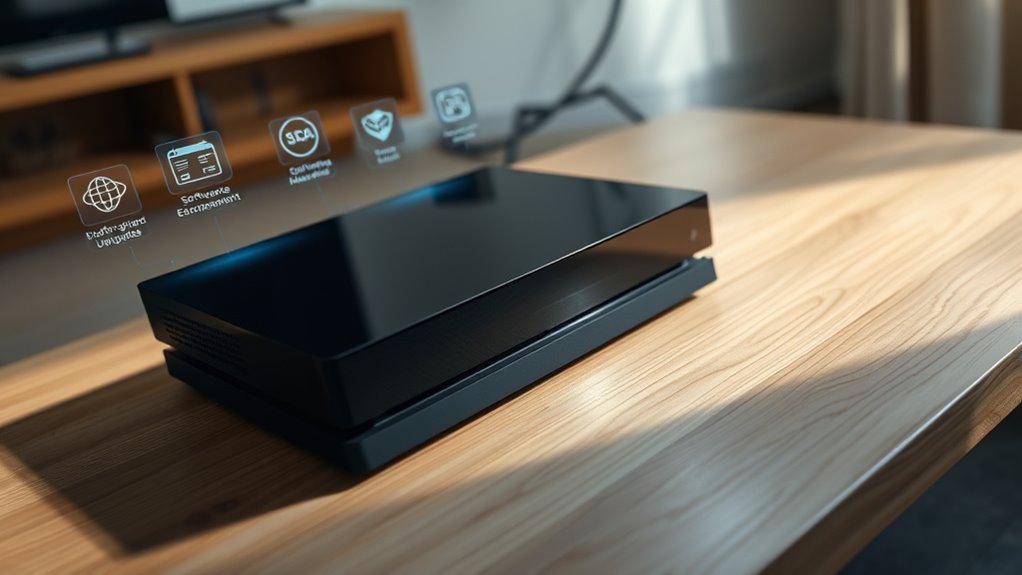
Future trends in console technology are poised to considerably enhance device longevity through advancements like modular designs, cloud integration, and improved hardware durability. Modular consoles allow you to upgrade components such as graphics cards or storage, extending lifespan without replacing the entire system. Cloud gaming reduces reliance on hardware power, letting you access high-quality games via the internet, which lessens wear and tear on your device. Virtual reality technology is evolving rapidly, offering immersive experiences that may require more durable hardware, but future improvements aim to make VR setups more reliable and longer-lasting. Overall, these innovations are set to make consoles more adaptable, resilient, and capable of supporting gaming demands for years to come.
Frequently Asked Questions
Can a Console’s Lifespan Vary Based on Gaming Habits?
Yes, your console’s lifespan can vary based on your gaming frequency and hardware upgrades. If you play daily or push the hardware with demanding games, it may wear out faster. Regularly upgrading or maintaining your console can extend its life. Conversely, lighter gaming habits might help your console last longer. Being mindful of hardware stress and optimizing your gaming routine can make a noticeable difference in your console’s longevity.
Do Regional Climate Conditions Affect Console Longevity?
Regional climate conditions can impact your console’s longevity. High temperatures and humidity may cause climate-related corrosion, leading to internal damage over time. Extreme regional temperature effects can accelerate wear on electronic components, reducing lifespan. To protect your console, keep it in a cool, dry place, and avoid exposing it to direct sunlight or moisture. Proper ventilation and climate control help minimize these risks and extend your console’s lifespan.
How Do Third-Party Accessories Impact Console Durability?
Third-party accessories can be a double-edged sword for your console’s durability. While they might enhance your gaming experience, poor-quality or incompatible hardware can cause wear and tear, like a thorn in your side. Always check for proper hardware compatibility and opt for reputable brands. Using reliable third-party accessories helps prevent damage, ensuring your console stays in top shape and your gaming sessions remain smooth as silk.
Are There Specific Warranties That Cover Long-Term Hardware Failure?
Yes, there are specific warranties that cover long-term hardware failure. Manufacturer warranties typically last one year, but you can opt for extended coverage for additional protection. These warranties often include repairs or replacements if your console experiences hardware issues beyond the standard period. To guarantee you’re covered, review the warranty details carefully and consider purchasing extended coverage, especially if you want peace of mind for the long-term durability of your console.
Will Future Console Models Make Current Ones Obsolete Faster?
Future console models will likely accelerate your current console’s obsolescence, as tech advances and upgrade cycles shorten. You might feel the urge to upgrade sooner, risking hardware obsolescence and missing out on the latest features. Stay alert, because manufacturers often introduce newer models faster, making your existing device seem outdated. To maximize your investment, consider how upcoming releases could impact your current console’s relevance and lifespan.
Conclusion
Your console is like a trusty steed; with proper care and timely updates, it can carry you through countless adventures. Keep an eye on signs of wear, stay current with software support, and consider hardware upgrades when needed. By doing so, you’ll extend your console’s life and keep the gaming journey alive. Remember, a well-maintained console is your ticket to endless worlds waiting to be explored.