
Pro gamers train by sticking to strict daily routines that focus on refining skills, analyzing gameplay data, and strengthening mental and physical health. You’ll practice consistently, review performance metrics, and engage in reaction drills and team communication exercises. They also use advanced tools like high-quality peripherals and optimized setups to gain an edge. Stay committed, and you’ll discover how these techniques can elevate your game to professional levels if you keep exploring further.
Key Takeaways
- Pro gamers establish disciplined daily routines focusing on skill refinement, analysis, and strategic drills tailored to upcoming tournaments.
- They utilize detailed gameplay metrics and video review to identify weaknesses and track progress over time.
- Physical and mental conditioning, including reaction exercises, nutrition, and mindfulness, are integral to maintaining peak performance.
- Team communication drills and coordinated practice improve synergy, decision-making, and in-game adaptability under pressure.
- High-end gaming setups with optimized hardware, peripherals, and ergonomic arrangements minimize lag, fatigue, and distractions during practice.

Wired PC Gaming Mouse: High Precision Sensor,RGB Backlit, Adjustable DPI, 7 Buttons Programmable,Ergonomic mice for Office & Gaming on Windows/Mac/Linux/Chrome-Black
【E-sports level RGB light effect system】 360° surround streamer overflow light effect changes with the rhythm of the…
As an affiliate, we earn on qualifying purchases.
As an affiliate, we earn on qualifying purchases.
Daily Practice Routines and Scheduling
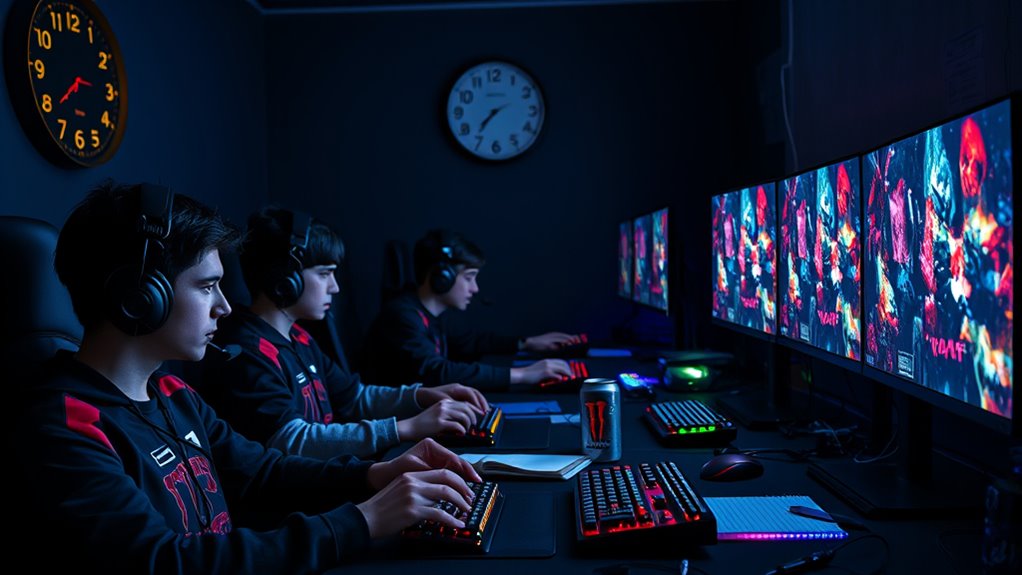
Establishing a consistent daily practice routine is essential for improving your skills and maintaining peak performance. You should dedicate specific blocks of time to refining your understanding of video game mechanics, which form the foundation of your gameplay. You can also analyze your gameplay recordings to identify areas for improvement and reinforce your strengths. Consistent practice helps you develop muscle memory, reaction time, and strategic decision-making. Scheduling your practice sessions around your team’s goals and upcoming tournaments ensures steady progress. As you improve, your performance can attract sponsorship deals, which often depend on your dedication and skill level. By sticking to a routine, you demonstrate professionalism and commitment, making you more appealing to potential sponsors. Additionally, incorporating free floating elements into your practice can help simulate real-game scenarios and improve adaptability. Understanding the history of pinball machines can sometimes inspire creative approaches to game mechanics and strategy. Recognizing the importance of contrast ratio in visual clarity can also help in optimizing your gaming setup for better focus and immersion. Moreover, staying informed about energy-efficient technology in gaming hardware can contribute to sustainable practice environments. Regular maintenance routines, such as using the right filtration and pump protection, can prevent equipment malfunctions and ensure consistent performance during practice sessions. Remember, disciplined daily practice not only sharpens your gameplay but also enhances your reputation in the esports community.

Ycloroet Zero-Gravity Gaming & Office Chair with Dual Monitor Arm, Mobile Reclining Workstation for Home Office and Ergonomic Gaming Setup
Dual-Screen Workstation: Robotic arms hold two 27" monitors stable at any angle. Perfect for gaming, coding, and multitasking.
As an affiliate, we earn on qualifying purchases.
As an affiliate, we earn on qualifying purchases.
Analyzing Gameplay and Performance Metrics
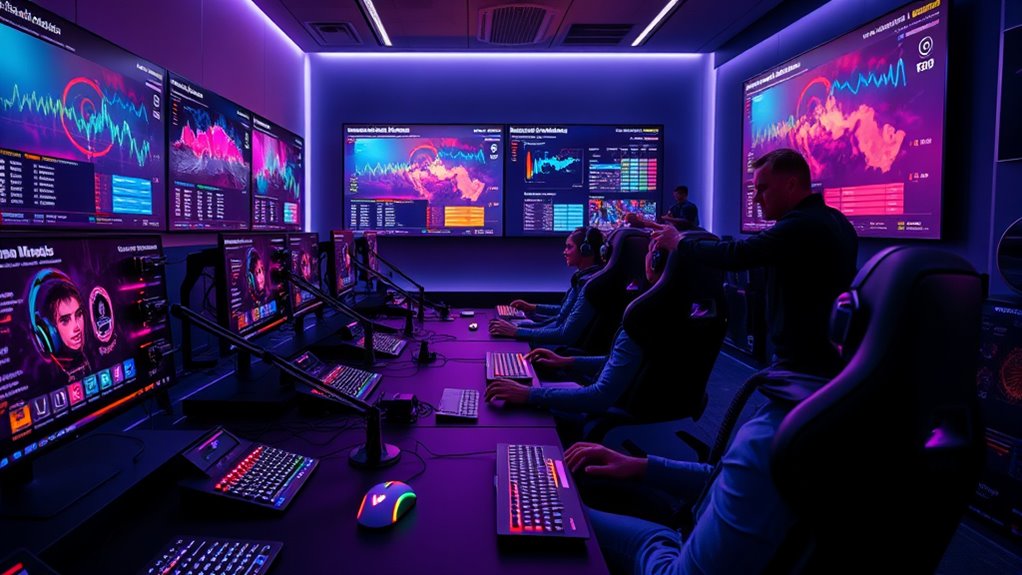
To improve your gameplay, analyzing performance metrics is essential because it provides objective insights into your strengths and weaknesses. Performance analytics help you identify patterns and pinpoint areas needing improvement, guiding your practice sessions more effectively. By reviewing data such as kill/death ratios, accuracy, reaction times, and decision-making efficiency, you can assess your skill level with precision. Skill assessment through detailed metrics allows you to set targeted goals and track progress over time. This process transforms subjective observations into concrete evidence, making your practice more efficient. Regularly analyzing gameplay ensures you stay aware of your development and focus on specific aspects that can elevate your performance in competitive scenarios. Additionally, understanding the Yarn for Scarves can help gamers incorporate comfortable, ergonomic accessories into their gaming space, enhancing overall comfort during long practice sessions.
Integrating performance metrics into your routine can also motivate you by highlighting tangible improvements and areas for growth.

PSI Science Lamp — Experience True Randomness in Real Time, Explore Focus & Intention, and Visualize Unpredictability — Free Downloadable Software & USB Cable – Made in The USA
Experience real randomness instead of simulated patterns You see genuine unpredictability unfold in real time. Each color change…
As an affiliate, we earn on qualifying purchases.
As an affiliate, we earn on qualifying purchases.
Physical and Mental Conditioning Strategies
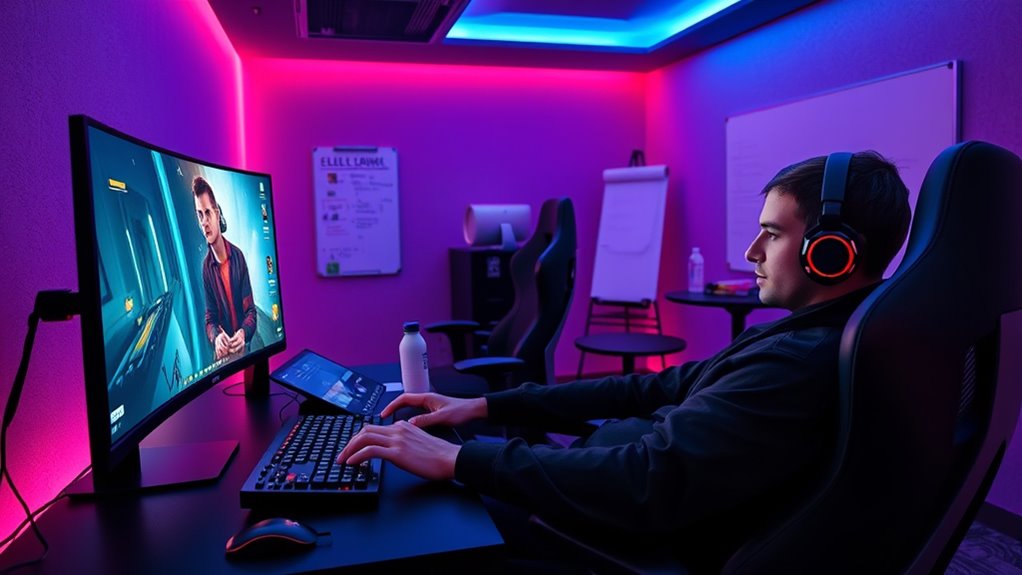
Maintaining essential physical and mental health is crucial for consistent esports performance, as your body and mind directly influence reaction times, focus, and decision-making. Reaction training exercises help sharpen your reflexes and improve responsiveness during high-pressure moments. Incorporate activities like hand-eye coordination drills and fast-paced practice routines to enhance your agility. Nutrition planning is equally important; a balanced diet fuels your brain and body, supporting sustained concentration and energy levels. Avoid heavy, processed foods before gaming sessions, opting instead for nutrient-rich options that promote mental clarity. Regular physical activity and mindfulness techniques also reduce stress and improve mental resilience. Additionally, integrating physical conditioning exercises similar to those used in professional sports can boost your endurance and overall performance. Developing auditory processing skills through targeted exercises can further enhance your ability to interpret in-game sounds accurately, giving you a competitive edge. Engaging in mental training techniques like visualization and focus exercises can also help maintain composure under pressure. Incorporating Reaction training exercises, which are supported by research to improve reflexes, can further elevate your game. By integrating reaction training and proper nutrition, you optimize your performance and build the stamina needed for intense esports competitions.

CHAMPKEY Hand Eye Coordination Trainer | Reaction Speed Training Tool | Improve Reflex, Agility, and Focus for Sports and Exercise(1 Piece)
Sturdy & Flexible : Made of premium polyurethane foam material features non-toxic , lightweight and waterproof. The foam…
As an affiliate, we earn on qualifying purchases.
As an affiliate, we earn on qualifying purchases.
Team Coordination and Communication Drills

Effective team coordination and communication are vital for success in esports, as they directly impact your ability to execute strategies and adapt quickly during matches. To build strong team synergy, you regularly engage in communication drills that foster clear, concise exchanges. These drills often involve simulated game scenarios where you practice calling out enemy positions, coordinating movements, and sharing essential information seamlessly. Consistent practice sharpens your ability to read teammates’ cues and respond effectively under pressure. By emphasizing open dialogue and active listening, you guarantee everyone stays on the same page. Over time, these routines strengthen your team’s cohesion, making your collective movements more fluid and your strategic decisions faster and more coordinated during high-stakes gameplay.
Tools, Technologies, and Gaming Setups

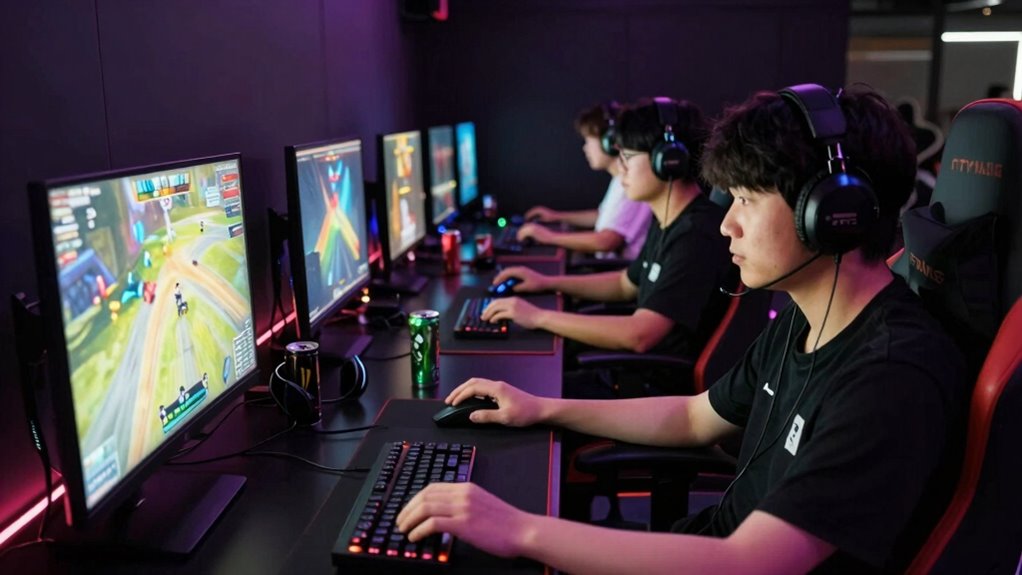
Having the right tools and setup can greatly enhance your team’s performance in esports. Your console setups should be optimized for speed and accuracy, ensuring minimal lag and seamless gameplay. High-quality gaming peripherals, like precision controllers, mechanical keyboards, and responsive mice, give you the edge in competitive play. Customizable settings for your peripherals allow you to tailor controls to your style, improving reaction times. A comfortable gaming chair and proper monitor positioning reduce fatigue during long practice sessions. Additionally, investing in a reliable internet connection and a well-organized gaming space minimizes distractions and technical issues. These tools and technologies are essential for creating an environment that fosters focus, precision, and quick reflexes—key ingredients for success in esports. Incorporating ergonomic gaming furniture helps prevent strain and injury during extended practice, contributing to sustained performance. To optimize your setup further, consider integrating UST projectors and ALR screens for immersive training environments that enhance visual clarity and reduce ambient light interference. Furthermore, utilizing high refresh rate monitors ensures smoother visuals, giving players a competitive edge during fast-paced gameplay. Additionally, implementing adaptive lighting can help reduce eye strain and improve visual comfort during prolonged gaming sessions.
Frequently Asked Questions
How Do Pro Gamers Handle Setbacks or Slumps?
When setbacks or slumps hit, you build mental resilience by staying positive and focused on improvement. You seek peer support from teammates or fellow gamers, sharing your frustrations and gaining new perspectives. Taking breaks helps reset your mind, and analyzing your gameplay reveals mistakes to learn from. By staying connected, resilient, and proactive, you bounce back stronger, turning setbacks into opportunities for growth and better performance.
What Is the Role of Coaching Beyond Practice Sessions?
Did you know that 85% of top teams credit coaching with improving mental resilience and team communication? Coaches go beyond practice by analyzing gameplay, offering strategic insights, and fostering mental toughness. They help players stay focused during high-pressure moments, promote effective communication, and build a resilient mindset. Your coach’s role is vital in turning individual skills into cohesive team performance, ensuring you’re prepared for every challenge in the esports arena.
How Do Pros Maintain Motivation During Intense Training Periods?
You maintain motivation during intense training by focusing on your mental resilience and seeking peer motivation. Push through challenges by reminding yourself of your goals and progress. Surround yourself with teammates who inspire you and keep morale high. Celebrating small wins helps sustain your drive. Staying mentally resilient means embracing setbacks as learning opportunities, so you stay committed and energized even when the training gets tough.
What Dietary Habits Support Pro Gamers’ Performance?
You should focus on nutrition strategies like balanced meals rich in proteins, healthy fats, and complex carbs to support your gaming stamina. Meal timing is vital; eating light, nutrient-dense snacks before matches keeps your energy steady. Stay hydrated and avoid heavy, greasy foods that cause sluggishness. Consistently maintaining these habits helps improve focus, reaction time, and overall performance during long gaming sessions.
How Do Pros Adapt Strategies for Different Tournament Formats?
Remember, “adapt or perish.” When facing different tournament formats, you tailor your strategy adaptation and tournament preparation accordingly. You analyze the rules, map out specific tactics, and practice under varied conditions to stay flexible. This way, you’re ready for any challenge. By adjusting your gameplay and honing your skills for each format, you increase your chances of success and stay ahead of the competition.
Conclusion
So, next time you watch a pro gamer, remember their secret routines—endless practice, sharp analysis, and mental focus. For example, imagine a team spends hours reviewing recent matches to spot weaknesses, then trains tirelessly on coordination. Their dedication transforms raw talent into top-tier skill. With this insight, you can see that behind every epic victory lies a relentless commitment to improvement and teamwork—proof that success is built, not born.