
Yes, gaming can be a full-time career as esports has grown into a lucrative industry with professional tournaments, sponsorships, and streaming incomes. If you develop high skills, stay dedicated, and manage your health and finances, you can build a sustainable career. However, it requires discipline and resilience due to competitive pressure and potential burnout. Want to discover how esports professionals navigate their long-term success and opportunities? Keep exploring to learn more.
Key Takeaways
- Esports offers lucrative income streams from sponsorships, tournament prizes, and streaming, enabling some gamers to make a full-time living.
- Success requires high skill, dedication, and strategic team coordination, with sustained practice and mental resilience.
- Growing industry infrastructure and dedicated organizations support professional careers and long-term opportunities in esports.
- Health risks and career longevity challenges highlight the importance of balance, proper training, and planning for career transitions.
- Diversifying income through coaching, content creation, or game development helps sustain esports careers beyond competition.
Top picks for "rise esport really"
Open Amazon search results for this keyword.
As an affiliate, we earn on qualifying purchases.
The Evolution of Esports and Its Growing Popularity
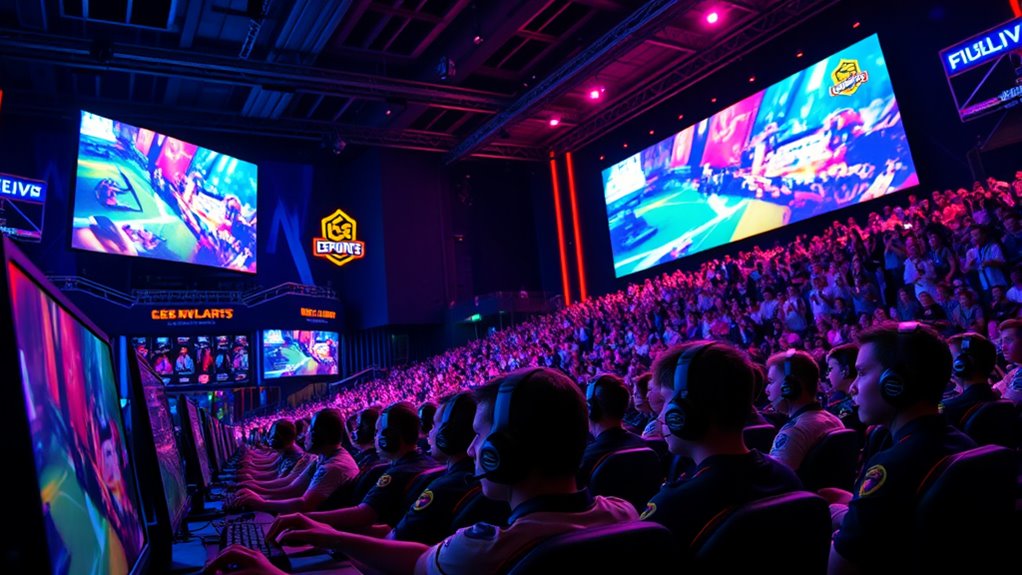
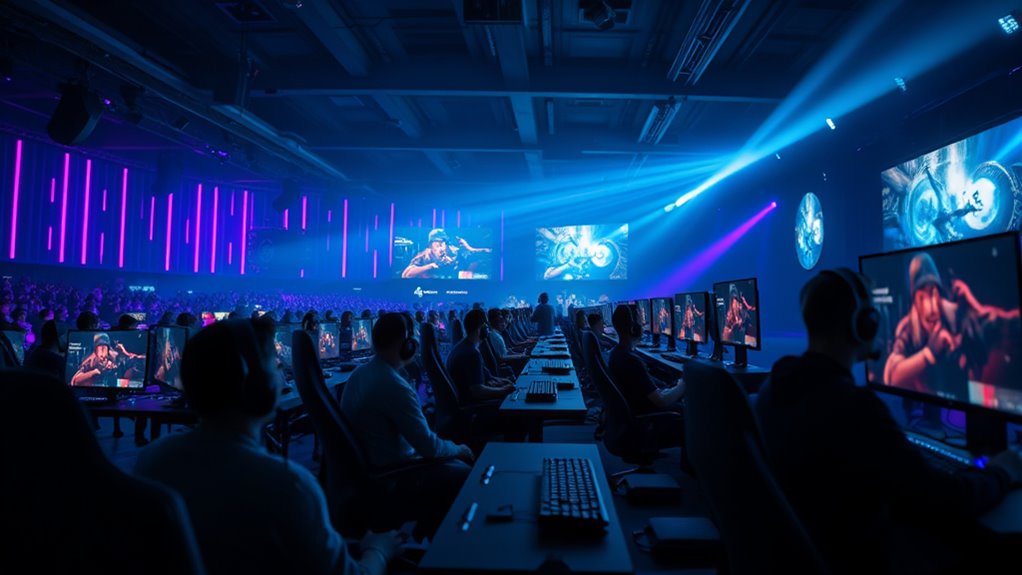
Esports has come a long way from its humble beginnings as casual gaming competitions to a global phenomenon. Over time, team dynamics have become more sophisticated, with players developing seamless coordination and strategic communication that elevate gameplay. This evolution has also boosted fan engagement, as viewers now connect deeply with teams and players through live streams, social media, and tournaments. The rise of dedicated esports organizations and leagues has fueled this growth, creating a sense of community and loyalty among fans. As esports continues to expand, the importance of strong team dynamics and active fan involvement fuels its popularity, transforming gaming from a casual hobby into a mainstream entertainment industry. The momentum behind professional infrastructure and technological advancements sets the stage for even greater opportunities ahead, including sponsorship deals, increased media coverage, and innovative streaming platforms. Additionally, the development of training facilities and dedicated coaching staff underscores the increasing professionalism within the industry. Notably, the integration of advanced training methods further enhances player performance and industry credibility.
Earnings and Opportunities in Competitive Gaming
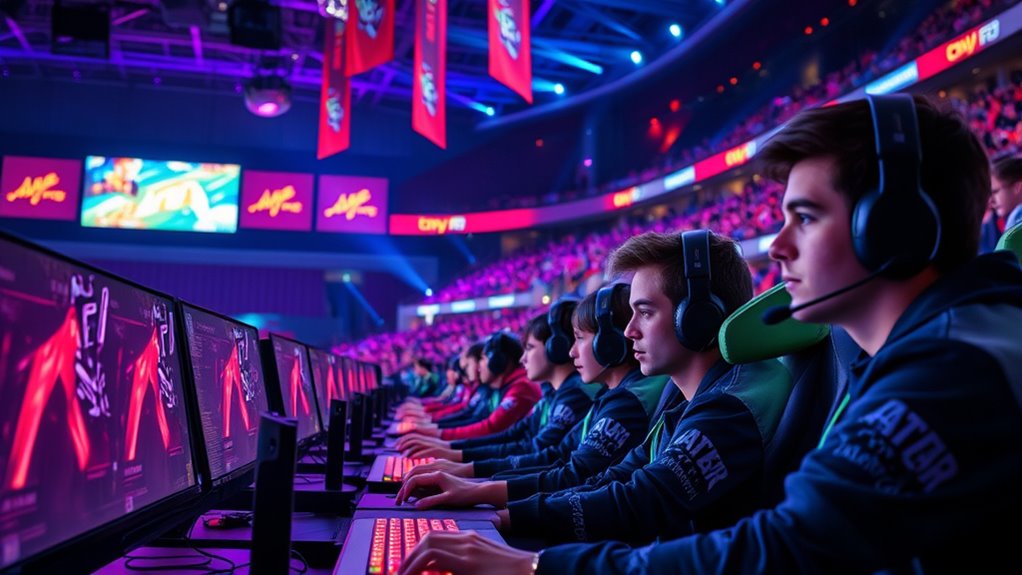
As the popularity of esports continues to grow, so do the earning opportunities for players and industry professionals. You can earn through various sources, including:
- Game sponsorships – Companies pay players to promote their products or wear branded gear during competitions. Piercings-Body can also serve as a personal expression that might be showcased during streams or photos, adding a unique touch to a player’s personal brand.
- Tournament prizes – Major events offer large cash prizes, sometimes reaching millions of dollars for top teams. The competitive gaming scene has become increasingly professionalized, with prize pools reflecting its expanding popularity.
- Streaming and content creation – Many players supplement income by streaming on platforms like Twitch or uploading videos, earning through ads and donations. This avenue allows players to build a dedicated fanbase and increase their visibility within the industry.
- High-performance equipment like gaming projectors and screens can also give players a competitive edge, making precise visuals crucial for practice and gameplay. Projector technology can significantly enhance the gaming experience, contributing to better performance during training and competitions. Moreover, understanding the importance of wave and wind conditions can be beneficial for gamers involved in outdoor or mixed-sport esports.
The Skills and Dedication Required for a Professional Gamer
Becoming a professional gamer requires more than just having fast reflexes; it demands a high level of skill, discipline, and dedication. You need to develop excellent team coordination, which means communicating clearly and trusting your teammates. Strategic thinking is essential; you must analyze situations quickly, adapt your tactics, and anticipate opponents’ moves. Consistent practice sharpens your mechanics and deepens your understanding of the game’s nuances. Staying disciplined involves maintaining focus during long hours of training and managing your physical and mental health. Success isn’t only about individual talent but also about how well you work within a team and execute strategies under pressure. Developing a structured training schedule can help maintain consistent progress and prevent burnout. Additionally, understanding Free Floating mechanics can give you an edge in positioning and movement, making your gameplay more unpredictable and effective. Gaining a comprehensive understanding of game mechanics is vital for adapting to evolving strategies and staying competitive in esports. A mental resilience is crucial to handle the stress and setbacks common in professional gaming, ensuring sustained performance over time. This commitment separates casual players from those who can sustain a full-time career in esports.
Challenges and Risks Faced by Esports Athletes
As an esports athlete, you face more than just intense competition—you also confront serious health and financial risks. Long hours can take a toll on your physical and mental well-being, while the unpredictable nature of earnings adds financial stress. Understanding these challenges is vital to steering a sustainable career in esports. Proper email etiquette can help maintain professional relationships and manage communication effectively within the industry. Developing skills in AI-related jobs like training or cybersecurity can also open alternative career paths should your esports career face obstacles. Additionally, staying informed about industry trends can help you adapt and remain competitive in a rapidly evolving field. Exploring health and safety guidelines, including proper ergonomics and recovery strategies, is essential to protect your long-term well-being. Incorporating smart home technology such as ergonomic setups and monitoring tools can also support your health and productivity during long gaming sessions.
Physical Health Concerns
Despite their focus on mental agility and quick reflexes, esports athletes face significant physical health risks. Long hours of gaming can lead to issues like ergonomic injuries and vision strain. To protect your health, be aware of these common problems:
- Ergonomic injuries: Poor posture or improper setup can cause chronic pain in your neck, shoulders, and wrists. Incorporating ergonomic equipment can help prevent these issues. Additionally, maintaining proper ergonomic posture during gaming sessions can further reduce strain. Being mindful of your working environment can also contribute to better health.
- Vision strain: Staring at screens for extended periods leads to eye discomfort, dryness, and blurred vision.
- Muscle fatigue: Repetitive movements and static positions can result in muscle tension and fatigue over time.
- Recognizing the importance of preventive measures can significantly reduce these risks and promote long-term health.
Taking regular breaks, using ergonomic equipment, and practicing eye exercises are essential steps to minimize these risks and maintain your physical well-being as an esports athlete.
Mental Health Challenges
While maintaining physical health is essential for esports athletes, mental well-being often faces just as many challenges. Performance anxiety can weigh heavily, especially during high-stakes matches, causing increased stress and decreased focus. The constant pressure to perform at a top level can lead to burnout symptoms, such as fatigue, irritability, and loss of motivation. Long hours of practice and competition can take a toll on your mental state, making it difficult to stay motivated and resilient. Without proper support, these mental health struggles can undermine your career and overall well-being. Recognizing these challenges is crucial to developing strategies for mental resilience, ensuring you can maintain both your performance and mental health over the long term. Additionally, understanding the impact of mental health challenges can help athletes seek appropriate resources and support systems to sustain their careers.
Financial Instability Risks
Financial stability remains one of the biggest hurdles for esports athletes, as income can be unpredictable and dependent on tournament wins, sponsorships, and streaming revenue. To manage this income volatility, you need solid financial planning. Without it, you risk facing sudden financial shortfalls. Consider these key points:
- Diversify income sources, including streaming, sponsorships, and prize money.
- Save consistently to buffer against lean periods.
- Budget carefully to prioritize essential expenses and avoid overspending.
The Role of Sponsorships and Streaming in Income Generation
Have you ever wondered how esports players make a living beyond tournament winnings? Much of their income comes from brand sponsorships, where companies pay players to promote products during streams or on social media. These sponsorships can be highly lucrative, especially for top-tier gamers with large followings. Streaming revenue also plays a significant role, as players earn money from platforms like Twitch or YouTube through ads, donations, and subscriptions. Consistent streaming helps build a dedicated fan base, which boosts income over time. Additionally, understanding the paranormal aspects of the gaming community reveals how some players and fans believe in supernatural influences that can affect gameplay and player luck. This fan engagement fosters a deeper connection between streamers and their audiences, often translating into increased support and revenue. As esports continues to grow, more players are exploring diverse income streams to sustain themselves professionally. Together, brand sponsorships and streaming create a steady income stream that can support a full-time esports career. This combination allows players to focus on gaming without solely relying on tournament prize money, making esports a more sustainable profession.
Longevity and Career Span of Esports Professionals
Esports careers tend to be shorter than traditional sports due to the intense mental and physical demands, as well as rapid changes in game popularity. You might face age limitations that restrict how long you can compete at the top level. Burnout risks are high, often leading players to retire early after several years of intense play. To maximize your career span, consider these factors:
- Maintain a healthy balance between training and rest to reduce burnout.
- Stay adaptable by learning new games or roles within the industry.
- Plan for changeover options, like coaching or streaming, as longevity in competitive play is limited.
Understanding these elements helps you navigate the fleeting nature of esports careers and manage expectations around career longevity.
Alternatives and Complementary Paths in the Gaming Industry
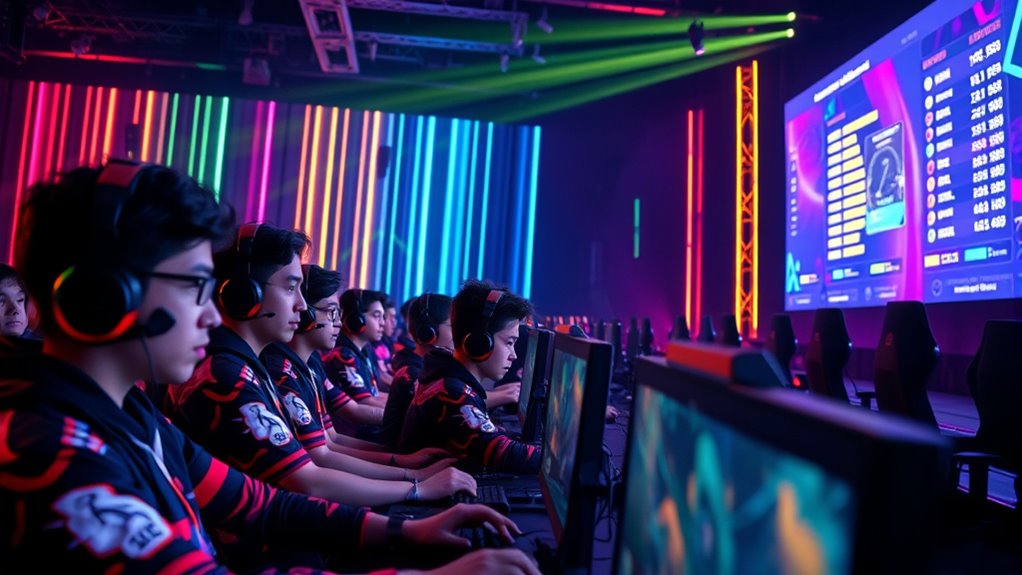
If you’re looking beyond competing, streaming and content creation offer great ways to stay involved and build a following. You can also explore game development to turn your passion into a career behind the scenes. These paths provide flexible options to grow within the gaming industry.
Streaming and Content Creation
Streaming and content creation have become essential pathways for gamers seeking to turn their passion into a sustainable career. By building an audience, you can leverage viewership metrics to attract sponsorships, ad revenue, and donations. To succeed, focus on these key areas:
- Grow your audience consistently through engaging content and regular streaming schedules.
- Analyze viewership metrics to understand what resonates with viewers and refine your approach.
- Maximize content monetization by diversifying income streams like subscriptions, ad placements, and brand partnerships.
These strategies help you turn streaming into a viable career, offering a flexible alternative or complement to competitive gaming. While it requires dedication, the potential for income and influence makes content creation an attractive option in the gaming industry.
Game Development Opportunities
Building on your experience with content creation and audience engagement, exploring game development offers a direct way to shape the gaming industry. You can immerse yourself in indie publishing, where small teams or solo developers bring innovative ideas to life without the backing of major studios. This route allows you to maintain creative control and experiment with unique concepts, including virtual reality experiences that push immersive boundaries. Developing your own games can lead to new revenue streams and recognition within the gaming community. Additionally, working in game development complements your existing skills, opening doors to roles like designer, programmer, or producer. Whether you’re interested in indie publishing or exploring cutting-edge tech like virtual reality, game development provides a fulfilling, full-time career path within the dynamic gaming industry.
Is Esports a Sustainable Full-Time Profession?
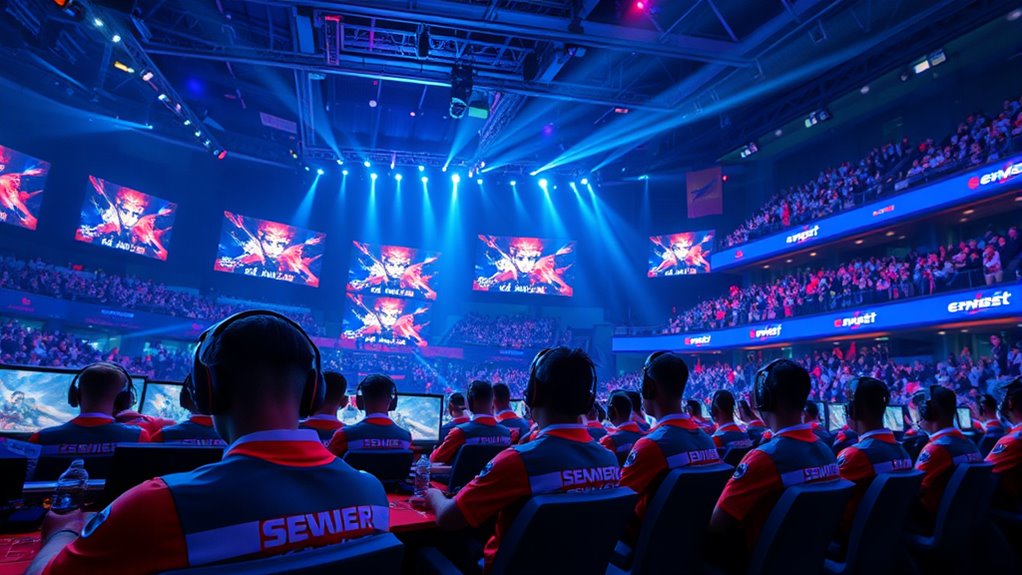
Esports has grown rapidly over the past decade, attracting millions of fans and generating significant revenue. But, is it a sustainable full-time career? The answer depends on several factors:
- Training programs are essential for skill development, helping players stay competitive and improve performance.
- Fan engagement boosts earnings through sponsorships, merchandise, and streaming revenue, creating a steady income stream.
- Longevity varies; maintaining relevance requires continuous improvement and adapting to evolving game metas.
While many pros make a living, the career’s sustainability hinges on consistent performance and building a strong community. If you focus on honing skills through training programs and actively engaging with fans, you increase your chances of turning esports into a sustainable, full-time profession.
Frequently Asked Questions
What Are the Typical Entry Points for Aspiring Professional Gamers?
You typically start by competing in online tournaments, which help you build your skills and gain visibility. As you perform well, you can attract game sponsorships, providing financial support and recognition. Many aspiring pros also join local or amateur teams to gain experience and network within the community. Consistently participating in these events and securing sponsorships are key entry points on your journey toward becoming a professional gamer.
How Does Mental Health Impact Esports Athletes’ Careers?
You should know that mental health critically impacts esports athletes’ careers, with studies showing up to 60% experience burnout. Prioritizing mental health awareness helps prevent burnout, allowing you to perform consistently and enjoy gaming long-term. Maintaining a healthy mindset boosts focus, resilience, and overall success, proving that taking care of your mental health isn’t just vital — it’s essential for sustaining your career and thriving in the competitive world of esports.
What Are the Legal and Contractual Considerations for Esports Professionals?
You need to carefully handle contract negotiations, ensuring clear terms on your salary, sponsorships, and responsibilities. Protect your intellectual property rights, like your in-game content and branding, to prevent unauthorized use. Understand clauses about team obligations, travel, and performance bonuses, and consider legal advice before signing. Staying informed helps you secure fair agreements and safeguard your rights, enabling a successful and sustainable esports career.
How Do Regional Differences Affect Esports Career Opportunities?
Imagine a world painted with vibrant esports tournaments; your opportunities depend on regional infrastructure and cultural acceptance. In areas with robust internet, dedicated venues, and supportive attitudes, you find a thriving scene that nurtures talent. Conversely, regions lacking these elements may limit your growth and exposure. Your path as an esports pro hinges on how welcoming and well-equipped your local environment is, shaping your journey and potential success.
What Support Systems Are Available for Long-Term Career Development?
You can access support systems like mentorship programs and career counseling to develop your long-term esports career. Mentorship programs connect you with experienced players who offer guidance and insights, while career counseling helps you plan your future, explore opportunities, and develop skills beyond gaming. These resources are available through esports organizations, online platforms, and industry events, giving you the tools and support needed for sustained success in the competitive gaming world.
Conclusion
As you navigate the exhilarating yet unpredictable world of esports, remember it’s a double-edged sword—offering shimmering fame but demanding relentless dedication. Like a high-wire act above a bustling crowd, your career hinges on skill, resilience, and adaptability. While the digital arena dazzles with promise, it’s essential to weigh the risks beneath the neon glow. In this game of chance, only those who master both craft and caution can truly claim victory.