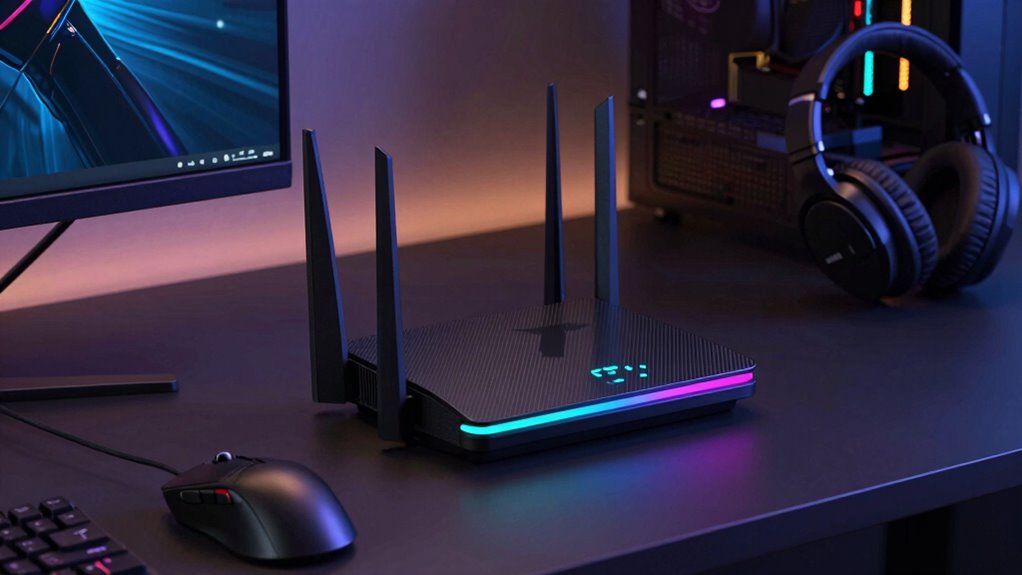

A gaming router is a device designed to optimize your internet for smoother, lower-latency gaming by prioritizing gaming traffic, reducing lag, and offering features like Quality of Service (QoS) and advanced security. It can improve your ping and connection stability, especially during intense gameplay. While not always necessary, if you’re serious about competitive gaming or face lag issues, a gaming router might be worth it. Explore more to see if it’s right for you.
Key Takeaways
- A gaming router is designed to prioritize gaming traffic, reduce lag, and improve connection stability for online gaming.
- Features like QoS, multiple antennas, and low latency support help optimize gaming performance.
- Not everyone needs a gaming router; existing routers may suffice if they meet your gaming and network demands.
- Upgrading to a gaming router can significantly lower ping and reduce lag during intense gaming sessions.
- Proper setup, such as wired connections and optimal placement, can improve ping without a specialized router.
Defining a Gaming Router: What Sets It Apart?
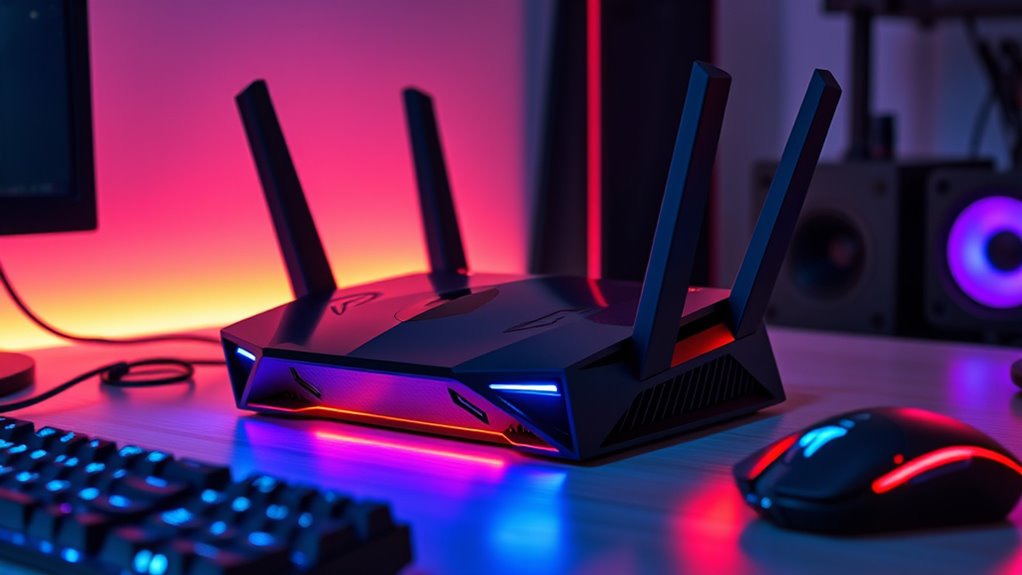
A gaming router is a specialized device designed to optimize your internet connection specifically for online gaming. Unlike standard routers, gaming routers often support custom firmware, which allows you to fine-tune settings for better performance and stability. They also come with advanced parental controls, giving you the ability to manage and restrict internet access for certain devices or users, ensuring a smoother gaming experience. These features help reduce lag, minimize interruptions, and prioritize gaming traffic over other network activities. The focus on low latency and reliable connections sets gaming routers apart from regular models, making them a valuable tool if you want to improve your ping and overall gaming quality. This targeted design enhances your gaming environment, providing a more consistent and enjoyable experience, especially when combined with simple, room-by-room solutions to organize your entire home network. Additionally, many gaming routers incorporate European cloud infrastructure to improve security and data management, aligning with sustainable and innovative network practices. Moreover, the ability to customize network settings further distinguishes gaming routers by giving gamers more control over their connection parameters. For example, some models are equipped with advanced QoS features that prioritize gaming traffic even more effectively, ensuring minimal latency during gameplay. When considering a gaming router, it’s also important to evaluate the specific hardware specifications that match your gaming needs for optimal performance.
Key Features to Look for in a Gaming Router
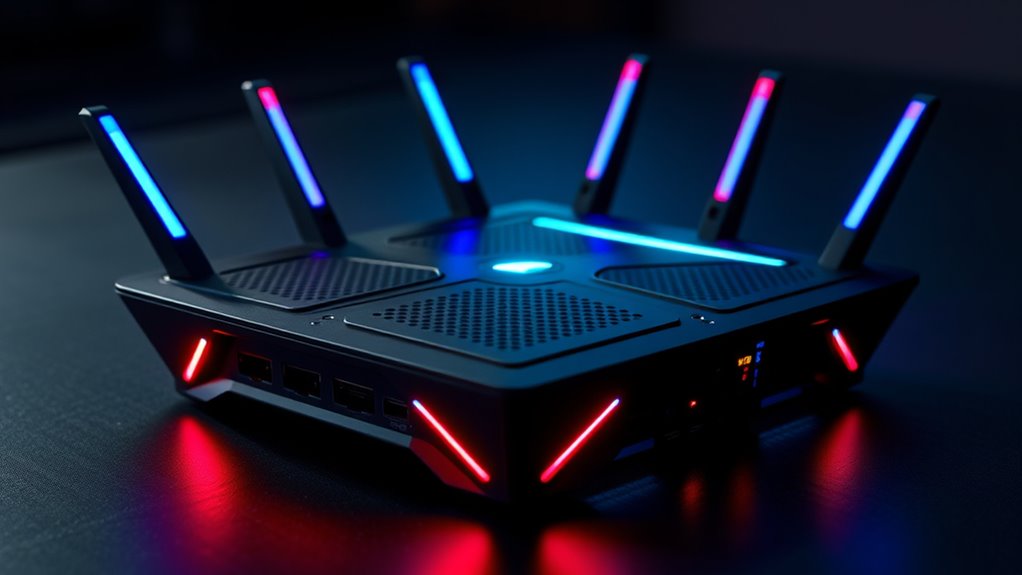
When selecting a gaming router, focusing on key features can make a noticeable difference in your gaming experience. One important feature is strong wireless coverage, ensuring your connection stays stable across your entire space without dead zones. Look for routers with multiple antennas or advanced beamforming technology to boost coverage and signal strength. Additionally, parental controls are valuable for managing access and ensuring a safe gaming environment, especially if multiple users or family members share the network. These controls allow you to set time limits, block certain websites, or restrict device usage, giving you peace of mind. Prioritizing these features helps optimize your connection, reduce lag, and create a secure gaming setup that meets both your performance and safety needs. Incorporating network security features can further protect your devices from potential threats and enhance overall safety. Moreover, selecting a router that supports quality of service (QoS) settings can help ensure your gaming traffic receives priority over other network activity.
How Gaming Routers Prioritize Traffic and Reduce Lag
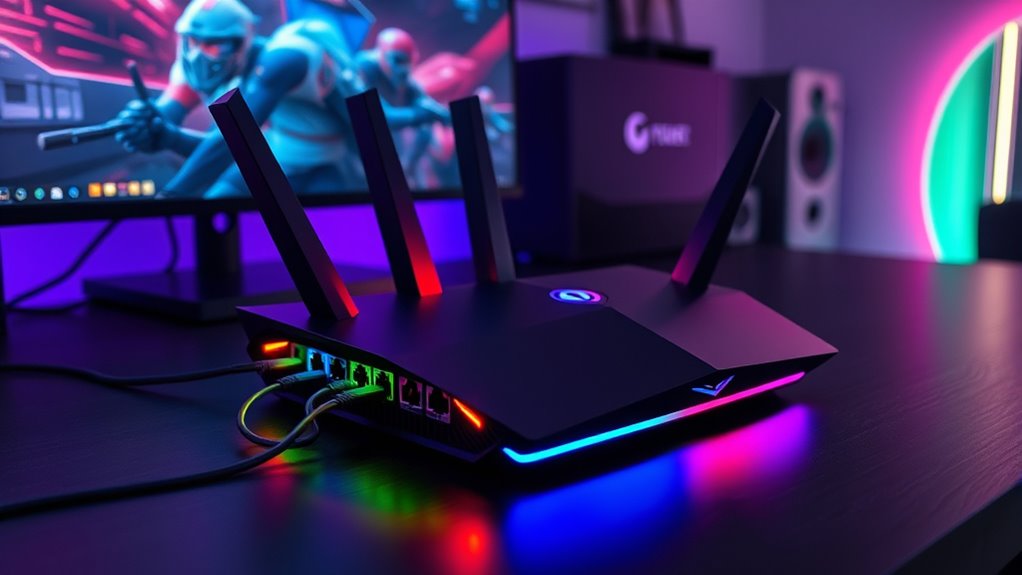
Gaming routers enhance your experience by actively managing network traffic to minimize lag and guarantee your game data gets priority. They do this through techniques like bandwidth allocation and QoS prioritization, ensuring your gaming traffic gets precedence over other network activities. This process helps reduce latency and prevents lag spikes during intense gameplay. Gaming routers analyze data packets and assign higher priority to gaming traffic, which minimizes delays. They also allocate bandwidth more effectively, preventing non-gaming devices from hogging resources. Key methods include:
- Dynamic QoS prioritization for gaming data
- Dedicated bandwidth for gaming devices
- Real-time traffic monitoring
- Automatic adjustment based on network conditions
These features work together to create a smoother, more responsive gaming experience by keeping your game traffic front and center. Proper traffic management is essential for maintaining optimal network performance during gaming sessions, especially when multiple devices are connected simultaneously.
Comparing Gaming Routers to Standard Routers
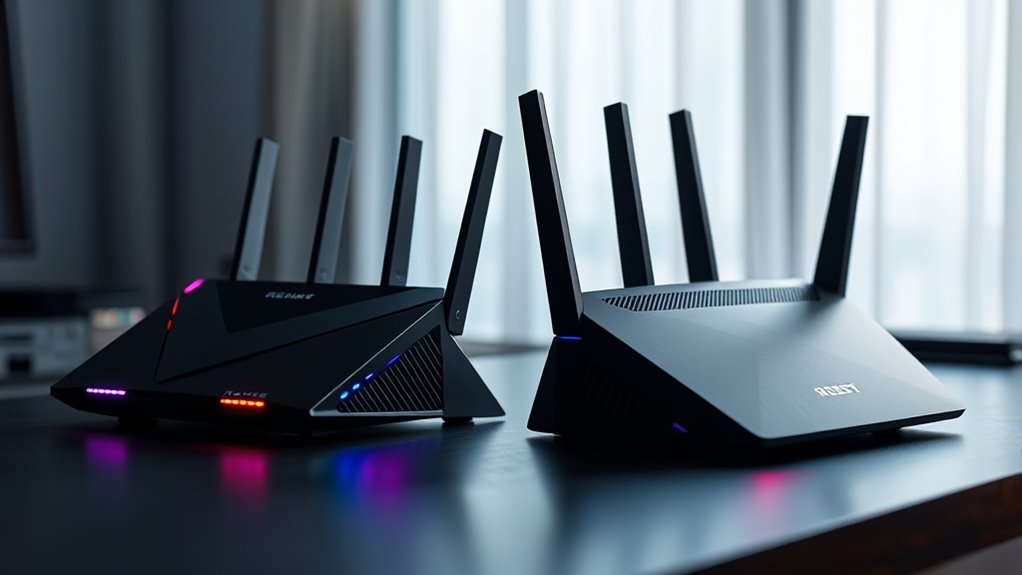
While standard routers handle everyday internet needs, gaming routers are specifically designed to optimize your gaming experience. They often come with advanced features like enhanced network security and robust parental controls, which standard routers may lack. Gaming routers prioritize traffic to reduce lag and improve stability during play. They also often have better hardware, such as faster processors and multiple antennas, for stronger signals. Additionally, gaming routers frequently support high refresh rates and low input lag, which are critical for a seamless gaming experience. The table below highlights key differences, and many gamers find that investing in a gaming router can make a significant difference in their overall gameplay performance. Furthermore, some models incorporate QoS technology that dynamically prioritizes gaming traffic over other network activity, enhancing performance even further.
The Impact of a Gaming Router on Ping and Latency
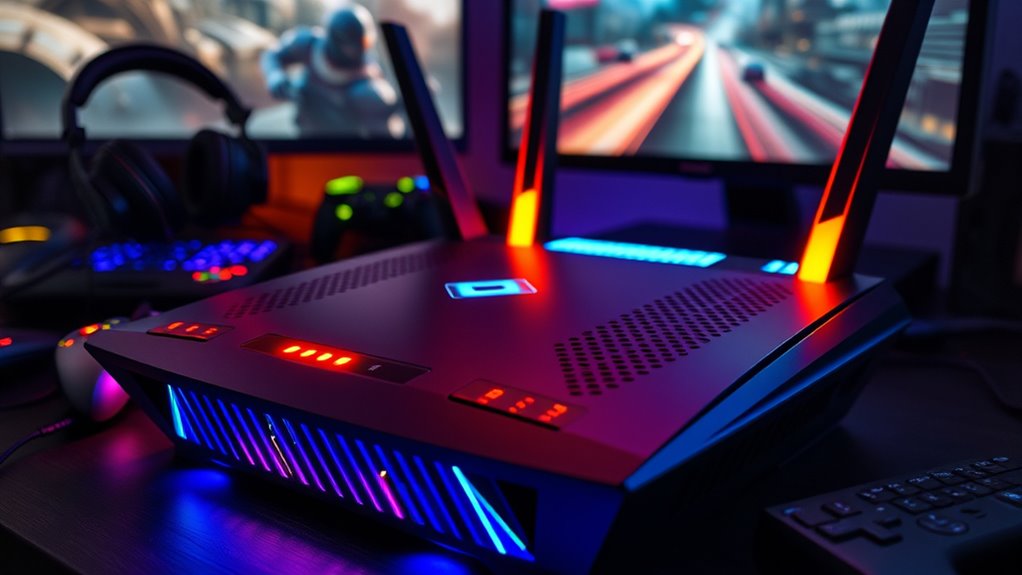
A gaming router can make a noticeable difference in your ping and latency by prioritizing gaming traffic over other data. It also helps reduce network congestion, ensuring your connection stays smooth during intense gameplay. Plus, it boosts connection stability, so you’re less likely to experience lag spikes or disconnects. Additionally, many gaming routers include Quality of Service (QoS) features that optimize network resources for gaming performance. Implementing a gaming router with proper network configuration can further enhance your gaming experience by minimizing interference and maintaining consistent speeds. Understanding network traffic management can help you make the most of your gaming setup and improve overall performance. A gaming router designed specifically for connected home fitness can also optimize your streaming and device connectivity for a seamless experience during your workouts. Being aware of network security measures can also help protect your gaming sessions from interruptions caused by malicious activity.
Prioritizes Gaming Traffic
Since gaming traffic can quickly clog your network, a gaming router actively prioritizes your gaming data over other types of traffic. This guarantees your gameplay remains smooth and responsive, reducing lag spikes. By prioritizing gaming packets, it helps maintain consistent ping and latency during intense matches. Additionally, a gaming router enhances wireless coverage and device compatibility, so your console or PC stays connected reliably. Smart gear can also help monitor and manage network performance to further improve your gaming experience. You’ll notice benefits like: – Reduced lag during multiplayer sessions – More stable connections for multiple devices – Better performance on Wi-Fi networks – Seamless gameplay without interruptions. These features help optimize your entire network for gaming, ensuring your devices get the bandwidth they need when it matters most. Network management tools allow you to customize settings and monitor your network’s health, making a noticeable difference, especially if your network is busy. Quality of Service (QoS) settings are essential for prioritizing gaming traffic and maintaining optimal performance. Incorporating network optimization strategies can further enhance your gameplay experience by reducing latency and improving overall network efficiency.
Reduces Network Congestion
Network congestion occurs when multiple devices and data streams compete for bandwidth, causing delays and increased ping. A gaming router helps reduce this congestion by efficiently managing traffic, ensuring your gaming packets get priority. It separates gaming data from other activities, minimizing delays and improving response times. Additionally, gaming routers often include features like network security and parental controls, which help prevent unauthorized access and limit bandwidth usage by certain devices. This keeps your network streamlined and reduces the chances of congestion caused by background downloads or unauthorized devices. A gaming router’s ability to prioritize gaming traffic ensures that your gameplay remains smooth even during peak usage times. By managing traffic effectively and securing your network, a gaming router ensures smoother gameplay with lower latency, giving you a competitive edge and a more consistent online experience. Incorporating quality hardware can further enhance the router’s performance and reliability during intense gaming sessions.
Enhances Connection Stability
Using a gaming router can considerably improve your connection stability by actively maintaining a consistent and reliable link to the game servers. It does so through optimized wireless standards and better device compatibility, reducing interruptions during gameplay. A gaming router prioritizes gaming traffic, which keeps your connection steady even during peak usage. Key benefits include:
- Improved wireless standards for faster, more reliable connections
- Better device compatibility for seamless setup
- Reduced latency spikes by managing network traffic effectively
- Stable connection even with multiple devices connected
These features help prevent disconnections and lag, giving you a smoother gaming experience. By ensuring your device stays connected without interruptions, a gaming router keeps your ping low and latency consistent, essential for competitive gaming.
Are Gaming Routers Necessary for Casual vs. Competitive Gamers?
If you’re a casual gamer, a gaming router might not be worth the extra cost since standard routers often do the job. However, if you’re into competitive play and need every millisecond of advantage, investing in a gaming router can make a noticeable difference. Consider your gaming style to decide if the benefits outweigh the expense. Additionally, understanding network management can help optimize your connection regardless of your router type. For players who seek technical enhancements, a gaming router offers features like prioritized traffic and lower latency to improve overall performance. Properly configuring your network settings can further enhance your gaming experience without necessarily needing specialized hardware. Being aware of home network setup can also help ensure your gaming connection remains stable and responsive.
Casual Gaming Needs
Many casual gamers wonder whether investing in a gaming router is worth it for their everyday play. For casual gaming, the benefits are often minimal unless your current setup has issues. A gaming router can improve your experience if you focus on:
- Upgrading to the latest wireless standards for better speed and stability
- Optimizing router placement to reduce interference and dead spots
- Prioritizing gaming traffic through QoS settings
- Ensuring your router provides reliable coverage throughout your home
However, if your current router handles your gaming needs well, a gaming-specific model may not be necessary. For casual play, focus on proper router placement and a stable internet connection. Gaming routers shine more in demanding or multiple-device environments.
Competitive Play Advantages
While casual gamers might get by with standard routers, competitive players often find that gaming routers provide crucial advantages. These routers offer features like advanced network security, protecting your connection from interference and potential threats that could disrupt gameplay. Router customization options, such as prioritizing gaming traffic and setting quality of service (QoS) rules, help ensure your commands reach the server without lag. This can be the difference between winning and losing in high-stakes matches. Gaming routers also typically have optimized firmware that reduces latency and packet loss, giving you a smoother experience. If you compete seriously, investing in a gaming router can give you the edge needed to perform at your best, especially in fast-paced, competitive environments.
Setting Up a Gaming Router for Optimal Performance
To get the most out of your gaming router, you need to set it up correctly from the start. First, verify your router supports the latest Wi Fi standards, like Wi Fi 6, for faster, more reliable connections. Proper router placement is vital—place it in a central, open location away from obstructions and interference. Adjust your network settings to prioritize gaming traffic, minimizing lag spikes. Consider enabling Quality of Service (QoS) to allocate bandwidth efficiently. Finally, update your firmware regularly to fix bugs and improve performance.
- Position your router off the floor and away from metal objects
- Use a wired Ethernet connection for the most stable link
- Enable dual-band Wi Fi to reduce congestion
- Limit devices connected during gaming sessions for the best performance
Cost Considerations: Are Gaming Routers Worth the Investment?
Investing in a gaming router can considerably improve your online gaming experience, but it’s important to weigh whether the cost aligns with your needs. High-quality gaming routers often feature advanced wireless standards like Wi-Fi 6, which can boost speeds and reduce lag. However, these benefits come at a higher price. Consider your current setup and whether upgrading is justified. Proper router placement is *vital* for maximizing performance and avoiding dead zones, regardless of the model. If your existing router meets your gaming demands, spending extra on a gaming-specific model may not be necessary. On the other hand, if you frequently experience lag or slow connections, the investment could be worthwhile. Ultimately, weigh the cost against the potential improvements in your ping and overall gaming experience.
Alternatives to Gaming Routers for Improving Online Gaming
If upgrading to a gaming router isn’t feasible or necessary, there are effective alternatives to improve your online gaming performance. One option is using a wireless mesh network, which offers better coverage and reduces lag by eliminating dead zones. You can also optimize your existing setup by prioritizing gaming traffic through Quality of Service (QoS) settings. Implementing parental controls can help limit bandwidth-consuming devices during gaming sessions, ensuring a smoother experience. Additionally, connecting your device via Ethernet instead of Wi-Fi can considerably lower ping and latency. Finally, regularly updating your router’s firmware keeps your network secure and running efficiently. These alternatives help enhance your gaming without needing a specialized gaming router, giving you a better, more reliable online experience.
Making an Informed Decision: Do You Need a Gaming Router?
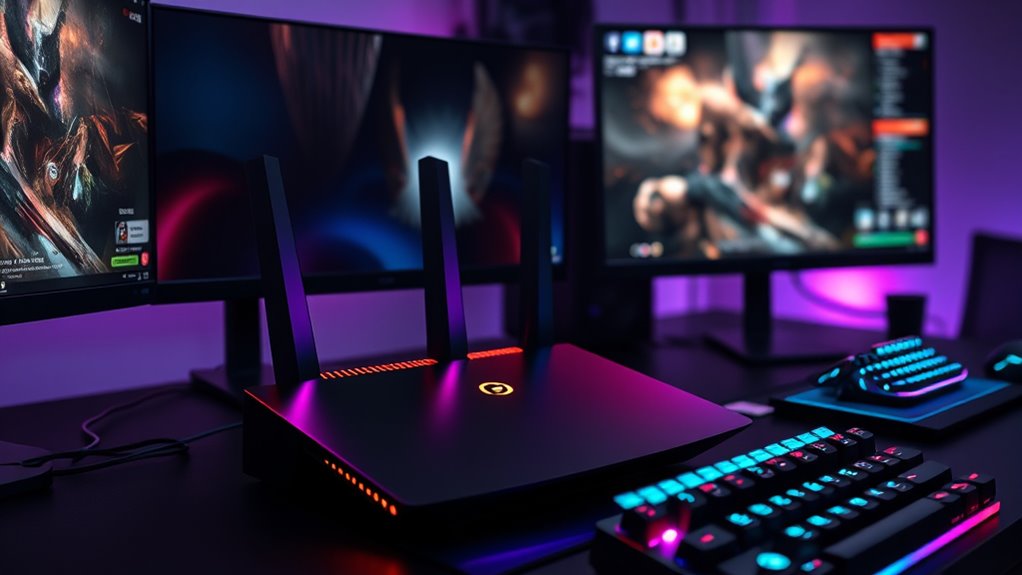
Before deciding on a gaming router, consider how much you’ll benefit from its features and whether your current network can accommodate your gaming needs. Think about your performance requirements and if investing fits your budget and priorities. Making an informed choice ensures you get the right gear without overspending or missing out.
Gaming Router Benefits
Gaming routers are designed to prioritize your gaming traffic, reducing lag and ping times for a smoother experience. This means you get faster response times and more stable connections during intense gameplay sessions. Plus, they often come with features like enhanced wireless security, keeping your network safe from threats. Parental controls help you manage who can access the internet and when, giving you peace of mind. Other benefits include improved bandwidth management, ensuring your game gets priority over background activities, and dedicated gaming ports for optimized performance. These features make gaming routers a smart choice if you want a more reliable, secure, and controlled gaming environment. Whether you’re a casual gamer or competitive player, these benefits can markedly enhance your overall gaming experience.
Network Performance Needs
Determining whether you need a gaming router starts with understanding your network performance needs. If you prioritize low latency and stable connections, especially during intense gaming sessions, a gaming router can help optimize these aspects. Check your current Wi-Fi standards; newer standards like Wi-Fi 6 offer faster speeds and better handling of multiple devices, which can enhance gaming performance. Additionally, consider your network security requirements. Gaming routers often include advanced security features that protect your devices from cyber threats while maintaining high performance. If your current setup struggles with lag, frequent disconnects, or outdated Wi-Fi standards, investing in a gaming router might be worthwhile. Assess your gaming habits and network demands to determine if a gaming router aligns with your performance needs.
Budget and Priorities
Are you wondering how much a gaming router fits into your budget? Your priorities will influence whether it’s worth the investment. Gaming routers often support advanced wireless standards, which can improve ping and stability, but they come at a higher price. Consider your budget and how much you value brand reputation—trusted brands may guarantee better performance and support. If gaming is a casual hobby, a standard router might suffice. However, if you’re serious about competitive play, investing in a gaming router could be justified. Keep in mind that more expensive models generally offer faster wireless standards and better build quality. Balance your budget with your gaming needs, and remember that sometimes, a good router from a reputable brand will deliver the best value.
Frequently Asked Questions
Can a Gaming Router Improve My Wi-Fi Range?
A gaming router can improve your Wi-Fi range by providing a Wi-Fi boost, guaranteeing a stronger signal throughout your space. It often includes advanced features like multiple antennas and optimized settings that help extend coverage. Pairing your gaming router with signal extenders can further enhance your Wi-Fi reach, reducing dead zones and lag. This setup ensures you stay connected, no matter where you are in your home.
Are Gaming Routers Compatible With All Gaming Consoles?
Think of a gaming router as a universal key that opens doors to smoother gameplay. Most gaming routers are compatible with all major gaming consoles, but you do need to check their console compatibility before buying. Staying current with firmware updates is like giving your router a fresh coat of armor, ensuring it works seamlessly with your console’s latest features. So, yes, a gaming router can be your trusted ally across various consoles.
How Often Should I Update My Gaming Router’s Firmware?
You should update your gaming router’s firmware at least once every three to six months. Regular update frequency guarantees firmware security, protecting your network from vulnerabilities. Manufacturers often release updates to improve performance, fix bugs, and enhance compatibility, so staying current helps maintain ideal gaming experiences. Check your router’s settings or manufacturer’s website periodically to stay informed about new firmware updates and keep your connection secure and fast.
Do Gaming Routers Require Special Setup for Different Games?
No, gaming routers don’t require special setup for different games, but adjusting certain gaming router features can improve your experience. Use router setup tips like prioritizing gaming traffic with Quality of Service (QoS) settings and enabling gaming-specific modes. These tweaks help reduce lag and ping spikes, ensuring smoother gameplay. Focus on optimizing your router’s configuration to match your gaming needs, rather than setting up different configurations for each game.
Can a Gaming Router Reduce Ping During Peak Internet Usage Hours?
Yes, a gaming router can reduce ping during peak hours by managing network congestion effectively. It prioritizes gaming traffic through bandwidth allocation, ensuring your connection stays smooth even when others are online. By optimizing your network and minimizing lag, a gaming router helps maintain lower ping and a better gaming experience, especially when your internet is under heavy load.
Conclusion
Whether you need a gaming router depends on your gaming habits and network setup. If you’re serious about reducing lag and staying ahead of the pack, investing in one might be worth it—think of it as putting all your eggs in one basket for a smoother experience. However, if your current setup works fine, you might not need to rock the boat. Weigh the pros and cons carefully before making your move.