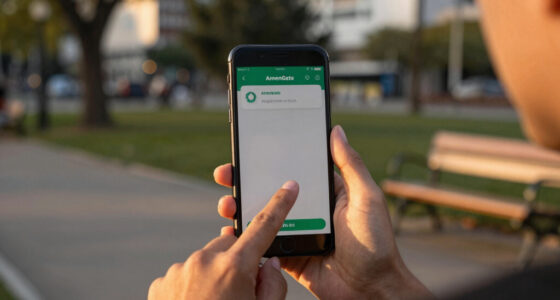

🔍 Read the full analysis: Making AI Accessible For Older Adults: Tips And Strategies on ThorstenMeyerAI.com

Get the latest gadgets delivered free with Prime
- Fast, free delivery on millions of items
- Prime Video, Amazon Music and more included
- Member-only deals all year
TL;DR
OpenAI has released guidance to improve AI accessibility for older adults, focusing on practical uses like health, communication, and independence. Details on specific features or programs remain unconfirmed, but the initiative signals a focus on inclusive AI design.
OpenAI has published a new guidance document titled “Helping older adults use AI in everyday life,” aimed at making AI tools more accessible for seniors. The initiative highlights how AI assistants can support older users with daily tasks, health management, and social connection, addressing a demographic that has historically been underrepresented in mainstream AI adoption. This development reflects a broader industry shift towards designing inclusive AI that accommodates the needs of aging populations.
The guidance emphasizes the potential for AI assistants, like ChatGPT, to help seniors manage health-related questions, stay connected with family, organize schedules, and learn new skills at their own pace. For more on AI accessibility, see the original analysis. According to OpenAI, conversational AI offers a natural interface that can reduce usability barriers faced by many older adults, particularly those with mobility, vision, or memory challenges. The publication is part of OpenAI’s broader strategy to produce audience-specific guidance, aiming to make their AI products more approachable for non-technical users.
However, the full content of the guidance document could not be independently verified, and specific program details, safety measures, or targeted features have not been publicly confirmed. It remains unclear whether OpenAI plans dedicated products, partnerships, or safety protocols tailored for seniors. The initiative also appears to serve a dual purpose of education and marketing, as other tech companies are increasingly targeting older users with age-specific AI solutions. Learn more about making AI ownership accessible at Mistral Forge.
Impact of AI Guidance on Senior Technology Use
This initiative is significant because it recognizes the growing number of older adults using digital technology and the unique challenges they face. As people over 65 become one of the fastest-growing online demographics, accessible AI can support independence, reduce social isolation, and improve quality of life. At the same time, it raises concerns about digital literacy and online safety, especially given seniors’ vulnerability to scams and misinformation. The guidance from OpenAI could influence how AI tools are designed and marketed to this demographic, with implications for safety, usability, and digital inclusion.
As an affiliate, we earn on qualifying purchases.
Growing Role of AI in Senior Care and Technology Adoption
Since the launch of ChatGPT in late 2022, AI adoption among older adults has steadily increased, particularly for health inquiries, writing assistance, and communication. Traditionally, tech companies targeted seniors with simplified devices and dedicated interfaces, but the current trend favors natural language conversation as an intuitive interaction mode. OpenAI’s recent publication aligns with this shift, emphasizing conversational AI as a barrier-free interface that can be more easily adopted by seniors. Prior efforts by other firms include dedicated apps and voice-activated devices, but OpenAI’s approach aims to integrate AI seamlessly into everyday life, making it more accessible without specialized hardware.
While specific data on the impact of these efforts remain limited, industry experts note a rising interest among seniors in AI tools, though usage still lags behind younger populations. The focus now is on designing AI that is both safe and easy to use, with attention to safety concerns like fraud and misinformation, which disproportionately threaten older users.
As an affiliate, we earn on qualifying purchases.
Unconfirmed Details About Specific Features and Safety Measures
Because the full content of OpenAI’s guidance document has not been publicly released, several aspects remain unclear. It is not confirmed whether the guidance includes specific safety features such as fraud warnings, caregiver controls, or accessibility certifications. Additionally, there are no verified details on whether OpenAI plans dedicated AI products, partnerships, or measurable adoption targets for seniors. The effectiveness of the guidance in reducing social isolation or improving health outcomes also remains to be demonstrated through rigorous research.
senior-friendly tablet with large screen
As an affiliate, we earn on qualifying purchases.
As an affiliate, we earn on qualifying purchases.
Anticipated Developments in Senior-Focused AI Tools
In the coming months, expect AI companies, including OpenAI, to develop and announce new features tailored for older users, such as voice-first interfaces, cognitive support tools, and family account functionalities. Monitoring regulatory efforts around AI safety for vulnerable populations will be important, as authorities may seek to establish standards for elder safety online. Researchers will also likely investigate the impact of AI on seniors’ well-being, providing data on whether these tools effectively reduce loneliness and assist with health management. The industry’s focus will be on balancing usability, safety, and meaningful outcomes for aging populations.
easy-to-use video calling device for elderly
As an affiliate, we earn on qualifying purchases.
As an affiliate, we earn on qualifying purchases.
Key Questions
Will OpenAI release specific AI products for seniors?
It is not yet confirmed whether OpenAI plans dedicated products or features tailored specifically for seniors. The current guidance appears to be general advice aimed at making existing AI tools more accessible.
What safety measures are included for older users?
Details on safety features such as fraud prevention, caregiver controls, or accessibility certifications have not been publicly disclosed. The guidance’s safety protocols remain unverified at this stage.
While some claims suggest AI can help combat loneliness, there is limited rigorous evidence yet to confirm its effectiveness. Ongoing research will clarify this in the future.
Are there risks associated with AI use by older adults?
Yes, older users face risks such as online scams, misinformation, and privacy concerns. Proper safety measures and digital literacy support are essential to mitigate these risks.
When might we see more senior-friendly AI features?
Expect new features and updates in the next 6-12 months, including voice interfaces, family sharing options, and cognitive support tools, as companies respond to demographic trends and safety considerations.
Primary source: OpenAI · via ThorstenMeyerAI.com
Evergreen bestsellers Picks
bestsellers
As an affiliate, we earn on qualifying purchases.