
🔍 Read the full analysis: AI’s Impact On Plumbing & HVAC: Making Coordination More Predictable on ThorstenMeyerAI.com

Get the latest gadgets delivered free with Prime
- Fast, free delivery on millions of items
- Prime Video, Amazon Music and more included
- Member-only deals all year
TL;DR
Artificial intelligence is transforming plumbing and HVAC project coordination by making breakthroughs more predictable. Companies using AI-enabled platforms report significant reductions in unplanned wall cuts and faster leak detection. This development could reshape building services management.
Artificial intelligence is now being integrated into building services management, significantly improving the predictability of plumbing and HVAC coordination. Companies employing AI-driven platforms report fewer unplanned breakthroughs, faster leak localization, and streamlined handover processes, marking a notable shift in construction workflows.
Gewerkton, a voice-first platform for construction documentation and defect management, has introduced AI-enabled features that help coordinate plumbing and HVAC work more precisely. According to officials from a building services company, the use of AI tools has reduced uncoordinated breakthroughs from over 40 per project to fewer than five, dramatically decreasing project delays and costs.
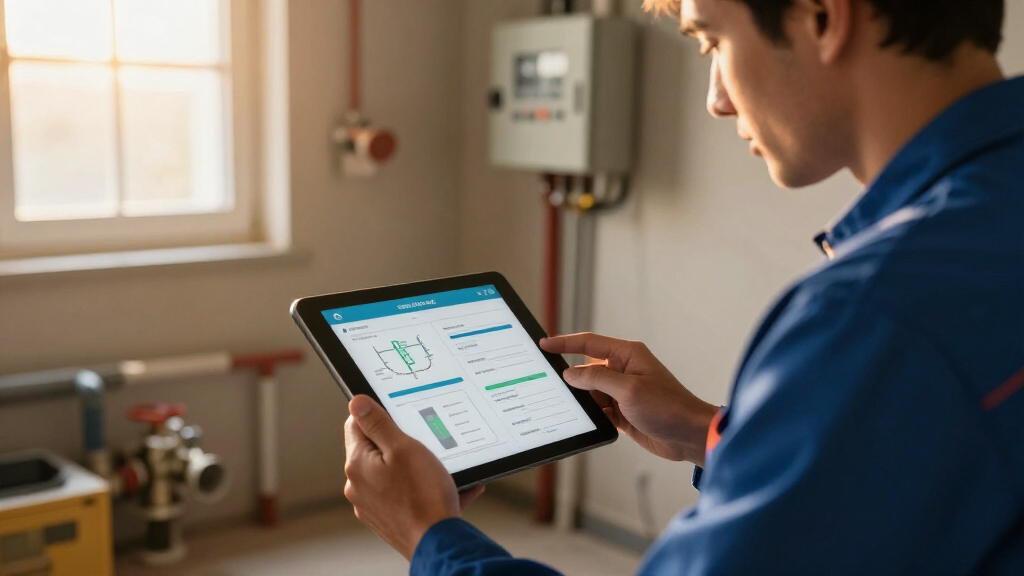
These AI tools analyze project plans, detect potential conflicts before on-site execution, and ensure that breakthroughs align with the actual building structure. For instance, the platform flags riser shaft misalignments before concrete pouring, preventing costly rework. Additionally, the system maintains a detailed photo grid of pipe installations, enabling leak detection in existing structures within 20 minutes—compared to two days previously required for manual inspection.
Experts say that AI’s ability to predict and prevent errors is transforming traditional workflows, as detailed in the original analysis, leading to more reliable project timelines and improved margins for contractors. The technology also automates documentation, generating equipment registers and maintenance schedules that are directly integrated into operational systems, supporting long-term building management.
How AI Changes Project Coordination in Building Services
This development matters because it addresses longstanding issues in construction, such as unpredictable breakthroughs, on-site rework, and delayed leak detection. By making coordination more predictable, AI reduces costs, shortens project timelines, and enhances overall quality. For building owners and operators, this means more reliable infrastructure and easier maintenance. For contractors, it offers improved margins and reduced risk of disputes caused by errors or miscommunication.
As an affiliate, we earn on qualifying purchases.
Previous Challenges in Plumbing & HVAC Coordination
Traditionally, plumbing and HVAC installations rely heavily on manual planning, with breakthroughs requested via email and often only confirmed on-site. This process frequently results in unplanned cuts through rebar or misaligned shafts, causing delays and increased costs. Leak detection in existing buildings often involves invasive, time-consuming procedures, sometimes taking days to locate faults.
Recent years have seen efforts to digitize construction documentation, but coordination remained largely reactive. The advent of AI platforms like Gewerkton aims to shift this paradigm by providing predictive insights and automated conflict detection, aligning project execution with digital plans and real-time data.
HVAC project coordination software
As an affiliate, we earn on qualifying purchases.
As an affiliate, we earn on qualifying purchases.
Remaining Questions About AI Integration in Construction
It is not yet clear how widely these AI tools will be adopted across different regions or project types. Long-term impacts on workforce training, data security, and integration with existing legacy systems remain to be fully evaluated. Additionally, the extent to which AI can prevent all types of errors, especially in complex or unconventional projects, is still under assessment.
Construction conflict detection devices
As an affiliate, we earn on qualifying purchases.
As an affiliate, we earn on qualifying purchases.
Next Steps for AI-Driven Building Services Coordination
Industry stakeholders are expected to expand pilot programs and gather more data on AI’s effectiveness in diverse project environments. Future developments may include more sophisticated conflict detection, integration with augmented reality for on-site guidance, and broader adoption of automated documentation tools. Monitoring these trends will clarify AI’s role in mainstream construction workflows.
Building maintenance automation tools
As an affiliate, we earn on qualifying purchases.
As an affiliate, we earn on qualifying purchases.
Key Questions
How does AI improve plumbing and HVAC coordination?
AI analyzes project plans to detect conflicts and misalignments before on-site work begins, reducing errors, rework, and delays, and automates documentation for ongoing maintenance and operations.
What are the main benefits of using AI in construction projects?
Key benefits include fewer unplanned breakthroughs, faster leak detection, improved project timelines, better documentation, and increased margins for contractors.
Are these AI tools suitable for all types of construction projects?
While promising, adoption depends on project complexity, regional standards, and existing digital infrastructure. Ongoing evaluations are assessing scalability and effectiveness across different project types.
What challenges remain with AI integration in building services?
Challenges include data security, workforce training, integration with legacy systems, and ensuring AI’s accuracy in unconventional or complex projects.
When might AI become standard practice in construction coordination?
Widespread adoption is expected to accelerate in the next few years as pilot programs demonstrate value and technology matures, but full standardization may take longer depending on regional regulations and industry acceptance.
Source: ThorstenMeyerAI.com
Fall Picks
fall essentials
As an affiliate, we earn on qualifying purchases.