
📊 Full opportunity report: Efficient Licensing and Rights Management for Voice AI Clones on IdeaNavigator AI — validation score, market gap, and execution plan.
Prime for Young Adults — start your free trial
Fast free delivery, streaming and member deals for eligible 18–24 year olds.
Try it freeAs an affiliate, we earn on qualifying purchases.
TL;DR
A licensing platform for voice actors’ AI clones is in testing, enabling structured agreements, project approval, and payment tracking. This aims to address current licensing gaps amid growing AI voice use.
A licensing and rights management platform for voice actors’ AI clones is currently in a testing phase. This platform aims to provide a structured workflow for voice actors to set usage terms, approve projects, and track payments, addressing a significant gap in current AI voice licensing practices.
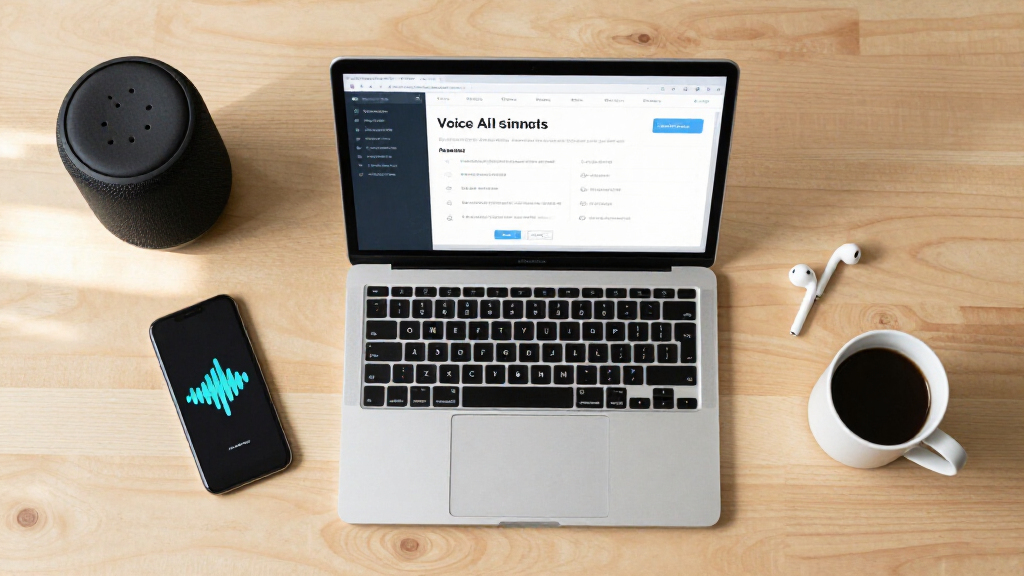
The proposed platform is designed specifically for professional voice actors who have created AI clones of their voices. It allows them to generate license listings that specify allowed use cases, banned categories, and a per-project rate. Buyers can then submit project requests, which voice actors can approve or reject with a single click. Approved uses are logged along with payment terms, creating an auditable trail.
According to sources involved in the testing, the initial focus is on recruiting ten voice actors with existing AI clones to set license terms and route five real project requests through the approval flow. The goal is to measure whether voice actors would prefer to route paid licensing deals through this system, which would generate revenue via a percentage commission on transactions.
This initiative responds to the surge in commercial AI voice cloning, which has raised legal and ethical questions around consent, scope, and compensation. The platform aims to provide a practical solution for rights management, making licensing more transparent and enforceable.
Potential Impact on AI Voice Licensing Practices
This platform could significantly improve how voice actors manage their AI clones’ usage, offering a streamlined, auditable, and enforceable licensing process. It addresses a current market gap where licensing often occurs through informal channels like ad hoc emails, which lack proper documentation and legal clarity. By formalizing licensing workflows, the platform could reduce disputes, improve transparency, and ensure fair compensation for voice actors. As AI voice cloning becomes more widespread, such structured rights management tools are likely to become essential for industry sustainability.
voice actor AI clone licensing platform
As an affiliate, we earn on qualifying purchases.
As an affiliate, we earn on qualifying purchases.
Growing Need for Structured Licensing in AI Voice Cloning
AI voice cloning technology has advanced rapidly, making it commercially viable for a variety of applications, from entertainment to advertising. However, legal frameworks and licensing practices have lagged behind, often relying on informal agreements that lack clarity and enforceability. Recent attention from unions, legal experts, and industry stakeholders has emphasized the importance of proper consent, scope, and fair payment for synthetic voices. This has spurred efforts to develop dedicated licensing platforms that can handle the complexities of AI voice rights, starting with initial pilot projects like the one now underway.
“The lack of a formal licensing framework for AI voice clones creates significant legal and ethical challenges for voice actors.”
— an anonymous researcher
voice cloning rights management software
As an affiliate, we earn on qualifying purchases.
As an affiliate, we earn on qualifying purchases.
Unclear Aspects of Platform Adoption and Effectiveness
It is not yet confirmed how widely voice actors will adopt the platform or whether it will effectively streamline licensing and payments at scale. The success of the pilot depends on voice actors’ willingness to route deals through the system and on how well it integrates with existing workflows. Additionally, the legal and regulatory landscape around AI voice rights remains evolving, which could influence the platform’s future development and adoption.
AI voice licensing and project approval tools
As an affiliate, we earn on qualifying purchases.
As an affiliate, we earn on qualifying purchases.
Next Steps for Testing and Industry Adoption
The current focus is on completing the pilot with the ten recruited voice actors and analyzing the flow of real project requests. If successful, developers plan to expand testing to more voice actors and industry partners. Further validation will involve assessing the platform’s impact on licensing efficiency, legal compliance, and revenue generation. Industry stakeholders and unions are expected to monitor the results closely, potentially influencing broader adoption and regulatory standards.
voice actor project payment tracking software
As an affiliate, we earn on qualifying purchases.
As an affiliate, we earn on qualifying purchases.
Key Questions
How does the licensing platform improve current voice AI licensing practices?
The platform provides a structured workflow for setting clear usage terms, approving projects, and tracking payments, replacing informal email agreements with an auditable process.
Who can use this licensing system?
It is designed primarily for professional voice actors who have created AI clones of their voices and want to manage licensing more effectively.
Will this platform be adopted widely?
It is still in testing, and adoption depends on voice actors’ willingness to use it and on regulatory developments. Its success is not yet confirmed.
How will the platform generate revenue?
It plans to earn a percentage commission on each approved licensing transaction processed through the system.
What challenges remain for this licensing approach?
Uncertainties include industry acceptance, legal compliance amid evolving regulations, and the platform’s ability to handle complex licensing scenarios at scale.
Source: IdeaNavigator AI
NFL season / tailgating Picks
team gear
As an affiliate, we earn on qualifying purchases.