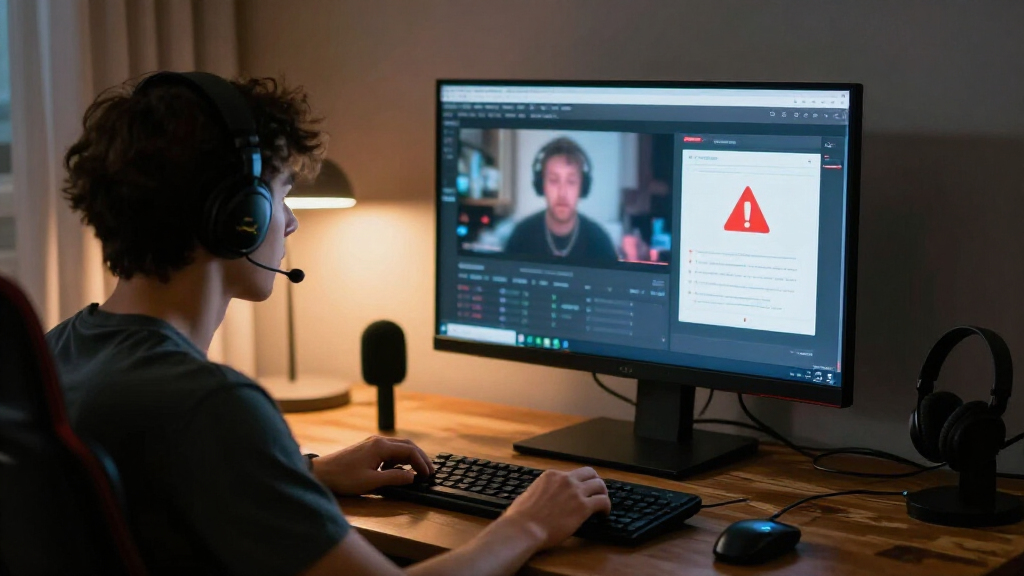

🔍 Read the full analysis: A Crypto Scam, A Cloned Streamer Voice, And A 47-Month Sentence on ThorstenMeyerAI.com

Get the latest gadgets delivered free with Prime
- Fast, free delivery on millions of items
- Prime Video, Amazon Music and more included
- Member-only deals all year
TL;DR
David Anthony Sanchez, 36, of Port St. Lucie, Florida, was sentenced to 47 months in prison after pleading guilty to money laundering and aggravated identity theft. Prosecutors said he posed as streamer N3on, used fake accounts and agreements, and sent an AI-generated voice message to secure about $260,000 in cryptocurrency for a nonexistent endorsement.
David Anthony Sanchez, 36, of Port St. Lucie, Florida, was sentenced to 47 months in prison after pleading guilty to money laundering and aggravated identity theft in a cryptocurrency scheme involving the impersonation of Kick streamer N3on. Prosecutors said organizers of a memecoin project sent about $260,000 in cryptocurrency for an endorsement that did not exist, after Sanchez used fake accounts, agreements and an AI-generated voice message to pose as the streamer.
The U.S. Department of Justice announced the sentence on November 24, according to a Times of India report published November 28. U.S. District Judge Melissa Damian imposed the sentence in the Southern District of Florida. Sanchez pleaded guilty, so the case did not go to trial. The FBI’s Miami field office investigated.
Prosecutors said Sanchez created online accounts designed to look like they belonged to N3on and contacted the memecoin project’s organizers while posing as both the streamer and his representative. He also used N3on’s identity to execute agreements. As purported confirmation of the deal, Sanchez sent an audio recording that mimicked the streamer’s voice and falsely indicated that he would participate.
The organizers transferred about $260,000 in cryptocurrency to accounts controlled by Sanchez, according to the report. Sanchez converted a substantial portion of the funds into U.S. dollars through transactions intended to conceal their source, prosecutors said. The Justice Department said he used the money for personal benefit. The court ordered restitution, but the amount was not reported.
Sentenced · guilty plea
How a cloned voice sealed a fake endorsement
Prosecutors described a chain of fakes, as reported. The voice was the last link, and the one that made the deal feel real.
- Step 1Fake accountsOnline accounts made to look like they belonged to the streamer N3on.
- Step 2A fake representativeHe wrote to the organisers as the streamer and as his representative.
- Step 3The AI voiceA cloned voice recording falsely confirmed the streamer was in.
- Step 4About $260,000 sentThe organisers of a memecoin project paid in cryptocurrency.
- Sentence47 monthsAfter a guilty plea to money laundering and aggravated identity theft.
- Blue: fake accounts and fake paperwork.
- Orange: the AI-generated voice recording.
Sources: The Times of India, November 28, 2026, reporting the US Department of Justice; Gizmodo, November 27, 2026. Schematic.
Graphic: Powered by Thorsten Meyer AI
A Voice Message Was Part of the Fraud
The case illustrates how an impersonation scheme can combine familiar business materials with synthetic audio. Prosecutors described a sequence of fake accounts, agreements and a cloned voice message, rather than a single fabricated clip. Each element appeared to reinforce the others, helping persuade the project organizers that the endorsement was genuine.
For businesses, creators and people approving payments, the sentence is a reminder that a familiar-sounding voice or a convincing document does not establish who is behind a request. The practical lesson drawn from the case is to verify payment and endorsement arrangements through a separate, previously established contact channel, such as a known manager or verified account. That is a general security takeaway from the reported facts, not a court directive.
The case also has a wider relevance beyond cryptocurrency promotions. The same impersonation pattern could be applied to other transactions where a supposed executive, representative or client asks someone to approve a payment. The criminal case confirms the alleged use of synthetic audio in this scheme; it does not establish how often similar methods are being used.
Products Worth Considering

Jackery Explorer 300 Portable Power Station, 292Wh

Kindle Paperwhite (12th Generation, 2024), 16 GB, 7-inch Display, Black

Bose QuietComfort Headphones (2nd Gen), Wireless Noise-Cancelling Over-Ear Headphones, Black
As an affiliate, we earn on qualifying purchases.
How the Impersonation Was Built
The reported scheme depended on making the supposed endorsement look credible across multiple forms of communication. Prosecutors said Sanchez first used accounts that appeared to belong to N3on and represented himself as the streamer or his representative. He then used agreements bearing the streamer’s identity, before sending the audio recording to confirm the arrangement.
The audio’s role was not simply to imitate a voice in isolation. According to prosecutors, it was presented as confirmation of a deal already supported by online accounts and paperwork. The organizers then sent cryptocurrency. Authorities said Sanchez later moved a substantial portion of it through transactions intended to hide where it came from.
Acting U.S. Attorney Yara Lorenzo Klukas said Sanchez used artificial intelligence to exploit victims’ trust. The Times of India also reported that the FBI has previously warned that AI-generated audio can make fraudulent requests for money seem more credible. The source report noted that N3on has experimented with AI versions of himself, including a digital likeness used to keep broadcasts running; that detail does not mean he took part in this fraud. Prosecutors said N3on was impersonated, not involved in the scheme.
“The audio mimicked N3ON’s voice and falsely confirmed his participation.”
— Prosecutors, as reported by the Times of India
Restitution and Project Details Remain Unknown
The reported information does not identify the memecoin project or specify the restitution amount ordered by the court. It also does not provide a detailed accounting of how much of the cryptocurrency was recovered, how much was converted, or the full path of the funds after the transfers.
The source report says Sanchez pleaded guilty and was sentenced, but does not provide the plea agreement or further details about the factual basis he admitted. The available account attributes the scheme’s mechanics to prosecutors and the Justice Department; it does not include a response from the project organizers or a statement from N3on. No evidence in the supplied reporting indicates that N3on participated.
Restitution and Recovery Questions
The sentence and restitution order mark the reported court outcome, but the amount Sanchez must repay was not specified in the coverage. Further court or Justice Department information could clarify the restitution total and whether any cryptocurrency or converted funds were recovered for the victims.
For now, the confirmed next step is payment under the court’s restitution order; the available reporting does not state a payment schedule or describe additional proceedings. Businesses and creators can apply the case’s practical lesson by confirming endorsement agreements and payment requests through contacts they already trust, rather than relying on a voice note, chat account or signed document alone.
Key Questions
Who was sentenced in the crypto scam?
David Anthony Sanchez, 36, of Port St. Lucie, Florida, was sentenced to 47 months in prison. He pleaded guilty to money laundering and aggravated identity theft.
Who did Sanchez impersonate?
Prosecutors said he impersonated Kick streamer N3on, including by creating accounts designed to look as though they belonged to the streamer. The source reporting says N3on did not take part in the scheme.
How much cryptocurrency did the organizers send?
The organizers of the memecoin project sent about $260,000 in cryptocurrency, according to prosecutors as reported by the Times of India. The project was not named in the supplied report.
How was AI used in the scheme?
Prosecutors said Sanchez sent an audio recording that mimicked N3on’s voice and falsely confirmed the endorsement deal. The recording was one part of a broader impersonation effort that also involved fake accounts and agreements.
How much restitution did the court order?
The court ordered Sanchez to pay restitution, but the amount was not specified in the reported information. The available coverage also does not detail how much of the money was recovered.
Source: ThorstenMeyerAI.com