
Matter is a universal smart home standard designed to make device compatibility simple and reliable across brands. It creates a common language so your devices work seamlessly together, no matter who made them. Plus, it includes security features like encryption and user verification to keep your system safe. The setup process is straightforward, reducing errors and making home automation easier. If you keep exploring, you’ll discover how Matter is shaping the future of connected living.
Key Takeaways
- Matter is a universal standard designed to enable seamless communication among smart home devices across different brands.
- It improves compatibility by creating a common language, simplifying setup, and ensuring consistent performance.
- Security features like device encryption and user authentication protect data and prevent unauthorized access.
- Matter promotes industry-wide standardization, encouraging manufacturers to develop interoperable, future-proof smart home solutions.
- It aims to reduce setup time and complexity, providing a more reliable, integrated smart home experience.
Top picks for "understand matter smart"
Open Amazon search results for this keyword.
As an affiliate, we earn on qualifying purchases.
What Is Matter and Why Was It Developed?
Have you ever wondered what everything around you is made of? Matter was developed to address the frustration of interoperability challenges among smart home devices. Before Matter, many gadgets couldn’t communicate smoothly, leading to consumer adoption barriers. You might have experienced frustration when devices from different brands didn’t work together, making your smart home feel disconnected. The goal of Matter is to create a universal standard that simplifies device compatibility. It was designed to make setup easier, improve security, and foster broader adoption by removing the technical hurdles. By establishing a common language for devices, Matter helps manufacturers develop products that work seamlessly across brands, making your smart home experience more reliable and user-friendly. Interoperability is a key aspect that Matter aims to improve across the smart device ecosystem. Additionally, standardization efforts help ensure consistent performance and security across all compatible devices, which is crucial for device reliability. Implementing compatibility standards also encourages innovation and a wider array of options for consumers, making smart homes more accessible to everyone. Embracing these industry standards is essential for building a cohesive and secure smart home environment.
How Does Matter Enhance Device Compatibility?
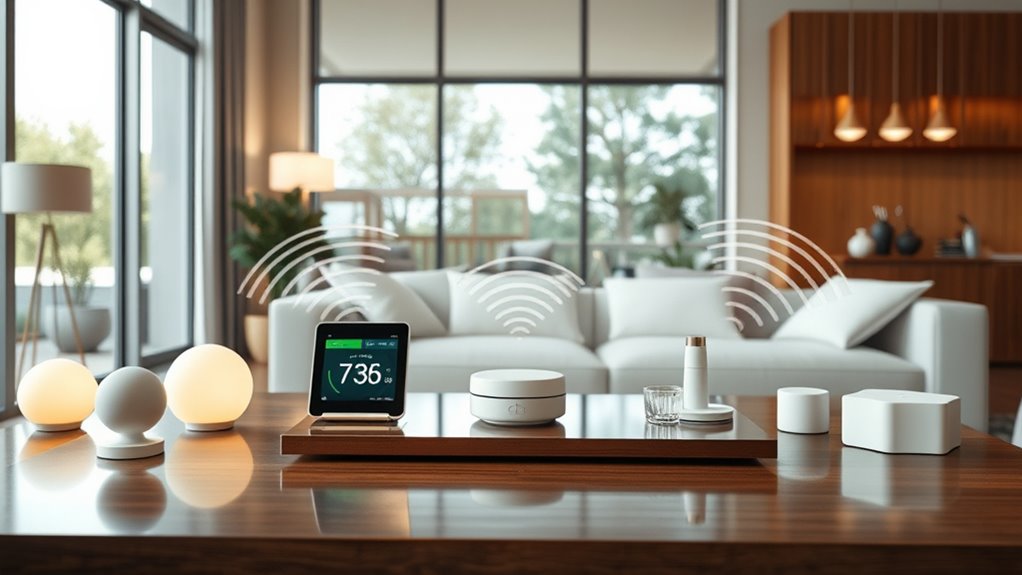
Wondering how Matter improves device compatibility? It addresses interoperability challenges by creating a universal language for smart devices. With Matter, devices from different brands can communicate seamlessly, reducing frustration during setup. You no longer need to worry about incompatible apps or confusing configurations. The standard simplifies device setup, making it faster and more straightforward. Instead of juggling multiple apps or troubleshooting connectivity issues, you can connect your devices effortlessly through a common protocol. This unified approach ensures that devices work together reliably, whether you’re adding a new smart bulb or a security camera. By removing compatibility barriers, Matter makes your smart home experience smoother, more dependable, and easier to expand over time. Long-term compatibility helps ensure long-term compatibility and reduces the need for future upgrades, promoting device interoperability across various brands and types. Additionally, the standard encourages the development of universal compatibility protocols, which further enhance the ease of integration for future devices.
The Security Features Embedded in Matter

How does Matter guarantee your smart devices stay secure? It uses robust security measures like device encryption to protect your data from unauthorized access. This encryption ensures that all communication between devices and the network remains private and tamper-proof. Additionally, user authentication plays a crucial role by verifying your identity before granting access or control, preventing unauthorized users from manipulating your devices. Vetted security protocols are built into the standard itself, meaning all compatible devices automatically adopt these protections. This integrated approach minimizes vulnerabilities and provides peace of mind. By combining device encryption with strict user authentication, Matter creates a secure environment for your smart home, making it much harder for hackers to compromise your connected devices. Ensuring ongoing security updates is also essential to address emerging threats and maintain device integrity over time. Incorporating cybersecurity best practices further enhances the overall security framework, safeguarding your digital environment comprehensively. Additionally, the standard emphasizes device identity management, which helps verify each device’s legitimacy within your network, reducing the risk of malicious interference.
Getting Started With Matter-Enabled Devices

Getting started with Matter-enabled devices is straightforward, thanks to their standardized setup process. When you bring a new device into your smart home, the setup is designed to be quick and seamless. Typically, you’ll use a compatible app or voice assistant to connect the device, and the process guides you step-by-step. Because Matter guarantees consistent device setup across brands, you won’t need to worry about different procedures for each brand. Brand integration is smooth, allowing devices from various manufacturers to work together effortlessly. This interoperability simplifies the initial setup, saves time, and reduces frustration. Additionally, device interoperability ensures that your smart home ecosystem remains unified and easy to manage. The use of standardized protocols further enhances compatibility and reduces setup complexity. This consistent approach also helps prevent setup errors, making the entire process more reliable. In addition, unified ecosystem management allows for easier updates and troubleshooting across all devices. The standardized process also minimizes configuration issues, making device addition more reliable and stress-free. Once connected, your Matter-enabled device is ready to integrate into your existing smart home ecosystem, making daily control and automation more intuitive and reliable.
The Future Impact of Matter on Smart Home Technology

As smart home technology continues to evolve, Matter is poised to markedly transform how devices communicate and function. It promises to improve interoperability, making it easier for you to control all your devices through a single platform. However, there are still interoperability challenges and market adoption hurdles. Some manufacturers might resist switching to the new standard, delaying widespread adoption. In the future, you’ll likely see more seamless device integration, reducing setup time and frustration. Yet, overcoming industry resistance and ensuring compatibility across brands will be critical. standardization efforts will play a key role in shaping a more unified smart home experience, fostering industry shifts that promote innovation and consumer confidence. As the technology landscape develops, consumers can expect more intuitive and reliable smart home systems. This increased device compatibility will help create a truly interconnected living environment. Additionally, ongoing market adoption strategies are essential to encourage widespread acceptance and implementation. Here is a quick look at what’s ahead:
| Challenge | Opportunity |
|---|---|
| Interoperability issues | Smoother device integration |
| Adoption resistance | Faster, more reliable tech |
| Market hesitations | Expanded smart home ecosystem |
| Compatibility concerns | Universal device control |
| Industry shifts | Innovation in home automation |
Frequently Asked Questions
Will Existing Smart Home Devices Become Obsolete With Matter?
Existing smart home devices won’t become obsolete with Matter, but compatibility concerns may arise. You might need firmware updates or new hubs to guarantee they work seamlessly with the new standard. While some older devices could face limited support, most should remain functional. You’ll want to check manufacturers’ info to avoid device obsolescence and ensure your smart home continues running smoothly without replacing everything.
How Does Matter Affect Device Energy Consumption?
Matter improves your device’s energy efficiency by optimizing power management, helping them use less energy during standby and operation. You’ll notice devices that support Matter manage power better, reducing unnecessary energy consumption. This standard encourages manufacturers to develop smarter, more efficient devices that save you money and lessen your environmental impact. Overall, Matter’s focus on power management means your smart home devices will be more energy-efficient, making your home greener and more cost-effective.
Are There Any Privacy Concerns With Matter-Enabled Devices?
You might worry about privacy risks with Matter-enabled devices, but they’re designed with data security in mind. Think of these devices as vaults protecting your information, with encryption and secure protocols reducing risks. While no system is entirely risk-free, Matter’s standards aim to safeguard your data and prevent unauthorized access. Stay vigilant by regularly updating your devices and using strong passwords to keep your smart home private.
Can I Use Matter Devices Internationally Without Compatibility Issues?
Yes, you can use Matter devices internationally, but keep regional standards in mind. Matter aims to improve international compatibility, allowing devices to work across different regions. However, some features or device functions might still face regional limitations due to local regulations or network infrastructure. Before traveling or buying devices for international use, verify that they support regional standards and are compatible with your local smart home ecosystem to ensure smooth operation.
What Brands Are Currently Supporting the Matter Standard?
Did you know over 200 brands have committed to supporting the Matter standard? Currently, major players like Apple, Google, Amazon, and Samsung are leading the way. These brands prioritize compatibility and seamless device integration, making it easier for you to connect and control smart home devices across different ecosystems. With such broad support, you’ll find it simpler to build a unified, reliable smart home system that works smoothly together.
Conclusion
With over 11,000 devices already supporting Matter, it’s clear this standard is transforming your smart home experience. By simplifying device compatibility and boosting security, Matter helps you create a more seamless, safer environment. As more manufacturers adopt this standard, expect your smart home to become even smarter and more reliable. Embrace Matter now and enjoy the convenience of a truly interconnected home—because a recent survey shows 78% of users feel more confident with devices that meet standardized security.