

Deciding between sticking to one brand or mixing devices depends on your priorities. A single-brand ecosystem offers smoother integration and easier management, but may limit device options. On the other hand, mixing brands gives you more flexibility and customization, though it can add complexity. Consider your existing devices, tech comfort level, and desired automation features. If you want to build a smart home that fits your needs perfectly, exploring how to choose the best approach is essential.
Key Takeaways
- Single-brand ecosystems offer smoother integration and simpler device management for a seamless user experience.
- Mixing brands provides greater device variety and customization options, but may increase setup complexity.
- Compatibility issues can arise when combining different brands, potentially requiring additional hubs or workarounds.
- Consider your technical comfort level and preferred user interface when choosing between a single brand or mix and match.
- Prioritize ecosystem compatibility with your existing devices and voice assistants to ensure reliable, effortless operation.
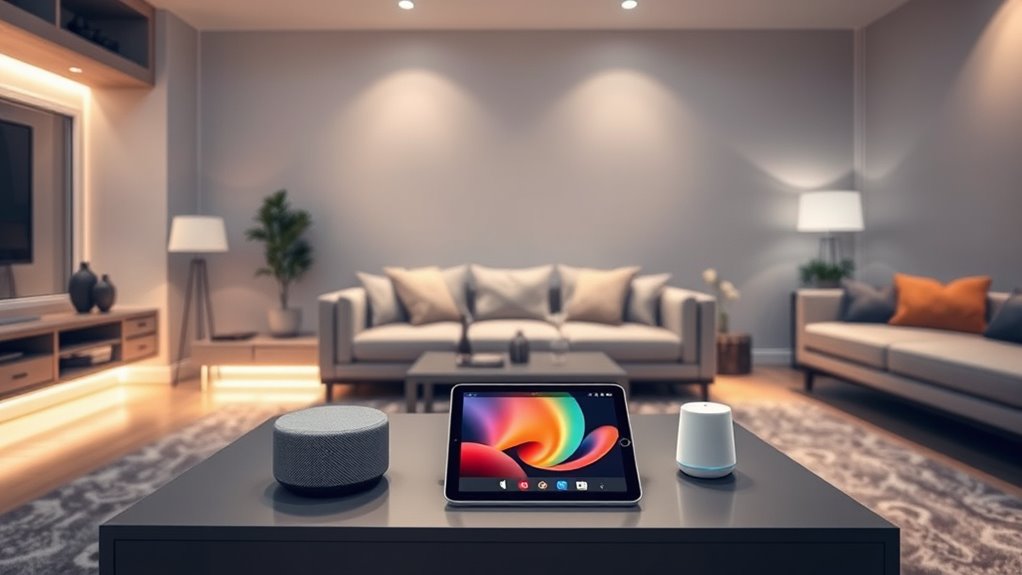
Choosing the right smart home ecosystem can feel overwhelming with so many options available. You want a setup that’s seamless, reliable, and easy to manage, but with so many brands and devices out there, it’s hard to know where to start. One major factor to consider is device compatibility. Not all smart devices play nicely together, even if they’re labeled as compatible with a certain ecosystem. Before committing, you need to check whether your existing devices or those you plan to buy will work smoothly within the ecosystem you’re considering. If compatibility is limited, you might face frustration, needing workarounds or additional hubs just to get things functioning properly. Conversely, choosing a platform with broad device compatibility can save you headaches and help you build a cohesive smart home over time. Ensuring device compatibility across your chosen ecosystem can significantly enhance overall performance and user satisfaction. Another vital aspect is user experience. When you’re managing multiple devices, you want an ecosystem that feels intuitive and responsive. A well-designed user interface makes controlling your smart home effortless, whether you’re adjusting the thermostat, turning on lights, or checking security cameras. If the app is clunky or confusing, it can quickly become a source of frustration, making you less inclined to use your smart devices regularly. Some ecosystems offer more streamlined apps, voice control options, and automation features that simplify daily routines and improve overall satisfaction. You should also think about how well the ecosystem integrates with your preferred voice assistants or other smart platforms, as this can greatly enhance your user experience. Deciding whether to stick with one brand or mix and match devices depends on your needs and technical comfort level. A single-brand ecosystem often guarantees smoother integration, fewer compatibility concerns, and a more consistent user experience. However, it might limit your choices or force you to settle for devices that aren’t exactly what you want. On the other hand, mixing brands can give you more flexibility to select the best devices for each purpose, but it may require extra effort to verify compatibility and to manage different apps or interfaces. If you’re tech-savvy and enjoy customizing your setup, a mix-and-match approach could be rewarding. But if you prefer simplicity and reliability, sticking with a single ecosystem may be the better choice. Ultimately, your decision should balance device compatibility, user experience, and your personal preferences. Think about what devices you already own or plan to buy, how much effort you’re willing to put into managing multiple platforms, and which ecosystem offers the best integration for your lifestyle. By carefully evaluating these factors, you can create a smart home setup that’s not only functional but genuinely enjoyable to use every day.

Hubitat Elevation C-8 Pro Smart Home Automation Hub – Latest Platform Updates – Matter 1.5, Z-Wave 800 LR, Zigbee 3.0 & Bluetooth – Local Control (No Cloud) – Alexa, Apple HomeKit & Google Home
POWERFUL SMART HOME PERFORMANCE – EVEN WITHOUT INTERNET Hubitat C-8 Pro runs automations inside your home instead of…
As an affiliate, we earn on qualifying purchases.
As an affiliate, we earn on qualifying purchases.
Frequently Asked Questions
Can I Switch Ecosystems Later Without Losing My Devices?
You can switch ecosystems later, but device migration can be tricky. Many devices are ecosystem-locked in, meaning they work best within the brand’s environment and may not transfer easily. Before switching, check if your devices are compatible with other ecosystems or if they support open standards. Keep in mind, migrating might require resetting devices or replacing some, so plan accordingly to avoid losing functionality or facing compatibility issues.
What Are the Security Differences Between Ecosystems?
You’ll find that security protocols and data encryption vary between ecosystems. Some brands prioritize robust security features, offering end-to-end encryption and frequent updates, while others might have less rigorous protocols. It’s essential to research each ecosystem’s security measures before committing. By choosing a trusted brand with strong security protocols, you guarantee your smart home devices are protected against hacking and data breaches.
How Do I Ensure Compatibility With Existing Smart Devices?
Ever wonder how to guarantee your existing smart devices work seamlessly? To achieve device compatibility and smooth ecosystem integration, check each device’s compatibility list before expanding. Use hubs or controllers that support multiple protocols like Zigbee or Z-Wave, and stick to devices that work with your chosen platform. This way, you create a unified smart home experience, avoiding frustration and maximizing your devices’ potential.
Are There Cost Differences Between Choosing One Brand or Mixing Brands?
You’ll often find that mixing brands can be more cost-effective, as it allows for a broader cost analysis and flexibility to choose affordable options. However, sticking with one brand might offer better deals through brand loyalty discounts and bundled savings. Consider your budget, the compatibility of devices, and long-term costs. Weigh these factors to determine whether a single brand or a mix of brands aligns best with your financial goals.
Which Ecosystem Offers the Best Customer Support and Updates?
Did you know that 78% of smart home users prioritize reliable customer support? You’ll find that ecosystems like Apple’s HomeKit and Samsung SmartThings excel in customer support and firmware updates, ensuring your devices stay secure and functional. Choosing a platform with consistent updates and responsive support means fewer frustrations. Opt for brands known for their quality service, so you enjoy a smooth, hassle-free smart home experience.

Google Nest Thermostat – Smart Thermostat for Home – Programmable Wifi Thermostat – Snow
ENERGY STAR certified smart thermostat for home that helps you save energy and stay comfortable.Product note: You can…
As an affiliate, we earn on qualifying purchases.
As an affiliate, we earn on qualifying purchases.
Conclusion
Choosing a smart home ecosystem is like picking a trusted partner—you want compatibility and ease. Sticking with one brand simplifies setup and reduces headaches, but mixing and matching can give you tailored control. Think about what matters most: seamless operation or customization. Whichever path you choose, make sure it feels right for you—like finding a cozy home where everything just fits. Your perfect smart home is out there, waiting to make your life easier and more connected.
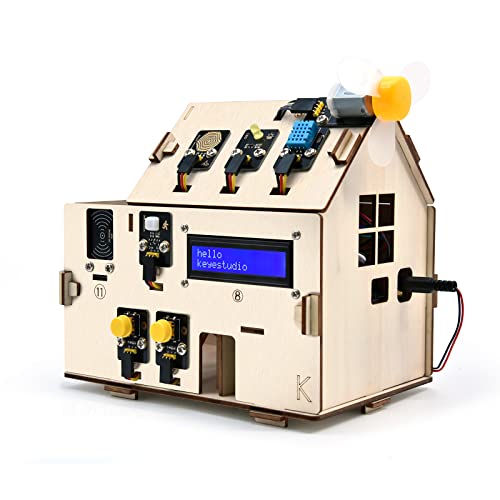
KEYESTUDIO IOT ESP32 Smart Home Starter Kit for Arduino and Python,Electronics Home Automation Coding Kit, Wooden House DIY Sensor Kit,STEM Educational Set for Adults Teens 15+
Entry-level Coding Kit for Beginners:Designed for learning electronics and programming in a simple and fun way.KEYESTUDIO coding kit…
As an affiliate, we earn on qualifying purchases.
As an affiliate, we earn on qualifying purchases.

Ezlo Plus Smart Home Hub with Zigbee & Z-Wave. Works with Wi-Fi Devices Associated with Amazon Alexa Devices & Google Assistant to Control Smart Locks, Lights, Switches and CCTV Cameras
OS for Property: The Ezlo Plus Smart Home Hub runs on MiOS by Ezlo, the first operating system…
As an affiliate, we earn on qualifying purchases.
As an affiliate, we earn on qualifying purchases.