
Smart home devices can use a lot of data, especially security cameras and streaming devices that stream high-definition video. Continuous streaming and frequent firmware updates can quickly eat through your data plan. However, managing settings like video quality and scheduling updates during off-peak hours can help control usage. If you’re concerned about bandwidth, understanding how your devices use data will help you optimize your network—keep going for more tips and insights.

Get the latest gadgets delivered free with Prime
- Fast, free delivery on millions of items
- Prime Video, Amazon Music and more included
- Member-only deals all year
Key Takeaways
- High-definition streaming cameras and devices consume significant data, especially during continuous use or updates.
- Firmware updates and multiple devices streaming simultaneously can quickly deplete your data plan.
- Adjusting device settings, like lowering video quality, helps reduce overall data usage.
- A slow or unstable internet connection can increase data consumption due to buffering and repeated transmissions.
- Upgrading your internet plan ensures smoother operation and better bandwidth management for multiple smart devices.
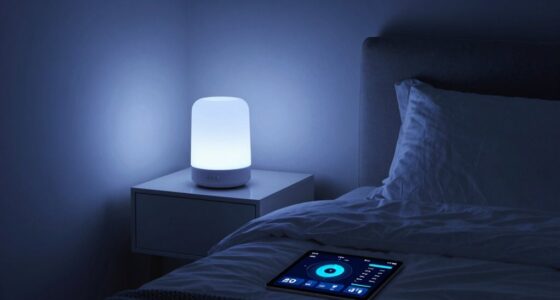
smart home security camera with adjustable video quality
As an affiliate, we earn on qualifying purchases.
As an affiliate, we earn on qualifying purchases.
How Much Data Do Common Smart Home Devices Use?
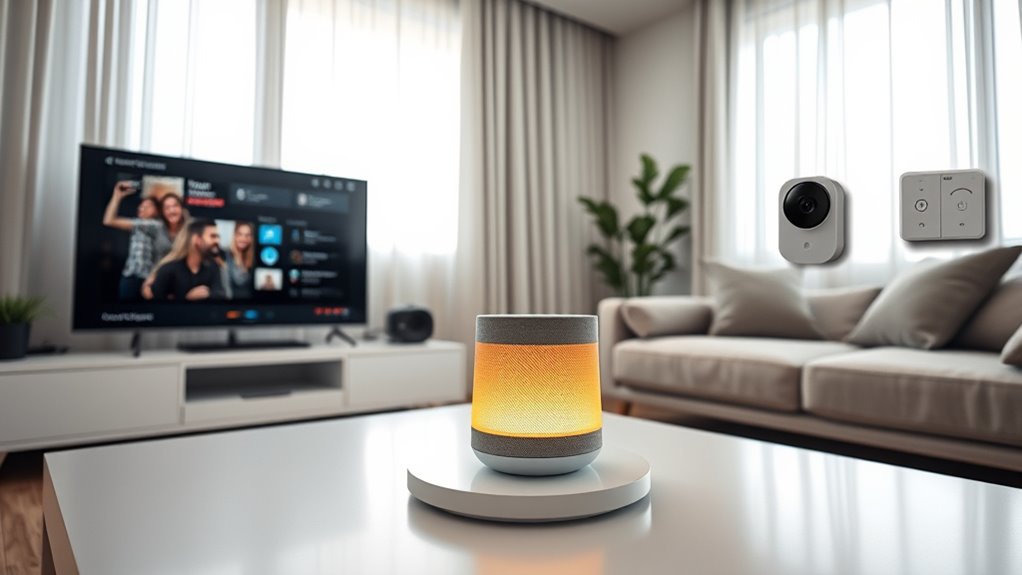
Ever wonder how much data your smart home devices actually consume? The amount varies depending on the device type and usage. For instance, security cameras can use several gigabytes daily if streaming high-definition video constantly, raising privacy concerns if your network isn’t secure. Security camera usage can significantly increase your data consumption, especially during continuous streaming. Smart thermostats and light bulbs typically use minimal data, mostly during setup or adjustments. Device compatibility plays a role too; older devices may require more data for updates or may not optimize bandwidth effectively. Keep in mind that constant data exchange can impact your internet speed and privacy, especially if devices aren’t properly secured. Understanding these data needs helps you manage your bandwidth better and ensures your smart home remains both efficient and safe. Additionally, European cloud innovation provides advanced solutions to securely manage and optimize data usage across your smart devices. For example, implementing bandwidth management techniques can help prevent network congestion and improve overall performance. Recognizing data consumption patterns can also help you identify which devices are using the most bandwidth and adjust accordingly. Being aware of secure network practices is essential to protect your privacy and prevent unauthorized access to your smart home system.
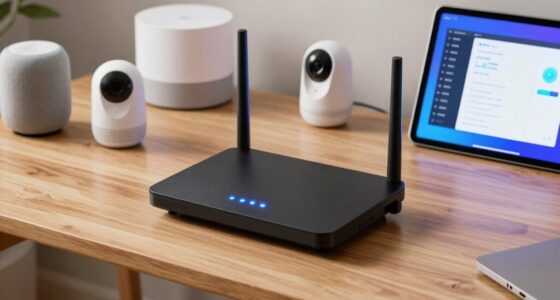
bandwidth management router for smart homes
As an affiliate, we earn on qualifying purchases.
As an affiliate, we earn on qualifying purchases.
Factors That Influence Data Consumption in Smart Homes
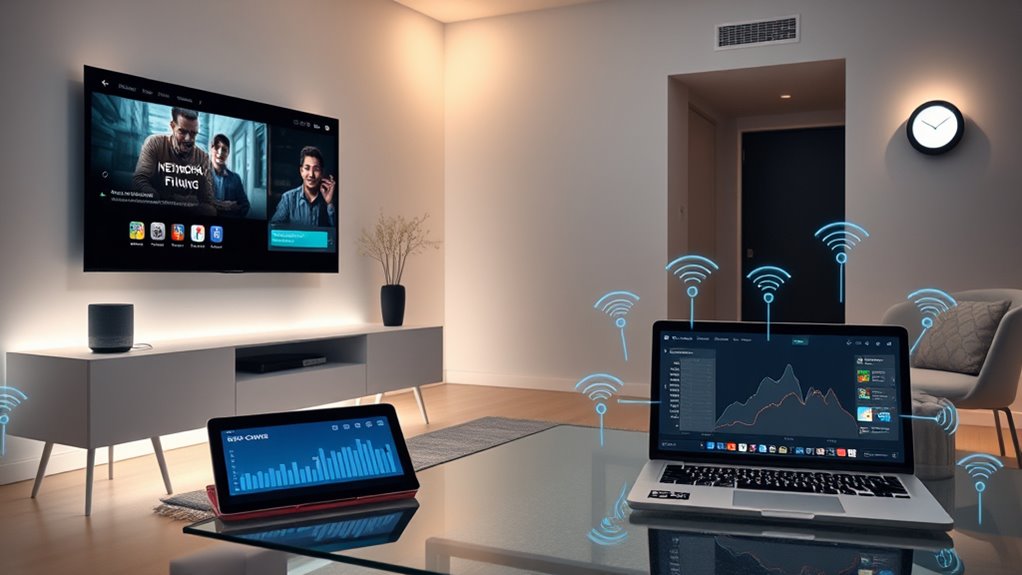
Your smart home’s data use depends on the types of devices you have and how often you use them. Internet speed and stability can also impact how smoothly your devices operate and consume data. Additionally, your data management settings play a big role in controlling how much information your devices transmit and receive.
Device Types and Usage
Different smart home devices vary considerably in how much data they consume, depending on their functions and usage patterns. Devices like security cameras and smart TVs typically use more data due to streaming and continuous video recording. In contrast, smart thermostats or lighting tend to use less data, mostly for control commands and updates. Your device compatibility influences how seamlessly these devices work together, potentially affecting data flow. Additionally, device privacy concerns may lead you to limit data sharing or choose locally processed devices, reducing overall data use. For example, Free Floating devices may operate primarily through local networks, minimizing external data consumption. Understanding the data demands of various devices can help you optimize your bandwidth and maintain privacy. For instance, many smart home systems incorporate local processing options to keep data within your home network, enhancing security and reducing bandwidth use. Here are some key factors: 1. Streaming devices and security cameras consume high data due to video quality. 2. Control and automation devices use less data, mainly for updates. 3. Privacy settings impact data sharing and overall consumption.
Internet Speed and Stability
Internet speed and stability directly impact how efficiently your smart home devices operate and how much data they consume. If your connection is slow or unstable, devices like smart security cameras may buffer or drop footage, leading to repeated data transmission and higher overall usage. A stable internet connection ensures smooth streaming for smart home security systems, reducing unnecessary data overload. Voice assistant privacy can also be affected; laggy connections may cause delays or misinterpretations during commands, prompting repeated interactions that increase data use. Consistent bandwidth helps prevent disruptions, keeping your devices functioning at their best while minimizing excess data consumption. Strengthening your internet stability is essential for managing data effectively, ensuring your smart home stays secure, responsive, and privacy-conscious.
Data Management Settings
Adjusting data management settings on your smart home devices plays a significant role in controlling overall data consumption. By customizing these settings, you can reduce unnecessary data use, address privacy concerns, and enhance security protocols. Here are three ways to manage data effectively:
- Limit automatic updates and backups to occur only over Wi-Fi, preventing excessive data use.
- Adjust video quality settings on cameras and streaming devices to lower data consumption without sacrificing security.
- Enable encryption and strong security protocols to protect your privacy and prevent unauthorized data access.
smart home device data usage monitor
As an affiliate, we earn on qualifying purchases.
As an affiliate, we earn on qualifying purchases.
Monitoring and Managing Your Smart Devices’ Data Usage
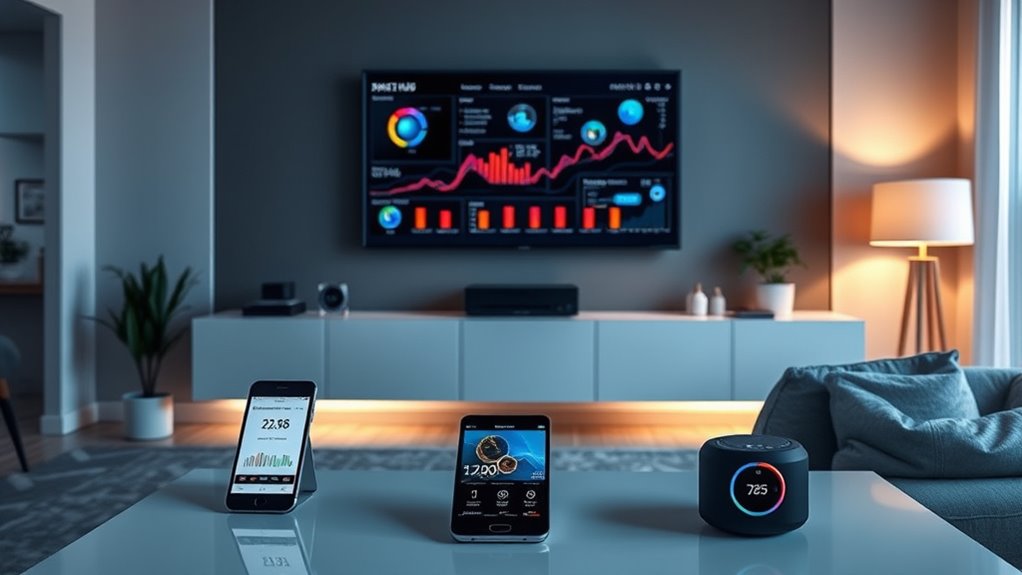
To keep your data usage in check, start by monitoring how much data each device consumes. You can then adjust your connectivity settings to reduce unnecessary data transfers. This way, you maintain control and prevent unexpected overages.
Track Device Data Usage
Monitoring your smart devices’ data usage is essential to guarantee overages and assure they operate efficiently. By tracking usage, you can identify which devices consume the most bandwidth and prevent unexpected charges. It also helps address privacy concerns and strengthens data security, as you become aware of unusual activity that could indicate security breaches. To effectively monitor data, consider these steps:
- Use your router’s management tools to view real-time device data consumption.
- Set alerts for when devices reach certain data thresholds.
- Regularly review device logs to detect unauthorized access or unusual spikes.
Keeping an eye on data usage not only saves you money but also safeguards your privacy. Staying proactive helps you maintain control over your smart home network and keeps your devices secure.
Optimize Connectivity Settings
Managing your smart devices’ connectivity settings is a key step in controlling data usage and ensuring your network runs smoothly. Start with Wi Fi optimization by placing your router centrally and minimizing interference from walls or other electronics. This improves signal strength and reduces unnecessary data consumption due to slow or dropped connections. Additionally, prioritize your devices by configuring device prioritization settings on your router, giving bandwidth to essential devices like security cameras or smart thermostats. Limiting background activity and scheduling updates during off-peak hours also helps reduce data spikes. Regularly review and adjust these settings to maintain ideal performance. By fine-tuning your Wi Fi and prioritizing devices, you can effectively manage your smart home’s data usage and keep your network running efficiently.
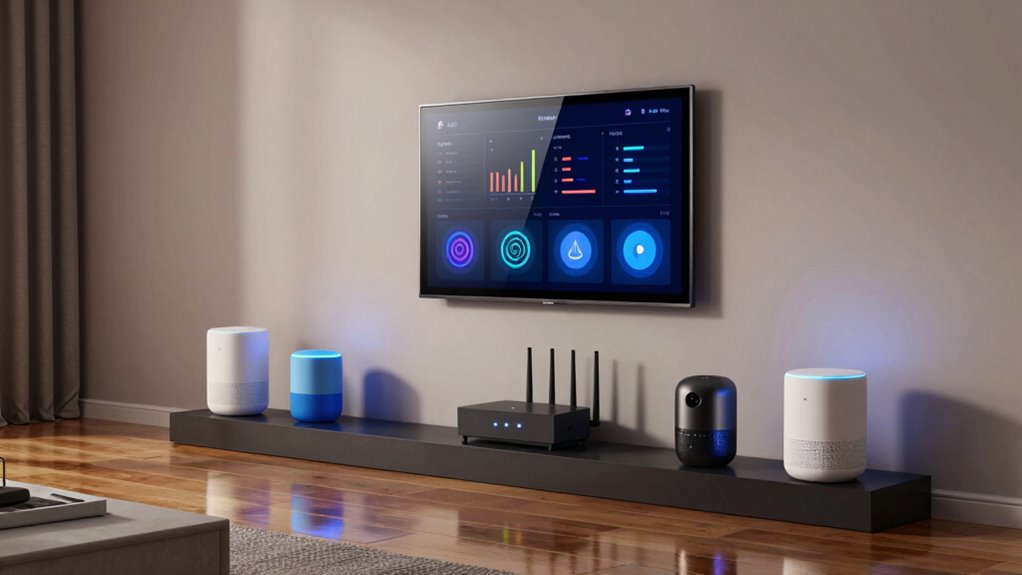
Wi-Fi extender for smart home devices
As an affiliate, we earn on qualifying purchases.
As an affiliate, we earn on qualifying purchases.
Tips to Reduce Bandwidth Usage in Your Smart Home
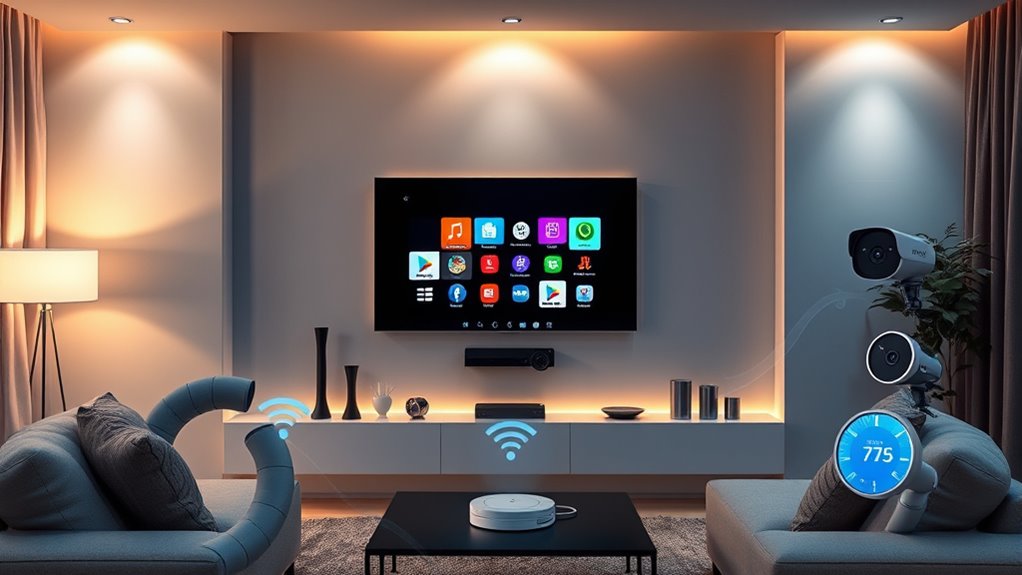
Reducing bandwidth usage in your smart home can substantially improve performance and prevent data overages. To protect your privacy and guarantee security protocols are intact, consider these tips:
- Limit video streaming and camera resolution to lower data consumption while maintaining privacy concerns.
- Schedule automatic updates during off-peak hours to avoid unnecessary bandwidth spikes.
- Disable or restrict device notifications and real-time alerts, saving bandwidth and reducing security risks.
Implementing these strategies helps you control data flow, preserve privacy, and strengthen your security protocols. Regularly review device settings to confirm they’re optimized, and disable features that aren’t essential. Staying proactive in bandwidth management minimizes data overages and keeps your smart home operating smoothly.
Understanding Data Usage During Firmware Updates and Streaming

Firmware updates and streaming activities can consume a significant amount of data, especially when multiple devices are involved in your smart home. Firmware updates often require downloading large files, which can quickly eat into your data cap if you’re not careful. Streaming bandwidth, used for activities like watching videos or listening to music, also uses substantial data, particularly in high definition. When several devices stream simultaneously, your overall data consumption spikes. To manage this, consider scheduling firmware updates during off-peak hours or connecting devices via Ethernet to reduce wireless bandwidth strain. Monitoring your data usage during streaming sessions helps you identify high-traffic activities. Understanding how firmware updates and streaming contribute to your data consumption enables you to optimize your bandwidth and avoid unexpected overages. Data management tools can provide detailed insights into your usage patterns, helping you make informed decisions. Additionally, being aware of bandwidth allocation can help you prioritize essential activities and prevent network congestion. Implementing QoS settings can further enhance your network performance by ensuring critical devices receive the necessary bandwidth. Regularly reviewing your data consumption patterns can help you spot unusual activity that might indicate security issues or device malfunctions, and utilizing monitoring tools can aid in this process.
When to Upgrade Your Internet Plan for Your Smart Home Needs

As your smart home ecosystem grows and more devices rely on constant internet connectivity, it becomes essential to evaluate whether your current internet plan still meets your needs. If you notice slow response times, buffering, or lag in smart home security systems and voice assistants, it’s likely time to upgrade. Consider these indicators:
- Multiple smart devices streaming or updating simultaneously
- Frequent connectivity issues affecting security cameras or voice assistant privacy
- Increasing data consumption impacting your bandwidth limits
Upgrading your internet plan ensures smooth operation of your smart home, maintains privacy, and supports seamless security features. Strong, reliable internet helps keep your connected devices secure and responsive, preventing disruptions that could compromise your smart home’s safety and privacy.
Frequently Asked Questions
How Can I Identify Which Devices Use the Most Data?
To identify which devices use the most data, start by checking your router’s bandwidth monitoring feature. It shows device data consumption in real-time, highlighting high-usage devices. You can also access your router’s admin panel or use dedicated apps to see detailed reports. This way, you quickly spot bandwidth hogs, allowing you to manage your network better and prevent any device from overwhelming your internet connection.
Are There Privacy Concerns Related to Data Monitoring in Smart Homes?
Think of your smart home like a guarded castle, with data encryption acting as the fortress walls protecting your privacy. While monitoring systems can feel intrusive, you control access through clear privacy policies. Yes, there are privacy concerns, but by choosing devices with strong encryption and reviewing policies, you safeguard your personal information. Stay vigilant, ask questions, and ensure your digital castle remains secure and private.
Do Smart Home Devices Automatically Update to Optimize Data Usage?
Yes, many smart home devices automatically update to maximize data usage. These automatic updates ensure your devices stay current with the latest features and security patches, which can also improve data efficiency. By doing so, they reduce unnecessary data transfer and help manage your bandwidth better. Keep in mind, some updates might require a Wi-Fi connection, so monitoring update settings can help you control data consumption effectively.
Can I Prioritize Bandwidth for Specific Smart Devices?
You can prioritize bandwidth for specific smart devices using prioritization strategies on your router. Think of it as putting your best foot forward—allocating more device bandwidth guarantees vital gadgets like security cameras or smart thermostats stay connected. Most routers offer Quality of Service (QoS) settings, allowing you to assign priorities easily. This way, your smart home runs smoothly, and your essential devices get the attention they need without lag.
How Does 5G Impact Data Consumption of Smart Home Devices?
5G enhancements markedly reduce data consumption concerns for your smart home devices by providing faster, more efficient connections. With improved bandwidth, your devices transmit data more quickly, often using less overall data through smarter updates and streaming. To optimize this, adopt data consumption strategies like scheduling updates during off-peak hours and prioritizing essential device activity, ensuring your network remains smooth while making the most of 5G’s capabilities.
Conclusion
As you navigate your smart home, remember that data use often coincides with your daily routines—whether streaming, updating, or simply living. Staying attentive to your devices’ consumption helps you avoid surprises and keeps your bandwidth flowing smoothly. Coincidences like firmware updates happening during off-peak hours can unexpectedly boost your data needs. By managing your smart devices thoughtfully, you guarantee your home runs seamlessly—making technology work for you, not against you.
Halloween Picks
halloween
As an affiliate, we earn on qualifying purchases.