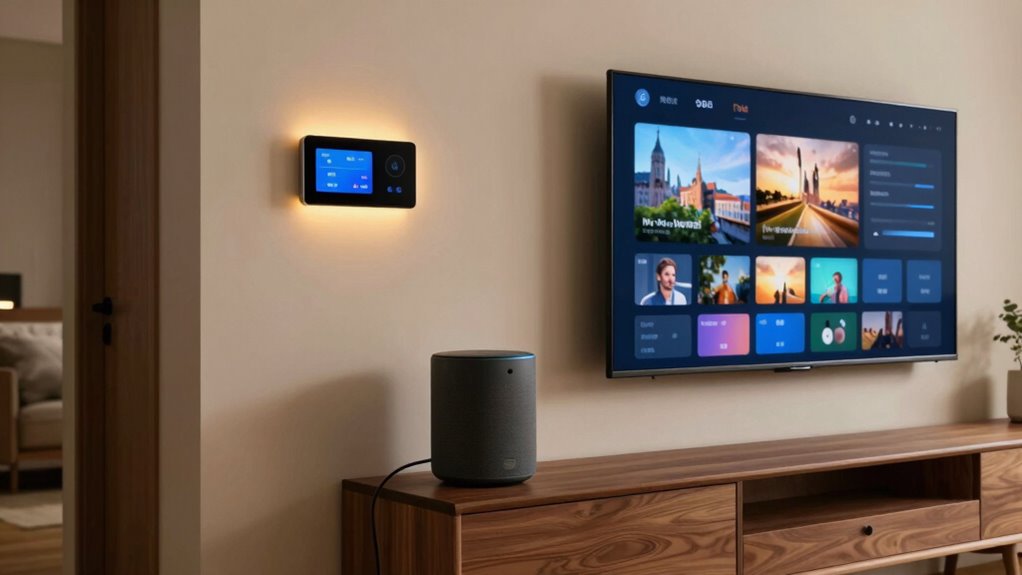

When choosing a smart home ecosystem, focus on device compatibility and interoperability to guarantee everything works smoothly together. Consider your existing devices and future plans, like pet gadgets or sustainability features, to create a cohesive environment. Prioritize security with regular updates and clear protocols, and think about ease of use and expandability to adapt as your needs grow. To build a truly seamless home, exploring more insights will help you make the best choice.

Get the latest gadgets delivered free with Prime
- Fast, free delivery on millions of items
- Prime Video, Amazon Music and more included
- Member-only deals all year
Key Takeaways
- Prioritize compatibility with existing devices and future gadgets to ensure seamless integration and prevent vendor lock-in.
- Assess interoperability among devices for a cohesive, harmonized smart home experience.
- Regularly update firmware and security protocols to maintain safety and device performance.
- Consider compatibility with pet-related and sustainable devices to enhance convenience and energy efficiency.
- Choose ecosystems that support voice control, ease of use, and future expandability for long-term satisfaction.
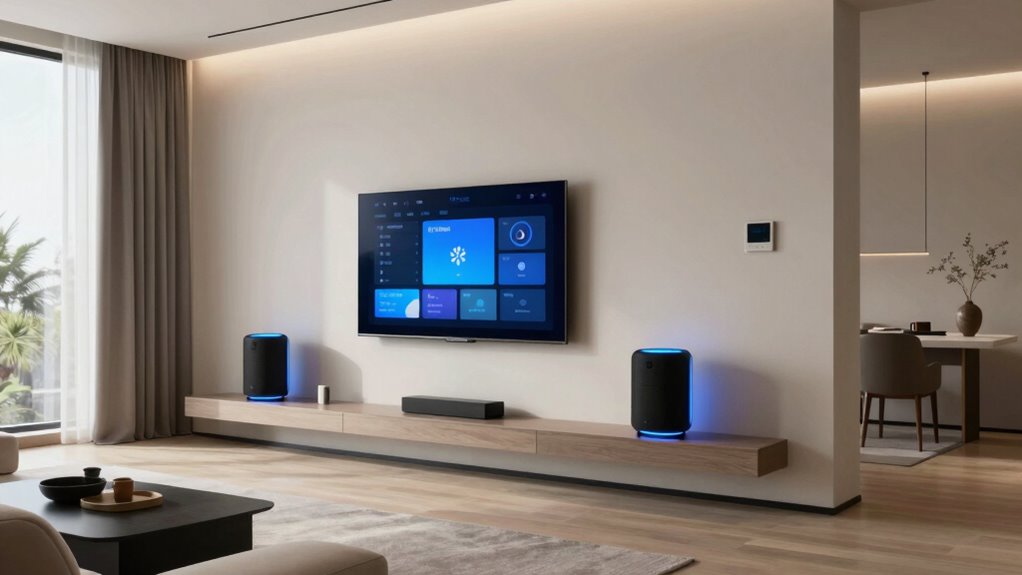
When evaluating ecosystems, think about how well the devices integrate with each other. For example, if you already own a smart speaker or hub, check whether it supports the other gadgets you plan to add. Compatibility isn’t limited to just hardware; look into the software platforms also. Some ecosystems are more open, allowing you to incorporate third-party devices, which broadens your options and avoids vendor lock-in. This flexibility can be vital if your needs evolve over time or if you want to upgrade certain components without replacing the entire system. Additionally, understanding the interoperability between devices can help ensure seamless communication and a more cohesive smart home experience.
Another key aspect to contemplate is how the ecosystem handles updates and security. A robust ecosystem provides regular firmware updates to improve performance and address vulnerabilities. As you connect more devices, security becomes increasingly important, especially if some of these devices control access to your home or contain sensitive information. Make sure the ecosystem you choose offers strong security features and gives you control over who can access your network. Additionally, considering the compatibility with dog breeds and other pet-related devices can be beneficial if you want your smart home to enhance your pet’s environment. Being aware of security protocols can help you better protect your connected home from potential threats. Furthermore, aligning your device choices with electric power generation options like bike generators can help create a more sustainable and energy-efficient setup. It’s also worth noting that comprehensive traceability of device updates and security measures can help you maintain peace of mind over time.
Finally, think about the overall user experience. An ecosystem that supports voice control and has broad device compatibility should feel intuitive and straightforward. Your goal is to create a smart home where devices work harmoniously without constant troubleshooting. While price is a factor, investing in a well-integrated ecosystem ensures reliability, ease of use, and future expandability. When you pick the right ecosystem, you’re not just buying gadgets; you’re building a connected environment that adapts to your lifestyle, simplifies tasks, and enhances your home’s security.
smart home ecosystem compatible devices
As an affiliate, we earn on qualifying purchases.
As an affiliate, we earn on qualifying purchases.
Frequently Asked Questions
How Do I Future-Proof My Smart Home Ecosystem?
To future-proof your smart home ecosystem, prioritize AI integration and device scalability. Choose platforms that support seamless AI updates, ensuring your system stays current and intelligent. Opt for devices that easily expand and connect with new tech, so your setup can grow with your needs. Staying flexible with compatible brands and protocols helps you adapt as technology advances, making your smart home more resilient and future-ready.
Are There Privacy Concerns With Interconnected Devices?
Imagine a web linking all your devices—beautiful but fragile. Privacy risks and data security are real concerns with interconnected devices, as hackers could exploit vulnerabilities or access sensitive info. You need to prioritize strong passwords, regular updates, and trusted brands. While the convenience is tempting, staying vigilant protects your personal data. Think of it as safeguarding your digital home, ensuring your connected ecosystem remains a safe and smart space.
Can I Integrate Third-Party Products Into My Ecosystem?
Yes, you can integrate third-party products into your ecosystem, but it depends on the system’s compatibility. Look for devices with strong third-party compatibility to guarantee seamless integration. Ecosystem flexibility is key—choose platforms that support a wide range of brands and products. This way, you can customize your smart home to suit your needs, adding devices from different manufacturers without sacrificing functionality or ease of use.
What Is the Average Cost to Build a Smart Home Ecosystem?
The average cost to build a smart home ecosystem varies, but you should plan on spending between $1,000 and $5,000, depending on device compatibility and the complexity of your setup. A thorough cost comparison helps you choose affordable devices that work well together. Keep in mind, investing in compatible devices saves money and hassle down the line, ensuring your ecosystem functions smoothly and efficiently.
How Do I Troubleshoot Compatibility Issues?
Imagine a smart home where devices suddenly stop communicating. When troubleshooting connectivity, start by checking device compatibility—ensure your devices support the same protocols like Zigbee or Z-Wave. Restart your router and devices, then update firmware if needed. If issues persist, consult the manufacturer’s troubleshooting guides. Compatibility problems often stem from mismatched protocols or outdated software, so verifying these can quickly restore smooth operation and keep your smart home running seamlessly.
smart home hub with voice control
As an affiliate, we earn on qualifying purchases.
As an affiliate, we earn on qualifying purchases.
Conclusion
So, as you enthusiastically piece together your perfect smart home, remember that building an ecosystem isn’t just about convenience—it’s about creating a chain you can’t easily break. Ironically, the more you integrate, the more you might find yourself trapped in a web of dependencies. But hey, at least you’ll be “connected,” right? Just keep in mind: the smartest move might be knowing when to step back and keep some control.
interoperable smart home security system
As an affiliate, we earn on qualifying purchases.
As an affiliate, we earn on qualifying purchases.
As an affiliate, we earn on qualifying purchases.
Halloween Picks
halloween
As an affiliate, we earn on qualifying purchases.