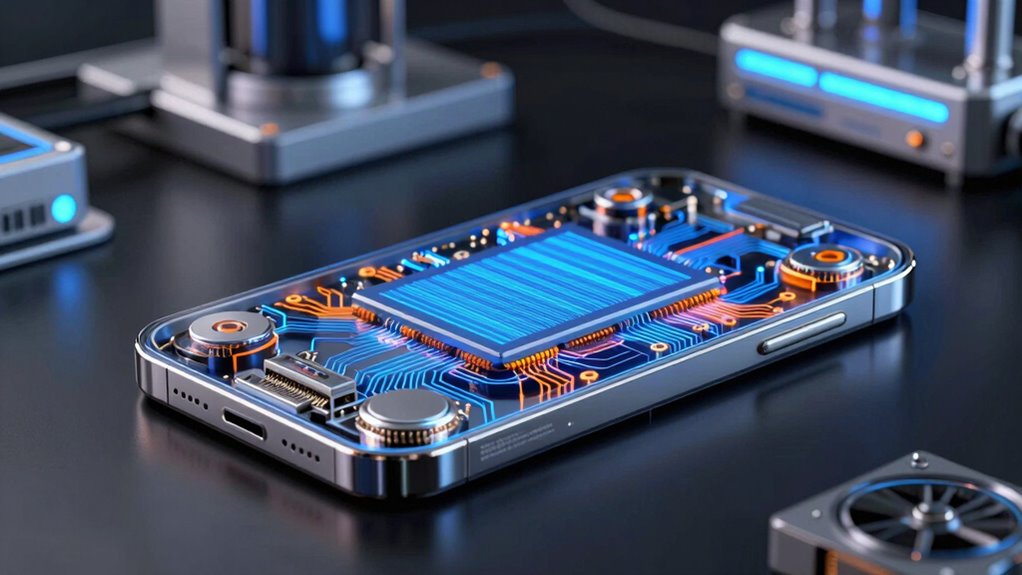

Solid-state batteries could soon be a game-changer for your gadgets, offering safer, longer-lasting power with higher energy density. They replace liquid electrolytes with solid materials, reducing fire risks and improving performance across temperature ranges. While challenges like manufacturing complexity exist, recent innovations are making them closer to commercial use. If you want to discover how these advancements could boost your devices’ battery life and safety, there’s more to explore.
Key Takeaways
- Solid-state batteries offer higher energy density, enabling longer gadget usage between charges.
- They provide enhanced safety with non-flammable, leak-proof electrolytes, reducing fire risks.
- Improved durability and longer lifespan support more reliable, longer-lasting devices.
- Advanced electrolyte materials and interface engineering boost charging speeds and efficiency.
- Ongoing innovations aim to make solid-state batteries commercially viable for widespread gadget integration.
Understanding How Solid-State Batteries Work
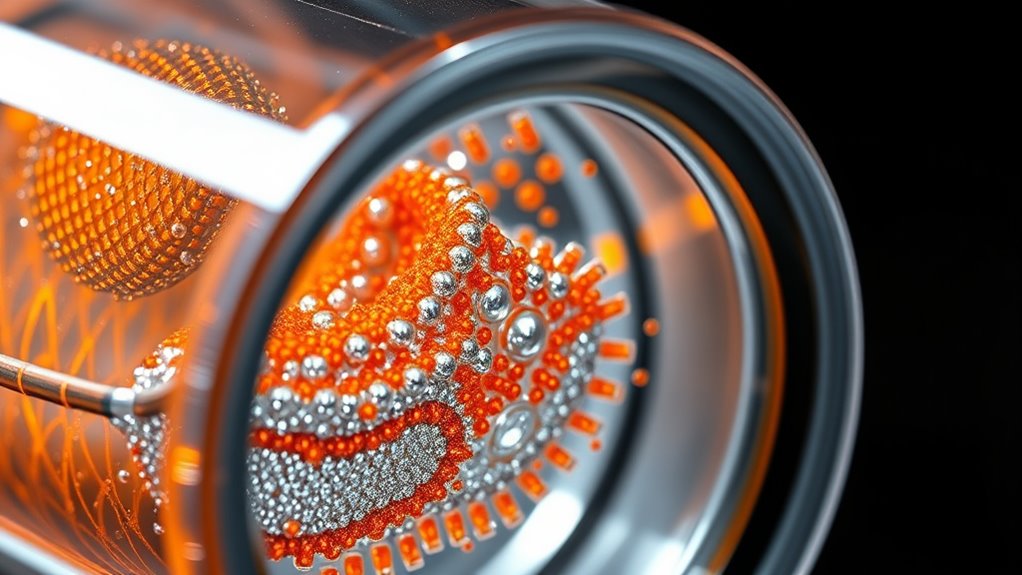
Solid-state batteries differ from traditional lithium-ion batteries primarily because they use a solid electrolyte instead of a liquid or gel one. This solid electrolyte often includes advanced materials like ceramic or polymer compounds, which improve safety and stability. You’ll find that graphene integration plays a vital role, as it enhances the electrolyte’s conductivity and mechanical strength. The electrolyte composition is carefully designed to facilitate efficient ion transfer while preventing dendrite formation that can cause short circuits. Unlike liquid electrolytes, the solid version reduces leakage risks and allows for higher energy density, making batteries safer and more powerful. Additionally, solid electrolyte materials are continually being developed to further improve performance and longevity. Research into advanced materials is driving innovations that could significantly extend battery life and efficiency. For example, exploring new electrolyte compositions can lead to even better stability and charge capacity. By understanding these core components—the solid electrolyte, electrolyte composition, and graphene integration—you get a clearer picture of how solid-state batteries operate and why they hold so much promise for future tech. Furthermore, smart home technology innovations are increasingly leveraging advancements in energy storage like solid-state batteries to power more efficient and reliable devices. As these developments progress, the potential for energy storage solutions to transform various sectors becomes even more evident.
Advantages Over Traditional Lithium-Ion Batteries
One of the main advantages of solid-state batteries is their enhanced safety compared to traditional lithium-ion batteries. They’re less prone to overheating and thermal runaway, making them safer during use and battery recycling. This stability allows them to operate effectively across a wider ambient temperature range, reducing the risk of performance loss in extreme conditions. Unlike lithium-ion batteries, which rely on liquid electrolytes that can leak or catch fire, solid electrolytes are non-flammable. Additionally, solid-state batteries can offer higher energy density, meaning longer device use between charges. Their durability also translates into a longer lifespan, reducing the frequency of replacement and waste. Furthermore, research indicates that Mastering R Sounds in Speech Therapy techniques can improve communication clarity, which is essential when discussing advanced technologies like solid-state batteries with diverse audiences. The development of these batteries is also supported by ongoing advancements in AI-powered research, which accelerate innovation and testing processes. Another key benefit is their potential to enable more compact and lightweight device designs, making them especially attractive for portable electronics and electric vehicles. Improving battery manufacturing processes is crucial to making solid-state batteries more commercially viable and affordable. Additionally, the use of advanced materials in their construction enhances their overall performance and safety. Overall, these features make solid-state batteries a smarter, safer choice, especially in environments where temperature fluctuations and safety are critical factors.
Current Challenges in Developing Solid-State Technology

Developing solid-state batteries faces significant hurdles, especially in manufacturing complexity. You’ll encounter challenges in ensuring consistent quality and scalability during production. Additionally, material stability issues can cause performance and safety concerns that need addressing before widespread adoption. Ensuring the use of professional-grade materials can help mitigate some of these stability issues and improve reliability. Moreover, advances in advanced manufacturing techniques are crucial to overcoming these manufacturing challenges and enabling large-scale production. Implementing quality control measures throughout the production process can further enhance consistency and safety in the final products. Emphasizing material testing protocols is also essential to verify the long-term durability of the batteries under various operating conditions. Incorporating real-world testing scenarios can provide valuable insights into how these batteries perform over time and across different environments.
Manufacturing Complexity Hurdles
Manufacturing solid-state batteries presents significant challenges because their production requires highly precise and delicate processes that differ markedly from traditional lithium-ion cell fabrication. The manufacturing complexity stems from the need to handle fragile solid electrolytes, which are more prone to defects and require strict environmental controls. Achieving consistent quality at scale is difficult, as even small imperfections can compromise performance. Supply chain hurdles also pose obstacles, since sourcing pure, high-quality materials like ceramic electrolytes and specialized separators can be problematic. These materials often involve complex, costly production methods, limiting availability. Free Floating Integrating these components into a seamless manufacturing process demands advanced techniques and significant investment, making mass production a formidable hurdle for solid-state battery commercialization.
Material Stability Issues
Why do material stability issues pose such a significant obstacle for solid-state batteries? The core challenge lies in electrolyte degradation over time, which diminishes the battery’s performance and lifespan. As the battery cycles, the electrolyte can break down, creating unstable conditions that impair ion transfer. Additionally, interface stability between the solid electrolyte and electrodes is difficult to maintain. Poor interface stability can lead to increased resistance, capacity loss, and potential safety risks. Developing materials that resist degradation and guarantee a stable interface is critical. Without these advancements, solid-state batteries may not deliver the durability and reliability needed for widespread adoption. Improving material stability is essential to revealing the full potential of solid-state technology for future gadgets. The ongoing research into crystal structure and material compositions aims to address these stability concerns, making the technology more viable. Moreover, understanding how material degradation occurs can help scientists design more resilient components to extend battery life.
Recent Breakthroughs and Innovations
Have recent breakthroughs in solid-state battery technology transformed the landscape of energy storage? Researchers have made significant progress, improving safety, energy density, and charging times. Innovations in materials have led to more durable and reliable batteries, pushing them closer to commercial viability. These advancements also impact battery recycling efforts, making it easier to recover materials and reduce environmental impact. By designing batteries with recyclable components, manufacturers can lower waste and lessen pollution. Additionally, new production techniques are reducing costs, accelerating adoption across industries. These breakthroughs signal a promising future where solid-state batteries could outperform traditional lithium-ion cells, while also supporting sustainability goals. As technology advances, expect even more efficient, eco-friendly energy solutions that could revolutionize how you power your devices and vehicles.
Impact on Consumer Electronics and Electric Vehicles

As solid-state batteries become more viable, their impact on consumer electronics and electric vehicles is poised to be transformative. You’ll notice longer-lasting devices and cars with improved range and safety. These batteries also reduce concerns about battery recycling, as they generate less hazardous waste and are easier to recycle. Governments are starting to implement regulations promoting sustainable practices, encouraging manufacturers to adopt solid-state tech. This shift will likely accelerate industry upgrades and eco-friendly initiatives. Here’s a quick overview:
| Benefit | Challenge |
|---|---|
| Longer battery life | Initial high costs |
| Enhanced safety | Scaling manufacturing |
| Eco-friendly recycling | Navigating regulations |
Expect a significant boost in performance, with environmental and regulatory factors shaping the future. Recognizing the importance of detecting passive voice, writers can improve clarity and engagement in discussions about emerging technologies. Additionally, advancements in battery manufacturing techniques are crucial to overcoming current production challenges and ensuring widespread adoption. Improving production scalability is essential for meeting the growing demand and making solid-state batteries more accessible to consumers. Moreover, ongoing research into cost reduction strategies is vital for making these batteries economically feasible for mass markets. Emphasizing the role of secure communication solutions can further aid in protecting proprietary manufacturing processes and research data during the development phase.
Market Adoption and Industry Investment

The adoption of solid-state batteries is accelerating as major manufacturers and investors recognize their potential to revolutionize the energy storage industry. Industry regulation is starting to adapt, setting standards that encourage innovation while ensuring safety. As investment grows, so does confidence in the supply chain: 1. Manufacturers are forming strategic partnerships to secure raw materials and production capacity. 2. Governments are providing funding and incentives to accelerate commercialization. 3. Industry regulation is evolving to address safety and performance standards. 4. Supply chain logistics are being optimized to meet increasing demand for advanced batteries. Additionally, the importance of travel tech & electronics in supporting these innovations means that staying informed about industry developments can give consumers an edge. Your involvement in this market means staying ahead of regulatory changes and supply chain developments that will shape the industry’s growth trajectory. Staying informed about industry standards can help you better understand the evolving landscape of battery technology, especially as nanotechnology advances open new possibilities for performance enhancements.
Future Outlook and Potential Developments

Advancements in material science could open new possibilities for solid-state batteries, making them more efficient and safer. However, overcoming market adoption challenges remains a key hurdle that could slow widespread use. As these developments progress, you’ll want to stay informed about how they might shape the future of energy storage.
Breakthroughs in Material Science
Breakthroughs in material science are poised to revolutionize the future of solid-state batteries by enabling the development of safer, more efficient, and higher-capacity energy storage solutions. You’ll see significant progress through:
- Electrolyte innovations that improve ionic conductivity and stability, reducing risks like dendrite formation.
- Advances in interface engineering that create seamless connections between electrodes and electrolytes, boosting performance.
- New solid materials that are more flexible, durable, and compatible with existing manufacturing methods.
- Enhanced understanding of material interactions, leading to tailored compositions that maximize energy density.
These breakthroughs will accelerate the commercial viability of solid-state batteries, making your devices safer, longer-lasting, and more reliable in the near future.
Market Adoption Challenges
Despite the promising potential of solid-state batteries, several market adoption challenges could slow their widespread deployment. Consumer skepticism remains a significant barrier, as many people question whether these batteries will deliver on their promises of safety and longevity. Overcoming this doubt requires transparent communication and proven performance data. Additionally, regulatory hurdles pose another obstacle; current standards and approval processes may delay commercialization or increase costs. Manufacturers must navigate complex safety testing and certification procedures before bringing solid-state batteries to market. Without addressing these issues, adoption could stall, regardless of technological advances. For rapid adoption, industry players need to build trust with consumers and work closely with regulators to streamline approval processes, ensuring solid-state batteries reach consumers efficiently and safely.
Frequently Asked Questions
How Long Will Solid-State Batteries Last Before Needing Replacement?
Solid-state batteries typically last 10 to 20 years before needing replacement, but this depends on usage and maintenance. You might experience less battery degradation over time, reducing replacement frequency. These batteries are more durable and resistant to issues like capacity loss. With proper care, you could enjoy longer-lasting performance, making solid-state batteries a smarter choice for your gadgets. Expect them to outperform traditional batteries in longevity and reliability.
Are Solid-State Batteries Environmentally Friendly and Recyclable?
You’ll be amazed at how solid-state batteries could revolutionize eco-friendliness, but they still face recycling challenges that impact their environmental footprint. While they use safer, less toxic materials, extracting and recycling these components isn’t yet seamless. This could mean a bigger environmental impact if not addressed. As technology advances, expect improvements, but for now, keep in mind that their recyclability isn’t perfect, and managing their environmental impact remains essential.
What Safety Advantages Do Solid-State Batteries Offer Over Lithium-Ion?
You’ll find that solid-state batteries are safer than lithium-ion because they offer greater thermal stability, reducing the risk of overheating. This means they’re less likely to catch fire or explode if damaged or improperly charged. Their solid electrolyte resists the formation of dendrites, which can cause short circuits. Overall, this makes solid-state batteries a more secure choice, especially for devices where safety is a top priority.
When Will Solid-State Batteries Be Affordable for Everyday Consumers?
You’ll likely see solid-state batteries become affordable within the next 5 to 10 years, as manufacturers tackle their biggest hurdles. Cost reduction and manufacturing challenges are the gatekeepers, but innovations and scaling production will eventually turn these cutting-edge batteries into everyday essentials. Think of it as a brewing storm—once the clouds clear, you’ll enjoy longer-lasting gadgets that don’t break the bank. Patience will pay off soon.
Can Solid-State Batteries Be Scaled for Large Energy Storage Systems?
You can scale solid-state batteries for large energy storage systems, but it’s still challenging. Grid-scale storage needs vast quantities, and manufacturing challenges like ensuring consistent quality and reducing costs must be addressed. While promising, researchers are working to overcome these hurdles, so it might take a few more years before you see widespread use in large-scale applications. Keep an eye on advancements—they could revolutionize energy storage soon.
Conclusion
While solid-state batteries promise longer-lasting, safer power, their development still faces hurdles like cost and scalability. You might imagine a future where gadgets and cars run seamlessly on this technology, yet right now, challenges remain. The leap from potential to reality is significant, but the benefits could transform your daily tech experience. It’s a battle between innovation and obstacles, and only time will tell if solid-state batteries will truly power your world.