
There are several iPhone settings that Apple restricts or hides to protect your device’s security, stability, and privacy. You might want to tweak options like battery health details, app permissions, or advanced network settings for better control. While some restrictions keep your device safe, understanding these limits can help you optimize performance without risking security. If you want to uncover how to make these adjustments safely, keep exploring—you’ll find useful tips along the way.
Key Takeaways
- Accessing detailed battery health info helps optimize device lifespan but is restricted to prevent accidental misuse.
- Changing certain privacy permissions can enhance functionality but may compromise security if not carefully managed.
- Advanced settings are restricted to protect device stability and prevent harmful modifications.
- Disabling or tweaking hidden features can improve performance but might void warranty or cause issues.
- Understanding restricted options enables better device management without risking security or stability.
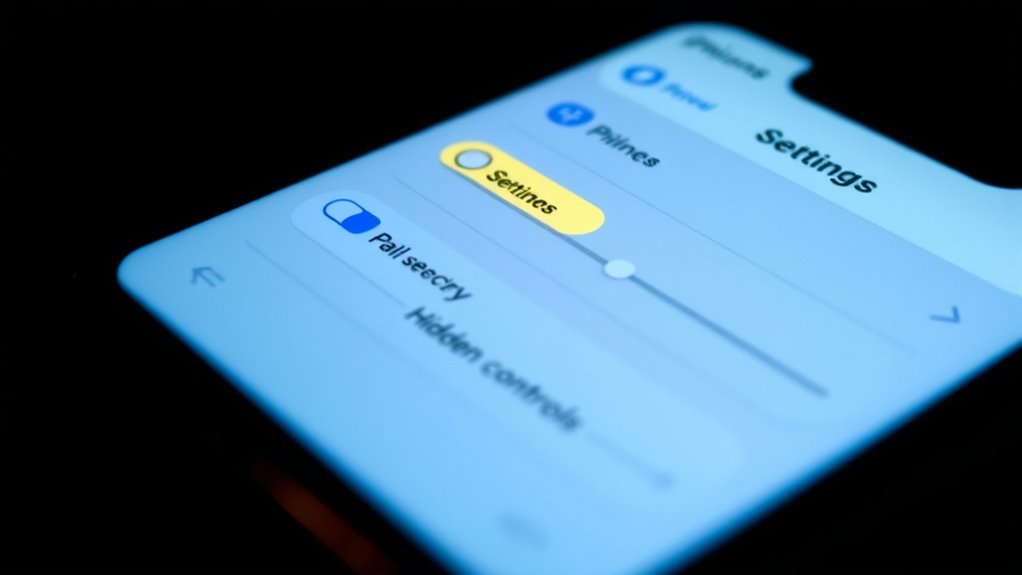
Many iPhone users remain unaware that some settings are intentionally hidden or restricted by Apple to protect device stability and security. These hidden or restricted options can considerably influence how your iPhone performs and how much control you have over its features. While Apple aims to keep your device safe and reliable, it’s also essential to understand that some settings are there for your benefit, even if they aren’t immediately obvious.
One critical area you might want to pay attention to is battery health. Apple limits access to detailed battery information to prevent users from making unnecessary adjustments that could harm the device. However, you can still check your battery’s maximum capacity and peak performance capability through the Settings app under Battery health. Knowing this helps you decide when it’s time to replace your battery or adjust your usage habits to extend your device’s lifespan. Some users might be tempted to disable certain features or tweak settings that Apple restricts, but doing so can negatively impact battery longevity or cause unexpected shutdowns. By understanding the importance of these restrictions, you can better balance device performance and battery life without risking stability.
Monitoring your battery health helps extend lifespan and prevent unexpected shutdowns.
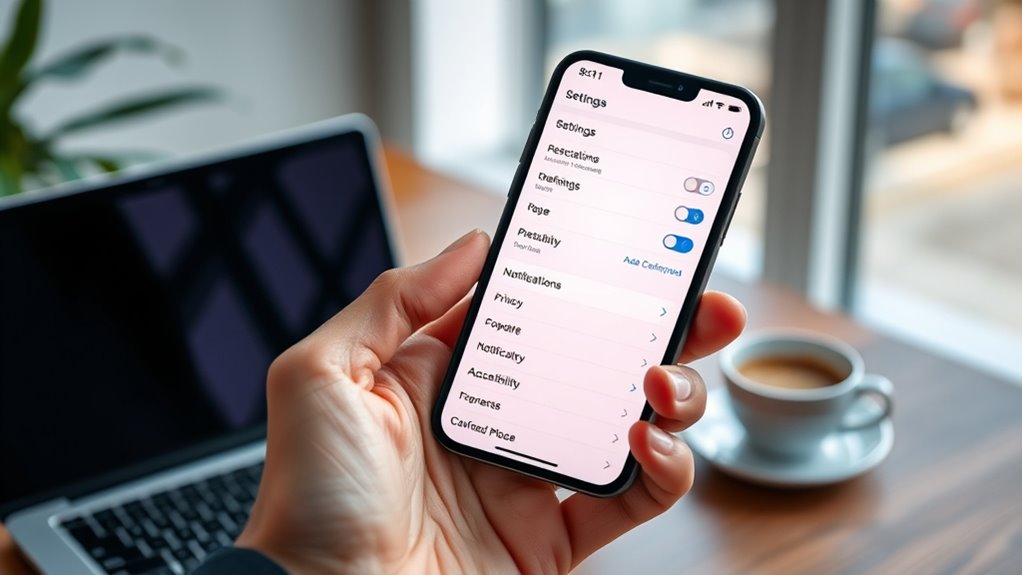
Another area where Apple restricts user access is app permissions. While you can control app permissions for location, camera, microphone, and notifications, some permissions are hidden or limited to prevent misuse. For example, the system might restrict access to certain hardware functions or data to protect your privacy and security. However, you still have control over most permissions through Settings > Privacy. It’s imperative to review these permissions regularly because some apps might request access to sensitive information you wouldn’t expect. Restricting app permissions unnecessarily can disable functionalities or cause apps to malfunction, but permissive settings pose privacy risks. So, it’s a balancing act—you want to keep your data safe without restricting app features excessively.
Additionally, some advanced settings are deliberately restricted to prevent accidental changes that could impact device stability or security. Apple’s restrictions aren’t just about security; they’re also intended to prevent accidental or malicious damage to your device. Nonetheless, as a user, it’s important to understand that some of these restrictions exist to serve your best interests. You can’t always change everything, but knowing where and how to adjust the settings that are available empowers you to optimize your device’s performance, battery life, and privacy. Being aware of these hidden or restricted options helps you avoid frustration and ensures you’re making informed decisions about your device’s configuration. Ultimately, a little knowledge about these settings allows you to take better care of your iPhone without compromising its stability or security.

HOMOGO Smart Watches for Men Women, 1000mAh Battery Life Smart Watch for Android and iPhone Compatible, Fitness Tracker with Heart Rate/Sleep Monitor, 100+ Sports Modes, IP68 Waterproof
1000 mAh Long Battery Life: This android smart watch is built-in 1000 mAh battery large battery that can…
As an affiliate, we earn on qualifying purchases.
As an affiliate, we earn on qualifying purchases.
Frequently Asked Questions
Can Changing These Settings Void My Iphone Warranty?
Changing these settings usually won’t void your iPhone warranty, but warranty concerns may arise if you cause damage during the process or if a repair involves software restrictions. Apple’s policies are strict about hardware modifications, but adjusting settings like privacy or display options typically won’t influence your warranty. Just be cautious, follow proper procedures, and avoid tampering with hardware to ensure your warranty remains intact.
Are There Any Risks in Modifying These Default Settings?
Modifying default iPhone settings can introduce security risks and affect software stability. You might accidentally disable important security features or alter system functions, making your device more vulnerable to threats. While customizing settings can improve your experience, it’s essential to understand the potential risks involved. Always research changes thoroughly, and avoid tweaking settings if you’re unsure, to keep your device secure and running smoothly.
Will Altering These Options Affect My Device’s Battery Life?
Altering these options can improve your battery life, boost battery optimization, and extend your device’s longevity. You’ll notice longer usage, less frustration, and more freedom. However, consider security implications—disabling certain features may reduce protection. Balance your desire for better battery life with safety. By customizing your settings thoughtfully, you empower yourself, enhance performance, and enjoy your iPhone fully—because you deserve control and efficiency every day.
How Do I Reset Settings if Something Goes Wrong?
If something goes wrong, you can reset your iPhone settings by going to Settings > General > Reset > Reset All Settings. This performs a factory reset of your preferences without deleting your data. Use this as a troubleshooting step when issues persist. Remember, resetting settings can resolve many problems, but always back up your device beforehand to avoid losing important information.
Are These Changes Compatible With All Iphone Models?
You wonder if these changes are compatible with all iPhone models? The answer isn’t straightforward. Model compatibility varies, especially with older devices, and software updates can influence functionality. Some settings might not be available on every model, so check your specific device’s capabilities. Stay vigilant—what works on one iPhone might not work on another, especially after major iOS updates. Always verify before making significant adjustments.
![Ailun Privacy Screen Protector for iPhone 11 Pro/iPhone Xs/iPhone X [5.8 Inch] 2Pack Anti Spy Private Case Friendly, Tempered Glass](https://m.media-amazon.com/images/I/41yup36aDHL._SL500_.jpg)
Ailun Privacy Screen Protector for iPhone 11 Pro/iPhone Xs/iPhone X [5.8 Inch] 2Pack Anti Spy Private Case Friendly, Tempered Glass
Works For iPhone 11 Pro/iPhone Xs/iPhone X(5.8inch).Tempered glass screen protector. Featuring maximum protection from scratches, scrapes, and bumps.[Not…
As an affiliate, we earn on qualifying purchases.
As an affiliate, we earn on qualifying purchases.
Conclusion
So, don’t be afraid to tinker with these settings—you’re the captain of your iPhone ship. Changing them can boost your privacy, save battery life, or just make your device work better for you. Remember, even Marie Antoinette might’ve said, “Let them tweak,” before the digital revolution took hold. Take control and customize your iPhone; it’s your device, after all. Don’t let Apple’s secrecy keep you from getting the most out of it!
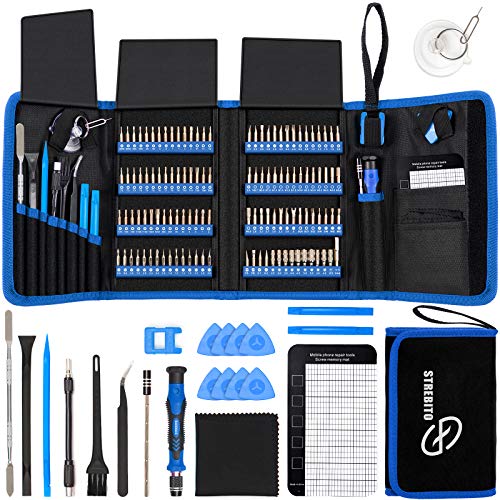
STREBITO Electronics Precision Screwdriver Sets 142-Piece with 120 Bits Magnetic Repair Tool Kit for iPhone, MacBook, Computer, Laptop, PC, Tablet, PS4, Xbox, Nintendo, Game Console
【Wide Application】This precision screwdriver set has 120 bits, complete with every driver bit you’ll need to tackle any…
As an affiliate, we earn on qualifying purchases.
As an affiliate, we earn on qualifying purchases.

Vgate vLinker BM Plus Bluetooth BLE OBD2 Scanner for BMW/Mini, Works with iPhone & Android Unlock Car Hidden Features in BimmerCode, OBD II Diagnostic Tool
[Coding your car] Unlocks hidden features on BM E Series, F Series, G Series, I Series and R…
As an affiliate, we earn on qualifying purchases.
As an affiliate, we earn on qualifying purchases.