

To protect yourself from accidental deletes, understand that versioning saves multiple file histories, letting you recover previous states if a mistake occurs. Synchronization keeps your files up-to-date across devices but can overwrite changes if not managed carefully. Using both features together offers a safety net—versioning preserves backups, while sync ensures current access. Mastering their use helps prevent data loss, and there’s more to learn on how to balance these tools effectively.
Key Takeaways
- Use versioning to keep multiple file backups, enabling easy recovery from accidental deletions or overwrites.
- Rely on synchronization for real-time updates but be cautious of syncing deletions across devices.
- Combine versioning with sync to both prevent data loss and maintain current, accessible files.
- Regularly review version histories to restore previous file states if an accidental delete occurs.
- Understand sync behaviors to avoid unintentional data loss, and use safeguards like trash bins or version control.
When managing digital files, understanding the differences between versioning and synchronization is vital. These two features are often confused, but they serve distinct purposes in the domain of file sharing and collaboration tools. Knowing how each works can help you prevent accidental deletes and maintain better control over your files. Versioning allows you to keep multiple copies of a file, each representing a different stage of editing or revision. When you make changes, instead of overwriting the original, the system saves a new version. This way, if you realize you made a mistake or want to revisit an earlier version, you can easily restore it without losing any progress. It’s particularly useful in collaborative environments where multiple people are working on the same document, guaranteeing everyone can access previous iterations if needed. Additionally, the contrast ratio of a projector plays a vital role in how well details are rendered, especially in dark scenes, highlighting the importance of choosing a device with a high contrast capability.
Synchronization, on the other hand, continuously updates files across devices or platforms. When you make a change on one device, that change automatically reflects on others connected to the same account or folder. This real-time updating guarantees everyone has access to the latest version, which streamlines workflows and reduces confusion. However, because sync automatically overwrites older files with newer ones, it can sometimes lead to accidental deletions if you’re not careful—say, if someone deletes a critical file, and that change syncs across all devices. To mitigate this risk, many collaboration tools include safeguards like trash bins or version histories, but understanding when and how synchronization occurs helps you avoid unintended data loss.
In file sharing environments, these features are vital. Collaboration tools that incorporate versioning give teams the confidence to experiment and iterate without fear of losing previous work. They also simplify the process of resolving conflicts, such as when two people edit the same document simultaneously. Synchronization, meanwhile, ensures everyone stays on the same page by updating files instantly. Yet, it’s essential to recognize that synchronization can sometimes overwrite important data if not managed properly. By combining both features—using versioning to keep backups and synchronization to keep files current—you create a robust system that minimizes the risk of accidental deletes and data loss.
Ultimately, the key is knowing when to rely on each. Use versioning when you need a safety net for changes, and leverage synchronization to keep your team’s files up-to-date. When you understand these differences and how they work within your chosen collaboration tools, you gain better control over your digital files. This knowledge helps you prevent costly mistakes, like accidental deletions, and keeps your workflow smooth and efficient. By mastering versioning and synchronization, you guarantee your files are both protected and accessible, giving you peace of mind in your digital management.
![Free Fling File Transfer Software for Windows [PC Download]](https://m.media-amazon.com/images/I/41Vq6ZqHfjL._SL500_.jpg)
Free Fling File Transfer Software for Windows [PC Download]
Intuitive interface of a conventional FTP client
As an affiliate, we earn on qualifying purchases.
As an affiliate, we earn on qualifying purchases.
Frequently Asked Questions
Can Versioning Prevent Data Corruption?
Yes, versioning can prevent data corruption by maintaining multiple copies of your files over time. It acts as a solid backup strategy, allowing you to restore previous versions if corruption occurs. This helps preserve data integrity and minimizes the risk of losing important information. By regularly enabling versioning, you guarantee you have a safety net, making it easier to recover from accidental changes or corruption.
Is Sync Faster Than Versioning?
You might think sync is always faster than versioning, but it really depends. Sync offers real-time updates, making it ideal for immediate changes and offline accessibility, which can speed up workflows. However, versioning compares changes over time, potentially taking longer during initial backups. If quick updates are your priority, sync generally outperforms versioning, especially for collaborative, real-time tasks.
How Do These Methods Handle Large File Sizes?
When handling large files, sync usually offers faster transfer speeds because it copies only the changed parts, reducing data transfer. Versioning might slow down with large files since it saves multiple iterations, increasing storage and processing time. If you work with big data, opt for sync to minimize delays. Just remember, versioning provides better historical recovery, but for speed, sync is more efficient with large files.
Are There Security Risks With Versioning or Sync?
Security susceptibilities surface with both versioning and syncing, so stay vigilant. You face potential privacy concerns and security vulnerabilities like unauthorized access or data breaches. By enabling strong passwords, two-factor authentication, and encryption, you can diminish dangers. Don’t neglect these necessary protections—proactively prevent problems, protect your privacy, and keep your data secure while enjoying the benefits of versioning and syncing.
Which Method Is Better for Collaborative Editing?
You should use syncing for collaborative workflows, as it allows real-time updates and seamless editing. Syncing helps prevent editing conflicts by instantly reflecting changes across all users, making teamwork smoother. Versioning, while useful for tracking changes, may introduce delays and conflicts if multiple people edit the same document simultaneously. For efficient collaboration, syncing keeps everyone on the same page and minimizes the risk of accidental overwrites.

Microsoft OneDrive 2026 Guide for Beginners: Master Cloud Storage File Sync Security Backup And Collaboration For Everyday Productivity Across All Devices And Skill Levels
As an affiliate, we earn on qualifying purchases.
As an affiliate, we earn on qualifying purchases.
Conclusion
Choosing between versioning and sync isn’t just technical; it’s about safeguarding your work. Imagine accidentally deleting an important file—versioning lets you restore previous versions effortlessly, just like a freelancer recovering a client’s lost contract. Sync, on the other hand, keeps everything up-to-date across devices but risks overwriting. By understanding these tools, you guarantee your files stay safe, and you avoid costly mistakes. Protect your work—know when to rely on versioning or sync.
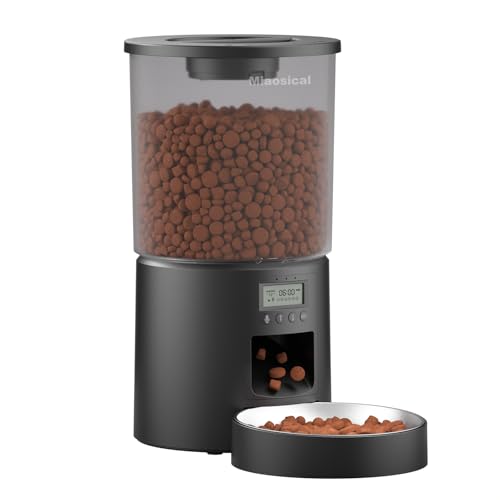
Automated Cat Feeder,Clear 4.2L Dry Food Dispenser with Single Bowl,Programmable Timed Pet Feeder for Up to 6 Daily Meals,10-Second Voice Message & Dual Power Backup (Black, 4.2L Press Version)
Visible 4.2L Hopper for Easy Food Monitoring This Auto Cat Feeder features a clear 4.2L food container that…
As an affiliate, we earn on qualifying purchases.
As an affiliate, we earn on qualifying purchases.

All-in-One PC Repair & Recovery 64GB USB for Techs – Bootable Password Reset, File Recovery, Virus Removal, Tech Toolkit – Works with Windows 11/10/8/7 – Windows 10 & 11 Re-Install Images
✅ Step-By-Step Video instructions on how to use on USB. Computer must be booted from the USB. Some…
As an affiliate, we earn on qualifying purchases.
As an affiliate, we earn on qualifying purchases.