
A high-end NAS is worth the complexity because it offers advanced features like seamless cloud integration, extensive customization, and robust security. You can tailor it to fit your specific needs, whether for media editing, virtualization, or large team collaboration. Its reliability and data protection tools ensure peace of mind, while its ability to evolve with your requirements highlights long-term value. Make sure exploring to discover how these powerful systems can truly transform your storage experience.

Get the latest gadgets delivered free with Prime
- Fast, free delivery on millions of items
- Prime Video, Amazon Music and more included
- Member-only deals all year
Key Takeaways
- Advanced cloud integration enhances remote access and collaboration, justifying the complexity for modern, distributed workflows.
- Hardware customization and scalability ensure tailored performance and future-proofing, making complexity beneficial long-term.
- Robust security features like snapshots and RAID provide critical data protection, warranting the learning curve.
- Mastering complex configurations improves system efficiency and builds technical expertise for larger-scale deployments.
- Strategic management of storage as a valuable asset offers significant long-term gains in security, control, and performance.
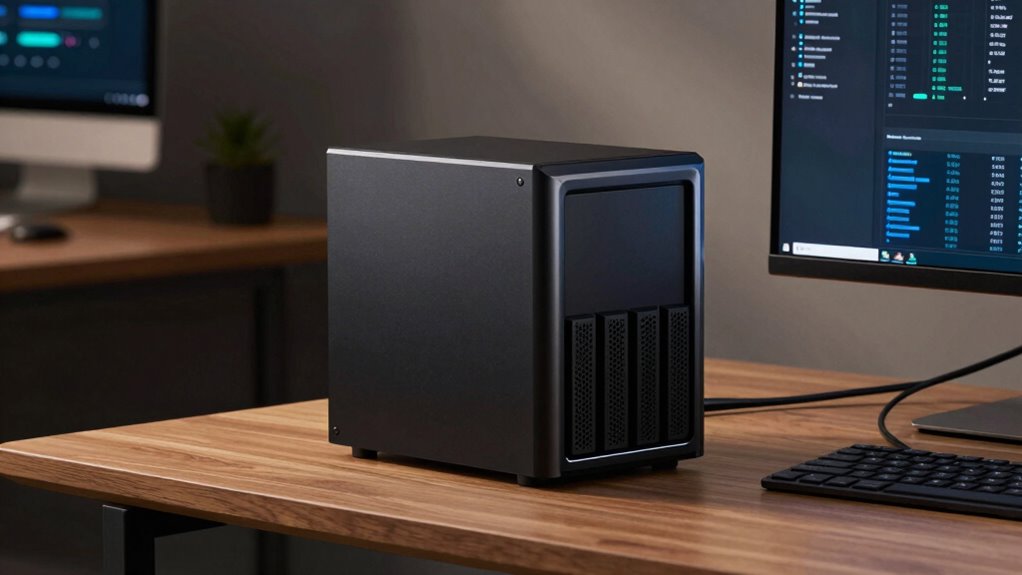
While high-end NAS devices offer impressive performance and advanced features, they often come with a level of complexity that can be intimidating for many users. However, if you’re willing to invest the time and effort, the benefits are substantial. These devices excel in areas like cloud integration, allowing you to seamlessly connect your local storage with various cloud services. This integration means you can automate backups, sync files across multiple platforms, and access your data remotely without hassle. It’s especially useful if you work with large files or collaborate with a team across different locations. The ability to integrate with popular cloud platforms like Google Drive, Dropbox, or OneDrive transforms your NAS into a hybrid storage solution, combining local speed with cloud flexibility. Additionally, many high-end NAS units support fire pits or outdoor features for enhanced usability in backyard transformations.
High-end NAS devices combine local speed with cloud flexibility through seamless integration with platforms like Google Drive, Dropbox, and OneDrive.
Another key aspect that makes high-end NAS worth the complexity is hardware customization. Unlike basic models, these devices often allow you to tailor their components to fit your needs. You can choose the number and type of drives, upgrade RAM, or install additional network cards. This level of customization guarantees you maximize performance for specific tasks, whether it’s media editing, virtualization, or large-scale data management. Hardware customization also provides future-proofing; as your storage needs grow or change, you can adapt the device instead of replacing it entirely. This flexibility makes high-end NAS devices highly scalable, giving you control over your infrastructure’s evolution. Moreover, understanding hardware flexibility can help you better plan for long-term upgrades and avoid costly replacements. Developing a clear understanding of software compatibility is also crucial to ensure that your NAS integrates smoothly with your existing environment and supports your preferred applications.
The complexity might seem intimidating initially, but it pays off in reliability and efficiency. You learn to leverage features like snapshot backups, RAID configurations, and advanced security settings, which are often built into these systems. These tools give you peace of mind, knowing your data is protected and easily recoverable. Plus, the ability to configure user permissions and network access ensures that sensitive information stays secure, especially in multi-user environments. The learning curve also means you develop deeper technical knowledge, which can be invaluable if you’re managing a business or a large organization.
Ultimately, what makes a high-end NAS worth the complexity is its ability to seamlessly blend performance, flexibility, and security. It transforms storage from a basic utility into a strategic asset, empowering you to streamline workflows, improve data protection, and expand capabilities as your needs evolve. While it might require an initial investment in time and effort, the long-term gains in efficiency and control are well worth the challenge.
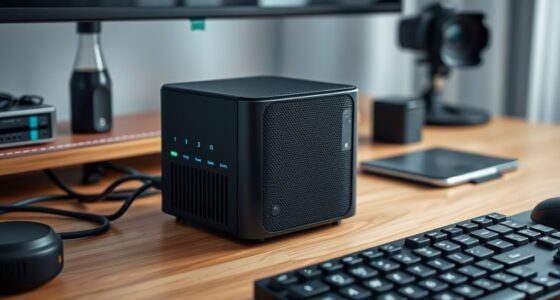
high-end NAS with cloud integration
As an affiliate, we earn on qualifying purchases.
As an affiliate, we earn on qualifying purchases.
Frequently Asked Questions
How Does a High-End NAS Compare to Cloud Storage Solutions?
A high-end NAS offers you more control over your data compared to cloud storage solutions. It provides better data encryption, ensuring your files stay secure, and allows you to customize storage capacity as your needs grow through cloud scalability. Unlike cloud services, a NAS keeps everything local, giving you faster access and reducing reliance on internet speeds. Overall, it’s a more secure, scalable, and private option for your data management.
Can a High-End NAS Be Easily Integrated Into Existing Networks?
Yes, a high-end NAS can be easily integrated into your existing network. It offers advanced network customization options, allowing you to tailor settings to your setup, and guarantees user accessibility with intuitive interfaces. You can connect seamlessly, configure permissions, and optimize performance without hassle. This flexibility makes high-end NAS solutions ideal for complex environments, providing robust storage options while maintaining straightforward integration with your current network infrastructure.
What Security Features Are Standard in Premium NAS Devices?
You might think high-end NAS devices lack robust security, but they actually come with standard features like advanced encryption protocols and strict user access controls. These devices often support AES-256 encryption, ensuring your data stays protected both at rest and during transfer. Additionally, they enable granular user permissions, allowing you to control who accesses specific files, making them highly secure for sensitive information.
How Is Data Redundancy Managed in High-End NAS Systems?
You manage data redundancy in high-end NAS systems through data replication and advanced RAID configurations. Data replication duplicates your data across multiple drives or locations, ensuring continuity if one fails. RAID configurations, like RAID 10 or RAID 6, combine drives to provide fault tolerance and improved performance. These methods work together, offering robust protection and seamless data access, making high-end NAS devices reliable for critical storage needs.
What Is the Typical Lifespan of a High-End NAS Device?
A high-end NAS device typically lasts around 5 to 7 years, depending on usage and maintenance. You can extend its lifespan by investing in durable hardware components and guaranteeing proper cooling, which boosts device durability. Regular firmware updates and preventive maintenance also help preserve hardware longevity, so your system remains reliable and efficient longer. Proper care ensures you get the most out of your high-end NAS investment.
As an affiliate, we earn on qualifying purchases.
Conclusion
Ultimately, a high-end NAS is worth the complexity because it offers unmatched reliability, advanced features, and scalability that free or simpler options can’t match. While the setup may seem intimidating, the investment pays off in seamless data management, heightened security, and future-proof performance. You might wonder if the hassle is justified, but the truth is, the right NAS transforms your storage experience—making every bit of effort worth it for the peace of mind and efficiency it delivers.
As an affiliate, we earn on qualifying purchases.
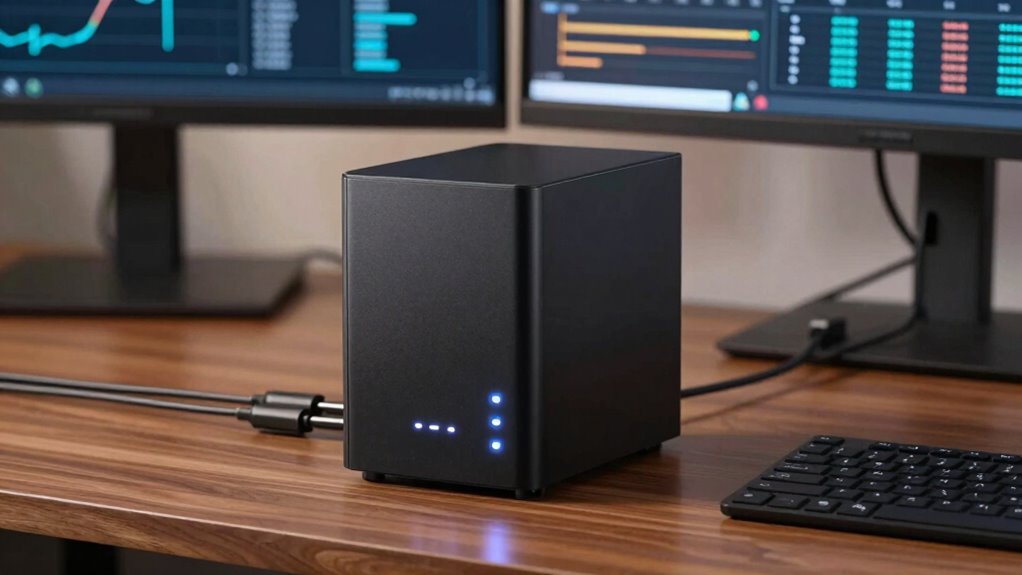
NAS for media editing and virtualization
As an affiliate, we earn on qualifying purchases.
As an affiliate, we earn on qualifying purchases.
Halloween Picks
halloween
As an affiliate, we earn on qualifying purchases.