When comparing energy use, streaming generally consumes more energy over time because it involves constant data transfer from servers to your device, which keeps data centers active. Downloading, on the other hand, uses energy mainly during the initial download, and afterward, no extra data center energy is needed for repeated access. So, if you often watch the same content, downloading can be more energy-efficient. To uncover more about how your choices impact the environment, keep exploring the details.
Key Takeaways
- Streaming continuously transfers data from data centers, leading to higher ongoing energy consumption compared to one-time downloads.
- Downloading consumes energy mainly during initial transfer; subsequent access uses minimal or no additional data center energy.
- For frequent media access, downloading generally uses less energy over time than streaming.
- Streaming’s reliance on constant data movement makes it more energy-intensive for repeated views.
- Device and network efficiencies, along with usage habits, significantly influence which method is more energy-friendly.
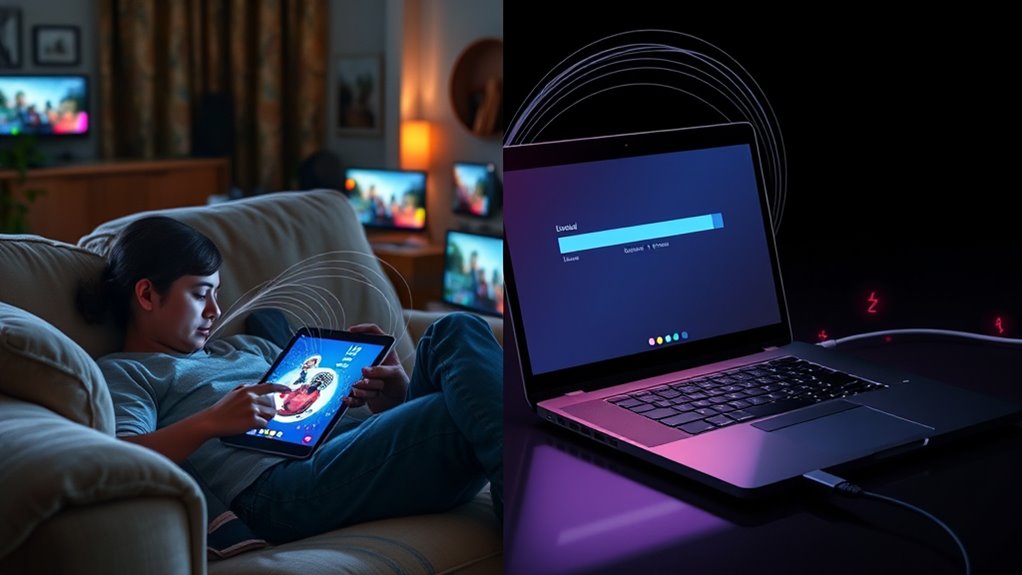
Have you ever wondered whether streaming or downloading is better for accessing your favorite media? The answer isn’t just about convenience or speed; it also involves considering how each method impacts energy consumption. When you stream content, your device connects to data centers that host the media, and these facilities consume a significant amount of energy to deliver content in real time. Each time you press play, data travels from these centers through multiple servers, networks, and routers before reaching your device. This constant data transfer increases the energy used, especially if you watch or listen frequently. Data centers are optimized for efficiency, but their sheer scale means they still consume vast amounts of power, often derived from non-renewable sources, further contributing to environmental impacts. So, streaming might seem straightforward, but behind the scenes, it involves a continuous cycle of energy use that adds up over time.
Streaming consumes significant energy through constant data transfer and data center operations, impacting environmental sustainability over time.
In contrast, downloading your media involves a different process. When you download a file, it’s transferred from a data center directly to your device, and once stored locally, you can access it repeatedly without additional data transmission. This means that, after the initial download, your device doesn’t need to connect to data centers again for that specific media. From an energy perspective, downloading can be more efficient if you plan to watch or listen multiple times, as it avoids the repeated energy costs associated with streaming. The energy used during download is a one-time investment, and because the media is stored locally, subsequent access doesn’t require further data center involvement. Additionally, if you have a high-capacity local storage or use devices that are energy-efficient, the overall energy footprint can be minimized.
However, the picture isn’t entirely black and white. If you only consume a single viewing or listening session, streaming might seem to use less energy since no large file needs to be saved permanently on your device. But when you consider the ongoing energy costs of data centers serving countless users simultaneously, the cumulative energy consumption from streaming can surpass that of downloading, especially over extended periods. Moreover, the efficiency of your device and network infrastructure plays a role; newer, energy-efficient devices and high-speed networks can reduce the energy impact of both methods.
Ultimately, your choice depends on your usage habits. If you frequently access the same media, downloading could be more energy-friendly in the long run. If you consume content sporadically, streaming might be more convenient, though it still involves ongoing energy use by data centers. Being mindful of your media consumption habits can help you make choices that are better for the environment and reduce unnecessary energy consumption.

SKE SMART KEY ENERGY SKE 425VA/240W UPS Battery Backu Surge Protector for Computer UPS Battery Backup Uninterruptible Power Supply…, VL425
7 Standard US Outlets: 5 black outlets for backup & surge protector, 2 white outlets for surge protection…
As an affiliate, we earn on qualifying purchases.
As an affiliate, we earn on qualifying purchases.
Frequently Asked Questions
How Does Video Quality Affect Energy Consumption During Streaming?
Higher video quality increases energy consumption during streaming because it requires more data, which strains your device and network. Video compression techniques can reduce this impact by making files smaller, improving bandwidth efficiency. When you choose lower quality videos, you’re conserving energy since less data needs to be transmitted and processed. Consequently, selecting best quality levels helps balance good viewing with energy savings, especially when streaming frequently.
Do Different Devices Consume Varying Amounts of Energy When Streaming or Downloading?
You’ll notice that different devices consume varying amounts of energy depending on their efficiency and your usage patterns. More efficient devices, like modern smartphones and laptops, use less power during streaming or downloading. However, if you use high-demand devices or keep them running longer, energy consumption increases. Your habits, such as streaming high-quality videos or downloading large files, also impact overall energy use, regardless of device efficiency.
What Role Do Internet Infrastructure and Data Centers Play in Energy Use?
Think of internet infrastructure and data centers as the engines powering your digital world. They play a vital role in energy use, with fiber optics acting like the high-speed highway, reducing energy consumption during data transfer. Data centers, when optimized for efficiency, operate like well-maintained power plants, minimizing energy waste. Their design and technology choices directly impact overall energy use, making them key players in the eco-friendliness of streaming and downloading.
Is There a Significant Energy Difference Between Streaming Live Versus On-Demand Content?
Streaming live content generally has a higher carbon footprint than on-demand because it requires real-time data transmission and increased server activity, which reduces energy efficiency. When you stream live, data centers and networks work continuously, consuming more energy. On-demand streaming allows you to download content and watch later, often resulting in a lower overall energy use. So, choosing on-demand can help minimize your digital carbon footprint.
How Do Regional Energy Sources Impact the Overall Environmental Footprint of Streaming?
You should realize that regional energy sources greatly influence your streaming’s environmental impact. When your region relies on renewable energy, your streaming uses cleaner power, reducing emissions. Conversely, if fossil fuels dominate, regional emissions increase, raising your carbon footprint. The more your area depends on renewable energy, the greener your streaming habits become. Keep in mind, choosing content during times of cleaner energy production can further lessen your overall environmental footprint.
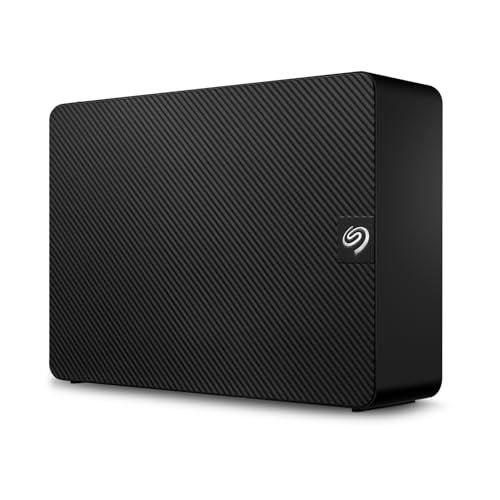
Seagate Expansion 22TB External Hard Drive HDD – USB 3.0, with Rescue Data Recovery Services (STKP22000400)
Easy-to-use desktop hard drive—simply plug in the power adapter and USB cable
As an affiliate, we earn on qualifying purchases.
As an affiliate, we earn on qualifying purchases.
Conclusion
So, next time you binge-watch your favorite series, remember—you’re probably burning more energy than you think. Streaming might seem effortless, but all those data transfers add up, making it the bigger energy hog. Ironically, downloading, which feels like a more “active” choice, could actually be gentler on the planet. So, while you’re cozying up on your couch, just know your streaming habit may be quietly fueling a bigger carbon footprint. Who knew comfort came with such a cost?

Micca 4K Ultra-HD Digital Media Player for USB Drives and MicroSD Cards, Digital Signage, H.265/HEVC H.264/AVC MP4 MKV Videos MP3 Music JPG Photos, 4K HDMI, Analog AV, Auto Play and Resume
MAKE YOUR TV SMARTER – Enhance any TV with the ability to play videos, music, and photo slideshows…
As an affiliate, we earn on qualifying purchases.
As an affiliate, we earn on qualifying purchases.

Storage Expansion Compatible with Fire TV Stick, Samsung, SD Card Reader File Transfer Kit for Firesticks, Media Devices, Gaming Systems, 3 in 1 Card Reader for SD Card, Micro SD (OTG Cable Included)
1 x USB 2.0 / USB C / Micro USB 3-in-1 Card Reader
As an affiliate, we earn on qualifying purchases.
As an affiliate, we earn on qualifying purchases.