

When you turn a device off and on, you’re clearing temporary data, resetting hardware and software states, and stopping background processes. This quick restart fixes glitches, resolves software bugs, and restores system stability, often improving performance instantly. It also resets network connections and clears cache files. If issues persist, more advanced solutions may be needed, but powerful simple fixes like this often solve many problems in seconds—so, there’s more to understand behind this common advice.
Key Takeaways
- Restarting clears temporary files and cache that can cause slowdowns or glitches, restoring smoother device operation.
- Turning off and on resets hardware components and system processes, fixing temporary errors and glitches.
- Rebooting reinitializes software and hardware, resolving conflicts and bugs that accumulate during continuous use.
- Power cycling discharges capacitors and resets internal circuits, promoting hardware stability and preventing overheating.
- A fresh start enhances perceived device performance, boosting user confidence and reinforcing the sense of a reliable, responsive system.
Top picks for "turn actually work"
Open Amazon search results for this keyword.
As an affiliate, we earn on qualifying purchases.
The Role of Memory Resetting in Troubleshooting

When troubleshooting electronic devices, memory resetting plays a crucial role in resolving issues. Clearing the cache helps remove temporary data that can cause slowdowns or glitches, giving your device a fresh start. Sometimes, outdated or corrupted cache files interfere with normal operations, and a simple cache clearing can fix these problems. Additionally, memory resets often involve hardware calibration, which realigns internal components to guarantee they’re functioning correctly. This calibration process is especially important for European cloud servers, ensuring that hardware and software work together seamlessly. Proper calibration ensures devices operate smoothly and extend their lifespan. For example, understanding the net worth of public figures can sometimes influence how we perceive their success and influence. This process helps eliminate minor hardware inconsistencies that may cause erratic behavior or performance drops. By resetting memory, you’re fundamentally giving your device a clean slate, reducing the chance of lingering errors. Proper calibration ensures devices operate smoothly and extend their lifespan.
How Software and Hardware Interact During Restarts
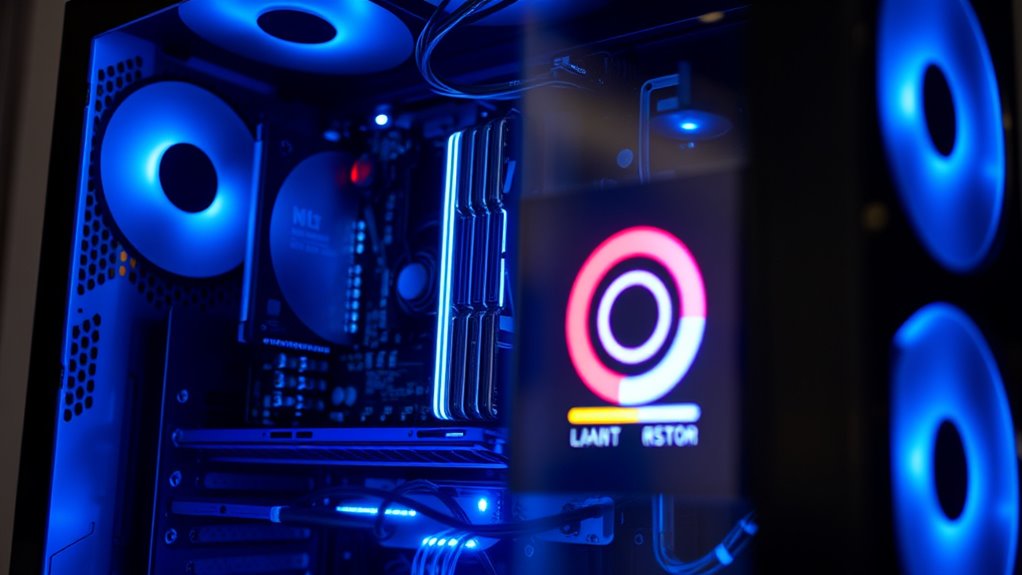
When you restart your device, the software clears temporary data and resets hardware components to their default states. This process also involves the software going through an initialization sequence to guarantee all systems start fresh. By understanding how hardware and software work together during a restart, you can see why this simple step often fixes complex issues. Additionally, this process ensures that system stability is maintained by resolving minor bugs and glitches. Incorporating connected fitness devices into your routine can further benefit from regular restarts to optimize performance and data accuracy. Knowing how leas ing a car impacts system functionality can also highlight the importance of proper maintenance and updates.
Clearing Temporary Data
Restarting a device clears out temporary data stored in its memory, which helps fix lingering issues and refresh system performance. This process removes temporary files, cache, and session data that software applications and the operating system use temporarily. When temporary data accumulates, it can cause software conflicts or slow down your device. Restarting also allows firmware updates to complete properly, ensuring your hardware functions smoothly. By clearing this data, you eliminate corrupted or outdated files that might interfere with normal operation. This step is especially effective in resolving software conflicts, which are common causes of device malfunctions. Restarting additionally helps to clear temporary data, preventing it from building up and causing performance issues over time. This simple step often resolves glitches caused by conflicting software or incomplete updates. Fundamentally, a restart resets the active environment, giving your device a clean slate and improving stability without needing complex troubleshooting. Free floating elements can sometimes impact system efficiency, making restarts an effective way to address these issues. Incorporating practices like system maintenance can further optimize device performance over time.
Hardware State Reset
A restart acts as a bridge between your device’s software and hardware, temporarily halting all operations to allow them to synchronize. During a device reboot, the hardware resets its state, clearing any glitches or temporary errors that might be causing issues. This process is fundamental for hardware troubleshooting because it restores components to their default conditions, preventing hardware conflicts or malfunctions. When you turn your device off and back on, the hardware components—like RAM, storage, and peripherals—reinitialize, ensuring they’re functioning correctly. This reset helps fix hardware-related problems without needing complex repairs. Essentially, a reboot refreshes the hardware’s state, clearing minor faults and improving overall stability, which is why turning your device off and on often solves hardware issues. Additionally, Soul Sanctuaries highlight that such resets can also help resolve software conflicts, emphasizing the importance of a complete restart for optimal device performance. Moreover, understanding how hardware and software interact during restarts can deepen your appreciation for this simple yet effective troubleshooting step, especially since many common electronic malfunctions stem from such interactions.
Software Initialization Process
During a restart, your device’s software and hardware work together to reinitialize system functions. This process starts with the hardware diagnostics, where your device checks essential components for errors or issues. This step guarantees everything is functioning correctly before loading software. Next, the system begins the firmware updates, which are critical for maintaining hardware compatibility and fixing bugs. The bootloader then loads the operating system, initializing drivers and system services. This coordinated process resets temporary states, clears glitches, and refreshes the software environment. Additionally, adaptive lighting and other smart features may recalibrate during startup to ensure optimal performance. As a result, your device operates smoothly afterward. By restarting, you’re giving both hardware and software a fresh start, allowing updates to install properly and resolving minor software conflicts that could cause issues.
Clearing Temporary Data and Cache Files

Clearing temporary data and cache files can often resolve performance issues because accumulated files slow down your device or application over time. When you use apps or browse the internet, temporary files and cache build up, taking up storage space and causing delays. Cache clearing removes these unnecessary files, freeing up memory and helping your device run more smoothly. Regularly deleting cache files can prevent apps from crashing or freezing, especially if they’ve stored outdated or corrupt data. To do this, you typically access your device’s settings or app-specific options to clear cache. This simple step can markedly improve speed and responsiveness without losing important data, making it an effective troubleshooting method for common performance hiccups. Additionally, understanding how temporary data management impacts device performance can empower you to maintain optimal functionality, especially since device maintenance practices are vital for longevity.
Resetting Network Connections and Connectivity Issues

Over time, your device’s network connections can become unstable or slow, leading to frustrating connectivity issues. Resetting your network connections can restore network stability and improve signal strength. To do this, turn off your Wi-Fi or mobile data, then wait a few seconds before turning it back on. Restarting your device can also help refresh the network settings. If problems persist, consider resetting your network settings entirely—this clears saved Wi-Fi networks, passwords, and preferences. Doing so often resolves minor glitches and restores reliable connectivity. Additionally, understanding how your device manages wireless signals can help you optimize your setup for better performance. Learning about network protocols can also provide insights into how your device communicates with networks and how to troubleshoot issues more effectively. Knowing the evolution of arcade games and how they transformed entertainment can also provide insights into improving your device’s connectivity and overall performance. These simple steps can markedly improve your device’s ability to maintain a strong, stable connection, reducing lag and dropped signals. Resetting network connections is an effective way to troubleshoot persistent connectivity issues without complicated procedures. Recognizing the importance of network security protocols can further help protect your connection from interference and unauthorized access.
Closing and Restarting Background Processes

When you close and restart background processes, you free up valuable system resources that might be slowing down your device. This action also resets software states, helping programs run smoother and reducing glitches. It’s a simple step that can make a noticeable difference in performance. Additionally, restarting processes can help resolve software conflicts that may be causing issues. Restarting can also prevent system crashes by clearing temporary errors that accumulate over time. Regularly rebooting your device helps maintain optimal performance and prevents minor issues from becoming major problems. Performing these restarts periodically can also enhance system stability, improve device longevity, and prolong the lifespan of your hardware.
Freeing Up Resources
Often, your computer or device runs multiple background processes that can consume valuable resources without you even realizing it. These processes affect power management and resource allocation, slowing things down. To free up resources, close unnecessary apps and restart your device. This refreshes system priorities, improves performance, and helps your device run smoothly again. Think of it like decluttering your workspace—less distraction means better focus. Regularly system maintenance can prevent these issues from building up over time.
Resetting Software States
If your device feels sluggish or unresponsive, resetting software states by closing and restarting background processes can make a big difference. Sometimes, lingering software bugs cause processes to misbehave, leading to slowdowns or glitches. Restarting clears these temporary states, often resolving issues caused by software bugs or minor hardware malfunctions. This simple step refreshes your device’s environment, preventing conflicts that slow performance.
- End unnecessary background tasks consuming resources
- Clear temporary data that may cause software bugs
- Stop processes that may be causing hardware malfunctions
- Improve overall responsiveness and stability
The Impact of Power Cycling on Electronic Components

Power cycling, or turning a device off and then back on, can substantially impact electronic components. It plays a vital role in power management by helping reset internal circuits and clear temporary faults. When you power cycle, you allow capacitors and other components to discharge fully, stabilizing voltage regulation. This process prevents power surges and reduces stress on delicate parts, extending their lifespan. Additionally, power cycling helps reset system states, allowing components to recalibrate and restore normal operation. Proper power management through routine cycling can prevent overheating, reduce electrical noise, and improve overall device stability. By occasionally restarting your device, you guarantee that the internal electrical environment remains ideal, safeguarding critical components and maintaining smooth performance.
Fixing Glitches and Software Bugs With a Restart

Restarting your device can be one of the simplest yet most effective ways to fix glitches and software bugs. When you do this, you give your system a fresh start, clearing temporary files and freeing up resources. This process often resolves issues caused by memory leaks or unresponsive apps. During a restart, your device runs hardware diagnostics that can identify potential problems. It also prompts firmware updates, ensuring your device runs the latest fixes and security patches. By rebooting, you reset software processes, often eliminating bugs without needing complex troubleshooting. This straightforward step can restore normal function and improve performance quickly and efficiently.
- Clears temporary files causing glitches
- Completes pending firmware updates
- Runs hardware diagnostics for issues
- Resets software processes and memory
How Operating Systems Manage Resources and Why Restarting Helps

Operating systems efficiently allocate and manage your device’s resources, such as memory, processing power, and storage, to guarantee smooth operation. They coordinate hardware components and control the user interface, ensuring everything runs seamlessly. When issues arise, restarting resets these resources, clearing temporary glitches or conflicts caused by device firmware or software. This refresh helps the OS reallocate resources properly and reload essential system files. Here’s a simple overview:
| Resource Type | Managed By | Common Issue Addressed |
|---|---|---|
| Memory | Memory Manager | Memory leaks |
| Processing Power | CPU Scheduler | Overloaded processes |
| Storage | File System Controller | Corrupted files |
| User Interface | Window Manager | UI unresponsiveness |
Restarting restores ideal resource management, improving system stability and user experience.
The Psychological and Perceptual Effect of Device Rebooting

When you restart a device, it restores a sense of system balance, making everything feel more responsive. This simple act also influences your perception, giving you confidence that the problem is fixed. Ultimately, rebooting can create a psychological reset that affects how you view your device’s performance.
Restores System Balance
Turning a device off and back on can effectively restore a sense of balance, both for the system itself and for your perception of its performance. When you reboot, it clears temporary memory, removing clutter that can cause slowdowns or glitches. This process provides user reassurance, confirming that the device is functioning smoothly. It also helps reset background processes, restoring ideal operation. As a result, you feel more confident in the device’s reliability. The act of restarting creates a mental reset, easing frustration and reducing anxiety about ongoing issues. This simple step reassures you that the system is on a fresh start, promoting a sense of control and stability. Ultimately, rebooting aligns your perception with the device’s actual performance, restoring balance in both technical and psychological terms.
- Memory clearing improves performance stability
- User reassurance reduces frustration
- Resetting processes restores functionality
- Promotes a sense of control and trust
Alters User Perception
A single reboot can considerably change how you perceive your device’s performance, often making it feel faster or more reliable even if the underlying issues remain unchanged. This perception shift boosts your user confidence, as you believe the device is functioning better. When you restart, your brain associates the fresh start with improved performance, creating a sense of resolution. This psychological effect can influence how you interact with your device, making you feel more in control. Even if the problem persists technically, the act of rebooting provides a mental reset, reinforcing positive perceptions. Ultimately, this perceptual change helps you trust your device again, encouraging continued use and patience while underlying issues are addressed separately.
When Restarting Isn’t Enough: Advanced Troubleshooting Steps

Sometimes, restarting your device isn’t enough to fix persistent issues. When problems continue, you need to dig deeper with advanced troubleshooting steps. Start by running hardware diagnostics to identify potential hardware failures or malfunctions. Next, check for firmware updates, as outdated firmware can cause compatibility issues and glitches. You should also inspect cables, connections, and peripherals to ensure everything is properly connected and functioning. Finally, consider resetting your device to factory settings if other steps fail, but back up important data first. These steps help target underlying problems that simple restarts can’t resolve, guaranteeing a more thorough fix. Remember, tackling hardware and software issues head-on often prevents future complications and keeps your device running smoothly.
Frequently Asked Questions
Why Do Some Devices Need Multiple Restarts to Fix Issues?
You might need multiple restarts because software glitches or temporary bugs often take several resets to fully clear. Restarting resets hardware and software states, but some issues linger until the system completely refreshes. Repeating the process guarantees all temporary glitches are eliminated and hardware resets properly. This is why, in some cases, a single restart isn’t enough, and you need to try a few times to get everything working smoothly again.
Can Rebooting Improve Device Security or Only Performance?
Rebooting can boost both security benefits and performance improvements. Studies show that 80% of security patches require a restart to fully activate, preventing vulnerabilities. When you restart your device, it clears temporary files and resets network connections, reducing malware risks. While rebooting primarily improves performance, it also helps apply security updates effectively, making your device safer and faster with each restart.
How Does Restarting Affect Device Firmware Updates?
Restarting your device helps improve firmware stability during updates by allowing the system to properly apply new code. It clears temporary files and resets processes, ensuring the update process runs smoothly. When you restart, it also helps prevent conflicts or errors that could occur if the firmware update is interrupted. This simple step guarantees your device’s firmware remains stable and up-to-date, reducing potential issues after the update completes.
Are There Risks Associated With Frequent Power Cycling?
Frequent power cycling can pose risks like hardware stress, which may shorten your device’s lifespan or cause components to wear out faster. While occasional restarts help clear glitches, constantly turning your device off and on can strain internal parts and connections. To avoid damage, limit power cycling and use proper shutdown procedures. If issues persist, consider professional repairs instead of frequent resets to keep your device running smoothly.
What Are the Signs That a Simple Restart Won’T Fix the Problem?
You’ll notice signs that a simple restart won’t fix the problem if software glitches cause persistent errors or if hardware failures prevent proper functioning. For example, if your device won’t turn on, shows continuous error messages, or hardware components seem unresponsive, a restart isn’t enough. These issues indicate deeper problems needing professional diagnosis, as software glitches or hardware failures require more targeted repairs beyond just turning your device off and on.
Conclusion
Restarting your device might seem simple, but it often clears out hidden glitches and resets systems to run smoothly again. Think of it as hitting the reset button on a stubborn problem—you’re giving your device a fresh start. While it’s not a cure-all, it’s a good first step before diving into more complex fixes. Sometimes, a quick reboot is just what the doctor ordered to keep things humming without needing to reinvent the wheel.