New laws are set to give you more control over your data, requiring better privacy protections, transparency, and security features in your gadgets. App stores may open up to more competition, making it easier to access apps outside of major platforms. Advertising will become less personalized, and tech giants could face stricter antitrust scrutiny. Overall, your devices will prioritize safety and privacy, shaping a smarter, more secure digital world—if you’re curious, there’s more to explore ahead.
Key Takeaways
- New laws could enforce stricter data privacy, giving users more control over personal information and limiting tracking on gadgets.
- App store reforms may increase competition, making devices more open to third-party apps and reducing monopolistic practices.
- Regulations might shift revenue models from targeted advertising to subscriptions, affecting how gadgets deliver content and services.
- Enhanced security mandates will likely improve device encryption and biometric protections, boosting gadget safety against hacking.
- Future gadgets will prioritize privacy and safety features, potentially slowing innovation but increasing trust and reliability.

mudita Kompakt Minimalist Dumb Phone with E Ink® Display – Unlocked Cell Phone for Focus, Privacy & Distraction-Free Living, Long Battery Life, Bluetooth, Easy to Use – Charcoal Black
Focus Without Distraction – Step away from digital noise with Mudita Kompakt, a minimalist dumb phone designed for…
As an affiliate, we earn on qualifying purchases.
As an affiliate, we earn on qualifying purchases.
The Push for Data Privacy and User Control

Growing concerns about how tech giants handle your personal data have fueled a growing push for stronger privacy protections and greater user control. You’re demanding more influence over your data, emphasizing user empowerment and data sovereignty. You’re also advocating for transparency in data practices****, which is essential for building trust and ensuring accountability. This movement emphasizes the importance of data sovereignty, ensuring that individuals have authority over their personal information rather than corporations. This movement aims to give you the tools to manage what information is collected, shared, and stored. **Laws are being proposed to require companies to be transparent about their data practices, letting you decide how your data is used. By prioritizing user control, these regulations aim to shift power away from corporations and back to individuals. Your data shouldn’t be an uncontested resource; it should be yours to govern. Strengthening privacy protections helps ensure you retain control and maintain your digital rights in an increasingly connected world. Cookie management options also play a crucial role in empowering users to customize their privacy settings effectively. Additionally, implementing privacy-preserving technologies** can further enhance your ability to control your personal information.

Mantra MFS 110 L1 Biometric Single Fingerprint Scanner | Aadhaar Authentication Device | Latest Updated RD Service | High Securety and Fast scanning | Reliable and Durable
MFS110 L1 USB Fingerprint Scanner
As an affiliate, we earn on qualifying purchases.
As an affiliate, we earn on qualifying purchases.
Changes to App Stores and Distribution Policies

Recent changes to app store and distribution policies are considerably reshaping how you access and install software on your devices. App store reforms now require platforms to offer more transparency about app approval processes and fees. Distribution policy updates aim to reduce monopolistic control, allowing developers to distribute apps outside of major app stores or choose alternative payment methods. These reforms give you more choices, potentially lowering costs and increasing app variety. You might notice fewer restrictions, making it easier to download apps from third-party sources or directly from developers. Overall, these policy updates are designed to foster competition and improve user rights, changing the landscape of app distribution and giving you greater control over how you access and manage your apps. Cookie policies and user consent management now play a crucial role in how your device interacts with app stores and third-party sources, ensuring your browsing experience remains transparent and secure. Additionally, regulatory oversight is increasing to ensure fair practices across digital marketplaces, further empowering consumers and developers alike. Incorporating holistic SEO principles can help users better understand these complex changes and their impact on digital ecosystems. As these regulations evolve, they will also influence the development of security standards to protect user data and privacy.

Musnap Aura C 10.3" E Ink Color Display Paper Tablet Supports 3rd-Party apps,8GB+128GB ePaper Notebook with Stylus Pen,2-in-1 Color ePaper Tablet & eBook Reader,Long Battery Life for Meetings&Reading
10.3" Color Display: 10.3" Kaleido 3 (4,096 colors) ,2480×1860 resolution with 300 PPI for sharp text and 150…
As an affiliate, we earn on qualifying purchases.
As an affiliate, we earn on qualifying purchases.
Impact on Online Advertising and Monetization

Regulations are changing how online ads target users, making it harder to personalize content effectively. These shifts are prompting platforms to reconsider their revenue models, relying less on targeted advertising. As a result, your online experience and the way creators monetize their content are likely to evolve markedly. Additionally, changes in Grocery Savings Strategies may influence how consumers allocate their budgets, indirectly impacting digital advertising trends. This evolving landscape may also encourage innovation in privacy-compliant advertising techniques to adapt to new legal standards, especially as networking infrastructure becomes more secure and transparent. Furthermore, the increased focus on user data protection highlights the importance of developing new methods that respect privacy while maintaining effective advertising. Advances in smart home devices could also reshape how targeted ads are delivered within connected environments, prompting advertisers to explore new avenues for reaching audiences.
Ad Targeting Changes
Changes to ad targeting practices are fundamentally reshaping how online advertisers reach audiences and generate revenue. New laws limit the use of personalization algorithms, making it harder to deliver targeted content tailored to individual users. As a result, advertisers can’t rely solely on detailed user data to craft precise messages. Instead, they may need to focus on broader audience segments or contextual targeting, which reduces the effectiveness of personalized ads. This shift impacts the revenue streams for platforms that depend heavily on targeted advertising. You might notice fewer ads tailored specifically to your interests, leading to a different online experience. These changes aim to protect user privacy but also challenge advertisers’ ability to optimize campaigns and monetize content effectively. Additionally, the adoption of European cloud innovation can help support secure and compliant advertising infrastructure amid these regulatory shifts.
Revenue Model Shifts
As ad targeting becomes more restricted, online platforms are forced to rethink their revenue strategies. With increased regulation around platform neutrality and content moderation, relying solely on targeted ads becomes less viable. You’ll see platforms explore alternative monetization models, such as subscription services, paywalls, or premium features. These shifts challenge traditional ad-based revenue, pushing platforms to develop diversified income streams. They may also emphasize content moderation to maintain user trust and ensure compliance with new laws. This focus on platform neutrality encourages fairer treatment of content creators and users, impacting how monetization is structured. Additionally, understanding the role of content moderation can help users find natural ways to soothe stress and improve well-being, highlighting the importance of holistic health strategies. Overall, these changes aim to balance revenue needs with responsible content management, transforming how online services generate income while respecting user rights.
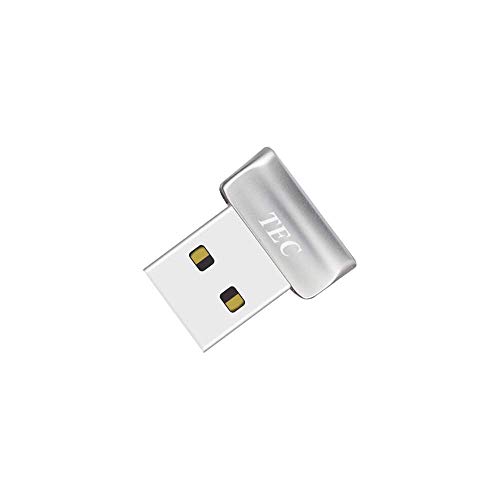
TEC Mini USB Fingerprint Reader for Windows 11/10 Hello, TEC TE-FPA2 Bio-Metric Fingerprint Scanner PC Dongle for Password-Free and File Encryption, 360° Touch Speedy Matching Security Key
Designed for Windows 10: Supports Windows Hello Authentication
As an affiliate, we earn on qualifying purchases.
As an affiliate, we earn on qualifying purchases.
Increased Scrutiny of Antitrust Practices

With governments around the world increasing their focus on big tech companies, authorities are scrutinizing antitrust practices more closely than ever before. You might face new regulations aimed at reducing monopolistic behaviors that stifle market entry and create high competitive barriers. These efforts target practices like exclusive agreements and acquisition strategies that limit competition. To illustrate, here’s a comparison of key areas affected:
| Practice | Impact on Market Entry | Effect on Competition |
|---|---|---|
| Exclusive Deals | Blocks new entrants | Limits options for consumers |
| Acquisition Strategies | Reduces innovation | Consolidates power |
| Favoring own services | Creates unfair advantage | Hinders rival growth |
| Data Control | Creates barriers | Suppresses competitors |
| Predatory Pricing | Drives competitors out | Maintains dominance |
This increased scrutiny could reshape how big tech firms operate, promoting fairer competition. Recognizing the importance of regulatory oversight, policymakers aim to ensure a level playing field for all market participants. Additionally, antitrust enforcement is expected to adapt to the evolving digital landscape to prevent abuses of market dominance. Moreover, market fairness initiatives may lead to new policies encouraging innovation and diverse offerings in the tech industry. Furthermore, ongoing research into Glycolic Acid benefits demonstrates how scientific advancements can influence industry standards and product regulations. Implementing these measures requires a comprehensive understanding of competition law to effectively address emerging challenges.
Security and Safety Enhancements in Devices

In today’s digital landscape, security and safety enhancements in devices are essential for protecting your personal information and ensuring a trustworthy user experience. New laws may mandate stronger measures like device encryption, which secures your data even if your device is lost or stolen. Biometric security, such as fingerprint or facial recognition, adds an extra layer of protection, making it harder for unauthorized users to access your device. These improvements help prevent hacking, data breaches, and unauthorized access, giving you peace of mind. As regulations evolve, manufacturers will focus more on integrating these features seamlessly into your gadgets. This ongoing push for enhanced security aims to keep your information safe without compromising usability. Vetted – Soaring Skyways emphasizes the importance of device encryption standards and other security measures in safeguarding user data. Additionally, security protocols are becoming more sophisticated to adapt to emerging cyber threats, utilizing advanced encryption techniques to bolster defenses. As technology advances, implementing comprehensive security standards may become a legal requirement, further strengthening user protections. Moreover, the integration of these measures encourages a trustworthy digital environment, fostering greater confidence among users.
Future Innovations and Market Dynamics

As regulations evolve, your incentives for innovation may shift, affecting how companies prioritize new developments. Market competition is likely to intensify as firms adapt to changing rules and seek unique advantages. This environment could accelerate the pace of tech development, shaping the future landscape of the industry.
Innovation Incentives Shift
Regulating Big Tech can substantially alter the landscape of innovation incentives, prompting companies to rethink how they invest in future developments. The regulatory impact might discourage risky projects or shift focus toward compliance and short-term gains. As a result, innovation incentives could diminish, slowing the pace of groundbreaking advancements. Companies may prioritize safer, incremental improvements over bold, disruptive ideas. Conversely, some firms might seek new markets or strategies to maintain competitiveness under new laws. This shift could lead to a more cautious approach to innovation, affecting the diversity and speed of technological progress. Understanding these changes helps predict how future gadgets and services might evolve within a more regulated environment.
- Reduced risk-taking due to compliance costs
- Focus on incremental rather than disruptive innovation
- Shift toward compliance-driven R&D
- Potential slowdown of breakthrough technologies
Market Competition Intensifies
Market competition is likely to intensify as regulatory changes reshape strategic priorities and resource allocation. You’ll notice companies forming more collaborative ecosystems and forging cross industry partnerships to stay competitive. These alliances enable access to new markets, shared technologies, and combined expertise, which can accelerate innovation and reduce costs. As regulations challenge existing dominance, firms will seek strategic collaborations to diversify their offerings and improve market positioning. This shift encourages a more dynamic environment where competitors can pool resources and ideas, fostering diverse solutions for consumers. Expect increased mergers and strategic alliances, as companies adapt to a landscape that favors agility and cooperation. Ultimately, these changes aim to promote fairer competition while driving innovation, shaping a market where collaboration becomes essential for success.
New Tech Development Pace
The rapid evolution of technology is poised to accelerate innovation and reshape market dynamics in the coming years. You’ll see faster development cycles for smart home devices and wearable tech, pushing the boundaries of convenience and functionality. As regulations evolve, companies may prioritize compliance, potentially slowing some innovations but encouraging safer, more reliable products. Market competition will intensify, prompting brands to innovate quickly to stay ahead. This pace could lead to more integrated gadgets that seamlessly connect your smart home and wearable tech. However, you might also face increased scrutiny over data privacy and security, influencing future designs. Staying adaptable and informed will help you benefit from these rapid changes while understanding the evolving landscape.
- Faster release cycles for smart home and wearable tech
- Increased focus on security and privacy
- Market shifts driven by regulatory compliance
- Enhanced integration of devices
Frequently Asked Questions
How Will New Laws Affect the Affordability of Tech Gadgets?
The new laws might affect your gadget prices, leading to pricing concerns that could make devices less affordable. As regulations increase, manufacturers may face higher compliance costs, which they might pass on to you. However, these laws could also promote transparency and fair competition, potentially improving affordability trends over time. Ultimately, your gadget costs could fluctuate, but the goal is to create a balanced market that benefits consumers like you.
Could Regulation Limit Innovation in Emerging Technologies Like AI?
Ironically, regulation might seem like a catalyst for innovation hurdles, but it could actually slow your tech’s evolution. Regulatory impacts often impose strict guidelines that restrict experimentation, making it harder for emerging AI technologies to flourish. While aiming to protect consumers, regulations could inadvertently stifle creativity, causing delays and limiting breakthroughs. So, instead of fueling progress, they might just create barriers that dampen your excitement for future gadgets.
Will Smaller Companies Benefit or Suffer From Stricter Regulations?
Stricter regulations could challenge smaller companies by increasing startup challenges, making it harder for you to innovate and compete. These laws might raise compliance costs and slow down growth, putting you at a disadvantage compared to larger firms that can better absorb these hurdles. However, some regulations could also level the playing field, fostering fair market competition and creating opportunities for innovative startups to stand out.
How Might These Laws Influence Global Tech Markets?
Imagine it’s the 90s again, but today’s laws will reshape global tech markets. These regulations could boost cross border trade by creating clearer rules, making international compliance smoother for companies. However, they might also slow down innovation and increase costs, causing some players to withdraw from certain markets. Overall, your favorite gadgets could evolve faster or face delays, depending on how well companies adapt to these new global standards.
Will User Data Be More Secure Under New Regulatory Frameworks?
Yes, your data will likely be more secure under new regulations. These laws aim to address privacy concerns by enforcing stricter controls on how companies handle your information. They also promote data transparency, so you can better understand what data is collected and how it’s used. As a result, you’ll have more control over your personal data and greater confidence that your privacy is protected.
Conclusion
As these new laws take shape, they’re like a gust of fresh wind sweeping through the tech landscape, stirring change in every corner. You’ll find your gadgets more secure, your data better protected, and your choices broader than ever. The digital world is evolving into a well-tended garden, where fairness and innovation bloom together. Embrace these shifts, because they’re shaping a tech future that’s more transparent, fair, and tailored just for you.