
TL;DR

Get the latest gadgets delivered free with Prime
- Fast, free delivery on millions of items
- Prime Video, Amazon Music and more included
- Member-only deals all year
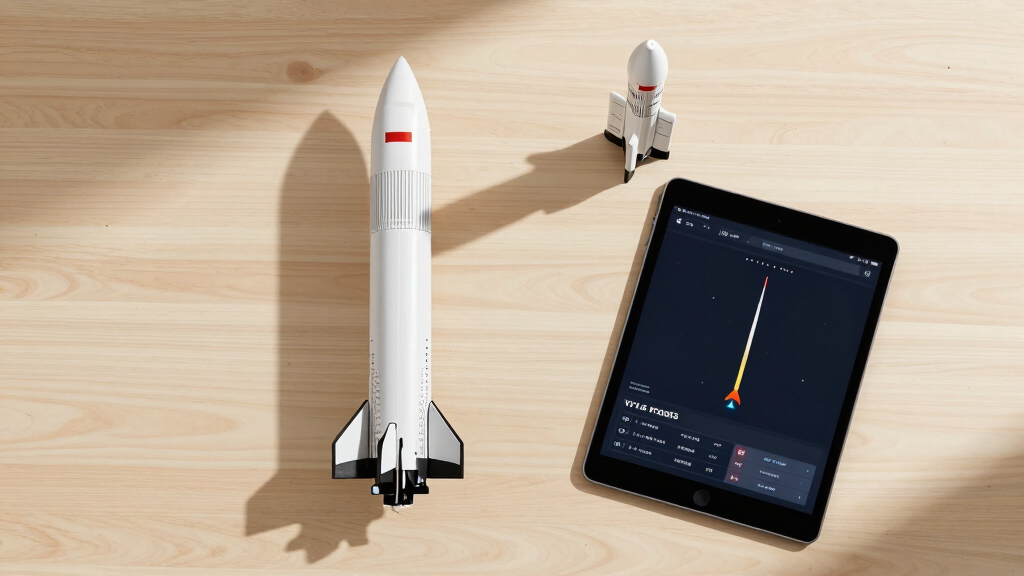
SpaceX’s Starship V3 conducted its first test flight, successfully reaching space and completing key maneuvers despite losing one engine. The flight demonstrates progress for future lunar and Martian missions. Some technical issues remain under review.
SpaceX’s Starship V3 completed its first test flight on May 22, 2026, achieving most of its planned objectives despite losing one of its six Raptor 3 engines during ascent. The successful flight marks a significant milestone in SpaceX’s development of its next-generation spacecraft, crucial for future lunar and Mars missions. This achievement highlights technological progress in aerospace.
The test flight took place from SpaceX’s Starbase in Texas at 6:30 PM Eastern time. The launch vehicle ignited all 33 engines of the Super Heavy booster, which then lifted off successfully. During ascent, one Raptor 3 engine shut down, but the upper stage, Starship, continued its trajectory, deploying multiple Starlink satellites and modified Starlink units for imaging and data collection.
While the booster failed to perform a full boostback burn and crashed into the Gulf of Mexico, the Starship itself completed key maneuvers, including re-entry, heat shield testing, and a controlled landing flip. It splashed down in the Indian Ocean, where it subsequently exploded. Despite engine issues, the flight provided valuable data for future tests and missions.
Why It Matters
This flight demonstrates SpaceX’s progress in testing the Starship V3 design, which is central to the company’s plans for crewed lunar and Martian exploration. Achieving most of its flight objectives despite technical setbacks shows the vehicle’s resilience and the potential for further development. The success comes at a pivotal time, as SpaceX prepares for its IPO, with shares expected to trade starting June 12.
Products Worth Considering

Apple iPad Air (4th Generation, 10.9-inch, Wi-Fi, 256GB) – Space Gray

Amazon Kindle Paperwhite (12th Generation, 2024), 16 GB, 7-inch Display, Jade

DJI Osmo Pocket 3 Creator Combo Vlogging Camera with Mic 2, 1 CMOS, 4K/120fps, 3-Axis Stabilization, 128GB Card
As an affiliate, we earn on qualifying purchases.
Background
Starship V3 is part of SpaceX’s ongoing series of test flights aimed at validating the spacecraft’s design and capabilities. Previous tests have focused on suborbital flights and booster recoveries. This flight was notable for being the first with the new Raptor 3 engines and for testing critical maneuvers such as re-entry and controlled landing, essential for future crewed missions.
“Congratulations to the entire SpaceX team on an epic first Starship V3 launch and landing. We scored a goal for humanity.”
— Elon Musk
“The flight provided valuable data, especially on the heat shield and re-entry maneuvers, which will inform our next steps.”
— SpaceX spokesperson
What Remains Unclear
It is not yet clear how the engine failure will impact future Starship V3 tests or the broader development schedule. Details about the cause of the engine shutdown and plans for addressing it are still emerging.
What’s Next
SpaceX will analyze the data collected during this flight to improve engine reliability and overall vehicle performance. Additional test flights are expected as part of the ongoing development program, with the next milestones likely involving full engine redundancy and orbital testing.
Key Questions
What were the main objectives of the Starship V3 test flight?
The flight aimed to validate the vehicle’s ascent, re-entry, heat shield performance, and landing capabilities, despite losing one engine during ascent.
Did the engine failure impact the success of the test?
While one engine shut down, the test was largely successful in achieving most of its objectives, providing valuable data for future improvements.
What is the significance of this test flight for SpaceX’s future plans?
This flight demonstrates progress toward operational lunar and Mars missions, showing the vehicle’s resilience and readiness for further testing. For more on space exploration advancements, visit our homepage.
Will the Starship V3 be used for crewed missions soon?
Not immediately; this was a test flight focused on vehicle validation. Further tests are required before crewed missions can be planned.
Source: Engadget