Virtual launches have become a staple in the tech industry, offering cost-effective, accessible, and immersive experiences. They enable global reach and increased engagement through innovative technologies like AR, virtual networking, and targeted branding. While some face challenges like connectivity and limited face-to-face interactions, industry leaders see value in hybrid models for flexibility and sustainability. To discover how these trends are shaping the future and what it means for you, keep exploring further.
Key Takeaways
- Virtual launches have demonstrated resilience and adaptability, making them a staple alongside in-person events.
- Hybrid models combining physical and virtual elements are becoming the industry standard for broader reach and engagement.
- Advanced technologies like AR, VR, and data analytics enhance virtual experiences, increasing their appeal and immersion.
- Virtual events reduce costs, improve accessibility, and enable global participation, supporting long-term integration.
- Industry leaders are reevaluating event strategies, indicating virtual launches are here to stay as a complementary component.
The Rise of Virtual Events in the Tech Industry
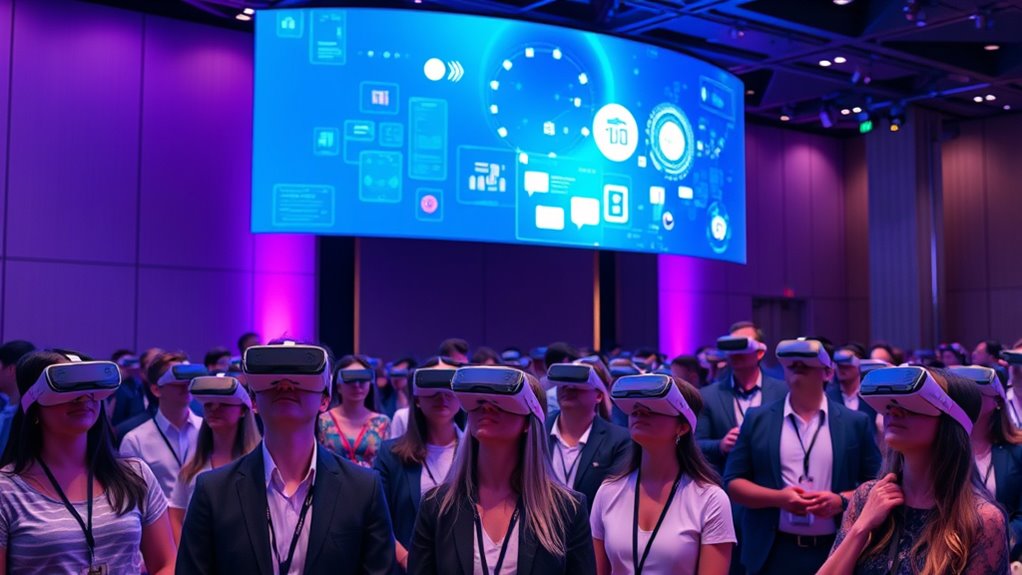
The rise of virtual events in the tech industry has transformed how professionals connect, learn, and share ideas. Virtual networking now takes center stage, allowing you to engage with industry peers regardless of location. You can join breakout rooms, participate in live chats, and build meaningful connections without traveling. Digital sponsorship has also become a key component, providing companies with targeted exposure and engagement opportunities during online events. These sponsorships often include branded virtual booths, sponsored sessions, and interactive polls, making your brand more visible to a wider audience. This shift to digital formats not only reduces costs but also increases accessibility, enabling more diverse participation. Additionally, incorporating elements like projector technology can enhance the visual and interactive aspects of virtual presentations, creating more engaging experiences for attendees. Advances in cloud-based platforms are further supporting seamless event execution and data management, contributing to the growth of virtual events. The integration of interactive tools also helps maintain attendee engagement and replicates some aspects of in-person interactions. Moreover, embracing smart home technology can improve the overall virtual event experience by enabling more seamless and connected environments for hosts and attendees alike. Staying updated on industry trends is essential for organizers to innovate and meet evolving audience expectations. Overall, virtual events are reshaping the industry’s approach to community building and brand visibility.
Key Advantages of Online Product Launches
Building on the shift toward digital engagement, online product launches offer several significant advantages. You can reach a global audience without the constraints of travel and venue costs, widening your exposure instantly. Networking opportunities are still strong; virtual platforms allow attendees to connect via chat, breakout rooms, and social media integrations, fostering meaningful interactions. Additionally, online launches provide real-time analytics, helping you gauge audience engagement and tailor follow-ups. While sponsorship challenges exist—such as demonstrating value and visibility—digital formats enable innovative branding strategies through sponsored content, virtual booths, and targeted advertising. Furthermore, leveraging analytical cookies can help you gather detailed insights into attendee behavior, enhancing future event planning. Incorporating Free Floating techniques into virtual environments can also add an engaging element that keeps participants actively involved. Leveraging Ananda Aromatherapy’s essential oils can inspire creative ways to enhance virtual experiences, making them more engaging and memorable for attendees. Overall, virtual product launches offer efficiency, broader reach, and flexible engagement, making them a powerful tool in today’s evolving tech landscape.
Challenges Faced by Virtual Conferences and Launches
While virtual conferences and product launches offer many benefits, they also present notable challenges that can impact their effectiveness. One major issue is networking challenges, making it harder to build meaningful connections compared to in-person events. Technical difficulties, such as connectivity issues or platform glitches, can disrupt sessions and frustrate attendees. These obstacles can diminish engagement and dilute the event’s impact. To illustrate, consider the following common challenges:
| Challenge | Impact |
|---|---|
| Networking Challenges | Limited spontaneous interactions |
| Technical Difficulties | Interruptions and loss of engagement |
| Time Zone Conflicts | Reduced global participation |
Addressing these issues requires proactive planning, but they remain significant hurdles in virtual event execution.
Comparing Virtual and In-Person Tech Events
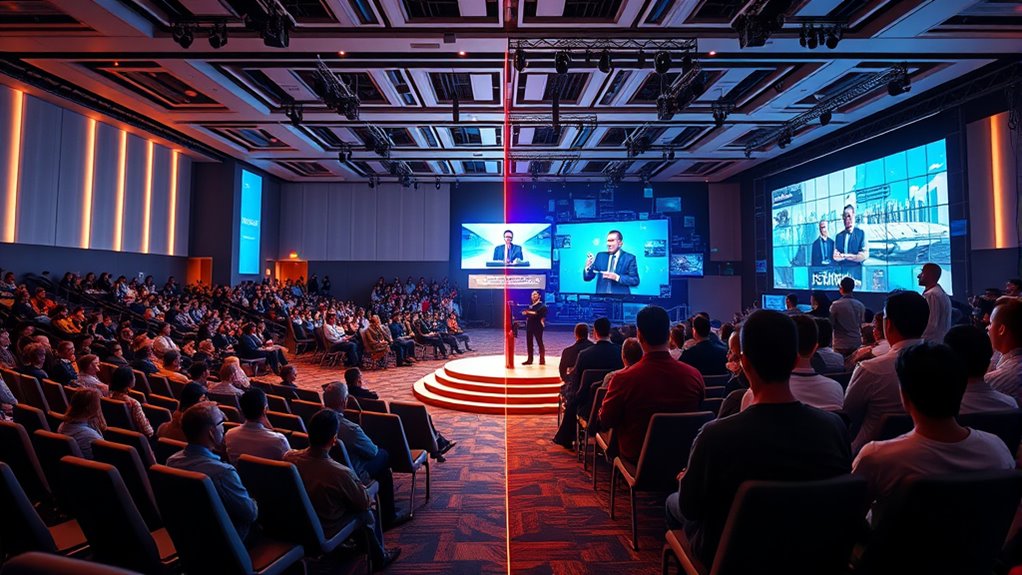
When comparing virtual and in-person tech events, you’ll notice differences in engagement and interaction—virtual formats often struggle to match face-to-face connections. Accessibility and reach also vary, as virtual events can attract a broader audience, while in-person gatherings offer deeper networking opportunities. Considering these points helps you decide which format best suits your goals. Additionally, understanding how modern car tech is presented at these events can influence your decision to attend or follow online. Incorporating event security measures becomes increasingly important as virtual events grow in popularity.
Engagement and Interaction
Virtual tech events have transformed how attendees engage and interact, offering new opportunities for participation that differ markedly from in-person gatherings. You can connect globally without geographical limits, but you might face networking barriers that hinder meaningful conversations. Virtual platforms enable chat, polls, and Q&A sessions, yet attendee fatigue can set in faster due to screen overload. These factors influence your overall experience, shaping how effectively you network and stay engaged.
| Virtual Events | In-Person Events |
|---|---|
| Broader reach, less travel | Personal connection, spontaneity |
| Potential for fatigue | Higher energy, face-to-face interaction |
| Structured interaction tools | Organic conversations |
| Easier to join multiple sessions | Social cues enhance engagement |
| Limited physical presence | Physical networking opportunities |
Accessibility and Reach
Have you ever wondered which type of tech event offers broader accessibility and reach? Virtual events excel in this area by removing geographical barriers, allowing participants from around the world to join easily. With digital accessibility tools, they accommodate diverse audiences, including those with disabilities. Virtual networking platforms foster connections that might never happen in-person, expanding professional networks effortlessly. In contrast, in-person events often limit attendance due to travel costs, time, and physical space constraints. This makes virtual events more inclusive and scalable, reaching a wider audience. As a result, virtual formats enable tech companies to engage with global communities, increase visibility, and promote innovation across borders. Overall, virtual events substantially enhance accessibility and reach, making them an essential part of the evolving tech landscape.
Technological Innovations Driving Virtual Experiences
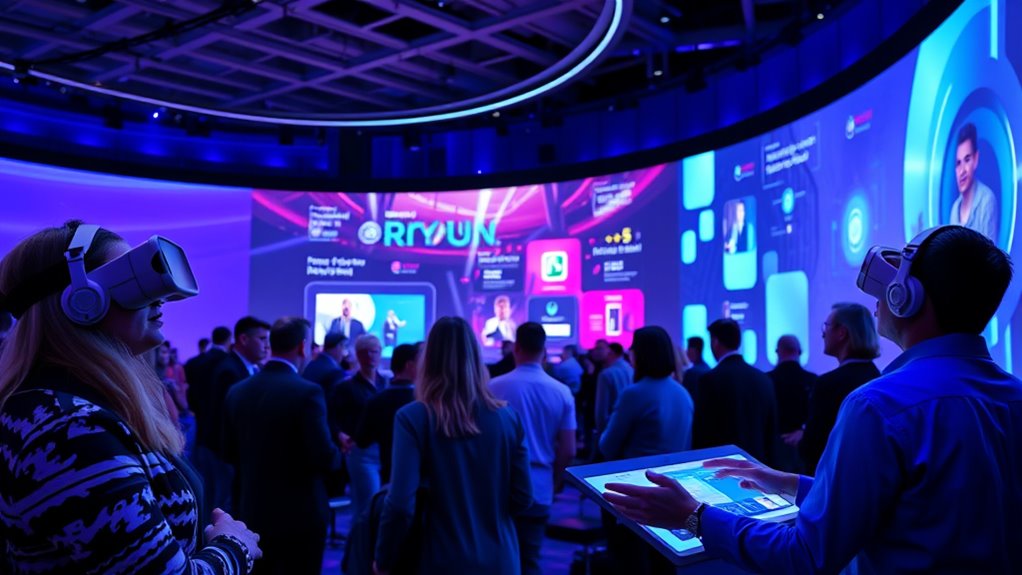
Advancements in technology are transforming how we experience events online, making virtual interactions more immersive and engaging than ever before. Augmented reality (AR) allows you to visualize products and environments in real-time, creating a sense of presence that goes beyond simple video streams. This technology helps you explore virtual booths, demos, or stages as if you were physically there. Biometric authentication enhances security and streamlines access, ensuring only authorized attendees join exclusive sessions or VIP areas. These innovations make virtual events feel more authentic and seamless, reducing barriers and increasing engagement. Additionally, the integration of thermal behavior insights into virtual platforms can provide real-time environmental data, further enriching the interactive experience. As these tools become more sophisticated and accessible, they’re shaping a future where virtual experiences rival, or even surpass, traditional in-person events, especially as immersive technologies continue to evolve rapidly. The adoption of digital twin technology can also allow event organizers to simulate entire event environments for better planning and attendee experience.
Audience Engagement and Interaction in Digital Settings
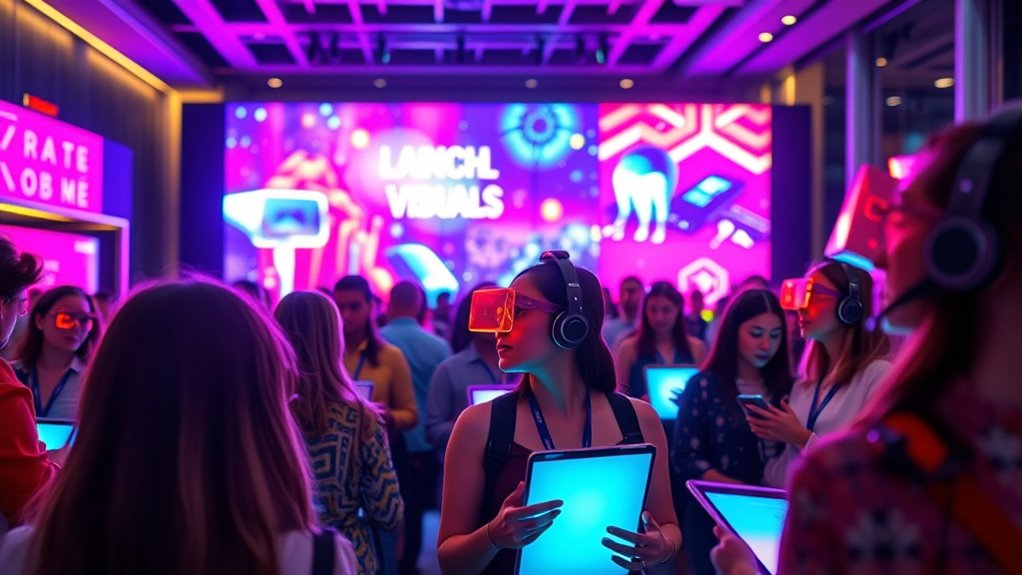
As technology continues to evolve, creating more immersive virtual experiences, engaging your audience becomes increasingly dynamic and interactive. You can leverage gamification strategies to boost participation, making your event more fun and memorable. Incorporate quizzes, leaderboards, and rewards to motivate attendees to stay engaged and contribute actively. Using audience analytics helps you understand viewer behavior, preferences, and engagement patterns in real-time. This data enables you to tailor content, optimize interactions, and identify what resonates most. Interactive polls, chat features, and breakout rooms foster a sense of community and connection, even from afar. Additionally, understanding what maximizes your truck bed’s potential can inspire innovative approaches to your virtual event setups, ensuring your digital environment is as functional and engaging as a well-utilized truck bed. Incorporating interactive content such as augmented reality experiences can further elevate audience engagement and create a more memorable virtual experience. By combining gamification strategies with audience analytics, you create a more personalized, engaging digital environment that keeps your audience involved and invested throughout the event.
The Impact of Virtual Events on Brand Visibility
Virtual events substantially boost your brand’s visibility by reaching wider audiences without geographical constraints. You can connect with diverse attendees worldwide, increasing your networking opportunities and expanding your reach. These events foster brand recognition by showcasing your products and innovations to a broader demographic. Since virtual formats are easily shareable, your content can be amplified through social media and online communities, further enhancing exposure. Additionally, recording sessions allows attendees to revisit your brand’s messaging anytime, reinforcing recognition over time. Unlike traditional events, virtual launches eliminate barriers like travel costs and venue limitations, making your brand more accessible. This increased accessibility and engagement mean your brand stays top-of-mind longer, solidifying your presence in the competitive tech landscape. trusted resources can help you identify reputable platforms for hosting your virtual events. Incorporating personal branding strategies into your virtual launches can further elevate your profile and credibility. Moreover, understanding cookie management ensures respectful data practices and enhances user trust during these digital interactions, which is especially important as data privacy regulations evolve. Developing a strong understanding of audience engagement techniques can help maximize participation and impact during your virtual events.
Sustainability and Cost-Effectiveness of Virtual Launches

Virtual launches substantially cut down on event expenses, making them more budget-friendly. They also lessen environmental impact by reducing travel and resource use. These benefits make virtual formats an appealing choice for sustainable and cost-effective tech events. Incorporating portable power solutions ensures that virtual events can be maintained reliably even during power outages or disruptions. Additionally, the use of reliable power backup systems can further enhance the stability of virtual presentations. Embracing emergency power options can help organizers respond swiftly to unforeseen technical issues, ensuring seamless event delivery. Understanding power management is essential for optimizing energy efficiency and maintaining uninterrupted connectivity during these events. Exploring energy-efficient technologies can also contribute to further reducing the environmental footprint of virtual gatherings.
Lower Event Expenses
Have you noticed how virtual launches substantially cut costs compared to traditional in-person events? You can achieve significant cost savings by eliminating expenses like venue rentals, travel, accommodations, and catering. This reduction helps you manage your budget more effectively, allowing you to allocate funds toward high-quality content, marketing, or technical support. Virtual events also reduce the need for physical materials, printing, and onsite staffing, further lowering expenses. With fewer logistical challenges, you gain better control over your overall spend, making it easier to plan and execute successful launches within your financial limits. Ultimately, virtual formats help you stretch your budget further, providing an efficient way to reach large audiences without the hefty price tag of traditional events.
Reduced Environmental Impact
Since they eliminate the need for physical venues and travel, virtual launches substantially decrease the environmental footprint of events. By cutting down on transportation and venue energy use, you lower your carbon footprint considerably. Many organizations now adopt eco-friendly initiatives, emphasizing sustainability in their virtual formats. These efforts include promoting digital materials over printed ones and encouraging attendees to minimize their environmental impact.
| Benefit | Impact |
|---|---|
| Lower carbon footprint | Reduced greenhouse gases from travel and venue energy use |
| Cost savings | Less spending on logistics and materials |
| Eco friendly initiatives | Supporting sustainability goals |
| Reduced waste | Less physical waste generated from event materials |
Future Trends: Hybrid Models and New Formats
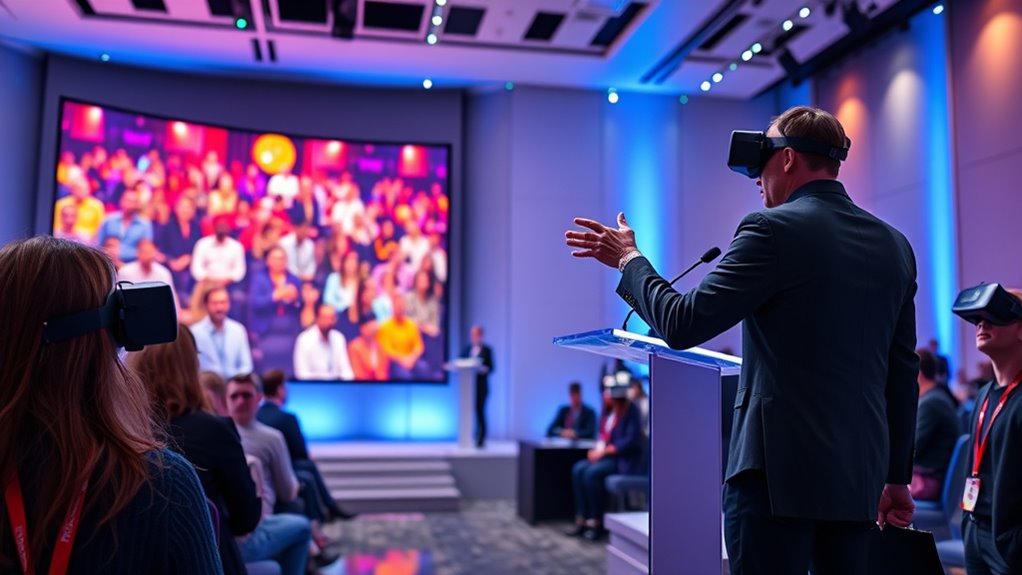
As the landscape of tech events continues to evolve, hybrid models are becoming the standard, blending in-person and digital experiences to reach larger audiences and enhance engagement. You’ll see virtual networking opportunities integrated into live events, allowing remote attendees to connect seamlessly with on-site participants. These formats also open new avenues for digital sponsorship, enabling brands to engage audiences through interactive content and targeted advertising, both online and offline. This approach broadens event reach and creates more personalized experiences, making attendance more flexible and inclusive. By combining physical presence with virtual elements, organizers can adapt quickly, maximize participation, and offer innovative formats that cater to diverse preferences. Hybrid models are shaping the future, making tech events more dynamic and accessible than ever before.
Industry Perspectives: Will Virtual Events Persist?
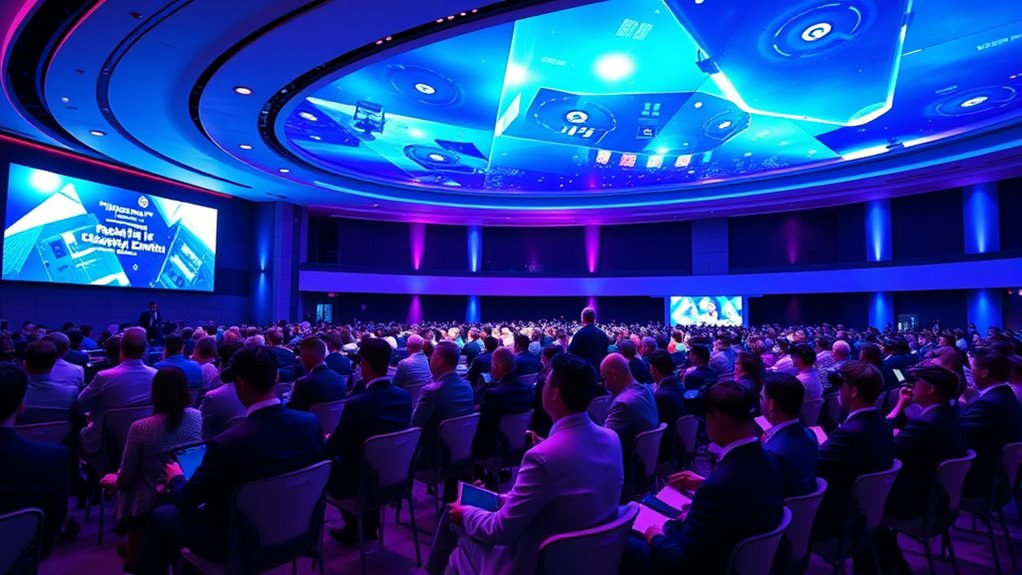
Virtual events have proven their resilience and adaptability, prompting industry leaders to question whether they will remain a staple in the future of tech gatherings. Many see them as key to fostering industry collaboration and increasing investor participation, especially across global markets. While some executives favor in-person interactions for deeper connections, virtual formats offer cost-effective, scalable options. This debate is reflected in the following outlook:
| Aspect | Pros | Cons |
|---|---|---|
| Industry Collaboration | Broader reach, diverse partnerships | Reduced face-to-face engagement |
| Investor Participation | Easier access for global investors | Limited personal rapport |
| Event Accessibility | Increased inclusivity | Technology barriers |
| Future Outlook | Blended models gaining traction | Uncertain long-term reliance |
These insights suggest virtual events may persist, evolving alongside hybrid strategies.
Frequently Asked Questions
How Do Virtual Events Influence Overall Industry Networking Opportunities?
Virtual events boost your industry networking by increasing digital engagement and offering global accessibility. You can connect with professionals worldwide, expanding your network beyond geographical limits. These events foster interactive sessions, breakout rooms, and real-time chats that make networking seamless. You’re able to share ideas, collaborate, and build relationships more efficiently, all while enjoying the convenience of attending from anywhere. This broadens your opportunities and keeps you engaged in the industry’s latest developments.
What Security Concerns Are Associated With Hosting Large-Scale Virtual Launches?
You should be aware that hosting large-scale virtual launches raises cybersecurity vulnerabilities, making it easier for hackers to breach systems. Data privacy is also a concern, as sensitive information might be intercepted or leaked if proper safeguards aren’t in place. To protect your event, implement strong encryption, multi-factor authentication, and regular security audits. Staying vigilant helps prevent cyber threats and guarantees your virtual launch remains secure and trustworthy.
How Do Virtual and In-Person Events Compare in Attendee Retention Rates?
You’ll find that in-person events generally boast higher attendee retention rates, thanks to better participant engagement and more dynamic session interactivity. Studies show that face-to-face interactions lead to a 34% increase in retention compared to virtual formats. While virtual events excel in accessibility, they often struggle with maintaining engagement, making in-person gatherings more effective for fostering meaningful connections and ensuring attendees stay involved throughout the event.
What Are the Technological Barriers for Organizations Transitioning to Virtual Formats?
You might face technological barriers when shifting to virtual formats, mainly related to digital infrastructure and user accessibility. Upgrading your internet bandwidth, guaranteeing reliable streaming platforms, and providing user-friendly interfaces are essential. You also need to take into account accessibility features for diverse audiences. Overcoming these hurdles requires investment and planning, but it guarantees seamless virtual events that engage attendees and deliver a great experience for everyone involved.
How Might Virtual Event Fatigue Impact Future Engagement Levels?
Like a candle burning at both ends, virtual event fatigue can dim your audience’s enthusiasm. Digital burnout leads to engagement challenges, making attendees less likely to participate actively. If you don’t refresh your approach, future engagement could plummet. To combat this, you need to innovate, keep content fresh, and foster genuine connection, ensuring your events remain compelling and avoid the exhaustion that stifles participation.
Conclusion
As you watch virtual events continue to evolve, remember that necessity is the mother of invention. While they offer unmatched convenience and reach, they’re not without challenges. Embrace the hybrid model as the best of both worlds, ensuring your brand stays ahead. After all, the only constant in tech is change, so adapt and thrive—because as the saying goes, ‘The proof of the pudding is in the eating.’