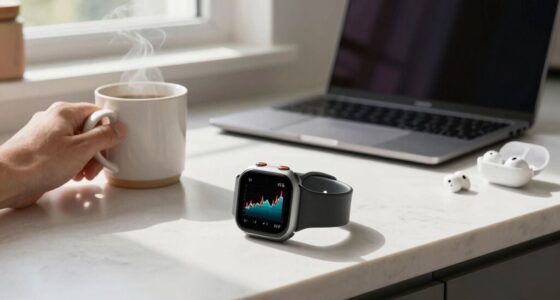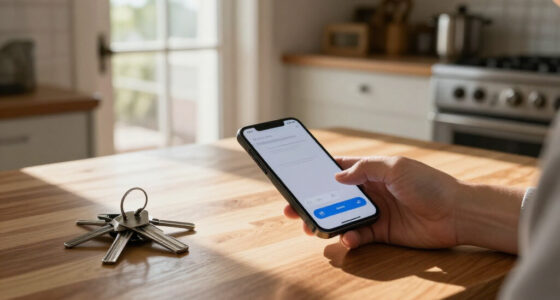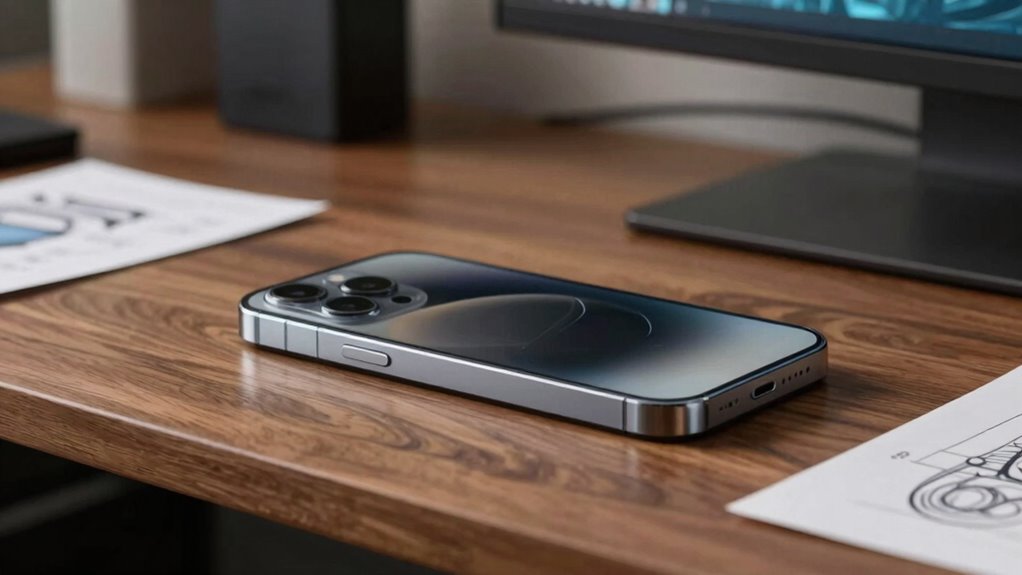

Your trust in a gadget is shaped by its industrial design, which impacts how it looks, feels, and functions. A sleek, intuitive interface and well-organized visuals make you feel confident in its reliability. Durable materials like sturdy metals and reinforced plastics suggest safety and longevity. Sensory cues such as texture and finish also subtly reinforce quality. When design elements and visual cues work together, they build trust and dependability. Keep exploring to discover more about how design influences your confidence in gadgets.

Get the latest gadgets delivered free with Prime
- Fast, free delivery on millions of items
- Prime Video, Amazon Music and more included
- Member-only deals all year
Key Takeaways
- Sleek, well-organized interfaces enhance user confidence and perceived device reliability.
- Durable materials and sturdy construction signal quality and longevity.
- Intuitive visual cues and navigation improve usability and trustworthiness.
- Premium finishes and sensory cues reinforce perceptions of safety and high quality.
- Thoughtful design details communicate reliability and foster consumer confidence.
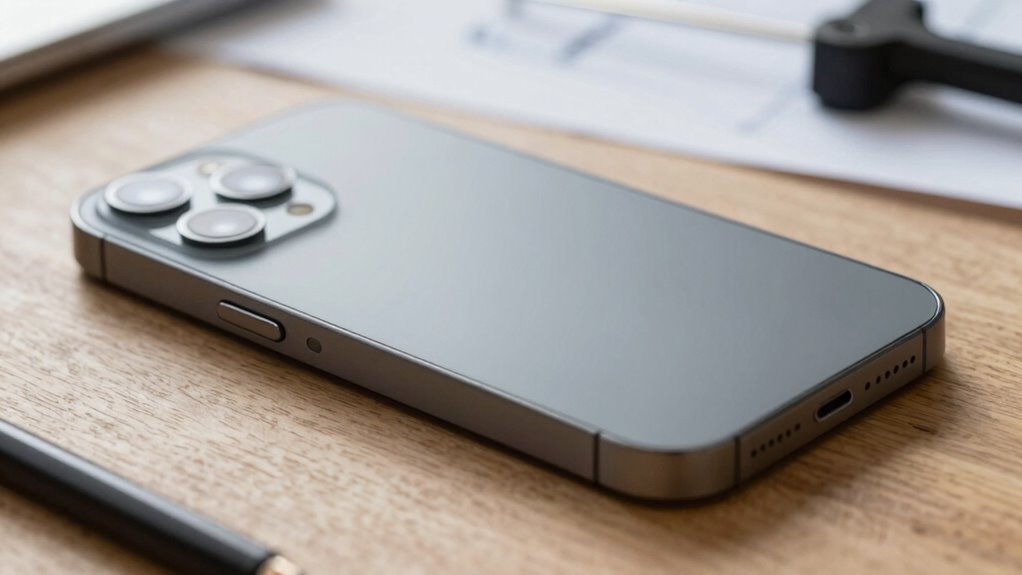
Industrial design plays a crucial role in shaping how much you trust a gadget. When you pick up a device, the first thing you notice is often its appearance and how it feels in your hand. A sleek, intuitive user interface not only makes the device easier to operate but also signals that the manufacturer has put effort into making it accessible and user-friendly. If the interface feels cluttered or confusing, you might hesitate to rely on the gadget, questioning its reliability. Conversely, a clean, well-organized interface fosters confidence, making you more willing to trust the device with important tasks. The visual cues and ease of navigation directly influence your perception of the gadget’s quality and dependability.
Material durability is another essential aspect of industrial design that affects your trust. When you handle a gadget, its physical robustness tells you whether it’s built to last. If the device feels flimsy or easily scratches, you might doubt its longevity and worry about potential malfunctions. On the other hand, a solid, well-constructed device suggests that the manufacturer has prioritized quality. The choice of materials—whether sturdy metals, reinforced plastics, or premium glass—reinforces this impression. Durable materials not only prevent damage but also communicate that the gadget was designed with care and attention to detail. Incorporating material selection principles from reliable manufacturing practices can further enhance this perception. Additionally, material properties such as texture and finish can subtly influence your trust, making the device seem more premium or reliable. Research shows that product safety and sensory cues like odor can also significantly influence your trust in the gadget’s quality and safety. As a result, you’re more inclined to trust that it will perform reliably over time, reducing concerns about frequent repairs or replacements. Furthermore, the use of landscaping elements in product design can subtly enhance the user’s perception of durability and trustworthiness.
Products Worth Considering

DJI Osmo Mobile 8 3-Axis Smartphone Gimbal Stabilizer

LG UltraGear 27-Inch QHD OLED Gaming Monitor, 240Hz, 0.03ms, G-SYNC Compatible, FreeSync Premium Pro, HDMI 2.1

Samsung 27 Odyssey OLED G5 (G50SF) QHD QD-OLED Gaming Monitor
As an affiliate, we earn on qualifying purchases.
Frequently Asked Questions
How Does Color Psychology Affect Gadget Trust?
Color psychology greatly impacts your perception of a gadget’s trustworthiness. You subconsciously associate colors with emotions, shaping your emotional response. For example, blue often evokes feelings of security and reliability, making you more likely to trust devices with blue elements. Conversely, red might trigger excitement or caution. Your color perception influences how you evaluate a gadget’s credibility, ultimately affecting your trust based on subtle emotional signals conveyed through its design.
What Role Does Brand Reputation Play in Design Influence?
Brand reputation plays a essential role in design influence by reinforcing trust through brand heritage and design consistency. When you see a gadget with a familiar, well-crafted look, it signals reliability and quality, making you more confident in your purchase. A consistent design language across products shows dedication and professionalism, fostering trust. Overall, strong brand reputation, rooted in heritage and consistent design, reassures you about the gadget’s performance and longevity.
Can Minimalist Design Increase User Confidence?
Sure, minimalist design can boost your confidence—if you trust that less truly is more. By focusing on aesthetic simplicity, you make it easier for users like you to perceive the gadget as intuitive and reliable. Clean lines and uncluttered interfaces reduce confusion, fostering positive user perception. So, yes, a sleek, simple look isn’t just eye candy; it’s a strategic move to make you feel more assured in your gadget’s performance.
How Do Ergonomic Features Impact Trustworthiness?
Ergonomic features considerably boost your trust in a gadget by prioritizing ergonomic comfort and providing tactile feedback. When a device fits comfortably in your hand and responds intuitively to your touch, you feel more confident using it. This sense of reliability makes you trust the gadget more, knowing it’s designed with your comfort and ease of use in mind. Such thoughtful design elements create a trustworthy and satisfying user experience.
Does Packaging Design Affect Initial Gadget Trust?
Packaging design acts as the first handshake, instantly shaping your trust. When you see material durability and visual symmetry, it signals quality and reliability, making you more confident in the gadget inside. A sleek, sturdy package feels like a fortress, reassuring you of the product’s longevity. Conversely, flimsy or poorly balanced designs raise doubts. So yes, packaging influences your initial trust, guiding your perception before you even open the box.
Conclusion
You now see how vital industrial design is in building gadget trust. When a device looks sleek and feels intuitive, you’re more likely to rely on it. Did you know that 88% of users say that good design increases their trust in a product? That’s a powerful reminder that thoughtful design isn’t just about aesthetics—it’s about creating confidence. Keep an eye on design details; they’re the key to making you feel secure with your gadgets.