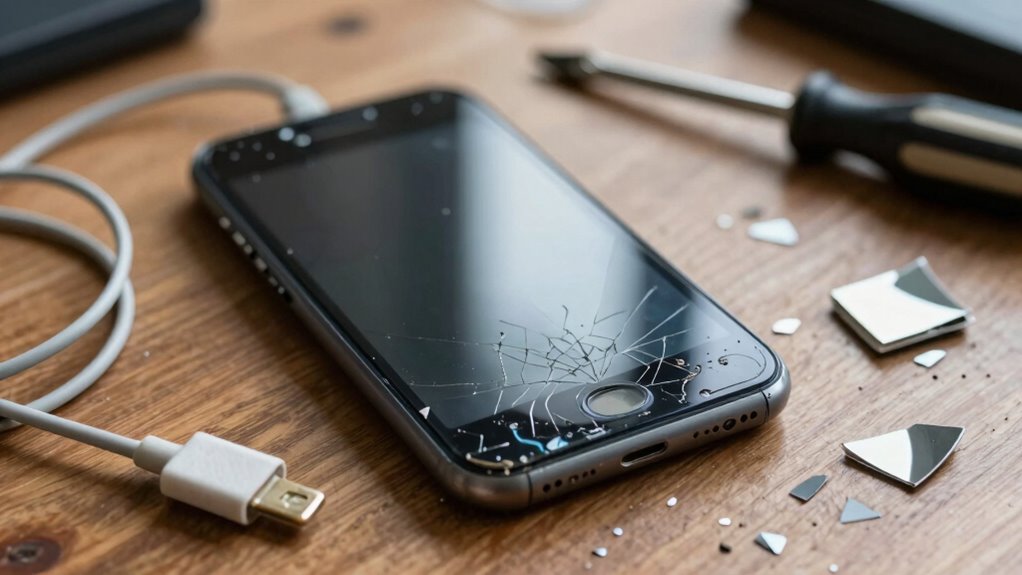

Buying cheap tech might save you money upfront, but it often leads to higher costs later. These gadgets tend to be less durable, more prone to breaking, and need frequent repairs that can add up quickly. Outdated software and low-quality components also cause sluggish performance and security risks. In the long run, investing in better quality devices can save you time, money, and frustration—if you keep going, you’ll find out how to make smarter choices.

Get the latest gadgets delivered free — and shop member deals
- Fast, free delivery on millions of items
- Access to Prime Big Deal Days deals on October 6–7
- Prime Video, Amazon Music and more included
Key Takeaways
- Initial savings from cheap tech often lead to higher long-term repair and replacement costs.
- Low durability increases the likelihood of device failure and frequent replacements, reducing overall value.
- Outdated hardware and limited updates compromise security, performance, and compatibility over time.
- Inferior components diminish device reliability, leading to more malfunctions and user frustration.
- Investing in quality tech provides better durability, security, and long-term cost-effectiveness.

When you opt for cheap tech first, you might save money upfront, but you often end up paying more in the long run. Cheap gadgets tend to be less durable, which means they’re more prone to breaking or malfunctioning sooner rather than later. When that happens, costly repairs can quickly erode any initial savings. Instead of spending a little now, you might find yourself shelling out a lot later to fix a device that wasn’t built to last. These repairs aren’t just inconvenient—they can be expensive, especially if you need professional help or replacement parts that are difficult to find or costly to source. Over time, these unexpected expenses can far surpass the price you saved by choosing the cheaper option initially. Incorporating sound healing science principles, some of these devices may even produce suboptimal sound frequencies that could negatively impact your well-being.
Cheap tech saves money initially but leads to costly repairs and replacements over time.
Beyond the physical fragility, cheap tech often comes with software limitations that can hamper your productivity and overall experience. Cheaper devices typically run on outdated or underpowered software that can’t keep up with modern demands. You might find that updates are infrequent or unavailable, leaving your device vulnerable to security risks and incompatible with new apps or features. This can make your device feel sluggish and less functional over time, forcing you to consider replacements sooner than you’d like. Additionally, lower-quality components can impact both performance and longevity, making your investment less reliable. These software restrictions can also mean missing out on key features that could enhance your work or entertainment, which defeats the purpose of having a device in the first place. Recognizing the importance of emerging trends in digital publishing can help you make more informed decisions about technology investments that balance cost and quality. Moreover, opting for higher-quality tech often provides better cybersecurity features, which are crucial in today’s digital landscape.
As an affiliate, we earn on qualifying purchases.
Frequently Asked Questions
How Do Cheap Tech Products Compare in Longevity to Premium Options?
Cheap tech products often lack durability, so they tend to break or become outdated quickly, leading to higher replacement costs. You might save money upfront, but durability concerns mean you could face frequent repairs or new purchases. In contrast, premium options usually have better build quality and come from reputable brands, ensuring longer-lasting performance. Investing in higher-quality tech can save you money and hassle in the long run.
Are There Hidden Costs When Choosing Cheaper Technology?
Yes, choosing cheaper technology often comes with hidden costs. You might face poor brand reputation, which means unreliable products and limited warranty support. Customer support for budget brands tends to be lacking, making repairs or troubleshooting frustrating and time-consuming. These hidden expenses can add up, ultimately costing you more than investing in a higher-quality, premium option initially. So, consider the long-term value before settling for the cheapest tech available.
Does Buying Cheap Tech Affect Data Security and Privacy?
Buying cheap tech can compromise your data security and privacy, increasing the risk of data breaches. Lower-cost devices often lack robust security features, making them easier targets for hackers. Privacy concerns also rise because cheap tech may not receive timely updates or patches, leaving vulnerabilities open. You might unknowingly expose sensitive information, so it’s essential to weigh the initial savings against potential long-term security and privacy risks.
How Does Initial Cost Impact Overall User Experience?
Like a house built on shifting sands, choosing cheap tech can undermine your user experience. The initial low cost might seem appealing, but it often leads to frustration, slow performance, and frequent glitches. This impacts your satisfaction and might tarnish the brand’s reputation over time. Investing in quality tech guarantees smoother interactions, greater reliability, and a more positive overall experience, making you feel valued and confident in your device’s performance.
What Are the Environmental Impacts of Cheap Versus Expensive Tech?
Cheap tech often harms the environment because it relies on a less sustainable supply chain and cheaper raw materials, which may be mined irresponsibly or disposed of improperly. Expensive tech, on the other hand, typically uses more sustainable raw materials and has a more transparent supply chain, reducing environmental impact. By choosing quality over price, you help decrease e-waste and support greener manufacturing practices.
As an affiliate, we earn on qualifying purchases.
Conclusion
So, next time you’re tempted by that bargain tech, remember Sarah’s story. She bought a cheap laptop that kept crashing, costing her more time and money to fix. Think of it like a cheap parachute—you might save upfront, but it’s unlikely to hold up when you need it most. Investing wisely in quality tech may seem costly now, but it’ll save you headaches and cash in the long run. Don’t let cheap prices parachute you into trouble.
secure and updated antivirus software
As an affiliate, we earn on qualifying purchases.
As an affiliate, we earn on qualifying purchases.
As an affiliate, we earn on qualifying purchases.
Halloween Picks
halloween
As an affiliate, we earn on qualifying purchases.