TL;DR
The FAA halted departures nationwide on Nov. 13 after radar and communications instability, according to Transportation Secretary Sean Duffy. The stop lasted about four hours and 23 minutes; officials said they had seen no evidence of a cyberattack, but the cause has not been fully explained in a written report.
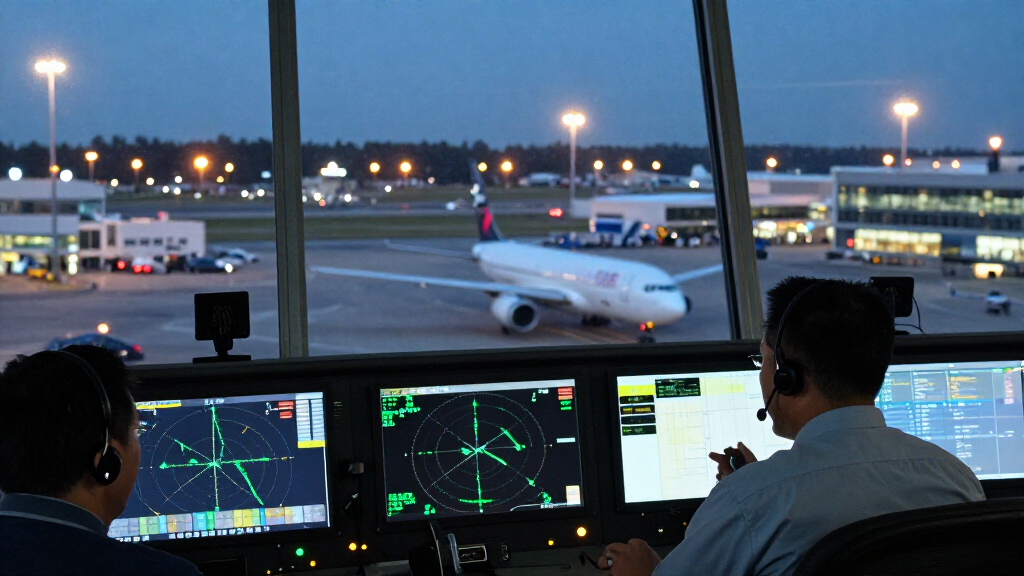
The Federal Aviation Administration halted departures at U.S. airports for about four hours on Nov. 13 after radar and communications instability affected air traffic facilities nationwide, Transportation Secretary Sean Duffy said. The FAA lifted the stop that evening, but officials have not published a written account identifying the failure’s root cause.

Get the latest gadgets delivered free with Prime
- Fast, free delivery on millions of items
- Prime Video, Amazon Music and more included
- Member-only deals all year
The FAA Command Center’s advisories show equipment problems appearing first around Chicago. At 3:21 p.m. ET, an advisory cited equipment issues in delays and holding for arrivals to O’Hare. The agency later stopped departures to O’Hare and Midway, citing communications issues. Duffy said the nationwide instability began at 3:36 p.m.
At 3:54 p.m., the Command Center issued a nationwide stop, directing departing traffic to remain on the ground “until further notice” for safety reasons. Duffy said more than 3,500 aircraft were airborne when the order came; fewer than 400 remained in the air by 8 p.m. The FAA’s cancellation advisory was issued at 8:16 p.m.; Duffy said the airspace reopened at 8:15 p.m. The different times reflect the agency notice and the secretary’s account.
Duffy attributed the disruption to aging analog telecommunications switches and routers that, he said, became overloaded with data and supplied inconsistent information. He said the FAA did not lose all radar or telecommunications. Medevac, life-saving cargo and law enforcement flights were allowed to continue, according to his account.

A Nationwide Halt Exposed System Strain
The stoppage shows how a problem involving air traffic systems can quickly affect flights across the country. Holding departures reduced the number of aircraft in the air while officials dealt with unreliable information, but the restart did not immediately restore normal schedules. The incident matters to passengers and businesses that rely on air travel because its effects can continue after a ground stop is lifted.
FlightAware counted 9,159 cancellations within, into or out of the United States on Friday, and 3,515 more by 7:58 a.m. ET Saturday. Those figures include all cancellations recorded for those periods, not just cancellations caused by the FAA’s order. The available figures therefore show the scale of disruption across the day, but do not isolate the ground stop’s precise contribution.
Duffy warned that similar events could recur without investment in a replacement system and called for $50 billion. That is his assessment and funding request, not a published technical finding that establishes how likely another failure is.
Products Worth Considering

LG UltraGear 32GX850A-B 32-inch 4K UHD OLED Gaming Monitor

Bose TV Speaker (2nd Gen) – Compact Soundbar with Bluetooth and HDMI‑ARC Connectivity, Clear Dialogue, Dolby Atmos, Deep Bass, Remote Contro

Bose QuietComfort Wireless Headphones – Twilight Blue (Limited Edition)
As an affiliate, we earn on qualifying purchases.
From Chicago Delays to National Stop
The FAA’s advisories trace a sequence from local delays to a national restriction. Before the equipment notices, the Command Center had cited weather and traffic volume for other delays that afternoon. The first advisory in the supplied record to identify equipment issues concerned O’Hare at 3:21 p.m. At 3:28 p.m., departures to the airport were stopped from locations across the United States and several Canadian airports; Midway followed at 3:31 p.m.
The national order began at about 3:53 p.m., based on the FAA advisory’s event time, and ended with a cancellation notice at 8:16 p.m. That is about four hours and 23 minutes. BBC News described it as the longest nationwide ground stop since the Sept. 11, 2001, attacks. The source material says the only other such stop since then was in January 2023 and lasted about an hour and 40 minutes.
Speculation about a cyberattack, a Microsoft outage the previous day and the FAA’s newer SMART traffic tool circulated as the disruption unfolded. Duffy and the tool’s maker said SMART was not connected to the equipment that failed. Those statements address that system’s role; they do not by themselves establish the full cause of the outage.
““We didn’t lose all telecom we didn’t lose all radar.””
— Transportation Secretary Sean Duffy
The Failure’s Root Cause Remains Open
Officials have not released a written root-cause report. Duffy’s account points to overloaded analog switches and routers, but the supplied material does not include a technical investigation explaining what triggered the instability, which components failed, or why the problem spread across facilities.
Mullin said officials had seen no evidence of a cyberattack and described the event as appearing mechanically driven, while saying they would not rule out a cyberattack. The cause therefore remains subject to investigation. Duffy and SMART’s maker said the AI traffic tool was not connected to the failed equipment, but the available material does not provide independent technical documentation of that assessment.
The cancellation totals also do not establish how many flights were canceled specifically because of the ground stop. They cover all cancellations recorded within, into or out of the United States during the stated periods.
Investigation and Modernization Debate
The next clear milestone is a fuller technical account from the FAA or other responsible officials identifying the failure mechanism and any corrective steps. No publication date for a written root-cause report is given in the source material, so it is not yet clear when that explanation will be available.
Congress will also face Duffy’s request for $50 billion to replace or modernize the system. The source material does not say whether lawmakers have agreed to the amount or when a funding decision might occur. For passengers, the FAA’s cancellation of the stop meant departures could resume, though the reported Saturday cancellations show disruption continued into the next morning.
Key Questions
How long did the nationwide ground stop last?
The FAA advisory times indicate about four hours and 23 minutes, from roughly 3:53 p.m. to 8:16 p.m. ET on Nov. 13. Duffy said the airspace reopened at 8:15 p.m.
What did officials say caused the disruption?
Duffy said radar and communications became unstable and attributed inconsistent data to overloaded analog telecommunications switches and routers. The FAA has not published a written root-cause report in the supplied material.
Was the halt caused by a cyberattack?
Mullin said officials had seen “zero evidence” of a cyberattack and that the problem appeared mechanically driven, while adding that officials would not rule out a cyberattack.
How many flights were canceled?
FlightAware counted 9,159 cancellations within, into or out of the United States on Friday and 3,515 more by 7:58 a.m. ET Saturday. Those totals include cancellations from all causes, not only the FAA ground stop.
Will a similar ground stop happen again?
Duffy warned that more incidents could occur without funding for a new system and requested $50 billion. The source material does not include a technical forecast or a decision by Congress on that request.
Source: Thorsten Meyer AI