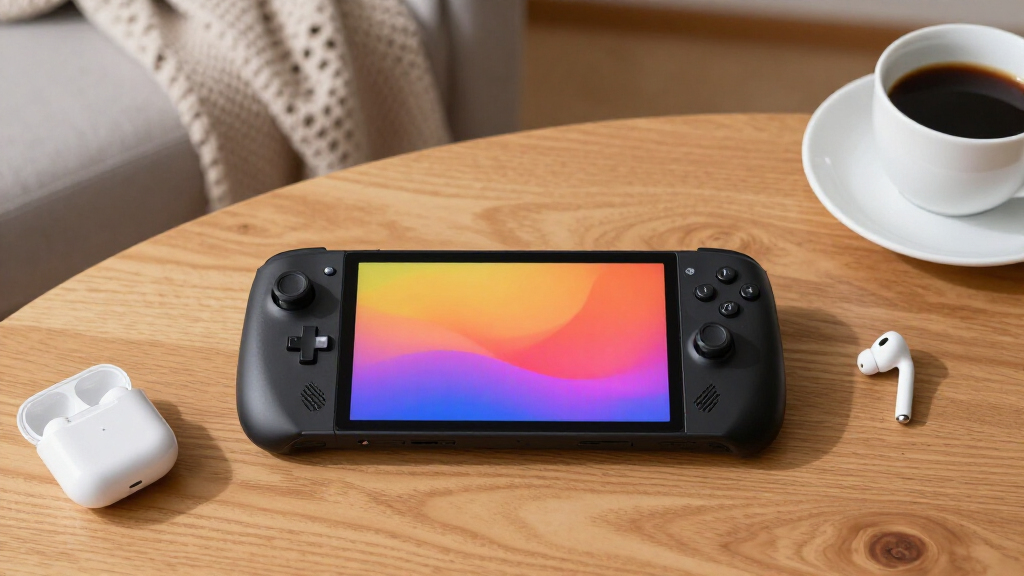
When searching for the best OLED gaming handhelds, the key factors often come down to display quality, performance, and versatility. The AYN Odin 2 Portal stands out as the overall top pick thanks to its powerful Snapdragon 8 Gen 2 chip and stunning 7″ OLED screen. For those prioritizing a premium experience, the Lenovo Legion Go 2 offers a large OLED display combined with high-end specs, while the Valve Steam Deck OLED 2TB appeals to gamers seeking extensive game compatibility. Each option presents tradeoffs—whether it’s battery life, price, or ecosystem—making it important to consider your specific needs. Continue reading for a detailed breakdown of these top contenders and the factors that matter most.
Complete the kit


Key Takeaways
- Display quality, especially OLED panels, significantly enhances gaming visuals and immersion.
- Performance specs like Snapdragon G3 Gen3 or Ryzen Z2 are critical for smooth gameplay across demanding titles.
- Battery life varies widely; larger batteries often mean heavier devices but longer play sessions.
- Build quality and ergonomics impact comfort during extended gaming sessions, especially on larger models.
- Price ranges reflect differences in performance, build, and ecosystem support, so consider what features justify the cost.


| OLED gaming handheld | Display | Storage | Battery | Processor |
|---|---|---|---|---|
| AYN Odin 2 Portal Base Retro H | 7" 1080P OLED Touch Screen | 128GB | 8000mAh | Snapdragon 8 Gen 2 |
| ASUS ROG Xbox Ally | 7-inch 1080p touchscreen | 512GB SSD | 60Whrs | AMD Ryzen Z2 A |
| Valve Steam Deck OLED 2TB Hand | 7.4-inch HDR OLED, 90Hz | 2TB SSD | Longer life, up to 50% more | — |
| ONEXPLAYER ONEXSUGAR Dual OLED | 6.01-inch OLED (2160×1080) and 3.92-inch OLED (1240×1080) | 512GB UFS4.0 | 5600mAh | Snapdragon G3 Gen3 |
| Valve Steam Deck OLED 512GB Ha | 7.4 inch, 1280 x 800, 90Hz OLED | 512GB | — | — |
| Lenovo Legion Go S | 8-inch 120Hz IPS | 512GB | 55.5Whr | AMD Ryzen Z2 Go |
| Lenovo Legion Go 2 Mobile Gami | 8.8" 144Hz OLED | 1TB PCIe SSD | 74Whr | AMD Ryzen Z2 |
| Lenovo Legion Go 2 Gaming Hand | 8.8-inch WUXGA OLED, 144Hz | 1TB PCIe SSD | 74Whr | AMD Ryzen Z2 |
| Valve Steam Deck OLED 1TB Hand | 7.4-inch HDR OLED, 1280 x 800 | 1TB NVMe SSD | 50Whr, 3-12 hours | — |
| MANGMI Pocket Max Gaming Handh | 7-inch 144Hz AMOLED, 1920×1080 | 128GB UFS3.1 | 8000mAh | Qualcomm SD865 |
| Lenovo Legion Go Gen 2 Handhel | 8.8-inch OLED, 1920×1200, 144Hz, 16:10 aspect ratio | 2TB PCIe Gen4 SSD + MicroSD slot | — | AMD Ryzen Z2 (3.30 GHz, up to 5.10 GHz, 8 cores, 16 threads) |
More Details on Our Top Picks
AYN Odin 2 Portal Base Retro Handheld Game Console – Snapdragon 8 Gen 2, 8GB RAM, 128GB Storage, 7″ 1080P OLED Touch Screen, 120Hz Refresh Rate, 8000mAh Battery, Android 13
The AYN Odin 2 Portal stands out for its combination of high-end hardware and flexible Android ecosystem, making it ideal for gamers who want a portable device capable of running a wide range of titles. Its Snapdragon 8 Gen 2 processor delivers smooth performance comparable to premium smartphones, while the 7-inch OLED display with 120Hz refresh rate offers stunning visuals. The massive 8000mAh battery supports marathon sessions, surpassing most other handhelds like the Steam Deck OLED, which has a shorter battery life despite its larger screen. However, this device’s reliance on Android means there’s no preloaded game library, and it requires some familiarity with app management. Its premium build and features come at a higher cost, but for those who value raw power and customization, this is a compelling choice.Pros:- Powerful Snapdragon 8 Gen 2 processor for smooth, high-quality gaming
- Vivid 7-inch OLED display with 120Hz refresh rate for crisp visuals
- Large 8000mAh battery supports extended gaming sessions
- Support for Google Play Store broadens game options
Cons:- No preloaded games, requiring setup and app management
- Higher price point compared to more streamlined handhelds
- Needs some tech savvy for optimal use
Best for: Power users seeking a versatile device that can run Android games, emulators, and stream content.
Not ideal for: Casual gamers or newcomers who prefer a plug-and-play experience without managing Android apps.
- Processor:Snapdragon 8 Gen 2
- GPU:Adreno 740
- Display:7″ 1080P OLED Touch Screen
- Refresh Rate:120Hz
- Storage:128GB
- RAM:8GB
- Battery:8000mAh
- Operating System:Android 13
- Fast Charging:27W USB-C
Our verdict“This device is best suited for gamers who prioritize performance and customization over simplicity.”
ASUS ROG Xbox Ally – 7” 1080p 120Hz Touchscreen Gaming Handheld, 3-month Xbox Game Pass Premium included
The ASUS ROG Xbox Ally excels for players who want seamless access to Xbox titles and console-like performance in a portable form. Its AMD Ryzen Z2 A processor, paired with 16GB of LPDDR5 RAM, provides a level of power usually found in consoles, making it a strong alternative to the Steam Deck OLED, especially for Xbox game enthusiasts. The 7-inch 1080p touchscreen with 120Hz ensures smooth, vibrant visuals. The inclusion of three months of Xbox Game Pass Premium adds immediate value, offering hundreds of games without extra purchase. However, its 512GB storage limit might be restrictive for larger libraries, and its weight of 1.47 pounds could impact comfort during long sessions. It’s a great pick for Xbox fans but less ideal for those who want a broad ecosystem or more storage flexibility.Pros:- High-refresh-rate 120Hz display for smooth gameplay
- Powerful AMD Ryzen Z2 A processor for console-level performance
- Includes 3 months of Xbox Game Pass Premium for immediate access
- Fast-charging battery for longer gaming sessions
Cons:- Limited to 512GB storage, potential need for external expansion
- Relatively heavy for extended handheld play
- Requires compatible controllers for multiplayer gaming
Best for: Xbox subscribers who want a portable device to access their favorite titles on the go.
Not ideal for: Players who prefer a broader gaming ecosystem or need larger storage capacity without external drives.
- Display:7-inch 1080p touchscreen
- Refresh Rate:120Hz
- Processor:AMD Ryzen Z2 A
- RAM:16GB LPDDR5
- Storage:512GB SSD
- Battery:60Whrs
- Brightness:500 nits
- Weight:1.47 lbs
Our verdict“This pick makes the most sense for Xbox fans seeking portability and instant access to a vast library of games.”
Valve Steam Deck OLED 2TB Handheld Gaming Console with 7-in-1 Kit
The Steam Deck OLED 2TB offers a significant upgrade in display quality thanks to its vibrant HDR OLED screen, surpassing the LCD version in color depth and contrast. The 7.4-inch display, with a 90Hz refresh rate, enhances visual clarity and fluid motion, especially when compared with other OLED options like the Valve Steam Deck OLED 512GB. Its 2TB SSD provides ample space for large game libraries, making it ideal for gamers who want both stunning visuals and extensive storage. The longer battery life, up to 50% more than previous models, supports longer sessions, though the unit appears to be refurbished or upgraded, which might concern some buyers. This model is best for those prioritizing display quality and storage but may be less appealing to budget-conscious users.Pros:- Vivid HDR OLED display with deeper blacks and richer colors
- Larger 2TB SSD for extensive game storage
- Longer battery life for extended playtime
- Fast Wi-Fi 6E for rapid downloads and online play
Cons:- Refurbished or upgraded status may raise concerns about warranty
- Higher cost due to OLED display and large storage
- Potential compatibility issues with some third-party controllers
Best for: Gamers who prioritize stunning visuals and ample storage for long gaming sessions.
Not ideal for: Budget shoppers or those wary of refurbished units seeking brand-new hardware.
- Display:7.4-inch HDR OLED, 90Hz
- Storage:2TB SSD
- Battery:Longer life, up to 50% more
- Connectivity:Wi-Fi 6E, Bluetooth
- Included Accessories:Carrying case, screen protector, USB-C hub
Our verdict“Ideal for players who want the best visual experience and substantial storage capacity in a portable package.”
ONEXPLAYER ONEXSUGAR Dual OLED Gaming Handheld, Snapdragon G3 Gen3, Black
The ONEXSUGAR Dual OLED is designed for gamers craving a dual-screen experience and advanced controls. Its two OLED displays—6.01 inches and 3.92 inches—offer unique gameplay opportunities, such as dual-screen puzzles or multitasking. The Snapdragon G3 Gen3 processor, combined with 16GB RAM, ensures capable performance across Android gaming, emulation, and streaming. Compared with single-screen models like the ASUS ROG Xbox Ally, this device provides a distinct advantage for multitasking and immersive gameplay. Nevertheless, its weight of 486 grams makes it less portable for extended use, and the Android ecosystem may limit compatibility with some PC or console games. It’s best suited for users who value versatility and innovative gameplay features.Pros:- Dual OLED screens enable innovative gameplay and multitasking
- Powerful Snapdragon G3 Gen3 processor with 16GB RAM
- Supports Android 14, emulation, and cloud services
- Advanced controls with Hall effect joysticks and haptic feedback
Cons:- Relatively heavy for portable gaming at 486g
- Limited to Android ecosystem, restricting some PC game support
- Battery life details are not specified
Best for: Enthusiasts interested in dual-screen gaming, emulation, and Android-based experiences.
Not ideal for: Players seeking a lightweight, straightforward handheld for traditional gaming only.
- Display:6.01-inch OLED (2160×1080) and 3.92-inch OLED (1240×1080)
- Processor:Snapdragon G3 Gen3
- RAM:16GB
- Storage:512GB UFS4.0
- Battery:5600mAh
- Operating System:Android 14
- Connectivity:WiFi 7, Bluetooth 5.3
- Weight:486g
Our verdict“Perfect for gamers who want a versatile, dual-screen device with advanced controls and emulation capabilities.”
Valve Steam Deck OLED 512GB Handheld Gaming Console, 7.4 inch, 90Hz, SteamOS 3.0, 1280 x 800, with Carrying Case
The Steam Deck OLED 512GB offers a compelling visual upgrade with its vibrant HDR OLED screen, surpassing the LCD version in color richness and contrast. Its 7.4-inch display with 90Hz refresh rate delivers smooth motion and stunning imagery, making it ideal for gamers who want a portable device with excellent visuals. The longer battery life, up to 50% more than previous models, supports longer gaming sessions, while the included carry case enhances portability. Compared to the LCD model, the OLED version’s brighter display makes it better suited for outdoor use or extended viewing. Its primary limitation remains compatibility—being SteamOS-based, it may not run all PC titles flawlessly, and the higher price reflects the premium OLED technology.Pros:- Vivid HDR OLED display with deeper blacks and brighter colors
- Extended battery life for longer gaming periods
- Lighter and cooler design enhances comfort
- Includes carry case for easy transport
Cons:- Higher price compared to LCD model
- Limited to SteamOS, which may restrict some game compatibility
- Refurbished or upgraded status could impact warranty
Best for: Players valuing superior display quality and longer gaming sessions in a portable device.
Not ideal for: Budget-conscious users or those who require broad PC compatibility without compromises.
- Storage:512GB
- Display:7.4 inch, 1280 x 800, 90Hz OLED
- Operating System:SteamOS 3.0
- Battery Life:30-50% longer
- Weight:Lighter by 30g (~5%) compared to LCD
Our verdict“Best suited for gamers seeking a visually stunning OLED experience with portability and longer battery life.”
Lenovo Legion Go S – 2025 Mobile Gaming Console with AMD Radeon Graphics, 8″ Display, 16GB RAM, 512GB Storage, Glacier White
This model stands out for its high-performance AMD Ryzen Z2 Go processor paired with Radeon graphics, making it ideal for gamers who want a portable device that can handle demanding titles. Its 8-inch 120Hz IPS display offers vibrant visuals, and the long-lasting battery supports extended play. Compared to the Steam Deck OLED, the Legion Go S emphasizes raw power over display size, but lacks expandable storage options and is primarily designed for gaming, not media or multitasking. It also doesn’t support external peripherals directly, which could limit versatility for some users.
Best for gamers who prioritize performance and comfort during extended sessions, particularly those who already have a gaming ecosystem supporting AMD hardware.
Not ideal for users seeking a more versatile device for multitasking or media consumption, or those wanting expandable storage without additional costs.
Pros:- Powerful AMD Ryzen Z2 Go processor with Radeon graphics
- Bright 8-inch 120Hz display with accurate colors
- Long battery life suitable for extended gaming sessions
- Ergonomic controllers for comfort and precision
Cons:- Limited to gaming on the go; not a traditional console or PC
- No expandable storage options available
Best for: Serious mobile gamers who need high power and long endurance for extended gaming sessions
Not ideal for: Casual gamers or users needing a multi-use device for productivity or media editing
- Display:8-inch 120Hz IPS
- Processor:AMD Ryzen Z2 Go
- Graphics:AMD Radeon
- Memory:16GB
- Storage:512GB
- Battery:55.5Whr
Our verdict“This is a top choice for gamers who want a high-performance, portable gaming device with excellent battery life.”
Lenovo Legion Go 2 Mobile Gaming Console with AMD Ryzen Z2, 8.8″ OLED Display, 16GB RAM, 1TB Storage
The Legion Go 2 elevates portable gaming with its stunning 8.8-inch 144Hz OLED display, providing richer contrast and more vivid colors than the IPS screens of the Legion Go S. Its AMD Ryzen Z2 processor ensures high performance, and the 74Whr battery supports long gaming sessions. It surpasses the Steam Deck OLED in display quality, yet its increased size and weight may hinder portability for some users. The device’s cooling system and detachable controllers add versatility, but it lacks mention of expandable storage, which could be a concern for users with large libraries.
Best for gamers who prioritize visual fidelity and extended playtime, especially those who appreciate OLED’s deeper blacks and vibrant colors.
Not ideal for users who prefer ultra-light, pocketable devices or need a more compact form factor for quick gaming sessions.
Pros:- Vivid 8.8-inch OLED display with 144Hz refresh rate
- High-performance AMD Ryzen Z2 processor
- Long-lasting 74Whr battery for extended play
- Detachable controllers with multiple modes
Cons:- Potentially bulky and heavy for some portable uses
- Limited details on storage expandability and cooling noise
Best for: Serious gamers seeking a premium portable device with standout display quality and long battery life
Not ideal for: Travelers or casual users who need a lighter, more portable device for quick gaming bursts
- Display:8.8″ 144Hz OLED
- Processor:AMD Ryzen Z2
- Memory:16GB
- Storage:1TB PCIe SSD
- Battery:74Whr
- Cooling System:Legion Coldfront with dual heat pipes
Our verdict“This device offers an exceptional OLED experience combined with robust performance for dedicated mobile gamers.”
Lenovo Legion Go 2 Gaming Handheld Gaming PC – AMD Ryzen Z2, 32GB RAM, 1TB SSD, 8.8″ OLED Display, Windows 11
This version of the Legion Go 2 combines desktop-class performance with a portable form, making it ideal for gamers who want to run Windows games or multitask on the move. Its 8.8-inch OLED display with 144Hz refresh rate offers stunning visuals, and the 32GB RAM ensures smooth multitasking. Compared to the Steam Deck OLED, this device is more suited to gamers who want full Windows compatibility, but it is noticeably heavier and bulkier, which could impact portability. The device’s cooling and battery life support prolonged use, though the weight might be a concern for some users.
Best for power users who need a portable Windows machine capable of gaming, productivity, and multitasking in one device.
Not ideal for users prioritizing ultra-lightweight portability or those with limited space for a larger handheld.
Pros:- Powerful AMD Ryzen Z2 processor with 32GB RAM
- Vivid 8.8-inch OLED display with 144Hz refresh rate
- Long-lasting 74Whr battery for extended work or gaming
- Full Windows 11 support for multitasking
Cons:- Relatively heavy and less pocketable
- Potentially higher cost and complexity for casual users
Best for: Power users who want a portable gaming PC with the flexibility of Windows 11 and an OLED display
Not ideal for: Casual gamers or those seeking a lightweight device for quick, casual gaming sessions
- Display:8.8-inch WUXGA OLED, 144Hz
- Processor:AMD Ryzen Z2
- RAM:32GB
- Storage:1TB PCIe SSD
- Battery:74Whr
- Operating System:Windows 11 Home
Our verdict“This portable Windows gaming PC excels for those requiring high power and OLED visuals in a mobile form factor.”
Valve Steam Deck OLED 1TB Handheld Gaming Console
The Steam Deck OLED offers a 7.4-inch HDR OLED display with anti-glare glass, providing excellent contrast and vibrant colors in a smaller form factor. Its 1TB NVMe SSD supports fast load times, and the device’s battery can last up to 12 hours depending on usage, making it suitable for long portable gaming sessions. Compared with the Lenovo Legion Go S, it emphasizes display quality and portability over raw power, but its performance can vary with game types, and it comes at a premium price point. Its smaller size makes it ideal for quick trips, but the limited screen real estate can be a drawback for more demanding or immersive gaming experiences.
Best for gamers who want a high-quality OLED display in a compact, travel-friendly package.
Not ideal for players seeking maximum performance or expandable storage options.
Pros:- High-quality HDR OLED display with anti-glare glass
- Large 1TB NVMe SSD for fast load times
- Long battery life up to 12 hours
- Compact size for portability
Cons:- Performance varies depending on game content
- Higher price for premium OLED features
Best for: Travelers and casual gamers who prioritize display quality and portability
Not ideal for: Power users or those who want a larger screen for immersive gaming sessions
- Display:7.4-inch HDR OLED, 1280 x 800
- Storage:1TB NVMe SSD
- Refresh Rate:up to 90Hz
- Battery:50Whr, 3-12 hours
- Connectivity:Wi-Fi 6E
Our verdict“This device excels for on-the-go gaming with its compact size and stunning OLED display, though it sacrifices some performance flexibility.”
MANGMI Pocket Max Gaming Handheld, 7″ 144Hz AMOLED, Snapdragon 865, 8GB RAM, 128GB Storage
The MANGMI Pocket Max combines a vibrant 7-inch 144Hz AMOLED display with a Snapdragon 865 processor, making it ideal for emulation, Android gaming, and cloud streaming. Its modular magnetic controls offer a level of customization not found in most handhelds, and the device’s 8000mAh battery supports long gaming periods with fast charging. Compared with the Lenovo Legion Go models, it’s more compact and better suited for quick gaming sessions or emulation, but its storage is limited, and it relies on the Android ecosystem, which may not appeal to everyone. Its connectivity options, including WiFi 6 and Bluetooth 5.1, support a variety of gaming peripherals and streaming services.
Best for Android gamers, emulation enthusiasts, and those who want a portable device with modular controls and a vivid display.
Not ideal for users seeking a device for native AAA game titles or with extensive built-in storage.
Pros:- Vivid 144Hz AMOLED display for smooth visuals
- Modular magnetic controls for customization
- Long battery life with 8000mAh capacity and fast charging
- Supports cloud streaming and external display output
Cons:- Limited internal storage beyond 128GB
- Requires Android ecosystem, which may limit some users
Best for: Android gamers and emulation fans seeking a portable, customizable experience
Not ideal for: Users who need large internal storage or play primarily AAA PC games
- Display:7-inch 144Hz AMOLED, 1920×1080
- Processor:Qualcomm SD865
- RAM:8GB
- Storage:128GB UFS3.1
- Battery:8000mAh
- Connectivity:WiFi 6, Bluetooth 5.1
Our verdict“This handheld is a versatile choice for Android-based gaming and emulation, with a standout display and adaptable controls.”
Lenovo Legion Go Gen 2 Handheld Gaming PC with AMD Ryzen Z2 Extreme, 8.8″ OLED Display, 144Hz, 2TB SSD, 32GB RAM, Windows 11 Pro
The Lenovo Legion Go Gen 2 stands out for its exceptional combination of high-end hardware and versatile controls, making it the most capable gaming handheld in this lineup. Its AMD Ryzen Z2 processor with a turbo up to 5.10 GHz delivers desktop-class performance, surpassing the Snapdragon-powered AYN Odin 2 in raw power—ideal for demanding AAA titles. The 8.8-inch OLED display with 144Hz refresh rate offers crisp visuals and smooth motion, rivaling the smaller Valve Steam Deck OLED, but with the added benefit of a larger screen. While its heavy build and premium price may deter those seeking lightweight portability or budget options, this device excels for gamers who prioritize performance and multitasking. Compared to the Valve Steam Deck OLED, it sacrifices portability for power and flexibility, making it better suited to serious gamers who can carry a bit more weight.
Pros:- Desktop-class performance with AMD Ryzen Z2 processor
- Large, vibrant 8.8-inch OLED display with 144Hz refresh rate
- Ample 32GB RAM and 2TB SSD for multitasking and large game libraries
- Detachable TrueStrike controllers add versatility
Cons:- Heavy and potentially bulky for extended handheld use
- Premium price point may be prohibitive for some buyers
Best for: Power users who want a portable PC capable of running demanding titles with the full Windows experience
Not ideal for: Casual gamers or users prioritizing ultra-lightweight, budget-friendly devices for occasional play
- Processor:AMD Ryzen Z2 (3.30 GHz, up to 5.10 GHz, 8 cores, 16 threads)
- Memory:32GB LPDDR5X 7500MHz
- Storage:2TB PCIe Gen4 SSD + MicroSD slot
- Display:8.8-inch OLED, 1920×1200, 144Hz, 16:10 aspect ratio
- Graphics:Integrated AMD Radeon
- Operating System:Windows 11 Pro
Our verdict“This device is perfect for gamers seeking powerful portable PC gaming with a large, vivid display, despite its weight and cost.”
How We Picked
I evaluated each handheld based on core criteria that matter most to gamers seeking an OLED experience: display quality, processing power, battery longevity, build durability, and value for money. Devices were also assessed for their versatility—whether they run Windows, Android, or SteamOS—and ease of use. The ranking reflects a balance between high-end specs and practical usability, aiming to recommend options for various budgets and preferences. Ultimately, the best picks provide a meaningful combination of visual excellence, performance, and portability, with tradeoffs clearly considered to match different gamer profiles.Factors to Consider When Choosing Best OLED Gaming Handhelds
Choosing the best OLED gaming handheld involves weighing several key factors beyond just display quality. Understanding these considerations helps prevent common pitfalls, like overspending on features you don’t need or selecting a device incompatible with your favorite games. The following sections highlight what matters most when making your decision, along with broader insights into how these factors interplay to shape your gaming experience.Display Quality and Size
While OLED screens deliver vibrant colors and deep blacks, size matters depending on portability preferences. Smaller screens, around 7 inches, are easier to carry but might be less immersive, whereas larger OLED displays—like 8.8 inches—offer richer visuals at the expense of weight. Look for a balance that suits your gaming style and comfort, especially if you plan long sessions. Remember, higher resolution and refresh rate enhance visuals, but can also impact battery life and performance, so consider your priorities carefully.
Performance and Compatibility
The processor and GPU choices directly influence gaming smoothness and compatibility with demanding titles. Snapdragon G3 Gen3 and Ryzen Z2 are current leaders, providing enough power for most modern games. However, performance isn’t just about raw specs; software ecosystem support—whether Windows, Android, or SteamOS—also determines what games are accessible. Be cautious about overestimating the importance of raw power alone; compatibility and ease of access often matter more for a satisfying experience.
Battery Life and Portability
Longer battery life enhances portability, especially for gaming on the go. Larger batteries tend to add weight, so striking a balance is key. Devices with 7-8 inch screens often include larger batteries, but some high-performance models might drain quickly under load. Consider your typical gaming sessions—if portability is a priority, opting for a device with efficient power management can make a significant difference. Keep in mind that frequent charging can interrupt extended play.
Build Quality and Ergonomics
Durability and comfort are often overlooked but crucial for long-term satisfaction. Heavier, robust devices tend to withstand travel better, but may be less comfortable during extended play. Ergonomic design—including button placement and weight distribution—affects your ability to game comfortably, especially on larger models like the Lenovo Legion Go 2. Investing in a well-built device prevents fatigue and accidental damage, making ergonomics a key factor for serious gamers.
Price and Ecosystem Support
Price often reflects the overall package: display quality, performance, build, and features. Premium models with larger OLED screens and high-end processors command higher prices, but offer future-proofing and smoother gameplay. Ecosystem support—such as access to Steam, Xbox, or Android apps—also influences value, especially if you want flexibility across platforms. Be wary of overpaying for extra features you won’t use; focus on what aligns with your gaming habits and budget.
Frequently Asked Questions
How important is a 120Hz refresh rate on a handheld gaming device?
A 120Hz refresh rate provides smoother motion, which can be especially noticeable in fast-paced games like shooters or racing titles. While not essential for all types of gaming, higher refresh rates reduce motion blur and improve responsiveness, enhancing the overall experience. However, they also demand more from the processor and battery, potentially reducing battery life. If you prioritize fluid visuals for action-heavy games, a device with 120Hz is worth considering, but if your focus is casual or turn-based gaming, 60Hz may suffice.
Is an OLED display worth the extra cost compared to LCDs?
OLED screens excel in delivering vibrant colors, deeper blacks, and better contrast, making games look more lifelike and immersive. For gamers who value visual quality and scene immersion, the investment in OLED pays off. However, OLED panels can be more expensive, and some models may experience burn-in over time, especially with static HUD elements. If you primarily play graphically rich titles and want the best visuals, OLED is generally worth the extra expense, but for budget-conscious buyers, high-quality LCDs may still offer a satisfying experience.
Should I prioritize performance over display quality?
While high performance ensures smooth gameplay across demanding titles, display quality significantly impacts immersion and visual enjoyment. Ideally, you want a balance—powerful specs paired with a vibrant OLED screen. Sacrificing display quality for raw power might make visuals less appealing, but overemphasizing display and neglecting performance can lead to lag or stuttering. Consider what’s more important for your gaming style: crisp visuals or seamless gameplay, and choose accordingly.
Are larger handhelds easier to use for extended gaming sessions?
Larger devices with bigger screens and ergonomic designs typically offer more comfort during long gaming sessions, reducing hand fatigue. However, they can be heavier and less portable, which might be inconvenient for travel or commuting. Smaller models are more portable but may cause discomfort over extended periods. Think about your typical gaming environment and session length—if you game on the move or for hours at a stretch, a larger, more ergonomic device is often the better choice.
How does ecosystem support affect my game library?
The ecosystem determines which games and apps are readily available on your device. Devices running Windows or SteamOS generally offer access to a broader library of PC and Steam titles, while Android-based or proprietary systems may have more limited selections. Consider where your existing game library resides and whether the device supports your preferred platforms. Ecosystem support also influences future updates, app availability, and compatibility, making it an important factor in your long-term satisfaction.
Conclusion
For most gamers seeking an all-around excellent experience, the AYN Odin 2 Portal offers a compelling balance of power, display quality, and versatility, making it the best overall pick. Budget-conscious buyers or newcomers might favor the MANGMI Pocket Max for its impressive AMOLED display at a more accessible price point. For those prioritizing premium visuals and high-end specs, the Lenovo Legion Go 2 and Steam Deck OLED 2TB stand out as top-tier options. Finally, if you want a device tailored to specific ecosystems like Xbox or Steam, the dedicated options in this lineup will serve you best. Your ideal choice depends on your gaming habits, portability needs, and budget—use this guide to find the best OLED gaming handheld for your style.