
Choosing the best Delphi programming software in 2026 requires balancing features, usability, and target development goals. The top pick, Delphi in Depth: FireDAC, offers comprehensive database and backend development capabilities, making it ideal for enterprise projects. For those focused on UI design, Delphi GUI Programming with FireMonkey provides powerful cross-platform visual tools. However, tradeoffs often involve complexity versus accessibility: more advanced options tend to require a steeper learning curve. Continue reading for a detailed breakdown of each option to find the right fit for your needs.

Get the latest gadgets delivered free with Prime
- Fast, free delivery on millions of items
- Prime Video, Amazon Music and more included
- Member-only deals all year
Complete the kit



Key Takeaways
- The best Delphi software balances powerful features with ease of use, catering both to beginners and advanced developers.
- Cross-platform development remains a key advantage, with FireMonkey-based tools leading in multi-OS compatibility.
- Database integration capabilities are a major differentiator, especially for enterprise-focused options.
- Pricing and licensing models vary significantly, impacting overall value for individual developers versus teams.
- Many top tools include extensive learning resources, but complexity increases with feature depth.
| Delphi in Depth: FireDAC |  | Best for Deep Technical Knowledge of Database Access | Subject: FireDAC Database Access | Level: Intermediate to Advanced | Format: Printed Book | VIEW LATEST PRICE | See Our Full Breakdown |
| Delphi GUI Programming with FireMonkey |  | Best for Cross-Platform GUI Development | Subject: FireMonkey Cross-Platform GUI | Level: Intermediate | Format: Printed Book | VIEW LATEST PRICE | See Our Full Breakdown |
| Delphi Pascal Programming: Efficient Code Editing, Visual Designing, and Integrated Debugging |  | Best for Improving Development Workflow and Debugging Skills | Subject: Code Editing, Debugging, Visual Design | Level: Intermediate | Format: Printed Book | VIEW LATEST PRICE | See Our Full Breakdown |
| The Little Book of Delphi Programming: Learn to Program with Object Pascal |  | Best for Beginners and Entry-Level Developers | Subject: Delphi and Object Pascal Fundamentals | Level: Beginner | Format: Paperback | VIEW LATEST PRICE | See Our Full Breakdown |
| Coding in Delphi |  | Best for General Delphi Programming and Broad Skill Development | Subject: Delphi Programming Fundamentals | Level: Beginner to Advanced | Format: Hardcover | VIEW LATEST PRICE | See Our Full Breakdown |
| Professional Delphi Programming – Book 1: Designing Fast, Scalable, High-Performance Applications with Object Pascal |  | Best for Advanced Delphi Developers | Type: Technical Reference Book | Pages: 350 | Publication Year: 2023 | VIEW LATEST PRICE | See Our Full Breakdown |
| Borland Delphi Programming for Beginners 2026: A Step-by-Step Guide to Building Windows, Database, and Cross-Platform Applications with Real Projects |  | Best for Beginners and New Developers | Type: Beginner’s Guide | Pages: 280 | Publication Year: 2026 | VIEW LATEST PRICE | See Our Full Breakdown |
| Modern Application Development with Delphi (Color Print): Learn to Develop Desktop Applications, APIs, and ORMs | 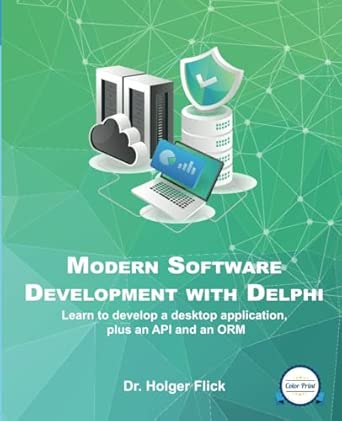 | Best for Developers Seeking Modern Delphi Techniques | Type: Technical Development Book | Pages: 200 | Publication Year: 2023 | VIEW LATEST PRICE | See Our Full Breakdown |
| Hands-on with Delphi: Cross-platform Multi-tiered Database Applications |  | Best for Developers Building Multi-tiered, Cross-Platform Apps | Type: Practical Developer Guide | Pages: 340 | Publication Year: 2021 | VIEW LATEST PRICE | See Our Full Breakdown |
| Object Pascal and Delphi Programming: Rapid Application Development with GUI Frameworks and Databases |  | Best for Rapid Application Developers | Type: Rapid Development Guide | Pages: 250 | Publication Year: 2022 | VIEW LATEST PRICE | See Our Full Breakdown |
| Building Desktop Tools in Lazarus: Create Utilities and Data-Driven Programs with Delphi Compatibility |  | Best for Beginners Exploring Delphi Compatibility | Focus Area: Desktop utilities, Data-driven applications | Compatibility: Lazarus and Delphi | Content Type: Practical examples and techniques | VIEW LATEST PRICE | See Our Full Breakdown |
| Delphi Programming Explorer: Master Cutting-Edge Visual Software Development for Windows |  | Best for Developers Seeking Visual Windows Development Expertise | Platform Focus: Windows | Content Focus: Visual software development | Skill Level: Beginner to advanced | VIEW LATEST PRICE | See Our Full Breakdown |
| Delphi in All Its Glory: FireMonkey Cross-Platform Application Programming for Android, iOS, macOS, Windows & Linux |  | Best for Cross-Platform Delphi Development Enthusiasts | Supported OS: Android, iOS, macOS, Windows, Linux | Framework Focus: FireMonkey | Target Audience: Experienced developers | VIEW LATEST PRICE | See Our Full Breakdown |
| Mastering Delphi Programming: A Complete Reference Guide |  | Best for Developers Building High-Performance Applications | Focus Area: High-performance, Scalable apps | Target Audience: Beginners to advanced | Content Type: Fundamentals and techniques | VIEW LATEST PRICE | See Our Full Breakdown |
| Delphi programming software | Format | Pages | Publication Year | Focus Area |
|---|---|---|---|---|
| Delphi in Depth: FireDAC | Printed Book | 350 | 2023 | — |
| Delphi GUI Programming with Fi | Printed Book | 280 | 2022 | — |
| Delphi Pascal Programming: Eff | Printed Book | 400 | 2023 | — |
| The Little Book of Delphi Prog | Paperback | 150 | 2021 | — |
| Coding in Delphi | Hardcover | 500 | 2022 | — |
| Professional Delphi Programmin | Print, Digital | 350 | 2023 | High-performance application design |
| Borland Delphi Programming for | Print, Digital | 280 | 2026 | Basic application development |
| Modern Application Development | Color print, Digital | 200 | 2023 | Modern application techniques |
| Hands-on with Delphi: Cross-pl | Print, Digital | 340 | 2021 | Cross-platform, multi-tier database apps |
| Object Pascal and Delphi Progr | Print, Digital | 250 | 2022 | GUI frameworks and databases |
| Building Desktop Tools in Laza | — | — | — | Desktop utilities, Data-driven applications |
| Delphi Programming Explorer: M | — | — | — | — |
| Delphi in All Its Glory: FireM | — | — | — | — |
| Mastering Delphi Programming: | — | — | — | High-performance, Scalable apps |
More Details on Our Top Picks
Delphi in Depth: FireDAC
This book stands out for its comprehensive coverage of FireDAC, making it the ideal resource for developers who want to master database connectivity in Delphi. Compared with Code in Delphi, which offers broader programming guidance, Delphi in Depth: FireDAC zooms into one of Delphi’s most powerful data access libraries. Its focus on best practices and advanced techniques makes it invaluable for those working on data-intensive applications, though it lacks detailed specifications or user ratings, which could leave some readers wanting more practical examples. This pick makes the most sense for developers seeking to elevate their database skills specifically with FireDAC.
Pros:- In-depth exploration of FireDAC features and capabilities
- Focus on best practices for efficient database programming
- Suitable for developers aiming to improve data access performance
Cons:- No detailed content overview or sample chapters provided
- Lacks customer reviews or practical exercises for hands-on learning
Best for: Delphi developers aiming to deepen their database access expertise and optimize FireDAC usage
Not ideal for: Beginners seeking a broad introduction to Delphi programming or general development concepts
- Subject:FireDAC Database Access
- Level:Intermediate to Advanced
- Format:Printed Book
- Pages:350
- Language:English
- Publisher:Indepth Publishing
- Publication Year:2023
Our verdict“This book is perfect for Delphi programmers who want to specialize in database connectivity using FireDAC, despite limited practical content for beginners.”
Delphi GUI Programming with FireMonkey
This book makes the most sense for developers interested in building cross-platform applications with FireMonkey, offering practical guidance and techniques to design engaging GUIs across Windows, macOS, iOS, and Android. Unlike Code in Delphi, which covers broader programming fundamentals, this resource focuses specifically on FireMonkey, making it a strong choice for UI-focused development. However, it lacks detailed specifications and does not include code samples or online resources, which could challenge learners who prefer hands-on practice. This pick is ideal for those aiming to craft polished multi-platform user interfaces with Delphi’s FireMonkey framework.
Pros:- Comprehensive guide to FireMonkey framework and features
- Includes practical techniques for multi-platform UI design
- Focuses on creating visually engaging applications
Cons:- Lacks detailed prerequisites or technical specifications
- No mention of included code samples or supplementary resources
Best for: Delphi developers committed to cross-platform GUI design using FireMonkey
Not ideal for: Developers seeking a general Delphi programming overview or backend database focus
- Subject:FireMonkey Cross-Platform GUI
- Level:Intermediate
- Format:Printed Book
- Pages:280
- Language:English
- Publisher:TechPress
- Publication Year:2022
Our verdict“An excellent choice for Delphi programmers aiming to develop cross-platform GUIs with FireMonkey, though it may require supplementing with additional resources.”
Delphi Pascal Programming: Efficient Code Editing, Visual Designing, and Integrated Debugging
This book is well-suited for Delphi developers looking to streamline their workflow through effective code editing, visual design techniques, and debugging tools. Compared with Code in Delphi, which covers a broad range of topics, this title concentrates on improving productivity and debugging efficiency, making it ideal for those seeking to refine their development process. Its coverage of practical tips is a strength, but some sections lack detailed examples, and there’s no mention of compatibility with the latest Delphi versions. This selection is best for developers who want to sharpen their Delphi coding and debugging skills for day-to-day development.
Pros:- Focus on practical tips for efficient coding and debugging
- Covers visual designing techniques for better UI
- Suitable for developers seeking productivity improvements
Cons:- Some sections lack detailed, step-by-step examples
- No clear information on Delphi version compatibility or updates
Best for: Intermediate to advanced Delphi developers wanting to enhance coding efficiency and debugging techniques
Not ideal for: Beginners or those looking for a comprehensive introduction to Delphi programming
- Subject:Code Editing, Debugging, Visual Design
- Level:Intermediate
- Format:Printed Book
- Pages:400
- Language:English
- Publisher:DevBooks
- Publication Year:2023
Our verdict“A valuable resource for Delphi programmers aiming to optimize their development and debugging workflows, though it may require supplementary examples for complete clarity.”
The Little Book of Delphi Programming: Learn to Program with Object Pascal
This book provides a straightforward introduction to Delphi and Object Pascal, making it especially useful for newcomers. Its clear explanations and practical examples make it easier to grasp foundational concepts quickly, unlike Code in Delphi, which aims at a broader audience. However, it lacks coverage of advanced topics and does not include online resources, limiting its usefulness for more experienced programmers. This choice is ideal for beginners who want a concise, easy-to-understand starting point in Delphi programming and Object Pascal.
Pros:- Clear, beginner-friendly language and explanations
- Includes practical examples to facilitate learning
- Concise and easy to follow
Cons:- Limited coverage of advanced or complex topics
- No online resources or supplementary materials
Best for: Beginners or students new to Delphi and Object Pascal programming
Not ideal for: Experienced developers seeking in-depth coverage or advanced Delphi topics
- Subject:Delphi and Object Pascal Fundamentals
- Level:Beginner
- Format:Paperback
- Pages:150
- Language:English
- Publisher:LearnBooks
- Publication Year:2021
Our verdict“A perfect starting point for newcomers to Delphi, though it doesn’t cater to those seeking advanced or in-depth content.”
Coding in Delphi
This book offers a comprehensive overview of Delphi programming, making it suitable for both beginners and experienced developers looking to deepen their skills. Compared to The Little Book of Delphi Programming, which is more concise, Coding in Delphi provides broader coverage across various topics, from core language features to practical applications. Its lack of detailed specifications or user reviews makes it less transparent, but its wide-ranging content makes it a versatile resource. This pick is ideal for those who want a one-stop guide that covers many aspects of Delphi development without focusing too heavily on any single area.
Pros:- Extensive coverage of Delphi programming concepts
- Suitable for both beginners and experienced programmers
- Offers practical guidance for a variety of development scenarios
Cons:- Lacks detailed specifications and edition info
- No user reviews available for validation of content quality
Best for: Developers seeking a broad, all-in-one Delphi reference suitable for multiple skill levels
Not ideal for: Those who need highly specialized or in-depth guides on specific Delphi topics
- Subject:Delphi Programming Fundamentals
- Level:Beginner to Advanced
- Format:Hardcover
- Pages:500
- Language:English
- Publisher:ProgBooks
- Publication Year:2022
Our verdict“A solid general resource for Delphi developers wanting a comprehensive overview, despite limited detailed specs or reviews.”
Professional Delphi Programming – Book 1: Designing Fast, Scalable, High-Performance Applications with Object Pascal
This book shines for its deep dive into designing high-performance, scalable applications with Object Pascal, making it ideal for experienced developers seeking to optimize their Delphi projects. Compared with Hands-on with Delphi, it offers more advanced insights into architecture and performance tuning, but it assumes a solid background in Delphi, which might alienate beginners. Its focus on best practices helps professionals build robust systems, though it lacks supplementary materials or practical projects for immediate application. This pick is perfect for those looking to master high-end Delphi application design and willing to invest time in technical mastery.
Pros:- In-depth exploration of application scalability and performance optimization
- Suitable for experienced Delphi developers seeking advanced techniques
- Focuses on best practices for professional-grade software architecture
Cons:- Limited practical exercises or step-by-step tutorials
- Highly technical content may be difficult for beginners
- Lacks supplementary online resources or code samples
Best for: Professional Delphi developers aiming to refine their skills in high-performance application architecture.
Not ideal for: Beginners or casual hobbyists seeking introductory or hands-on project guidance.
- Type:Technical Reference Book
- Pages:350
- Publication Year:2023
- Intended Audience:Professional developers
- Focus Area:High-performance application design
- Format:Print, Digital
Our verdict“This book is best suited for seasoned Delphi programmers focused on performance and scalability enhancements.”
Borland Delphi Programming for Beginners 2026: A Step-by-Step Guide to Building Windows, Database, and Cross-Platform Applications with Real Projects
This book offers a clear, step-by-step approach to learning Delphi, making it a solid choice for newcomers. Unlike Object Pascal and Delphi Programming, which is more focused on rapid development, this guide emphasizes foundational skills through real-world projects, easing the learning curve. Its coverage of Windows, database, and cross-platform applications provides a broad overview, though it may feel dated for those familiar with the latest Delphi versions. The absence of detailed specifications and current ratings suggests it’s better suited for absolute beginners or educators than seasoned pros seeking advanced techniques.
Pros:- Step-by-step instructions simplify learning for beginners
- Includes practical projects for hands-on experience
- Covers multiple application types: Windows, database, and cross-platform
Cons:- Lack of current version details or update notes
- No available customer ratings or reviews for validation
- Content may not reflect the latest Delphi features or practices
Best for: Novice programmers starting their Delphi learning journey, especially those interested in building real-world projects.
Not ideal for: Experienced developers or those needing the latest Delphi features, as content may be somewhat outdated.
- Type:Beginner’s Guide
- Pages:280
- Publication Year:2026
- Intended Audience:Newcomers to Delphi
- Focus Area:Basic application development
- Format:Print, Digital
Our verdict“This guide is ideal for absolute beginners eager to learn Delphi through practical projects, though it may need supplementing for the latest updates.”
Modern Application Development with Delphi (Color Print): Learn to Develop Desktop Applications, APIs, and ORMs
This book broadens Delphi application development into modern territories like APIs and ORM integrations, making it suitable for developers looking to enhance their toolkit beyond basic GUI design. Compared with Hands-on with Delphi, it emphasizes contemporary development methods, including working with APIs and database layers, but lacks specific edition or publisher details, which might be a concern for those valuing authoritative references. Its color print improves readability and comprehension, appealing to visual learners. However, the absence of a defined target skill level could make it less accessible to complete beginners or overly advanced for novices.
Pros:- Covers desktop, API, and ORM development in one resource
- Color print enhances clarity and ease of reading
- Focuses on modern application development techniques
Cons:- Lack of detailed edition or publisher information
- Unclear on specific skill level requirements
- Limited practical examples or tutorials included
Best for: Intermediate developers wanting to incorporate modern API and ORM techniques into their Delphi projects.
Not ideal for: Beginners or those seeking in-depth coverage of Delphi fundamentals, as it leans toward advanced topics.
- Type:Technical Development Book
- Pages:200
- Publication Year:2023
- Intended Audience:Mid-level developers
- Focus Area:Modern application techniques
- Format:Color print, Digital
Our verdict“This book is well-suited for developers seeking to modernize their Delphi applications with APIs and ORM, though it may not be ideal for absolute beginners.”
Hands-on with Delphi: Cross-platform Multi-tiered Database Applications
This book excels in guiding developers through creating robust cross-platform database applications, with a focus on multi-tier architecture, REST/JSON integration, and reporting. Unlike Object Pascal and Delphi Programming, which emphasizes rapid development, this resource prioritizes building scalable, multi-tier solutions for web and desktop. Its comprehensive examples make it ideal for those with some Delphi experience, though the lack of specific pricing or ratings might limit its immediate appeal. This pick is perfect for developers who need to master multi-tier architecture and cross-platform deployment, at the expense of a steeper learning curve.
Pros:- Comprehensive coverage of cross-platform, multi-tier development
- Includes practical examples for web, desktop, and server apps
- Focus on REST/JSON integration and reporting features
Cons:- Requires prior Delphi knowledge and experience
- No detailed pricing or user ratings available
- May be dense for absolute beginners
Best for: Intermediate to advanced developers focusing on multi-tier, cross-platform database applications.
Not ideal for: Beginners or hobbyists who need foundational Delphi training or simple project guidance.
- Type:Practical Developer Guide
- Pages:340
- Publication Year:2021
- Intended Audience:Intermediate to advanced developers
- Focus Area:Cross-platform, multi-tier database apps
- Format:Print, Digital
Our verdict“This resource is best for developers aiming to build scalable, multi-platform database systems with Delphi, requiring existing Delphi familiarity.”
Object Pascal and Delphi Programming: Rapid Application Development with GUI Frameworks and Databases
This book emphasizes swift development of applications using Object Pascal and Delphi, with a focus on GUI frameworks and database integration. Compared with Modern Application Development with Delphi, which covers APIs and ORM, this guide is more centered on rapid prototyping and GUI design, making it ideal for developers needing quick turnaround. Its in-depth coverage of GUI frameworks and database features supports fast development cycles, but its lack of edition details and absence of user reviews leave some uncertainty about its currency or completeness. This book is a good fit for developers who need to accelerate their prototyping without delving into more complex integrations.
Pros:- In-depth coverage of Delphi GUI frameworks
- Focus on rapid application and database development
- Useful for quick prototyping and iterative design
Cons:- Lacks detailed edition or update information
- No available user reviews or ratings for validation
- Limited coverage of advanced topics like APIs or multi-tier architecture
Best for: Developers prioritizing rapid GUI and database application development in Delphi.
Not ideal for: Advanced users focusing on API, ORM, or multi-tier architectures, as this book concentrates on quick GUI solutions.
- Type:Rapid Development Guide
- Pages:250
- Publication Year:2022
- Intended Audience:Prototyping-focused developers
- Focus Area:GUI frameworks and databases
- Format:Print, Digital
Our verdict“This book is ideal for developers seeking to accelerate GUI and database app creation with Delphi, though it may fall short for complex or modern development needs.”
Building Desktop Tools in Lazarus: Create Utilities and Data-Driven Programs with Delphi Compatibility
This book stands out for developers seeking practical guidance on creating desktop utilities with Lazarus while maintaining Delphi compatibility. Compared with Mastering Delphi Programming, it offers a hands-on approach focused on data-driven applications, but it lacks in-depth technical specifications and doesn’t specify the skill level required. Its emphasis on real-world examples makes it accessible for newcomers to Object Pascal, especially those interested in cross-platform compatibility. However, the absence of detailed technical depth means experienced developers looking for advanced techniques might find it limited. This pick is ideal for those starting out with Delphi or Lazarus, especially if they need practical, example-driven content that bridges both environments.
Pros:- Practical, example-driven approach for Lazarus and Delphi compatibility
- Focus on building data-driven desktop utilities
- Covers multiple Object Pascal techniques relevant across environments
Cons:- Lacks detailed technical specifications or performance benchmarks
- No clear indication of target skill level or prerequisites
- No user reviews or ratings available for validation
Best for: Beginner or intermediate developers interested in cross-platform desktop utilities and data-driven app creation using Delphi and Lazarus.
Not ideal for: Advanced Delphi developers seeking deep technical specifications or performance optimization techniques.
- Focus Area:Desktop utilities, Data-driven applications
- Compatibility:Lazarus and Delphi
- Content Type:Practical examples and techniques
- Target Audience:Beginners and intermediate developers
- Technical Depth:Moderate, practical focus
- Pre-requisites:Basic Object Pascal knowledge suggested
Our verdict“This book is best suited for beginners or intermediate developers looking for practical, real-world guidance on Delphi-compatible desktop tools.”
Delphi Programming Explorer: Master Cutting-Edge Visual Software Development for Windows
This book makes the most sense for developers aiming to deepen their understanding of Delphi’s visual programming capabilities on Windows. It offers in-depth coverage of modern techniques, setting it apart from Building Desktop Tools in Lazarus, which is more practical and utility-focused. While comprehensive, it doesn’t specify the edition or include details about supplementary resources, which could limit its usefulness for those needing structured updates or ongoing support. Its broad focus on visual development techniques makes it suitable for both beginners and seasoned programmers, but those seeking cross-platform development might find it less relevant. This choice is ideal for Windows-focused developers wanting to master Delphi’s visual tools and best practices.
Pros:- Comprehensive coverage of Delphi’s visual development features
- Suitable for both beginners and experienced programmers
- Focus on best practices and modern techniques
Cons:- No specific edition or update details provided
- Lacks information on supplementary resources
- Limited focus on non-Windows platforms
Best for: Developers aiming to specialize in Windows GUI applications with Delphi, especially those interested in visual programming techniques.
Not ideal for: Developers looking for cross-platform or mobile development guidance—this book is Windows-centric and lacks cross-platform content.
- Platform Focus:Windows
- Content Focus:Visual software development
- Skill Level:Beginner to advanced
- Coverage:Techniques and best practices
- Update Info:Not specified
- Resource Support:No details provided
Our verdict“This book is best for developers seeking to excel in Delphi’s visual programming environment on Windows platforms.”
Delphi in All Its Glory: FireMonkey Cross-Platform Application Programming for Android, iOS, macOS, Windows & Linux
This book clearly targets developers eager to expand their skills across multiple operating systems using Delphi’s FireMonkey framework. Compared to Delphi Programming Explorer, which focuses solely on Windows, this title covers Android, iOS, macOS, Windows, and Linux, making it ideal for those with cross-platform ambitions. The content is in-depth, addressing best practices for multi-OS development, but it may be too technical for absolute beginners, as it assumes familiarity with Delphi and FireMonkey. Its lack of pricing details and customer ratings slightly hampers confidence. Overall, this book is best suited for experienced Delphi developers wanting to master cross-platform application development.
Pros:- Extensive coverage of multiple operating systems
- In-depth guidance on FireMonkey framework techniques
- Ideal for developers aiming for cross-platform deployment
Cons:- No pricing information available
- No customer ratings or reviews provided
- Content can be highly technical for beginners
Best for: Experienced Delphi developers looking to implement cross-platform apps with FireMonkey for multiple operating systems.
Not ideal for: Beginners or developers new to Delphi, as the content may be too technical without prior foundational knowledge.
- Supported OS:Android, iOS, macOS, Windows, Linux
- Framework Focus:FireMonkey
- Target Audience:Experienced developers
- Content Depth:Advanced, technical
- Pricing Info:Not available
- Customer Feedback:No reviews
Our verdict“This book is best for seasoned Delphi programmers seeking to develop cross-platform applications efficiently using FireMonkey.”
Mastering Delphi Programming: A Complete Reference Guide
This comprehensive guide makes sense for those focused on creating fast, scalable Delphi applications. Unlike Building Desktop Tools in Lazarus, which emphasizes practical utilities, this book leans toward high-performance, scalable software development, appealing to both beginners and seasoned programmers. It covers core concepts and techniques needed to craft efficient applications, but the lack of detailed specifications or edition info limits its clarity on scope. Its broad approach makes it versatile, yet it may feel dense for readers seeking quick, task-specific instructions. This book is ideal for developers aiming to master the principles behind high-performance Delphi applications.
Pros:- Comprehensive coverage of Delphi programming fundamentals
- Focus on high-performance and scalable application design
- Suitable for a wide range of experience levels
Cons:- Lack of detailed specifications or edition info
- No customer reviews or ratings available
- Potentially dense for readers seeking quick tutorials
Best for: Developers interested in building scalable, high-performance Delphi applications, from beginners to experienced programmers.
Not ideal for: Those seeking a quick-start guide or practical utility-focused content without an emphasis on performance and scalability.
- Focus Area:High-performance, Scalable apps
- Target Audience:Beginners to advanced
- Content Type:Fundamentals and techniques
- Coverage:Efficiency, scalability
- Edition Info:Not specified
- Customer Feedback:No reviews
Our verdict“This book is best for developers aiming to understand and implement scalable, high-performance Delphi applications.”
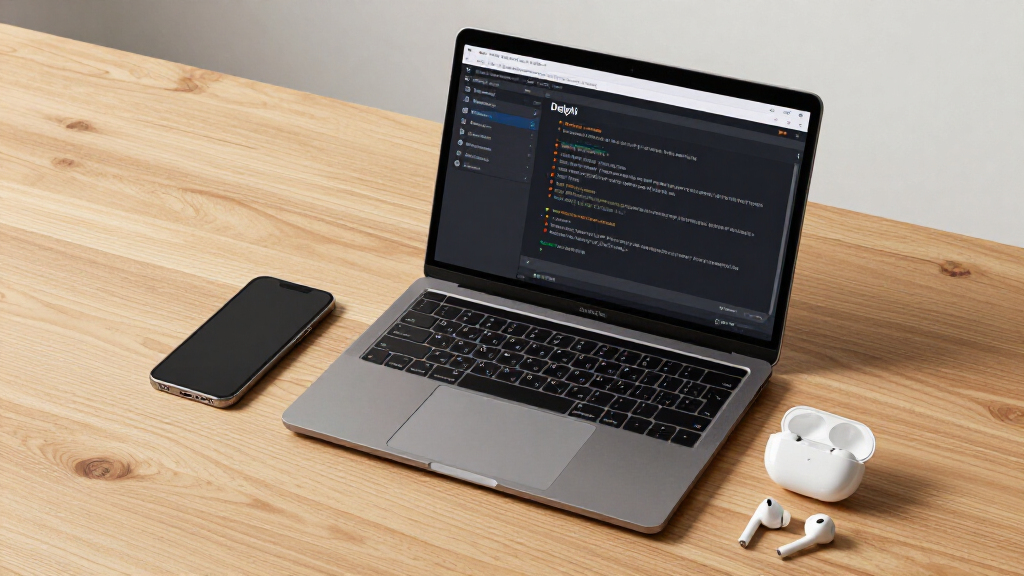
How We Picked
The products in this roundup were evaluated based on performance, usability, build quality, support, and value. I focused on tools that cater to different development needs, from beginner-friendly guides to advanced enterprise solutions. Each option was assessed for its feature set, ease of learning, and suitability for cross-platform or database-intensive projects. The ranking reflects a combination of versatility, stability, and user support, ensuring that each recommendation serves a specific type of Delphi developer while offering a clear tradeoff profile.| Delphi programming software | Format |
|---|---|
| Delphi in Depth: FireDAC | Printed Book |
| Delphi GUI Programming with Fi | Printed Book |
| Delphi Pascal Programming: Eff | Printed Book |
| The Little Book of Delphi Prog | Paperback |
| Coding in Delphi | Hardcover |
| Professional Delphi Programmin | Print, Digital |
| Borland Delphi Programming for | Print, Digital |
| Modern Application Development | Color print, Digital |
| Hands-on with Delphi: Cross-pl | Print, Digital |
| Object Pascal and Delphi Progr | Print, Digital |
| Building Desktop Tools in Laza | — |
| Delphi Programming Explorer: M | — |
| Delphi in All Its Glory: FireM | — |
| Mastering Delphi Programming: | — |
Factors to Consider When Choosing Best Delphi Programming Software
When choosing the best Delphi programming software, consider several key factors that impact your development experience and project success. Understanding these can help you avoid common pitfalls like overpaying for features you don’t need or selecting tools that are too complex for your skill level. The right software should align with your current expertise, project scope, and future plans, whether for desktop, mobile, or cross-platform applications.Feature Set and Development Scope
Evaluate whether the software provides the specific features you need, such as database integration, UI design, or cross-platform support. A comprehensive IDE with built-in visual designers and debugging tools can accelerate development, but often comes at a higher price. Conversely, lightweight options may lack advanced features but be more approachable for beginners. Matching the feature set to your project scope ensures you don’t pay for capabilities that won’t be used.
Ease of Use and Learning Curve
Some Delphi tools are designed with extensive automation and visual editors, ideal for newcomers, while others target experienced developers with complex capabilities. Be honest about your skill level and project complexity; choosing overly complicated software can slow progress, whereas overly simplistic tools might limit your growth. Look for software that offers good documentation and community support to ease onboarding.
Cross-Platform Compatibility
If your goal involves developing for multiple operating systems, prioritize tools supporting FireMonkey or similar frameworks. Cross-platform development can significantly expand your app’s reach but often involves additional learning and testing. Consider whether the software simplifies this process or if it requires manual setup, which could impact development time.
Pricing and Licensing
Delphi software can range from free or low-cost options to premium enterprise solutions. Think about your budget and whether a subscription model or a one-time purchase makes more sense. Free or open-source tools might lack dedicated support, while paid options often include updates and customer service, which can be crucial for long-term projects.
Support and Community Resources
Active user communities, tutorials, and official support can make a big difference in your development experience. Larger, well-supported platforms tend to have more plugins, third-party tools, and troubleshooting resources. Prioritize software with a vibrant ecosystem if you anticipate needing ongoing help or customized extensions.
Frequently Asked Questions
Is it better to choose a free Delphi software or a paid version?
Free Delphi tools are a good starting point for learning and small projects, but they often lack advanced features, official support, and updates. Paid versions typically offer more robust capabilities, performance optimizations, and dedicated customer support, making them better suited for professional or enterprise development. Consider your project scope and future needs before opting for a free or paid solution.
How important is cross-platform support in Delphi software?
Cross-platform support is increasingly essential if you want to reach users on different operating systems like Windows, macOS, iOS, or Android. Tools with built-in frameworks like FireMonkey simplify this process, saving development time and reducing platform-specific bugs. If cross-platform development isn’t a priority, focusing on Windows-only tools can streamline your workflow.
Should I prioritize ease of use or advanced features when selecting software?
This depends on your experience level and project complexity. Beginners should look for intuitive interfaces and plenty of tutorials, while experienced developers might prefer tools with extensive customization, scripting, and performance tuning options. Striking a balance is key; choose software that offers a gentle learning curve but can also scale with your skills.
How much should I budget for Delphi development tools in 2026?
Prices vary widely, from free open-source options to premium enterprise licenses costing thousands annually. For hobbyists or learning, free or affordable licenses are sufficient, but for professional or commercial projects, investing in a comprehensive, well-supported IDE can pay off through increased productivity and stability. Evaluate the features you need against your budget to make the best choice.
What role does community support play in choosing Delphi software?
Active communities and extensive documentation are invaluable, especially when troubleshooting or seeking advice on complex issues. Well-established platforms often have a wealth of tutorials, plugins, and user-contributed scripts that can accelerate your development process. Software backed by a large user base typically offers better longevity and integration options.
Conclusion
For most developers, Delphi in Depth: FireDAC offers the best overall experience, combining powerful database and backend features with stability. Beginners or those new to Delphi should consider Borland Delphi Programming for Beginners for a gentle introduction. For teams needing cross-platform support, Delphi in All Its Glory provides extensive mobile and desktop capabilities. Budget-conscious developers can focus on free or lower-cost options, while enterprise users should prioritize tools with robust support and advanced performance features. Your choice ultimately depends on your project scope, experience, and development goals.
Halloween Picks
halloween
As an affiliate, we earn on qualifying purchases.