The best smart home security devices depend on whether you need a camera, a few entry sensors, or a coordinated alarm system. I’d put the Ring Alarm 8-Piece System first for buyers who want a fuller sensor setup, while the Kasa EC71 suits indoor camera monitoring and the Tapo T31 Starter Kit offers a focused way to monitor doors and windows. The main tradeoffs are coverage versus setup complexity, and standalone devices versus a system built around a hub. A larger kit can cover more entry points, but it may add sensors you don’t need or rely on services and compatibility you should check first. Read on for the full breakdown of all 14 options and the buyer each one fits best.

Get the latest gadgets delivered free — and shop member deals
- Fast, free delivery on millions of items
- Access to Prime Big Deal Days deals on October 6–7
- Prime Video, Amazon Music and more included
Complete the kit



Key Takeaways
- Complete alarm kits outrank standalone devices for whole-home coverage, but the amazon.com/dp/B07ZPLN8R3?tag=gadgetfee-20&ascsubtag=dc-1125843″ target=”_blank” rel=”nofollow sponsored noopener”>Ring Alarm 8-Piece System offers a more manageable starting point than the larger Ring bundles.
- Camera and alarm devices solve different problems: the Kasa EC71 and Wyze Bulb Cam provide visual monitoring, while contact sensors and alarm kits focus on detecting entry.
- Sensor-first setups can be more targeted: the Tapo T31 Starter Kit and Ring Contact Sensor 6-Pack suit homes that already have a compatible system or need to cover particular doors and windows.
- Large piece-count kits are not automatically better value. Their usefulness depends on whether the included sensors match the home’s layout and whether their connectivity and app requirements fit the household.
- The product lineup spans very different levels of coordination: smart displays such as the Echo Hub can act as control points, while standalone cameras and bulbs are easier to place but do not replace a complete alarm system.
| Kasa EC71 1080p Indoor Pan/Tilt Security Camera | 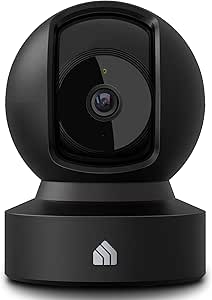 | Best Indoor Camera for Flexible Room Coverage | Model: EC71 | Video resolution: 1080p Full HD | Pan and tilt: 360° horizontal; 113° vertical | VIEW LATEST PRICE | See Our Full Breakdown |
| Ring Alarm Contact Sensor, 6-Pack (2nd Gen) |  | Best for Expanding a Ring Alarm System | Pack size: 6 sensors | Connectivity: Z-Wave | Base station: Ring Alarm Base Station required | VIEW LATEST PRICE | See Our Full Breakdown |
| XUK Wireless Home Alarm System with 4.3-Inch Touchscreen |  | Best for Multiple Ways to Control an Alarm | Model: XK-A107F | Screen: 4.3-inch touchscreen | Connectivity: 2.4 GHz Wi-Fi | VIEW LATEST PRICE | See Our Full Breakdown |
| Amazon Echo Hub Smart Home Control Panel |  | Best Premium Smart-Home Security Controller | Display: 8 inches | Connectivity: Wi-Fi, Bluetooth, Zigbee, Matter, Sidewalk, and Thread | Smart home hub: Built in | VIEW LATEST PRICE | See Our Full Breakdown |
| Tapo Tapo T31 Smart Door and Window Sensor Starter Kit with Hub, 3 Sensors |  | Best Multi-Platform Sensor Starter Kit | Included: 3 Tapo T110 contact sensors and 1 Tapo H100 hub | Wireless protocol: Sub-G | Wi-Fi requirement: 2.4 GHz | VIEW LATEST PRICE | See Our Full Breakdown |
| eufy Security 5-Piece Home Alarm Kit |  | Best for Simple, Fee-Free Entry Monitoring | Included components: HomeBase, keypad, motion sensor, 2 entry sensors | Installation: Self-installation with included mounts | Notifications: Alerts through the eufy Security app | VIEW LATEST PRICE | See Our Full Breakdown |
| 22-Piece Wireless Home Security System with 2K Camera, Wi-Fi and 4G |  | Best for Broad DIY Coverage and Backup Connectivity | Included components: 22-piece system | Camera resolution: 2K | Connectivity: 2.4 GHz Wi-Fi and 4G SIM | VIEW LATEST PRICE | See Our Full Breakdown |
| Ring Alarm 5-Piece Wireless Security System |  | Best for Optional Professional Monitoring | Included components: Base station, keypad, contact sensor, motion detector, range extender | Connectivity: Wireless | App control: Ring app | VIEW LATEST PRICE | See Our Full Breakdown |
| Wyze Bulb Cam 2K HD Smart Light Bulb Security Camera |  | Best for Security at an Existing Light Socket | Socket: E26 | Power: 120V, 60Hz | Camera resolution: 2K HD | VIEW LATEST PRICE | See Our Full Breakdown |
| X-Sense AS05 Wireless Home Security System, 5-Piece Set |  | Best for Expandable Entry-Sensor Coverage | Model: AS05 | Components: 1 base station, 2 door sensors, 1 motion sensor, 1 keypad | Connectivity: Wireless; 2.4 GHz Wi-Fi only | VIEW LATEST PRICE | See Our Full Breakdown |
| Ring Alarm 8-Piece Home and Business Security System |  | Best for Small Homes | Kit size: 8 pieces | Included components: Base station, keypad, 4 contact sensors, motion detector, range extender | Recommended home size: 1–2 bedrooms | VIEW LATEST PRICE | See Our Full Breakdown |
| Ring Alarm 14-Piece Wireless Security System |  | Best for Larger Homes | Kit size: 14 pieces | Included components: Base station, 2 keypads, 8 contact sensors, 2 motion detectors, range extender | Recommended home size: 2–4 bedrooms | VIEW LATEST PRICE | See Our Full Breakdown |
| Tolviviov 8-Piece WiFi Wireless Home Alarm System |  | Best Subscription-Free Pick | Included components: Alarm siren station, 5 door and window sensors, 2 remote controls | Wi-Fi compatibility: 2.4 GHz only; does not support 5 GHz | Maximum expandability: 20 sensors and 5 remotes or keypads | VIEW LATEST PRICE | See Our Full Breakdown |
| 21-Piece Wi-Fi Home Alarm System with Alexa Compatibility |  | Best for Feature-Rich DIY Control | System size: 21 pieces | Connectivity: 2.4 GHz Wi-Fi | Compatible apps and assistant: Smart Life, Tuya, Amazon Alexa | VIEW LATEST PRICE | See Our Full Breakdown |
| smart home security device | Connectivity |
|---|---|
| Kasa EC71 1080p Indoor Pan/Til | 2.4 GHz Wi-Fi |
| Ring Alarm Contact Sensor | Z-Wave |
| XUK Wireless Home Alarm System | 2.4 GHz Wi-Fi |
| Amazon Echo Hub Smart Home Con | Wi-Fi, Bluetooth, Zigbee, Matter, Sidewalk, and Thread |
| Tapo Tapo T31 Smart Door and W | — |
| eufy Security 5-Piece Home Ala | — |
| 22-Piece Wireless Home Securit | 2.4 GHz Wi-Fi and 4G SIM |
| Ring Alarm 5-Piece Wireless Se | Wireless |
| Wyze Bulb Cam 2K HD Smart Ligh | — |
| X-Sense AS05 Wireless Home Sec | Wireless; 2.4 GHz Wi-Fi only |
| Ring Alarm 8-Piece Home and Bu | Wi-Fi |
| Ring Alarm 14-Piece Wireless S | Wireless |
| Tolviviov 8-Piece WiFi Wireles | — |
| 21-Piece Wi-Fi Home Alarm Syst | 2.4 GHz Wi-Fi |
More Details on Our Top Picks
Kasa EC71 1080p Indoor Pan/Tilt Security Camera
The Kasa EC71 is the clearest camera pick in this group: its 360° pan and 113° tilt let one wired unit scan a room, while motion tracking can follow activity instead of leaving a fixed view. That makes it more useful for checking a shared living area than the Ring Alarm Contact Sensor, which reports door or window openings but does not provide video. It also offers person and baby-crying alerts, two-way audio, and night vision up to 30 feet, giving households several ways to monitor indoor activity.
The tradeoff is that it is a camera, not a whole-home alarm system: it needs power and 2.4 GHz Wi-Fi, and local recording requires a separate microSD card. Optional cloud history requires a subscription, unlike the no-monthly-fee positioning of the XUK Wireless Home Alarm System. I’d choose the EC71 for visual room monitoring, not as a substitute for sensors on every entry point.
Pros:- 360° horizontal pan and 113° vertical tilt provide broad room coverage.
- Motion tracking and person alerts help focus attention on activity.
- Night vision reaches up to 30 feet, with two-way audio for remote communication.
- Supports microSD recording up to 256 GB as well as optional cloud storage.
Cons:- Requires continuous wired power and a 2.4 GHz Wi-Fi network.
- The microSD card is not included.
- Cloud video history requires an optional subscription.
Best for: Households that want a flexible indoor camera to monitor a shared room, pets, or a nursery and prefer local recording as an option.
Not ideal for: People seeking a complete entry-point alarm system, or households without a nearby power outlet and 2.4 GHz Wi-Fi.
- Model:EC71
- Video resolution:1080p Full HD
- Pan and tilt:360° horizontal; 113° vertical
- Night vision:Up to 30 ft
- Connectivity:2.4 GHz Wi-Fi
- Detection:Motion, person, and baby crying
- Local storage:microSD card up to 256 GB; card not included
- Smart home compatibility:Amazon Alexa and Google Home
Our verdict“Choose the EC71 if you want an indoor camera that can scan a room and record locally, but pair it with entry sensors if you need broader alarm coverage.”
Ring Alarm Contact Sensor, 6-Pack (2nd Gen)
This six-pack suits Ring Alarm owners who want to cover more doors and windows without adding cameras or replacing their existing system. The slim, tool-free sensors are designed for indoor mounting, and opening a protected entry point can trigger a mobile alert. Their estimated three-year battery life also means less frequent upkeep than the Tapo T110 sensors, which are rated for up to two years.
These sensors are not a standalone security solution: they require a Ring Alarm Base Station, and Ring Protect is sold separately. That makes them less flexible than the Tapo T31 Starter Kit, which includes its own hub and supports several smart-home platforms. There is also a practical pack limitation: only two CR2032 batteries are included for six sensors. I’d pick this set when extending an established Ring setup, not when starting from scratch or seeking a camera-based view of activity.
Pros:- Six sensors let Ring Alarm owners cover multiple doors and windows.
- Slim design and tool-free mounting simplify placement.
- Estimated battery life is approximately three years.
- Mobile alerts report when a monitored door or window opens.
Cons:- Requires a Ring Alarm Base Station to operate.
- Ring Protect subscription is sold separately.
- Only two CR2032 batteries are included for the six sensors.
Best for: Ring Alarm households that need to add contact sensors to several doors or windows and already have a compatible base station.
Not ideal for: First-time buyers without a Ring Alarm Base Station, or shoppers who want a self-contained kit with all sensor batteries included.
- Pack size:6 sensors
- Connectivity:Z-Wave
- Base station:Ring Alarm Base Station required
- Battery:CR2032; approximately 3-year estimated life
- Included batteries:2
- Maximum sensor gap:1 inch
- Range to base station:250 ft in open air, line of sight
- Installation:Indoor, tool-free mounting
Our verdict“Buy this six-pack to expand an existing Ring Alarm installation; choose the Tapo T31 instead if you need a hub included or broader platform compatibility.”
XUK Wireless Home Alarm System with 4.3-Inch Touchscreen
The XUK system stands apart from the lineup by making the alarm panel itself a 4.3-inch touchscreen and offering several control routes: app, remote, RFID card, and voice. That mix can work well for a household where not everyone wants to manage security from a phone. It also has a battery backup for power outages and a stated 90 dB alarm, while its no-monthly-subscription positioning contrasts with the optional cloud plan for the Kasa EC71.
The available product details are less specific about included sensors and system expansion than those for the Ring Alarm Contact Sensor 6-Pack, so I would verify what comes in the box before treating this as a complete home setup. It uses 2.4 GHz Wi-Fi, and SMS or voice-call alerts require a SIM card. That extra setup makes it less straightforward than the hub-and-sensor Tapo T31 kit, but its local control options may suit buyers who value a physical panel.
Pros:- Offers touchscreen, app, remote, RFID card, and voice control.
- Battery backup can keep the system running during power outages.
- Includes audible alarm and mobile notification options.
- Product information states there are no monthly subscription fees.
Cons:- SMS notifications and voice intercom require a SIM card.
- Requires a 2.4 GHz Wi-Fi network.
- The provided specifications do not clearly detail included sensor quantities.
Best for: Households that want a physical touchscreen panel plus app, remote, and RFID control, with battery backup and no monthly subscription fees.
Not ideal for: Buyers who need clearly specified sensor coverage out of the box, or who want SMS and voice-call alerts without arranging a SIM card.
- Model:XK-A107F
- Screen:4.3-inch touchscreen
- Connectivity:2.4 GHz Wi-Fi
- Control methods:Touchscreen, mobile app, remote, RFID card, and voice
- Alarm volume:90 dB
- Maximum range:393 ft
- Alert types:Audible alarm and mobile phone notification
- Power:Wireless; battery backup
Our verdict“Consider the XUK if a touchscreen and several control methods matter more than a clearly documented, ready-to-expand sensor package.”
Amazon Echo Hub Smart Home Control Panel
The Echo Hub is the roundup’s control center, rather than a sensor or camera: its 8-inch customizable dashboard can bring compatible cameras, routines, and security systems together in one wall-mounted interface. Its built-in support for Zigbee, Matter, and Thread, alongside Wi-Fi and Bluetooth, gives it a broader smart-home role than the focused Kasa EC71 camera or Ring Alarm Contact Sensor. That breadth is useful when security is one part of a larger connected home and a shared panel is easier than managing everything on separate phones.
The Echo Hub does not provide its own door sensors or camera coverage, so it is not a stand-alone security kit like the Tapo T31. Wall mounting is supported, but a tabletop stand and power-over-Ethernet adapter are sold separately. Some Ring features also depend on a compatible subscription. I’d choose it to coordinate compatible gear already in place, not as the first security device for a home that still needs sensors and monitoring hardware.
Pros:- Customizable 8-inch dashboard can organize compatible devices and routines.
- Built-in hub supports Wi-Fi, Bluetooth, Zigbee, Matter, Sidewalk, and Thread.
- Can control compatible cameras, media, routines, and security systems.
- Includes a microphone-off button.
Cons:- Does not include door sensors or a security camera.
- Tabletop stand and power-over-Ethernet adapter are sold separately.
- Some Ring features require a compatible subscription.
Best for: Smart-home owners with compatible security devices who want a central, wall-mounted dashboard for cameras, routines, and controls.
Not ideal for: Shoppers looking for an all-in-one alarm kit with included sensors, or anyone who needs a tabletop stand or power-over-Ethernet adapter in the box.
- Display:8 inches
- Connectivity:Wi-Fi, Bluetooth, Zigbee, Matter, Sidewalk, and Thread
- Smart home hub:Built in
- Mounting:Wall mount; tabletop stand sold separately
- Dashboard:Customizable with resizable sections
- Microphone control:Microphone-off button
- Recycled materials:27%
Our verdict“Choose the Echo Hub to coordinate compatible security and smart-home devices from one panel, not to supply the devices themselves.”
Tapo Tapo T31 Smart Door and Window Sensor Starter Kit with Hub, 3 Sensors
The Tapo T31 is a practical starting point for monitoring entry points because the box includes three contact sensors and a hub, rather than asking buyers to source a compatible base station separately. The hub’s built-in chime and customizable 90 dB alarm add an audible response, while app alerts and activity history help track openings. Its Matter support and compatibility with Alexa, Google Home, Apple HomeKit, and SmartThings give it a wider stated platform spread than the Ring sensors, which require a Ring Alarm Base Station.
The kit can also support automations, and its hub can connect up to 64 compatible sensors, switches, and buttons. That makes it more expandable than a simple sensor-only pack, though it still needs the included hub and a 2.4 GHz Wi-Fi network. Battery life is rated up to two years, shorter than the Ring contact sensors’ approximate three-year estimate. I’d favor the Tapo kit for a cross-platform household starting with several doors or windows, rather than someone already invested in Ring Alarm.
Pros:- Includes three contact sensors and a hub with a built-in chime.
- Matter support and compatibility with Alexa, Google Home, Apple HomeKit, and SmartThings.
- Offers alerts, activity history, customizable alarms, and app automations.
- Hub supports up to 64 sensors, switches, and buttons.
Cons:- Sensors require the included Tapo hub to operate.
- Requires a 2.4 GHz Wi-Fi network.
- Sensor battery life is rated up to two years, shorter than the Ring sensors’ approximate three-year estimate.
Best for: Households starting entry-point monitoring who want a hub and three sensors in one kit, especially those using Matter-compatible smart-home platforms.
Not ideal for: Ring Alarm owners who want sensors to join their existing base station, or households without 2.4 GHz Wi-Fi.
- Included:3 Tapo T110 contact sensors and 1 Tapo H100 hub
- Wireless protocol:Sub-G
- Wi-Fi requirement:2.4 GHz
- Maximum connected devices:64 sensors, switches, and buttons
- Alarm volume:90 dB
- Battery:CR2032, up to 2 years
- Mounting:Magnetic or adhesive
- Smart home compatibility:Matter, Alexa, Google Home, Apple HomeKit, and Samsung SmartThings
Our verdict“Pick the Tapo T31 for a hub-included, multi-platform entry sensor kit; choose Ring’s six-pack if you already have Ring Alarm and need more sensors for that system.”
eufy Security 5-Piece Home Alarm Kit
The eufy Security 5-Piece Home Alarm Kit is a straightforward choice for buyers who want to cover a few entry points without taking on a subscription. Its HomeBase, keypad, motion sensor, and two entry sensors provide a useful starting layer: place the sensors on doors or windows, then receive app alerts when a breach or motion is detected. Compared with the Ring Alarm 5-Piece Wireless Security System, this kit keeps the stated feature set focused on self-monitoring and has no monthly fees, while Ring offers optional professional monitoring and Alexa control through a compatible plan. The tradeoff is a more limited included setup: there’s no camera, and only two entry sensors come in the box. I’d choose eufy for uncomplicated alerts and skip it if you want video verification or a larger starter kit.
Pros:- Includes a HomeBase, keypad, motion sensor, and two entry sensors
- No monthly fees are required
- Sends motion and entry alerts through the eufy Security app
- Self-installation uses included mounts
Cons:- No camera is included for checking what triggered an alert
- Two entry sensors may leave larger homes with uncovered doors or windows
Best for: Households that want a small, self-installed alarm setup with app alerts and no recurring monitoring fee
Not ideal for: Buyers who want cameras, professional monitoring, or enough included sensors to cover many doors and windows
- Included components:HomeBase, keypad, motion sensor, 2 entry sensors
- Installation:Self-installation with included mounts
- Notifications:Alerts through the eufy Security app
- Monthly fees:None
- Entry coverage:Two door or window entry sensors
- Motion detection:Included motion sensor
Our verdict“Choose this kit for basic, fee-free app alerts around a few entry points; choose Ring if optional professional monitoring matters more.”
22-Piece Wireless Home Security System with 2K Camera, Wi-Fi and 4G
This 22-piece system suits buyers who want a lot of alarm hardware in one DIY package, plus a camera and more than one way to send alerts. Its 2K camera, motion detectors, door and window sensors, control panel, and SOS remote give it broader coverage than the compact eufy Security 5-Piece Home Alarm Kit. The choice of 2.4 GHz Wi-Fi or a 4G SIM can also keep alert delivery from relying on Wi-Fi alone, while app, phone, and SMS notifications offer several routes to reach you. That breadth comes with setup and storage caveats: local camera recording requires a separately purchased microSD card, and Wi-Fi is limited to 2.4 GHz. I’d shortlist it for a larger DIY installation, but choose a smaller kit if you want fewer components to configure.
Pros:- 22-piece package includes a 2K camera, sensors, control panel, and SOS remote
- Supports app, phone, and SMS alerts through Wi-Fi or a 4G SIM
- No monthly fees are required after activation
- Expandable with additional PGST sensors
Cons:- MicroSD card for local camera storage is sold separately
- Wi-Fi connection supports 2.4 GHz only
- A large component set may take more planning to install and manage
Best for: DIY-minded households seeking a large sensor package, camera, SOS remote, and Wi-Fi or 4G alert options
Not ideal for: Buyers who prefer a minimal setup, have only 5 GHz Wi-Fi, or want camera storage included in the box
- Included components:22-piece system
- Camera resolution:2K
- Connectivity:2.4 GHz Wi-Fi and 4G SIM
- App compatibility:Smart Life and Tuya
- Voice assistant support:Yes
- Alarm volume:120 dB
- Maximum range:1000 feet
- Camera storage:MicroSD card sold separately; supports up to 256 GB
- Display:Color screen; supports 10 languages
Our verdict“Pick this system for extensive DIY coverage and multiple alert paths, provided you’re comfortable setting up a larger kit and supplying a microSD card.”
Ring Alarm 5-Piece Wireless Security System
Ring’s five-piece kit is a good fit for buyers who want a familiar alarm foundation and the option to add services later. The base station, keypad, contact sensor, motion detector, and range extender cover the essentials for a small setup, while the Ring app handles notifications and device monitoring. Its main distinction from the eufy Security 5-Piece Home Alarm Kit is the path to optional professional monitoring, backup connectivity, remote arming, and Alexa voice control through a compatible Ring Protect plan. That flexibility is useful if your needs may grow, but it means some features depend on a subscription. The included sensor count is also modest, and extra sensors and accessories are sold separately. I’d favor Ring when service options and Alexa matter; for fee-free self-monitoring, eufy is the clearer fit.
Pros:- Includes five core components: base station, keypad, contact sensor, motion detector, and range extender
- Ring app provides mobile notifications and device monitoring
- Can expand with additional sensors and accessories
- Optional professional monitoring is available with a compatible plan
Cons:- Professional monitoring and some features require a Ring Protect plan
- Additional sensors and accessories are sold separately
- The included kit has only one contact sensor
Best for: Ring app users who want a small starter alarm system with the option to add professional monitoring and Alexa features
Not ideal for: Buyers who want all monitoring features without a subscription or need numerous sensors included from the start
- Included components:Base station, keypad, contact sensor, motion detector, range extender
- Connectivity:Wireless
- App control:Ring app
- Compatibility:Alexa
- Expandability:Additional sensors and accessories sold separately
- Professional monitoring:Available with a compatible Ring Protect plan
Our verdict“Choose Ring if you value an upgrade path to professional monitoring and Alexa control, and accept that some features require a plan.”
Wyze Bulb Cam 2K HD Smart Light Bulb Security Camera
The Wyze Bulb Cam is a camera-first security option for anyone who can place an outdoor camera where a standard E26 socket is already available. Combining an 800-lumen dimmable bulb with 2K video saves a separate fixture for buyers who want both illumination and monitoring in one spot. Its 160° field of view, color night vision, two-way audio, and optional continuous microSD recording offer more visual coverage than the alarm-focused X-Sense AS05, which instead supplies door sensors, a motion sensor, and a keypad. The key limitation is that its pan and tilt must be adjusted by hand, so it can’t remotely track changing activity. It also needs 2.4 GHz Wi-Fi, and local storage requires a separately purchased card. I’d pick it to watch one socket-equipped area, not as a full-home alarm replacement.
Pros:- Combines a dimmable 800-lumen bulb with a 2K security camera
- 160° field of view and color night vision cover a broad area
- Supports continuous local recording to a microSD card without a subscription
- Includes two-way audio, motion and sound alerts, and a built-in siren
Cons:- Pan and tilt adjustments are manual rather than remotely controlled
- Requires 2.4 GHz Wi-Fi and is not compatible with dimmer switches
- MicroSD card for local recording is sold separately
Best for: Homeowners who want a light and camera in one outdoor E26 socket, with local recording available through a microSD card
Not ideal for: Buyers needing remotely controlled pan and tilt, a complete alarm system, 5 GHz Wi-Fi support, or use with a dimmer switch
- Socket:E26
- Power:120V, 60Hz
- Camera resolution:2K HD
- Field of view:160°
- Manual adjustment:360° pan, 90° tilt
- Wi-Fi:2.4 GHz; not compatible with 5 GHz
- Local recording:Continuous recording to microSD card up to 256 GB; card sold separately
- Bulb brightness:800 lumens
- Compatibility:Alexa, Google Assistant, IFTTT, and Wyze Rules
Our verdict“Choose the Wyze Bulb Cam to monitor and light one suitable socket location, but pair it with an alarm system if you need whole-home entry detection.”
X-Sense AS05 Wireless Home Security System, 5-Piece Set
The X-Sense AS05 makes the most sense for buyers starting with a few doors and wanting room to add sensors over time. It includes two door sensors, a motion sensor, keypad, and base station, with control through the app, keypad, or Alexa voice commands. Its stated capacity to expand with up to 44 additional devices gives it a clearer growth path than the eufy Security 5-Piece Home Alarm Kit, whose listed starter package focuses on two entry sensors and a motion sensor without a comparable expansion figure. Installation can use adhesive or screws, so renters can avoid drilling if the surface suits the adhesive. There’s no camera in the kit, however, and the system is limited to 2.4 GHz Wi-Fi; battery-powered components also mean eventual battery changes. I’d choose it for expandable sensor coverage, not visual verification.
Pros:- Includes two door sensors, a motion sensor, keypad, and base station
- Can expand with up to 44 additional devices
- Offers app, keypad, and Alexa voice control
- Wireless components can be installed with adhesive or screws
Cons:- No camera is included for visual checks after an alert
- Wi-Fi support is limited to 2.4 GHz
- Wireless components require batteries
Best for: Households that want two included door sensors and a system they can grow with additional devices over time
Not ideal for: Buyers who need video monitoring, use only 5 GHz Wi-Fi, or prefer powered sensors over battery-operated components
- Model:AS05
- Components:1 base station, 2 door sensors, 1 motion sensor, 1 keypad
- Connectivity:Wireless; 2.4 GHz Wi-Fi only
- Compatible devices:Smartphone, Alexa
- Control method:Mobile app, keypad, voice commands
- Power source:Battery powered
- Installation:Adhesive or screws
- Battery lifespan:Up to 5 years
- Expandable capacity:Up to 6 keypads and 44 additional devices
Our verdict“Choose the AS05 if you want app- and Alexa-controlled alarm coverage that can grow beyond its starter set, but look elsewhere for camera monitoring.”
Ring Alarm 8-Piece Home and Business Security System
I’d choose this 8-piece Ring kit for a one- or two-bedroom home where a compact set of entry and motion sensors is enough. Four contact sensors cover several doors or windows, while the motion detector adds a layer inside; the keypad and range extender round out a system that can be monitored in the Ring app. Compared with the larger Ring Alarm 14-Piece Wireless Security System, this package asks for less space and fewer initial sensors, but it is less ready for a multi-room layout. Ring’s ecosystem can grow with separately sold accessories, and optional professional monitoring adds a service route beyond app alerts. The tradeoff is that remote arming, backup connectivity, monitoring, and some voice features require a compatible Ring Protect Plan, so the included kit alone is not the full feature set.
Pros:- Four contact sensors and one motion detector cover both entry points and interior movement.
- Ring app provides mobile alerts and device monitoring.
- Expandable with separately sold compatible sensors and accessories.
- Optional professional monitoring and Alexa voice control are available with a compatible plan.
Cons:- Several remote, backup, and monitoring features require a Ring Protect subscription.
- Additional sensors and accessories are sold separately, limiting out-of-box coverage.
Best for: Residents of one- or two-bedroom homes who want a keypad-based alarm system, app alerts, and the option to add sensors later.
Not ideal for: Households covering several floors or many entry points, or buyers who want remote arming and professional monitoring without a subscription.
- Kit size:8 pieces
- Included components:Base station, keypad, 4 contact sensors, motion detector, range extender
- Recommended home size:1–2 bedrooms
- Connectivity:Wi-Fi
- Mobile app:Ring app
- Professional monitoring:Available with a compatible Ring Protect Plan
Our verdict“Choose this Ring kit for a smaller home that needs straightforward sensor coverage and can benefit from optional subscription features.”
Ring Alarm 14-Piece Wireless Security System
For a two- to four-bedroom home, I’d put this 14-piece Ring system ahead of the smaller Ring kit because it includes eight contact sensors, two motion detectors, and two keypads. That larger starting set can cover more entry points and gives residents more than one place to arm or disarm the alarm. It also suits households that want Ring app alerts and may add compatible accessories over time. Compared with the Tolviviov 8-Piece WiFi Wireless Home Alarm System, this kit has more included sensors and an additional keypad, while Tolviviov avoids a subscription for its stated features. The Ring tradeoff is that remote arming, backup connectivity, professional monitoring, and Alexa voice arming require a compatible Ring Protect Plan; buyers should also expect to purchase any extra sensors separately.
Pros:- Eight contact sensors and two motion detectors provide broad included coverage.
- Two keypads make arming and disarming more convenient across a larger home.
- Ring app delivers mobile notifications and device monitoring.
- Compatible sensors and accessories can be added as needs change.
Cons:- Remote arming, backup connectivity, professional monitoring, and Alexa voice control require a compatible plan.
- Additional sensors and accessories are sold separately.
Best for: Families in two- to four-bedroom homes who need broad door, window, and motion coverage with keypads in more than one location.
Not ideal for: Small-home buyers who need only a few sensors, or anyone unwilling to pay for a plan to access remote arming, backup connectivity, or professional monitoring.
- Kit size:14 pieces
- Included components:Base station, 2 keypads, 8 contact sensors, 2 motion detectors, range extender
- Recommended home size:2–4 bedrooms
- Connectivity:Wireless
- App control:Ring app
- Alexa compatibility:Voice arming and disarming require a compatible Ring Protect Plan
- Professional monitoring:Available with a compatible Ring Protect Plan
Our verdict“Pick this package over the smaller Ring kit when a larger home needs more included sensors and two convenient keypad locations.”
Tolviviov 8-Piece WiFi Wireless Home Alarm System
The Tolviviov 8-piece alarm is the clearest fit here for buyers who want a DIY alarm with smartphone alerts but no monthly subscription. Its five door and window sensors focus coverage on entry points, and two remote controls give household members a simple alternative to app operation. It supports Alexa and Google Assistant and can expand to 20 sensors, so the basic kit need not be the final configuration. Unlike either Ring system in this lineup, the stated features do not depend on a Ring Protect plan. That simpler ongoing-cost setup comes with limits: the alarm station needs AC power, and its backup battery is rated for only eight hours. It also connects on 2.4 GHz Wi-Fi only, unlike a system that can connect to other supported bands. I’d skip it if extended backup or built-in professional monitoring is a priority.
Pros:- No subscription is required for the stated system features.
- Includes five door and window sensors plus two remote controls.
- Works with Alexa and Google Assistant.
- Can expand to 20 sensors and five remotes or keypads.
Cons:- Supports 2.4 GHz Wi-Fi only.
- Alarm station must remain connected to its AC adapter.
- Eight-hour backup is intended for emergencies rather than extended outages.
Best for: DIY-minded homeowners who want app alerts, voice assistant support, and expandable entry sensors without a subscription.
Not ideal for: Buyers who need long-duration backup during outages, 5 GHz Wi-Fi support, or optional professional monitoring.
- Included components:Alarm siren station, 5 door and window sensors, 2 remote controls
- Wi-Fi compatibility:2.4 GHz only; does not support 5 GHz
- Maximum expandability:20 sensors and 5 remotes or keypads
- Backup battery:Up to 8 hours
- Voice assistants:Alexa and Google Assistant
- Control methods:App, remote, voice
- Subscription:None
- Maximum range:100 meters
Our verdict“Choose Tolviviov over the Ring kits if avoiding a recurring plan matters more than professional monitoring or longer backup.”
21-Piece Wi-Fi Home Alarm System with Alexa Compatibility
This 21-piece DIY system stands out for buyers who want multiple ways to manage an alarm: Smart Life or Tuya apps, Alexa, a remote, push buttons, and a color screen. Its listed 120 dB siren and app push alerts provide both an audible warning at home and a phone notification, while battery backup is specified for up to 48 hours. Compared with the Tolviviov 8-Piece WiFi Wireless Home Alarm System, it offers a larger kit and a longer stated backup period; Tolviviov, however, makes its sensor capacity and 2.4 GHz limitation especially clear. This system also avoids monthly fees, but relies on 2.4 GHz Wi-Fi and requires screw-in installation for the siren and mounted sensors. Its 1080p video-capture specification is listed, though the supplied details do not explain camera placement or how video works in the system.
Pros:- No monthly fee or SIM card is required.
- Control is available through an app, Alexa, remote, push buttons, and a color screen.
- Rechargeable backup battery is specified for up to 48 hours.
- 120 dB siren and app alerts provide local and phone-based warnings.
Cons:- Requires 2.4 GHz Wi-Fi.
- Siren and sensors require screw-in or mounted installation.
- The supplied product details do not clarify how the 1080p video capture is implemented.
Best for: DIY households seeking a larger alarm kit with app, voice, and on-device controls, plus backup power without monthly fees.
Not ideal for: Renters who cannot screw in the siren or mount sensors, and buyers whose Wi-Fi network does not support 2.4 GHz.
- System size:21 pieces
- Connectivity:2.4 GHz Wi-Fi
- Compatible apps and assistant:Smart Life, Tuya, Amazon Alexa
- Power and backup:AC adapter with rechargeable battery backup; up to 48 hours
- Alarm volume:120 dB
- Maximum range:330 feet
- Sensor technology:Magnetic contact, passive infrared (PIR), RFID
- Video capture resolution:1080p
- Installation:DIY; screw-in siren and mounted sensors
Our verdict“Choose this system over Tolviviov if you want a larger, multi-control DIY setup and longer stated backup, and can accommodate mounted installation.”

How We Picked
I ranked these devices by how well they address common security needs: detecting entry, monitoring rooms, expanding coverage, and bringing connected devices under one control point. I weighed the role and completeness of each kit, the practical value of its included components, and how clearly a buyer can match it to a home without paying for unnecessary coverage. Standalone cameras and sensor packs can be strong choices for targeted jobs, but they rank below a coordinated alarm kit when the goal is broader home protection.
I also considered setup demands, system dependencies, connectivity options, and the tradeoff between a compact starter bundle and a larger collection of sensors. The Ring Alarm 8-Piece System leads as a balanced alarm package; the Kasa EC71 and Tapo T31 stand out for narrower, clearly defined tasks. Larger or less clearly differentiated kits rank lower when a high component count alone does not establish a better fit. Buyers should verify app, hub, network, subscription, and voice-assistant requirements before choosing, since these can change how useful a device is at home.
Factors to Consider When Choosing Best Smart Home Security Devices
Before choosing a device, decide what you want it to detect and what you expect to happen next. An alerting sensor, a camera that lets you check a room, and a coordinated alarm system address different gaps. These checks can help you avoid buying overlapping devices or a large kit that does not match your floor plan.
Start With the Security Gap, Not the Kit Size
Map the entry points and rooms you actually want to monitor before comparing bundle counts. A renter who wants a view of one room may get more from a camera than from a box of door sensors. A house with several ground-floor entrances may benefit from a coordinated alarm kit with enough contact sensors for those doors and windows. Common mistake: treating every included component as useful coverage, even when a sensor would sit unused. Leave room in the plan for likely expansions, but avoid buying a large bundle simply because it contains more pieces.
Choose Between Visual Monitoring and Entry Alerts
Cameras show what is happening in a monitored area, while contact sensors report that a door or window has opened. Neither function fully replaces the other, so choose based on the unanswered question in your home: do you need to see a room, or know when an entry point opens? Camera placement also brings privacy and power considerations, especially in shared rooms. A bulb-style camera may fit a light socket but still depends on the view and placement that socket provides. If you want both visual checks and entry alerts, confirm that the devices can be managed together rather than assuming products from different brands will form one system.
Check Hubs, Networks, and App Dependencies
Some sensors need a hub or a compatible alarm system, while cameras and smart displays may connect through different apps and networks. Check what must be purchased separately and whether your home network meets the device’s requirements. A hub can simplify coordination, but it also adds a component that needs placement, power, and app setup. Do not assume that Alexa compatibility means every feature works through voice control or that devices from one manufacturer pair with another. Confirm the exact integrations and any service plan requirements before building around a platform.
Match the System to Your Routine and Household
A security setup is useful only if everyone at home can operate it consistently. Consider who will arm or disarm the system, how household members will receive alerts, and whether a central panel or phone-based controls suit them better. A touchscreen hub can be easier for shared access, while app-first devices may suit a household already comfortable managing smart home equipment by phone. Think through guests, pets, and regular movement through monitored areas, since these can affect how alerts are used. Keep the daily routine simple enough that security features do not become a source of nuisance alerts or confusion.
Plan for Expansion Without Overbuying
Many buyers start with the front door and add coverage later, but expansion works best when the original system supports the sensors and devices they may want. Check compatible product families and any limits on adding components before choosing a starter kit. A smaller bundle can be a sensible first step if it covers the main entry points and leaves a clear path to add more. Conversely, if several areas need coverage from day one, a larger kit may reduce the need to source components separately. Compare the included pieces against a room-by-room plan rather than relying on the headline count.
Separate Device Features From Monitoring Services
A device can send app alerts without providing professional monitoring or emergency response, so check what level of support is included and what requires an additional service. Decide whether you want self-monitoring, a staffed service, or simply a local alert before choosing a system. Read the service terms for cancellation, connectivity, and what happens during an internet or power interruption. Do not infer service availability from a product name or from the presence of a siren. This distinction matters because two kits with similar sensors can offer very different ongoing experiences.
Frequently Asked Questions
Should I buy a camera or a full alarm kit first?
Choose a camera first if your main need is to check a particular room or view activity in a specific area. Choose an alarm kit when you need alerts from several doors or windows and want components managed as one system. A camera can show what happened within its field of view, but it may not tell you that an unseen entry point opened. An alarm kit can report entry without providing visual context. If both gaps matter, start with the most exposed entry points and add a camera where visibility would change how you respond.
Are the 21- and 22-piece alarm kits a better choice than smaller bundles?
Not by count alone. A large kit only helps if its sensors and accessories match the number and layout of the doors, windows, and rooms you want to cover. Extra components can add setup and maintenance without improving protection if they remain unused. Check the included device types, system requirements, and expansion limits before comparing bundles. For a smaller home or a first setup, a more focused kit may be easier to install and manage.
Can I use contact sensors without buying a complete alarm system?
Some contact sensors are sold as parts of a wider system and need its hub or compatible controller to send useful alerts. Check each sensor’s required hub, app, and supported platform before buying it on its own. A standalone sensor pack can be a good expansion for an existing compatible setup, but it may not work as a complete security solution by itself. Confirm whether the starter bundle includes the hub and enough sensors for your intended doors or windows. If you do not already own compatible equipment, a kit that includes the controller can reduce guesswork.
What should I check before mixing devices from different brands?
Look up the exact supported integrations for each device rather than relying on broad claims of smart home compatibility. A shared voice assistant does not always mean devices can trigger one another or appear in the same security routines. Also check whether each product uses its own app, hub, or service plan, since multiple control points can make everyday use less convenient. Verify network requirements and which features remain available without an internet connection. If coordinated alerts and routines matter, a single compatible ecosystem is usually simpler to manage.
Do I need professional monitoring for these devices to be useful?
No: a self-monitored setup can still provide useful camera feeds and door or window alerts through an app. Professional monitoring may suit households that want an outside service to respond to alarm events, but coverage, fees, and terms vary by system. Confirm which functions work without a subscription and what happens if internet or power is unavailable. A device’s siren or alert feature should not be treated as proof that emergency services will be contacted. Decide what response you expect from an alert before paying for a service or selecting a kit.
Conclusion
For most buyers seeking coordinated entry-point coverage, I recommend the Ring Alarm 8-Piece System as the best overall balance in this lineup. The Tapo T31 Starter Kit is my best value-style pick for targeted door and window monitoring, while the Ring Alarm 14-Piece System is the best premium choice for homes that can use its larger set of components. Beginners who want to monitor one room can start with the Kasa EC71; those new to alarm sensors should choose a complete kit with the hub included rather than assembling parts separately. For specific needs, pick the Wyze Bulb Cam when a light-socket camera suits the location, the Ring Contact Sensor 6-Pack to expand a compatible Ring setup, or the Echo Hub when a central smart-home control panel is the priority. Match the device to the gap you need to close, then confirm its platform and service requirements before buying.
Evergreen bestsellers Picks
bestsellers
As an affiliate, we earn on qualifying purchases.