
For a distinctive character design paired with modern home networking, the Minions Wi-Fi 6E Router is my best overall pick in this lineup: it combines recognizable character styling with tri-band Wi-Fi 6E and a 2.5GbE WAN port. The TP-Link Archer AXE75 is a strong alternative for buyers who want Wi-Fi 6E without the Minions theme, while the TP-Link Archer BE230 suits households interested in Wi-Fi 7. The tradeoff is that most routers here are conventional designs, so the character option stands apart, while buyers also need to weigh Wi-Fi generation, coverage, and whether their devices can use newer bands. Continue reading for the full breakdown of how these 15 options compare and which type of buyer each one suits.

Get the latest gadgets delivered free with Prime
- Fast, free delivery on millions of items
- Prime Video, Amazon Music and more included
- Member-only deals all year
Complete the kit



Key Takeaways
- The Minions Wi-Fi 6E Router is the only explicitly character-branded model in this lineup, making it the clearest choice when appearance is the main reason for shopping.
- Character styling does not replace a coverage check: the Minions model lists tri-band Wi-Fi 6E and a 2.5GbE WAN port, but a large or multi-story home may still call for a mesh-capable setup.
- Wi-Fi 7 is the upgrade path, not an automatic need. The Archer BE230, BE550, BE400, and NETGEAR RS90 are worth comparing when newer devices or future upgrades matter more than a character design.
- The lineup spans very different generations. AC1200 models such as the Archer A54 and Archer A6 are simpler options, while Wi-Fi 6E and Wi-Fi 7 models add newer wireless bands and capabilities.
- Renewed models need a different buying calculation. The Archer AX3000 Pro and TP-Link AX4400 may appeal to spec-focused shoppers, but condition, included accessories, and return terms deserve extra attention.
| TP-Link AX3000 WiFi 6 Router, Archer AX55 Pro |  | Best for Multi-Gigabit Connections | Model: Archer AX55 Pro | Wi-Fi standard: Wi-Fi 6 (802.11ax) | Wireless speed: Up to 2402 Mbps (5 GHz) and 574 Mbps (2.4 GHz) | VIEW LATEST PRICE | See Our Full Breakdown |
| TP-Link Dual-Band Wi-Fi 7 Router, Archer BE230 |  | Best Wi-Fi 7 Upgrade | Wireless standard: Wi-Fi 7 (802.11be) | Frequency bands: Dual-band | Maximum data rate: 3.6 Gbps | VIEW LATEST PRICE | See Our Full Breakdown |
| TP-Link AC1200 WiFi Router Dual Band Wireless Internet Router (Archer A54) | 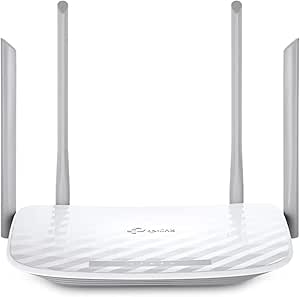 | Best for Basic Home Networks | Model: Archer A54 | Wi-Fi generation: Wi-Fi 5 | Wireless speed: Up to 1200 Mbps; listed maximum data transfer rate 1167 Mbps | VIEW LATEST PRICE | See Our Full Breakdown |
| ASUS RT-AX1800S Dual Band WiFi 6 Router |  | Best for Built-In Network Protection | Wi-Fi standard: Wi-Fi 6 (802.11ax) | Wireless speed: 1800 Mbps | Network type: Dual-band | VIEW LATEST PRICE | See Our Full Breakdown |
| TP-Link Dual-Band AX3000 Wi-Fi 6 Wireless Gigabit Internet Router for Home | 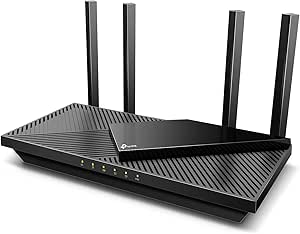 | Best Value Wi-Fi 6 Pick | Router type: Dual-band Wi-Fi 6 | Wireless speed: 2976 Mbps | Frequency bands: 2.4 GHz and 5 GHz | VIEW LATEST PRICE | See Our Full Breakdown |
| TP-Link Archer AX3000 Pro Dual-Band Wi-Fi 6 Router – Black (Renewed) |  | Best Character-Style Pick for Everyday Wi-Fi 6 | Wi-Fi generation: Wi-Fi 6 | Maximum speed: Up to 3 Gbps | Bands: Dual-band | VIEW LATEST PRICE | See Our Full Breakdown |
| Minions WiFi 6E Router, AXE5400 Tri-Band, 2.4GHz/5GHz/6GHz, 2.5GbE WAN, Mesh System, WiFi Extender, WPA3, Gigabit LAN (Kevin) |  | Best Character Design and Wi-Fi 6E | Wi-Fi generation: Wi-Fi 6E | Bands: Tri-band: 2.4GHz, 5GHz, 6GHz | Maximum wireless speed: 5.4Gbps | VIEW LATEST PRICE | See Our Full Breakdown |
| TP-Link AX4400 Mesh Dual Band 6-Stream Router (Renewed) |  | Best for High Device Counts | Wi-Fi speed: Up to 4400 Mbps | Bands: Dual-band | Streams: 6 | VIEW LATEST PRICE | See Our Full Breakdown |
| NETGEAR Nighthawk WiFi 6 Router R6700AX, Up to 1,500 sq ft, 1.8 Gbps |  | Best for Small Homes and Apartments | Wi-Fi standard: Wi-Fi 6 (802.11ax) | Maximum speed: 1.8 Gbps | Coverage: Up to 1,500 sq ft | VIEW LATEST PRICE | See Our Full Breakdown |
| TP-Link AC1200 Gigabit Dual Band WiFi Router (Archer A6) |  | Best Entry-Level Wired Setup | Wi-Fi standard: Wi-Fi 5 (802.11ac) | Combined speed: 1200 Mbps | Bands: Dual-band: 2.4GHz and 5GHz | VIEW LATEST PRICE | See Our Full Breakdown |
| TP-Link Tri-Band WiFi 7 Router (Archer BE550) |  | Best Premium Character Router | Wi-Fi generation: Wi-Fi 7 | Bands: Tri-band | Maximum listed speed: Up to 9.2 Gbps | VIEW LATEST PRICE | See Our Full Breakdown |
| TP-Link Smart WiFi 6 Dual Band Router with 4 Gigabit LAN Ports |  | Best Entry-Level Character Router | Wi-Fi standard: Wi-Fi 6 (802.11ax) | Bands: Dual-band, 2.4 GHz and 5 GHz | Maximum data rate: 1,500 Mbps | VIEW LATEST PRICE | See Our Full Breakdown |
| TP-Link BE6500 Dual-Band WiFi 7 Router (BE400) |  | Best Wi-Fi 7 Value | Wi-Fi technology: Wi-Fi 7 | Bands: Dual-band | Maximum listed speeds: Up to 5,764 Mbps on 5 GHz; 688 Mbps on 2.4 GHz | VIEW LATEST PRICE | See Our Full Breakdown |
| NETGEAR Nighthawk WiFi 7 Router RS90, Up to 2,000 sq ft, 3.6 Gbps |  | Best Simple Wi-Fi 7 Upgrade | Wi-Fi generation: Wi-Fi 7 | Bands: Dual-band | Maximum speed: Up to 3.6 Gbps | VIEW LATEST PRICE | See Our Full Breakdown |
| TP-Link AXE5400 Tri-Band WiFi 6E Router (Archer AXE75) |  | Best for a Dedicated 6 GHz Band | Wi-Fi standard: Wi-Fi 6E (802.11ax) | Bands: Tri-band, 2.4 GHz, 5 GHz, 6 GHz | Combined Wi-Fi speed: Up to 5,400 Mbps | VIEW LATEST PRICE | See Our Full Breakdown |
| character Wi-Fi router | Security | Antennas | Bands | Ports |
|---|---|---|---|---|
| TP-Link AX3000 WiFi 6 Router | WPA, WPA2, WPA3; TP-Link HomeShield | 4 high-performance antennas | — | 1 x 2.5 Gbps WAN/LAN, 1 x 2.5 Gbps LAN, 3 x 1 Gbps LAN |
| TP-Link Dual-Band Wi-Fi 7 Rout | WPA, WPA2, WPA3 | — | — | 5 ports; includes 2.5 Gbps options per product description |
| TP-Link AC1200 WiFi Router Dua | WPA3 | 4 external antennas | — | 5 Ethernet ports |
| ASUS RT-AX1800S Dual Band WiFi | AiProtection Classic and VPN | 4 external antennas | — | 1 gigabit WAN, 4 gigabit LAN |
| TP-Link Dual-Band AX3000 Wi-Fi | WPA2-Enterprise, WPA2-PSK, WPA3 | 4 | — | 5 |
| TP-Link Archer AX3000 Pro Dual | WPA3, WPA2-PSK | 4 | Dual-band | — |
| Minions WiFi 6E Router | WPA3 | — | Tri-band: 2.4GHz, 5GHz, 6GHz | — |
| TP-Link AX4400 Mesh Dual Band | HomeShield | 6 | Dual-band | — |
| NETGEAR Nighthawk WiFi 6 Route | WPA3 | — | Dual-band: 2.4GHz and 5GHz | — |
| TP-Link AC1200 Gigabit Dual Ba | WPA3 | 4 external | Dual-band: 2.4GHz and 5GHz | — |
| TP-Link Tri-Band WiFi 7 Router | WPA3, TP-Link HomeShield | 6 internal | Tri-band | 1 x 2.5G WAN, 4 x 2.5G LAN, 1 x USB |
| TP-Link Smart WiFi 6 Dual Band | WPA3, WPA2, WPA-PSK | 4 | Dual-band, 2.4 GHz and 5 GHz | — |
| TP-Link BE6500 Dual-Band WiFi | WPA3, HomeShield, VPN support | — | Dual-band | 1 x 2.5 Gbps WAN/LAN, 1 x 2.5 Gbps LAN, 3 x 1 Gbps LAN |
| NETGEAR Nighthawk WiFi 7 Route | WPA2, WPA3 | — | Dual-band | — |
| TP-Link AXE5400 Tri-Band WiFi | WPA2, WPA3, WPA2-Enterprise | 8 | Tri-band, 2.4 GHz, 5 GHz, 6 GHz | 5 total, including 1 x 2.5 Gbps WAN |
More Details on Our Top Picks
TP-Link AX3000 WiFi 6 Router, Archer AX55 Pro
The Archer AX55 Pro is my pick for households that want Wi-Fi 6 plus room to grow on wired connections. Its two 2.5 Gbps ports give it an advantage over the ASUS RT-AX1800S, which lists only gigabit ports, especially if your internet plan or local network can use multi-gigabit speeds. Dual-band Wi-Fi reaches up to 2402 Mbps on 5 GHz, while beamforming and four antennas are intended to help distribute coverage around the home.
The tradeoff is that this is not the most advanced wireless option in the group: the Archer BE230 adds Wi-Fi 7, though it lacks the 6 GHz band. You will also need a modem for most providers, and some security and management features call for app setup. I’d choose the AX55 Pro for its wired flexibility, not just its wireless headline speed.
Pros:- Two 2.5 Gbps ports support faster WAN or wired LAN connections.
- Wi-Fi 6 speeds reach up to 2402 Mbps on 5 GHz.
- Four antennas and beamforming support whole-home signal distribution.
- EasyMesh compatibility can support a broader compatible network.
Cons:- Requires a separate modem for most internet providers.
- Some HomeShield and management features require app setup.
- Does not offer Wi-Fi 7 or a 6 GHz band.
Best for: Households with a multi-gigabit internet plan, wired gaming PCs, or network storage that can benefit from 2.5 Gbps ports.
Not ideal for: Buyers seeking Wi-Fi 7 or a simple low-cost upgrade for basic browsing; the Archer BE230 offers a newer wireless standard, while simpler routers may better fit light use.
- Model:Archer AX55 Pro
- Wi-Fi standard:Wi-Fi 6 (802.11ax)
- Wireless speed:Up to 2402 Mbps (5 GHz) and 574 Mbps (2.4 GHz)
- Ports:1 x 2.5 Gbps WAN/LAN, 1 x 2.5 Gbps LAN, 3 x 1 Gbps LAN
- Antennas:4 high-performance antennas
- Security:WPA, WPA2, WPA3; TP-Link HomeShield
- Mesh compatibility:EasyMesh
- Control:App control
Our verdict“Choose the Archer AX55 Pro if multi-gigabit wired connections matter more to you than moving up to Wi-Fi 7.”
TP-Link Dual-Band Wi-Fi 7 Router, Archer BE230
The Archer BE230 is the forward-looking choice in this set, with Wi-Fi 7 and speeds up to 3.6 Gbps. Features such as Multi-Link Operation and 4K-QAM are designed to improve how compatible devices use the network, making this a better fit for a home adding newer phones, laptops, and other demanding clients than the Wi-Fi 6 Archer AX55 Pro. Its listed coverage is up to 2,000 square feet, and the router supports mesh networking.
There is a meaningful catch: this is a dual-band Wi-Fi 7 router without 6 GHz, so it does not provide the full band selection found in some Wi-Fi 6E or tri-band Wi-Fi 7 models. Its fixed antennas also limit physical adjustment, and coverage depends on the home layout. I’d pick it for Wi-Fi 7 readiness, but not for shoppers who specifically want 6 GHz.
Pros:- Wi-Fi 7 support includes Multi-Link Operation and 4K-QAM.
- Maximum stated data rate is 3.6 Gbps.
- Mesh support and listed coverage up to 2,000 square feet suit broader home networks.
- App, remote, and voice control options are listed.
Cons:- No 6 GHz band despite its Wi-Fi 7 designation.
- Fixed antennas cannot be repositioned to suit a particular room.
- Requires a separate modem for internet service.
Best for: Households buying newer Wi-Fi 7 devices and seeking a dual-band router with mesh support and multi-gigabit connectivity.
Not ideal for: Buyers who want a 6 GHz band, tri-band operation, or a router matched to a smaller, low-demand home.
- Wireless standard:Wi-Fi 7 (802.11be)
- Frequency bands:Dual-band
- Maximum data rate:3.6 Gbps
- Coverage:Up to 2,000 sq. ft.
- Ports:5 ports; includes 2.5 Gbps options per product description
- Antenna type:Fixed
- Security:WPA, WPA2, WPA3
- Control:App, remote, and voice
Our verdict“Choose the Archer BE230 if Wi-Fi 7 support is your priority and you do not need 6 GHz.”
TP-Link AC1200 WiFi Router Dual Band Wireless Internet Router (Archer A54)
The Archer A54 keeps the choice simple: it is a dual-band Wi-Fi 5 router with four external antennas, app management, and stated coverage up to 1,000 square feet. For a modest home using older devices for browsing, video calls, and routine streaming, that may be enough without paying for capabilities the network will not use. Its EasyMesh support also gives it a route to a compatible wider setup.
Its age is the central tradeoff. The ASUS RT-AX1800S adds Wi-Fi 6 and the Archer AX55 Pro offers substantially higher listed speeds, so either is a stronger match for busy households with newer devices. The A54 also requires a modem and its coverage can vary with walls and placement. I’d treat it as a straightforward, basic-network pick—not a router for heavy simultaneous streaming or demanding gaming.
Pros:- Four external antennas support wireless coverage across smaller homes.
- TP-Link Tether app provides setup and management.
- WPA3 security is listed.
- EasyMesh support can help extend a compatible network.
Cons:- Wi-Fi 5 is older than the Wi-Fi 6 options in this roundup.
- Listed coverage is limited to up to 1,000 square feet.
- Requires a separate modem for internet service.
Best for: Small households with older Wi-Fi devices, moderate internet use, and a need for straightforward app-based management.
Not ideal for: Homes with many active devices, high-speed internet plans, or buyers who want Wi-Fi 6 or Wi-Fi 7 performance.
- Model:Archer A54
- Wi-Fi generation:Wi-Fi 5
- Wireless speed:Up to 1200 Mbps; listed maximum data transfer rate 1167 Mbps
- Frequency bands:Dual-band, 2.4 GHz and 5 GHz
- Antennas:4 external antennas
- Coverage:Up to 1,000 sq. ft.
- Ports:5 Ethernet ports
- Security:WPA3
- Mesh compatibility:EasyMesh
Our verdict“Choose the Archer A54 for basic use in a smaller home, but move to the ASUS RT-AX1800S if you want Wi-Fi 6.”
ASUS RT-AX1800S Dual Band WiFi 6 Router
The ASUS RT-AX1800S makes a case for buyers who value Wi-Fi 6 efficiency and built-in security tools more than headline speed. MU-MIMO and OFDMA help the router serve multiple compatible devices more efficiently, a useful fit for homes balancing streaming, consoles, and smart-home traffic. ASUS also lists subscription-free AiProtection Classic and VPN support, giving it a different emphasis from TP-Link’s Archer AX55 Pro, which stands out more for its two 2.5 Gbps ports.
With a stated wireless speed of 1800 Mbps and four gigabit LAN ports, the RT-AX1800S is better suited to ordinary broadband and wired devices than multi-gigabit networks. Coverage and real throughput depend on placement and obstacles, and its antennas need suitable positioning. I’d choose it for the security feature set, while users prioritizing faster wired links should favor the AX55 Pro.
Pros:- Wi-Fi 6 with MU-MIMO and OFDMA supports efficient handling of compatible devices.
- AiProtection Classic is listed as subscription-free network security.
- VPN support adds options for secure network access.
- Four gigabit LAN ports support wired consoles, PCs, and TVs.
Cons:- Listed wireless speed of 1800 Mbps is below the AX3000-class options.
- All listed Ethernet ports are gigabit, not multi-gigabit.
- Actual coverage and throughput depend on home layout and antenna placement.
Best for: Families and smart-home owners who want a Wi-Fi 6 router with subscription-free network protection, parental controls, and VPN support.
Not ideal for: Users with multi-gigabit internet or high-speed wired equipment; the Archer AX55 Pro provides 2.5 Gbps ports.
- Wi-Fi standard:Wi-Fi 6 (802.11ax)
- Wireless speed:1800 Mbps
- Network type:Dual-band
- Processor:Dual-core
- Antennas:4 external antennas
- Ports:1 gigabit WAN, 4 gigabit LAN
- Security:AiProtection Classic and VPN
- RAM:256 MB
Our verdict“Choose the RT-AX1800S if security tools and Wi-Fi 6 matter more than multi-gigabit ports or maximum speed.”
TP-Link Dual-Band AX3000 Wi-Fi 6 Wireless Gigabit Internet Router for Home
This TP-Link AX3000 Wi-Fi 6 router is the balanced choice for homes that want a faster, more capable wireless network without stepping up to the Archer BE230’s Wi-Fi 7 platform. Its listed 2976 Mbps combined speed, four high-gain antennas, and support for OFDMA and MU-MIMO make it a sensible match for several devices sharing streaming, gaming, and smart-home traffic. Compared with the Archer AX55 Pro, it has useful Wi-Fi 6 capacity but the supplied data does not list 2.5 Gbps ports.
That distinction matters if your internet plan or wired equipment can exceed gigabit speeds: the AX55 Pro is the better fit for multi-gigabit connections. This router also requires a modem, and advanced features may take some app configuration. I’d choose it for a mainstream Wi-Fi 6 setup where broad device support and wireless capacity matter more than premium wired connectivity.
Pros:- Wi-Fi 6 with listed combined speed of 2976 Mbps.
- OFDMA and MU-MIMO support multiple-device traffic.
- Four high-gain antennas and beamforming support broader signal coverage.
- WPA3 security and VPN server/client support are listed.
Cons:- Requires a separate modem for most internet providers.
- Advanced features may require app setup and configuration.
- The supplied specifications do not list multi-gigabit Ethernet ports.
Best for: Households with several Wi-Fi 6 devices that want strong dual-band capacity for streaming, gaming, and smart-home use.
Not ideal for: Buyers with multi-gigabit internet or wired equipment needing 2.5 Gbps ports; the Archer AX55 Pro is a better match.
- Router type:Dual-band Wi-Fi 6
- Wireless speed:2976 Mbps
- Frequency bands:2.4 GHz and 5 GHz
- Antennas:4
- Wireless standards:802.11ax, 802.11ac, 802.11b, 802.11g, 802.11n
- Ports:5
- RAM:512 MB
- Security:WPA2-Enterprise, WPA2-PSK, WPA3
- Control:App
Our verdict“Choose this AX3000 router for a capable mainstream Wi-Fi 6 network, or pick the Archer AX55 Pro if you need 2.5 Gbps ports.”
TP-Link Archer AX3000 Pro Dual-Band Wi-Fi 6 Router – Black (Renewed)
The Archer AX3000 Pro is the practical pick here: it brings Wi-Fi 6 and up to 3 Gbps to a character-router roundup without the Minions Kevin model’s more distinctive character styling or its newer Wi-Fi 6E band. Four antennas and Beamforming are intended to help maintain signal across a typical home, while parental controls and guest mode give families useful network-management options. Compared with the Minions Kevin AXE5400, this TP-Link trades 6GHz access and flexible extender modes for a more restrained black design and a simpler set of listed capabilities. Its main catch is its renewed condition and 90-day limited warranty; it also needs a separate modem and internet service, and setup may take more effort for less technical buyers. I’d choose it for solid everyday performance, not for character-first looks or maximum future-proofing.
Pros:- Wi-Fi 6 with up to 3 Gbps of listed maximum speed
- Four antennas and Beamforming support coverage
- Parental controls and guest mode aid household management
- WPA3 and WPA2-PSK security support
Cons:- Renewed unit has a 90-day limited warranty
- Requires a separate modem and compatible internet service
- Setup may be challenging for less technical buyers
Best for: Households seeking a renewed Wi-Fi 6 router for streaming, gaming, and parental controls, without a prominent character design.
Not ideal for: Buyers who want a visible character-themed router, Wi-Fi 6E, or a longer warranty than the listed 90-day limited coverage.
- Wi-Fi generation:Wi-Fi 6
- Maximum speed:Up to 3 Gbps
- Bands:Dual-band
- Antennas:4
- Security:WPA3, WPA2-PSK
- Features:Parental controls, guest mode, Beamforming
- LAN port bandwidth:1000 Mbps
- Warranty:90-day limited warranty
Our verdict“Choose this renewed TP-Link for everyday Wi-Fi 6 features and family controls, but pick the Minions Kevin if character design and Wi-Fi 6E matter more.”
Minions WiFi 6E Router, AXE5400 Tri-Band, 2.4GHz/5GHz/6GHz, 2.5GbE WAN, Mesh System, WiFi Extender, WPA3, Gigabit LAN (Kevin)
For shoppers who want the router itself to carry the character theme, the Minions Kevin AXE5400 is the clearest match in this group. Its standout distinction is not just Kevin’s design: tri-band Wi-Fi 6E adds a 6GHz band, which can give compatible devices a less crowded route for demanding gaming, streaming, or PCVR. Router, access point, and extender modes make it more adaptable than the straightforward Archer AX3000 Pro, though the listed mesh capability and setup flexibility may ask more of a first-time network owner. The tradeoff is practical: it lists only two ports total, including a 2.5GbE WAN and gigabit LAN, so wired-device capacity is limited. Its internal antennas also offer less visible adjustability than the TP-Link Archer A6’s external antennas. I’d pick Kevin for themed looks and newer wireless capability, not for lots of wired connections.
Pros:- Distinctive Minions Kevin character design
- Tri-band Wi-Fi 6E includes 2.4GHz, 5GHz, and 6GHz
- Listed wireless speed reaches 5.4Gbps
- Router, access point, and extender modes add placement flexibility
Cons:- Only two ports are listed, limiting wired connections
- Setup may be complex for non-technical users
- Character styling may not suit understated home decor
Best for: Minions fans and households with compatible Wi-Fi 6E devices that want a character router for gaming, streaming, or PCVR.
Not ideal for: Homes with several wired consoles, PCs, or TVs, or buyers who prefer a low-key router and simple setup.
- Wi-Fi generation:Wi-Fi 6E
- Bands:Tri-band: 2.4GHz, 5GHz, 6GHz
- Maximum wireless speed:5.4Gbps
- WAN port:2.5GbE
- LAN port:Gigabit
- Number of ports:2
- Security:WPA3
- Maximum connected devices:128
Our verdict“Choose Kevin for a clearly character-themed router with Wi-Fi 6E, provided two listed ports are enough for your wired devices.”
TP-Link AX4400 Mesh Dual Band 6-Stream Router (Renewed)
The AX4400 is the capacity-minded option among these mainstream designs, with six streams and support for over 200 devices listed for a busy connected home. Its dual-band Wi-Fi 6 setup, MU-MIMO, and OFDMA are aimed at keeping multiple devices sharing the network more smoothly; the six antennas and stated extensive coverage make it a stronger fit for a larger device mix than the compactly scoped NETGEAR Nighthawk R6700AX, which lists support for up to 20 devices. A USB 3.0 port adds a connection the R6700AX specifications don’t list. But this is a renewed, non-character-styled router, so its place in a character roundup is functional rather than decorative. The listing also gives no warranty duration, and broad coverage claims don’t replace a mesh system when a home has stubborn dead zones. I’d favor it for device capacity, not for a character-led setup.
Pros:- Six-stream dual-band Wi-Fi 6 design
- Listed support for over 200 devices
- MU-MIMO and OFDMA support multiple active devices
- Includes one USB 3.0 port
Cons:- Renewed condition may mean limited warranty coverage
- No character styling is specified
- Coverage is described broadly without a stated area measurement
Best for: Households with many smart devices, phones, and streaming endpoints that want a renewed Wi-Fi 6 router with high listed capacity.
Not ideal for: Buyers whose priority is a visible character design, a stated warranty, or a fully specified mesh kit for difficult coverage gaps.
- Wi-Fi speed:Up to 4400 Mbps
- Bands:Dual-band
- Streams:6
- Antennas:6
- Device capacity:Over 200 devices
- Wireless features:MU-MIMO, OFDMA
- Security:HomeShield
- USB:1 × USB 3.0
Our verdict“Choose the renewed AX4400 for a crowded connected home, but choose the Minions Kevin if character styling is part of the point.”
NETGEAR Nighthawk WiFi 6 Router R6700AX, Up to 1,500 sq ft, 1.8 Gbps
The Nighthawk R6700AX makes the most sense when simple coverage for a smaller home matters more than character styling or peak speed. Its listed reach is up to 1,500 square feet, with support for up to 20 devices, so its intended scale is clearer than the AX4400’s broad but unmeasured coverage claim. The Nighthawk app setup and four Ethernet ports also suit buyers who want a familiar, straightforward home network with room for a few wired devices. Against the Archer A6, it offers Wi-Fi 6 rather than Wi-Fi 5, but the Archer A6 lists the same number of Ethernet ports and external antennas. The R6700AX’s limits are its modest device ceiling and apartment-sized coverage; larger or multi-story homes may need a different solution. It also requires a separate modem, and some advanced features may require a subscription.
Pros:- Wi-Fi 6 with listed speeds up to 1.8 Gbps
- Coverage specified for up to 1,500 sq ft
- Four Ethernet ports for wired devices
- Nighthawk app supports setup and management
Cons:- Listed device capacity is limited to up to 20
- Coverage may not suit larger or multi-story homes
- Requires a separate modem and some advanced features may need a subscription
Best for: Apartment dwellers or small-home owners who want app-managed Wi-Fi 6 and a few wired connections.
Not ideal for: Large or multi-story households, homes with more than 20 connected devices, or shoppers seeking a character-themed router.
- Wi-Fi standard:Wi-Fi 6 (802.11ax)
- Maximum speed:1.8 Gbps
- Coverage:Up to 1,500 sq ft
- Device capacity:Up to 20 devices
- Bands:Dual-band: 2.4GHz and 5GHz
- Ethernet ports:4
- Security:WPA3
- Control:App, push button
Our verdict“Choose the R6700AX for app-managed Wi-Fi 6 in a small home, but look elsewhere for character design or broader coverage.”
TP-Link AC1200 Gigabit Dual Band WiFi Router (Archer A6)
The Archer A6 is the basic wired-friendly choice in this batch: four gigabit LAN ports and four external antennas give it a practical appeal for buyers connecting a TV, console, or desktop by cable. Its Beamforming and MU-MIMO features support everyday streaming and gaming, while Tether app management and OneMesh compatibility offer room to extend the setup later. Compared with the Wi-Fi 6 NETGEAR Nighthawk R6700AX, though, the Archer A6 is limited to Wi-Fi 5 and a listed combined speed of 1200 Mbps, so it is less suited to buyers building around newer devices or seeking more wireless headroom. The external antennas are adjustable-looking hardware, not a character design, and the router requires a separate modem for most ISPs. I’d choose it for a modest network with several wired devices, rather than for the fastest wireless performance in this group.
Pros:- Four gigabit LAN ports for wired devices
- Four external antennas with Beamforming
- MU-MIMO supports multiple active devices
- Tether app and OneMesh compatibility offer setup and expansion options
Cons:- Uses Wi-Fi 5 rather than Wi-Fi 6 or Wi-Fi 6E
- Listed combined speed is 1200 Mbps
- Requires a separate modem for most internet providers
Best for: Budget-conscious households with a modem already in place and several nearby devices that benefit from gigabit Ethernet.
Not ideal for: Buyers prioritizing Wi-Fi 6 or Wi-Fi 6E, high wireless speeds, or a router with recognizable character styling.
- Wi-Fi standard:Wi-Fi 5 (802.11ac)
- Combined speed:1200 Mbps
- Bands:Dual-band: 2.4GHz and 5GHz
- Ethernet ports:4 gigabit LAN
- Antennas:4 external
- Wireless technologies:Beamforming, MU-MIMO
- Security:WPA3
- Management and expansion:Tether app, OneMesh compatibility
Our verdict“Choose the Archer A6 for a modest, wired-device-heavy setup, but pick the Nighthawk R6700AX for Wi-Fi 6.”
TP-Link Tri-Band WiFi 7 Router (Archer BE550)
The Archer BE550 is the premium pick here for buyers who want a characterful router with room for demanding home networks. Its tri-band Wi-Fi 7 design, 320 MHz channels, and Multi-Link Operation give compatible devices more ways to share capacity than the dual-band Archer BE400 or Nighthawk RS90. Four 2.5G LAN ports also make it a stronger fit for wired gaming PCs, storage, or other fast local connections than routers with mostly gigabit ports.
The tradeoff is that its advanced feature set may take more work to configure, and the listed coverage is 2,000 square feet rather than a guarantee for every floor plan. I’d choose it over the Archer AXE75 when newer Wi-Fi 7 features and multiple 2.5G wired connections matter more than having a dedicated 6 GHz band. It is a premium networking choice, not the simplest option for a basic household setup.
Pros:- Tri-band Wi-Fi 7 supports high-capacity connections for compatible devices
- Four 2.5G LAN ports suit fast wired devices and local network transfers
- EasyMesh support allows compatible coverage expansion
- HomeShield and WPA3 provide security features alongside network management
Cons:- Advanced settings can make setup and tuning harder for networking beginners
- The 2,000-square-foot coverage figure may not suit larger or highly partitioned homes
- A compatible modem is needed for internet service
Best for: Buyers with Wi-Fi 7 devices, multiple wired gaming or work systems, and a home network they expect to expand through EasyMesh
Not ideal for: People who want a plug-in-and-forget router, lack a separate modem, or have no compatible Wi-Fi 7 devices to benefit from its advanced features
- Wi-Fi generation:Wi-Fi 7
- Bands:Tri-band
- Maximum listed speed:Up to 9.2 Gbps
- Channels:320 MHz
- Antennas:6 internal
- Ports:1 x 2.5G WAN, 4 x 2.5G LAN, 1 x USB
- Coverage:Up to 2,000 sq. ft.
- Security:WPA3, TP-Link HomeShield
Our verdict“Choose the Archer BE550 if you want a premium character router with tri-band Wi-Fi 7 and several 2.5G wired connections, and can handle a more involved setup.”
TP-Link Smart WiFi 6 Dual Band Router with 4 Gigabit LAN Ports
The TP-Link Archer AX10 is the straightforward choice for buyers who want a recognizable character router without stepping up to Wi-Fi 7 hardware. Its Wi-Fi 6, OFDMA, and MU-MIMO support help multiple devices share the network more efficiently than an older basic router, while four Gigabit Ethernet ports give consoles, televisions, or desktop PCs a wired option. Compared with the Archer BE400, it gives up newer Wi-Fi 7 features and higher peak speeds, but its simpler dual-band design is a better match for everyday streaming and browsing.
That simplicity has limits: the AX10 is rated for up to 1,500 Mbps, has no third band, and does not include a modem. I’d pick it over the pricier, more advanced choices when the household has ordinary broadband needs and wants a modest Wi-Fi 6 upgrade. Buyers with many high-demand devices or a fast multi-gig internet plan should look higher in the lineup.
Pros:- Wi-Fi 6 with OFDMA and MU-MIMO supports more efficient sharing among connected devices
- Four Gigabit Ethernet ports allow several devices to connect by cable
- Beamforming helps direct wireless coverage toward connected devices
- App-based control makes routine network management accessible
Cons:- Dual-band design offers less capacity than tri-band options such as the Archer AXE75
- Maximum listed data rate of 1,500 Mbps is modest beside Wi-Fi 7 models
- Requires a separate modem for most internet service
Best for: Households upgrading from an older router that need Wi-Fi 6 for everyday streaming, browsing, and a few wired devices
Not ideal for: Homes with multi-gig internet, many bandwidth-heavy users, or buyers seeking Wi-Fi 7 or tri-band capacity
- Wi-Fi standard:Wi-Fi 6 (802.11ax)
- Bands:Dual-band, 2.4 GHz and 5 GHz
- Maximum data rate:1,500 Mbps
- LAN ports:4
- Antennas:4
- Processor:900 MHz dual-core
- Security:WPA3, WPA2, WPA-PSK
- Control method:App
Our verdict“Pick the Archer AX10 for an uncomplicated Wi-Fi 6 upgrade for a typical household, but skip it if you need Wi-Fi 7 or multi-gig performance.”
TP-Link BE6500 Dual-Band WiFi 7 Router (BE400)
The TP-Link Archer BE400 makes Wi-Fi 7 the main draw without the Archer BE550’s tri-band design and four 2.5G LAN ports. It pairs Multi-Link Operation with a listed 2.5G WAN/LAN connection and another 2.5G LAN port, giving compatible devices a newer wireless standard and a couple of faster wired links. Its stated coverage of 2,400 square feet and support for up to 90 devices also make it appealing for a busy household, though those figures depend on the home and network conditions.
Compared with the NETGEAR Nighthawk RS90, the BE400 lists higher maximum speeds and more device capacity; compared with the BE550, it has only two bands and fewer 2.5G ports. That is the defining compromise. I’d choose it for a Wi-Fi 7 upgrade where coverage and a few fast wired connections matter more than tri-band capacity. It requires a separate modem and does not work with Deco mesh systems.
Pros:- Wi-Fi 7 and Multi-Link Operation support newer compatible devices
- Listed coverage reaches up to 2,400 square feet
- Supports up to 90 devices according to the supplied specifications
- Includes two 2.5G ports for a fast WAN connection and a wired device
Cons:- Dual-band design has less wireless capacity than the tri-band Archer BE550
- Only two ports support 2.5G; the remaining LAN ports are Gigabit
- Requires a separate modem and is not compatible with Deco mesh systems
Best for: Households moving to Wi-Fi 7 that want broad stated coverage, capacity for many devices, and a small number of 2.5G wired connections
Not ideal for: Buyers who need tri-band Wi-Fi, several 2.5G LAN ports, or compatibility with a TP-Link Deco mesh system
- Wi-Fi technology:Wi-Fi 7
- Bands:Dual-band
- Maximum listed speeds:Up to 5,764 Mbps on 5 GHz; 688 Mbps on 2.4 GHz
- Coverage:Up to 2,400 sq. ft.
- Supported devices:Up to 90
- Ports:1 x 2.5 Gbps WAN/LAN, 1 x 2.5 Gbps LAN, 3 x 1 Gbps LAN
- Security:WPA3, HomeShield, VPN support
- Dimensions:10.6 x 6 x 1.9 inches
Our verdict“Choose the Archer BE400 for a broad-coverage Wi-Fi 7 upgrade with a couple of fast wired links, not for tri-band capacity or Deco mesh integration.”
NETGEAR Nighthawk WiFi 7 Router RS90, Up to 2,000 sq ft, 3.6 Gbps
The Nighthawk RS90 is the more approachable Wi-Fi 7 option for buyers who want a recognizable character router and app-based management without aiming for the highest listed speeds in this group. It supports up to 3.6 Gbps, covers a stated 2,000 square feet, and is designed for up to 50 devices. The Nighthawk app is a useful counterpoint to the Archer BE550’s more ambitious feature set: the RS90 is easier to position as a general home upgrade than as a network for multiple high-speed wired systems.
Its dual-band layout and four Ethernet ports are less flexible than the Archer BE400’s higher stated capacity and 2.5G port mix. It still offers Wi-Fi 7, but the supplied specifications do not list tri-band operation or the BE550’s four 2.5G LAN ports. A separate modem is required, some gateways may need bridge mode, and certain security features may require a subscription after a trial.
Pros:- Wi-Fi 7 support offers a newer wireless standard for compatible devices
- Listed coverage is up to 2,000 square feet
- Quad-core 2.0 GHz processor and support for up to 50 devices suit everyday household use
- Nighthawk app provides mobile network management
Cons:- Dual-band design is less flexible than tri-band options such as the Archer BE550
- The 3.6 Gbps maximum is below the listed speeds of the Archer BE400 and BE550
- Requires a separate modem, and some security features may require a subscription
Best for: Small and medium households seeking a Wi-Fi 7 router with app-based management for streaming, gaming, and everyday connected devices
Not ideal for: Homes with more than 50 connected devices, users who need multiple 2.5G LAN connections, or anyone wanting to avoid subscription-linked security features
- Wi-Fi generation:Wi-Fi 7
- Bands:Dual-band
- Maximum speed:Up to 3.6 Gbps
- Coverage:Up to 2,000 sq. ft.
- Supported devices:Up to 50
- Ethernet ports:4
- WAN port:2.5 Gbps
- Security:WPA2, WPA3
Our verdict“Choose the RS90 for an app-managed Wi-Fi 7 upgrade for a moderate-sized household, but look to the Archer BE400 or BE550 for greater stated capacity.”
TP-Link AXE5400 Tri-Band WiFi 6E Router (Archer AXE75)
The Archer AXE75 is the best fit for buyers who want a character router with a separate 6 GHz band rather than Wi-Fi 7. Its tri-band Wi-Fi 6E setup can give compatible devices access to a less-crowded band, which may help keep responsive traffic separate from older 2.4 GHz and 5 GHz devices. EasyMesh compatibility also gives it a clear expansion path. Compared with the newer Archer BE550, though, it lacks Wi-Fi 7 features such as 320 MHz channels and Multi-Link Operation.
Its listed 5.4 Gbps speed and eight antennas make it a capable multi-device option, but the supplied specs do not give a specific square-foot coverage figure. The single listed 2.5G WAN port is also less attractive for fast wired devices than the BE550’s four 2.5G LAN ports. I’d pick the AXE75 when 6 GHz access and EasyMesh matter more than adopting Wi-Fi 7.
Pros:- Tri-band Wi-Fi 6E includes a dedicated 6 GHz band for compatible devices
- EasyMesh compatibility supports network expansion
- Listed combined Wi-Fi speed is up to 5,400 Mbps
- Supports WPA3 and WPA2-Enterprise security protocols
Cons:- Wi-Fi 6E is an older generation than Wi-Fi 7 routers such as the Archer BE550
- Only one 2.5G port is listed, and it is the WAN port
- The provided product data does not specify square-foot coverage
Best for: Households with Wi-Fi 6E devices that want a dedicated 6 GHz band and an EasyMesh-compatible route to expanded coverage
Not ideal for: Buyers prioritizing Wi-Fi 7, multiple 2.5G wired connections, or a stated coverage figure for planning a large home
- Wi-Fi standard:Wi-Fi 6E (802.11ax)
- Bands:Tri-band, 2.4 GHz, 5 GHz, 6 GHz
- Combined Wi-Fi speed:Up to 5,400 Mbps
- Processor:1.0 GHz dual-core
- Memory:512 MB RAM
- Antennas:8
- Ports:5 total, including 1 x 2.5 Gbps WAN
- Security:WPA2, WPA3, WPA2-Enterprise
Our verdict“Choose the Archer AXE75 if a dedicated 6 GHz band and EasyMesh matter more than Wi-Fi 7 or multiple fast wired LAN connections.”

How We Picked
I ranked these routers around the promise of character-led design with usable home Wi-Fi, rather than treating this as a list of the fastest routers. The Minions model earns the leading position because it is the only named character design among the 15 and pairs that identity with tri-band Wi-Fi 6E, a 2.5GbE WAN port, and mesh-related features. For the other picks, I weighed wireless generation, band configuration, listed wired connections, and whether the product description points to a distinct use case such as a basic setup, an upgrade, or broader coverage.
The order also reflects buyer fit and tradeoffs: newer Wi-Fi 7 routers rank as alternatives for future-facing households, while older AC1200 models remain lower-cost-in-complexity choices for modest needs. I treated renewed status as a drawback that requires more buyer scrutiny, and I did not assume advertised speed or coverage figures guarantee results in every home. Since the product names do not provide comparable independent performance data, the ranking focuses on stated capabilities, design relevance, and practical differences rather than unsupported claims about real-world speed.
| character Wi-Fi router | Bands |
|---|---|
| TP-Link AX3000 WiFi 6 Router | — |
| TP-Link Dual-Band Wi-Fi 7 Rout | — |
| TP-Link AC1200 WiFi Router Dua | — |
| ASUS RT-AX1800S Dual Band WiFi | — |
| TP-Link Dual-Band AX3000 Wi-Fi | — |
| TP-Link Archer AX3000 Pro Dual | Dual-band |
| Minions WiFi 6E Router | Tri-band: 2.4GHz, 5GHz, 6GHz |
| TP-Link AX4400 Mesh Dual Band | Dual-band |
| NETGEAR Nighthawk WiFi 6 Route | Dual-band: 2.4GHz and 5GHz |
| TP-Link AC1200 Gigabit Dual Ba | Dual-band: 2.4GHz and 5GHz |
| TP-Link Tri-Band WiFi 7 Router | Tri-band |
| TP-Link Smart WiFi 6 Dual Band | Dual-band, 2.4 GHz and 5 GHz |
| TP-Link BE6500 Dual-Band WiFi | Dual-band |
| NETGEAR Nighthawk WiFi 7 Route | Dual-band |
| TP-Link AXE5400 Tri-Band WiFi | Tri-band, 2.4 GHz, 5 GHz, 6 GHz |
Factors to Consider When Choosing Best Character Wi-Fi Routers
A character router can be a fun, visible piece of home tech, but its design should be only one part of the decision. I would first match its network features to the household, then check whether the character styling is built into the router or is mainly a themed product name or finish. These factors can help prevent paying for wireless features that devices cannot use—or choosing a charming router that does not suit the space.
Check Whether the Character Design Is the Main Draw
Start by separating genuine character branding from ordinary routers that happen to have a product name or color that sounds distinctive. In this group, the Minions model is the explicit character-themed option; the other entries are standard TP-Link, ASUS, or NETGEAR router lines. If the router will sit in a shared room or a child’s space, its appearance may be part of the value, but make sure the product listing shows the exact artwork or finish you expect. Avoid assuming that a character reference means the casing, interface, or packaging is themed. If the design is secondary, choosing by network needs gives you far more options.
Match Wi-Fi Generation to the Devices You Own
Wi-Fi 7, Wi-Fi 6E, Wi-Fi 6, and Wi-Fi 5 are not interchangeable labels, but the newest generation is not automatically the right purchase. Your phones, laptops, consoles, and smart-home devices need compatible wireless support to use newer bands and features. A Wi-Fi 7 router may still serve older devices, but those devices will not gain Wi-Fi 7 capabilities simply by connecting to it. Before paying for an upgrade, check the wireless standards supported by your most-used devices and any planned replacements. If those devices are mostly older, a capable Wi-Fi 6 option may be a more sensible match.
Treat Extra Bands as a Compatibility Choice
Tri-band does not mean every device will connect faster; it gives a router additional wireless capacity and another band to manage traffic. The Minions router and Archer AXE75 list Wi-Fi 6E, which includes access to the 6GHz band for compatible devices. That band can be useful when your devices support it and your home can make good use of the extra capacity, but it does not replace checking coverage through walls and between floors. A dual-band model can be a better fit for a household with no 6GHz-capable devices. Consider the devices and layout together, not just the band count on the box.
Do Not Confuse Mesh Support With a Complete Mesh System
Coverage claims depend on the home, including its size, layout, building materials, and router placement. A router described as mesh-capable or compatible with extenders may be able to work with additional equipment, but that does not always mean extra nodes are included. Check what comes in the box and which compatible devices are needed before choosing a model for a larger home. For a compact apartment, one router may be enough; a multi-floor home may need additional access points or a mesh kit. Place the router in an open, central location before spending on more hardware.
Look Beyond Wireless Speed at the Wired Ports
WAN and LAN ports affect how the router fits your internet plan and wired devices. A faster WAN connection matters only if your broadband service and modem can supply that speed, while gigabit LAN ports can connect devices such as desktop computers, TVs, or consoles. The Minions model’s 2.5GbE WAN port is a specific advantage for buyers with compatible faster service, but it is not a benefit every household can use today. Count the wired devices you plan to connect and check the port speeds before buying. Do not treat a headline wireless rate as a substitute for a port-by-port check.
Give Renewed Listings Extra Scrutiny
Renewed hardware adds uncertainty that a new router listing does not, even when its stated wireless features look appealing. Check the seller’s condition description, what accessories are included, the return window, and how warranty support works before choosing a renewed Archer AX3000 Pro or AX4400. A missing power adapter or an unclear return policy can make a seemingly straightforward purchase less convenient. Also compare the renewed model’s capabilities with a new router that has a clearer support path. If you prefer predictable setup and after-purchase help, a new model may be the better fit even when the renewed specifications look tempting.
Frequently Asked Questions
Which router in this roundup is actually character-themed?
The Minions Wi-Fi 6E Router, identified as Kevin, is the only explicitly character-branded router among these 15 products. The rest are conventional router lines from TP-Link, ASUS, or NETGEAR, even when their names include distinctive model labels. Check the listing images and included materials to confirm the exact design before ordering. If the character look is a must-have rather than a bonus, this is the clearest match in the lineup.
Should I choose the Minions router or a Wi-Fi 7 model?
Choose the Minions router if character styling and tri-band Wi-Fi 6E suit your household; choose a Wi-Fi 7 model if compatible newer devices and future network upgrades matter more. Wi-Fi 7 models in this roundup include the Archer BE230, Archer BE550, BE400, and NETGEAR RS90. A newer generation does not make older phones or laptops Wi-Fi 7-capable. Compare device compatibility, home coverage needs, and wired ports before deciding which advantage you will actually use.
Is Wi-Fi 6E worth choosing if most of my devices use Wi-Fi 5 or Wi-Fi 6?
It may be, but the benefit depends on whether you expect to add 6GHz-compatible devices and can use the extra band. Older devices can still connect to a compatible router, but they will not use Wi-Fi 6E’s 6GHz band. If you have no compatible devices and no near-term upgrade planned, a Wi-Fi 6 router may cover your needs with less emphasis on unused capability. Think about the devices you will keep for the life of the router, not only the ones you own today.
Will one router cover a large or multi-story home?
There is no reliable yes-or-no answer without the home’s layout, materials, and router placement. A product’s stated coverage area is a guide, not a promise that every room will receive a strong signal. For a large or multi-story home, look for clear details about mesh compatibility and whether extra nodes are included or sold separately. Try central placement first, then consider additional network equipment if the far rooms still have weak coverage.
What should I check before buying a renewed router?
Review the condition description, included accessories, return terms, and warranty support before choosing a renewed model. Confirm that the power supply and any other required parts are included, and check whether the router can be returned if it arrives in unsuitable condition. Compare those terms with a new model rather than focusing only on the listed wireless generation or ports. Renewed options can suit shoppers comfortable with more seller-specific checks, while buyers who value straightforward support may prefer new hardware.
Conclusion
For a character-forward choice with current tri-band features, I recommend the Minions Wi-Fi 6E Router as best overall; it is the clear standout when design is part of the brief. My best value direction is a straightforward Wi-Fi 6 option such as the Archer AX1800S-class ASUS or TP-Link’s basic Wi-Fi 6 model, selected to match your device count and coverage needs rather than to chase the newest label. For best premium and future-facing features, compare the Archer BE550, BE400, and NETGEAR RS90 against your Wi-Fi 7 devices and wired setup. Beginners who want a simpler generation and familiar dual-band setup can start with the Archer A54 or A6, while buyers with 6GHz-capable devices should compare the Minions model with the Archer AXE75. If your home needs broader coverage, prioritize a complete mesh setup or a clear expansion plan over character styling alone.