

The best MacBook laptops balance performance, portability, screen size, and memory for the work you actually do. My best overall pick is the 13-inch MacBook Air with M5, 24GB memory, and 512GB SSD, a practical middle ground between everyday speed and room for multitasking. The 14-inch MacBook Pro with M5 and 1TB SSD is a stronger fit for demanding work, while the 15-inch MacBook Air with M5 offers a larger screen without stepping up to a Pro. The key tradeoffs are paying for extra memory or storage, choosing a bigger display over easy portability, and deciding whether an older renewed Mac is worth its age-related compromises. Read on for the full comparison, buying advice, and picks by buyer type.

Get the latest gadgets delivered free with Prime
- Fast, free delivery on millions of items
- Prime Video, Amazon Music and more included
- Member-only deals all year
Complete the kit



Key Takeaways
- The 13-inch Air with M5, 24GB memory, and 512GB SSD is the most balanced choice in this lineup: it adds multitasking headroom without the larger footprint or Pro-tier focus.
- The M5 Pro 16-inch MacBook Pro is the clear fit for buyers whose demanding creative or technical workloads justify a larger, higher-performance machine; it is more laptop than most everyday users need.
- Screen size and memory are separate decisions. The 15-inch Air gives more room to work, while the 32GB Air configurations prioritize heavier multitasking rather than a larger display.
- Several Air configurations trade places based on workload. A 13-inch M5 Air with 16GB and 512GB suits routine use, while 24GB or 32GB models make more sense for long-term headroom and concurrent apps.
- Renewed Intel-era models are a different kind of purchase. The 2017, 2018, and 2019 options may appeal when upfront spending matters most, but their age and lower memory make them less suitable for a long-term main laptop than the newer Apple-silicon choices.
| Apple MacBook Air 13-inch Laptop with M5 Chip, 16GB Memory, 512GB SSD, Starlight |  | Best Overall | Chip: Apple M5 | Display: 13.6-inch Liquid Retina | Memory: 16GB unified memory | VIEW LATEST PRICE | See Our Full Breakdown |
| Apple MacBook Air 13-inch Retina (2018), Core i5, 8GB RAM, 128GB SSD, Gold (Renewed) |  | Best for Basic, Low-Demand Use | Model year: 2018 | Condition: Renewed | Display: 13.3-inch Retina LCD, 2560 × 1600 | VIEW LATEST PRICE | See Our Full Breakdown |
| Apple MacBook Air 15-inch (2026) with M5 Chip, 16GB Memory, 512GB SSD — Midnight |  | Best for a Larger Screen Without Pro Bulk | Chip: Apple M5 | Display: 15.3-inch Liquid Retina | Memory: 16GB unified memory | VIEW LATEST PRICE | See Our Full Breakdown |
| Apple MacBook Air 15-inch with M5 chip: 32GB Memory, 512GB SSD – Midnight |  | Best Air for Memory-Heavy Multitasking | Chip: Apple M5 chip with 10-core CPU and 10-core GPU | Display: 15.3-inch Liquid Retina, 2880 × 1864 | Memory: 32GB unified memory | VIEW LATEST PRICE | See Our Full Breakdown |
| Apple 16.2-inch MacBook Pro with M5 Pro, 18-core CPU, 20-core GPU, 24GB Memory, and 1TB SSD | 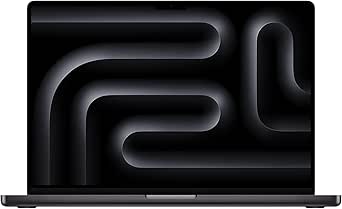 | Best for Demanding Creative Work | Processor: Apple M5 Pro, 18-core CPU | Graphics: 20-core GPU | Display: 16.2-inch Liquid Retina XDR | VIEW LATEST PRICE | See Our Full Breakdown |
| Apple MacBook Pro 16-inch (Late 2019), Core i7, 16GB RAM, 512GB SSD, Space Gray (Renewed) | 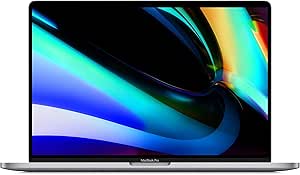 | Best for a Large Screen on a Renewed Intel Mac | Model year: 2019 | Processor: Intel Core i7-9750H, 6-core, 2.6GHz | Memory: 16GB DDR4, 2666MHz | VIEW LATEST PRICE | See Our Full Breakdown |
| Apple MacBook Pro 13-inch 2.3GHz Core i5, 256GB – Space Gray – 2017 (Renewed) |  | Best for Buyers Seeking a Compact Renewed Intel Mac | Model year: 2017 | Processor: Title lists 2.3GHz Intel Core i5; detailed text also mentions Core i7 | Storage: 256GB SSD | VIEW LATEST PRICE | See Our Full Breakdown |
| Apple MacBook Air 15-inch Laptop with M5 Chip, 15.3-inch Liquid Retina Display, 32GB Memory, 1TB SSD, Midnight |  | Best for a Large, Lightweight Air with Ample Memory | Chip: Apple M5, 10-core CPU and 10-core GPU | Memory: 32GB unified memory | Storage: 1TB SSD | VIEW LATEST PRICE | See Our Full Breakdown |
| Apple MacBook Pro 13-inch 8GB RAM 256GB SSD Space Gray (Renewed) |  | Best for Basic Tasks on a Lightweight Renewed Pro | Processor: 8th-generation Intel Core i5, 1.4GHz, quad-core | Memory: 8GB DDR3 SDRAM | Storage: 256GB SSD | VIEW LATEST PRICE | See Our Full Breakdown |
| Apple 14.2-inch MacBook Pro with M5, 10-core CPU and GPU, 16GB Memory, 1TB SSD, Space Black |  | Best for a Premium Display and Built-In Connectivity | Chip: Apple M5, 10-core CPU and 10-core GPU | Memory: 16GB unified memory | Storage: 1TB SSD | VIEW LATEST PRICE | See Our Full Breakdown |
| MacBook Pro (2025) 14.2-inch with M5, 16GB Memory, 512GB SSD, Silver |  | Best for Pro Features in a Compact MacBook | Chip: Apple M5, 10-core CPU and 10-core GPU | Memory: 16GB unified memory | Storage: 512GB SSD | VIEW LATEST PRICE | See Our Full Breakdown |
| 13-inch MacBook Air with M5, 24GB Memory, 512GB SSD, Midnight |  | Best for Multitasking in a Portable Air | Chip: Apple M5 | Memory: 24GB | Storage: 512GB SSD | VIEW LATEST PRICE | See Our Full Breakdown |
| Apple 2024 MacBook Pro 16-inch with M4 Pro, 24GB RAM, 512GB SSD, Space Black (Renewed) |  | Best for Large-Screen Pro Work | Chip: Apple M4 Pro | GPU: 20-core GPU | Memory: 24GB | VIEW LATEST PRICE | See Our Full Breakdown |
| Apple MacBook Neo 13-inch with A18 Pro, 8GB Unified Memory, 512GB SSD, Silver |  | Best Lightweight MacBook for Everyday Basics | Processor: Apple A18 Pro | Memory: 8GB unified memory | Storage: 512GB SSD | VIEW LATEST PRICE | See Our Full Breakdown |
| Apple MacBook Air 13-inch with M5, 32GB Memory, 1TB SSD, Midnight |  | Best High-Capacity MacBook Air | Chip: Apple M5, 10-core CPU and 8-core GPU | Memory: 32GB unified memory | Storage: 1TB SSD | VIEW LATEST PRICE | See Our Full Breakdown |
| MacBook laptop | Display | Storage | Memory | Ports |
|---|---|---|---|---|
| Apple MacBook Air 13-inch Lapt | 13.6-inch Liquid Retina | 512GB SSD | 16GB unified memory | Two Thunderbolt 4, MagSafe charging port, headphone jack |
| Apple MacBook Air 13-inch Reti | 13.3-inch Retina LCD, 2560 × 1600 | 128GB SSD | 8GB DDR4 | — |
| Apple MacBook Air 15-inch | 15.3-inch Liquid Retina | 512GB SSD | 16GB unified memory | Two Thunderbolt 4, MagSafe charging port, headphone jack |
| Apple MacBook Air 15-inch with | 15.3-inch Liquid Retina, 2880 × 1864 | 512GB SSD | 32GB unified memory | Two Thunderbolt 4, MagSafe charging port, headphone jack |
| Apple 16.2-inch MacBook Pro wi | 16.2-inch Liquid Retina XDR | 1TB SSD | 24GB unified memory | Three Thunderbolt 5, MagSafe 3, SDXC card slot, HDMI, headphone jack |
| Apple MacBook Pro 16-inch | 16-inch Retina, 3072 × 1920 | 512GB SSD | 16GB DDR4, 2666MHz | — |
| Apple MacBook Pro 13-inch 2.3G | 13.3-inch Retina, 2560 × 1600 | 256GB SSD | — | Thunderbolt 3, USB, DisplayPort, 3.5mm headphone jack |
| Apple MacBook Air 15-inch Lapt | 15.3-inch Liquid Retina, 2880 × 1864 at 224 ppi | 1TB SSD | 32GB unified memory | 2 Thunderbolt 4, MagSafe charging, headphone jack |
| Apple MacBook Pro 13-inch 8GB | 13-inch Retina, 2560 × 1600, True Tone | 256GB SSD | 8GB DDR3 SDRAM | 2 Thunderbolt/USB-C, 3.5mm headphone jack |
| Apple 14.2-inch MacBook Pro wi | 14.2-inch Liquid Retina XDR | 1TB SSD | 16GB unified memory | 3 Thunderbolt 4, MagSafe 3, SDXC, HDMI, headphone jack |
| MacBook Pro | 14.2-inch Liquid Retina XDR, up to 1600 nits peak brightness | 512GB SSD | 16GB unified memory | Thunderbolt 4, MagSafe 3, HDMI, SDXC |
| 13-inch MacBook Air with M5 | Liquid Retina; listed as 13.6 inches in the description and 14.2 inches elsewhere | 512GB SSD | 24GB | Two Thunderbolt 4 ports, MagSafe charging port, headphone jack |
| Apple 2024 MacBook Pro 16-inch | 16.2-inch Liquid Retina XDR, 3456 x 2234 resolution | 512GB in title; 256GB in product information | 24GB | Three Thunderbolt 5 ports, MagSafe 3, SDXC, HDMI, headphone jack |
| Apple MacBook Neo 13-inch with | 13-inch Liquid Retina, 1 billion colors | 512GB SSD | 8GB unified memory | — |
| Apple MacBook Air 13-inch with | 13.6-inch Liquid Retina, 2560 x 1664 | 1TB SSD | 32GB unified memory | Two Thunderbolt 4 ports, MagSafe charging port, headphone jack |
More Details on Our Top Picks
Apple MacBook Air 13-inch Laptop with M5 Chip, 16GB Memory, 512GB SSD, Starlight
I’d make this 13-inch Air my best overall pick because it pairs the current-generation M5 chip with 16GB of memory and a 512GB SSD in a portable design. That configuration gives everyday multitaskers more room for apps and files than the 2018 renewed MacBook Air, whose older dual-core processor, 8GB memory, and 128GB SSD are much tighter limits. The 13.6-inch Liquid Retina display, Touch ID, and up-to-18-hour battery claim suit work or study away from a desk, while the Center Stage camera is useful for video calls. The tradeoff is screen space: the 15-inch M5 Air is a better fit for split-screen work. This model also has just two Thunderbolt 4 ports, so some desk setups may need a hub.
Pros:- M5 chip, 16GB unified memory, and 512GB SSD make a well-rounded configuration for everyday multitasking.
- Compact 13.6-inch Liquid Retina display supports one billion colors.
- Up to 18 hours of stated battery life suits a day away from an outlet.
- 12MP Center Stage camera, Wi-Fi 7, Touch ID, and support for up to two external displays.
Cons:- Two Thunderbolt 4 ports may require an adapter or hub for accessory-heavy setups.
- The 13.6-inch display offers less room for multitasking than either 15-inch Air.
- The stated battery life can vary with workload and settings.
Best for: Students and mobile professionals who want a current MacBook for everyday work, video calls, and travel without carrying a larger 15-inch model.
Not ideal for: People who routinely work across several windows or need many wired accessories; the 13.6-inch screen is smaller than the 15-inch Air, and the port selection is limited.
- Chip:Apple M5
- Display:13.6-inch Liquid Retina
- Memory:16GB unified memory
- Storage:512GB SSD
- Camera:12MP Center Stage
- Battery life:Up to 18 hours
- Wireless:Wi-Fi 7, Bluetooth 6
- Ports:Two Thunderbolt 4, MagSafe charging port, headphone jack
- External display support:Up to two displays
Our verdict“Choose this 13-inch M5 Air for a capable, portable everyday MacBook; pick a 15-inch Air if screen space matters more than compactness.”
Apple MacBook Air 13-inch Retina (2018), Core i5, 8GB RAM, 128GB SSD, Gold (Renewed)
This renewed 2018 Air earns a narrow place for buyers whose needs are limited to light browsing, documents, and older everyday tasks. Its 2.8-pound body and 13.3-inch Retina display retain the familiar portable Air format, and Touch ID adds convenient sign-in. But compared with the 13-inch M5 MacBook Air, this is a substantially older machine: its dual-core Intel processor, 8GB of RAM, and 128GB SSD leave less headroom for current multitasking and file storage. The listed operating system is macOS 10.14 Mojave, so buyers should verify software compatibility and update support for the apps they need before choosing it. The renewed condition and 90-day limited warranty also make it a less straightforward choice than a current Air. I’d skip it for demanding work or long-term use.
Pros:- Lightweight 2.8-pound design is easy to carry.
- 13.3-inch Retina display has a 2560 × 1600 resolution.
- Touch ID provides fingerprint sign-in.
- Includes a 90-day limited warranty, according to the product data.
Cons:- Dual-core 8th-generation Intel processor and 8GB RAM offer far less headroom than the M5 Air models.
- 128GB SSD can fill quickly with apps and files.
- Listed with macOS 10.14 Mojave and renewed condition, so buyers should check software support and warranty terms.
Best for: A buyer seeking a lightweight MacBook for basic tasks who has confirmed that required apps work with its listed operating system and accepts renewed hardware.
Not ideal for: Students or professionals needing current software compatibility, lots of local storage, demanding multitasking, or a longer-term primary computer.
- Model year:2018
- Condition:Renewed
- Display:13.3-inch Retina LCD, 2560 × 1600
- Processor:1.6GHz dual-core 8th-generation Intel Core i5
- Memory:8GB DDR4
- Storage:128GB SSD
- Operating system:macOS 10.14 Mojave
- Weight:2.8 pounds
- Warranty:90-day limited warranty
Our verdict“Consider this renewed Air only for light tasks and verified app compatibility; the newer M5 Airs are much better suited to a main computer.”
Apple MacBook Air 15-inch (2026) with M5 Chip, 16GB Memory, 512GB SSD — Midnight
I’d choose this 15-inch Air over the 13-inch M5 MacBook Air when a larger workspace matters more than the smallest carry. Its 15.3-inch Liquid Retina display gives documents, timelines, and side-by-side apps more room, while the M5 chip, 16GB memory, and 512GB SSD match the smaller Air’s listed core configuration. The thin 3.32-pound design and stated up-to-18-hour battery life keep it suited to moving between rooms or taking to class. Unlike the 16.2-inch MacBook Pro, it is a lighter, less workstation-oriented option, but it does not offer that Pro’s XDR display or broader port selection. The Air has only two Thunderbolt 4 ports, and this configuration’s 16GB memory may be limiting for especially demanding creative workloads.
Pros:- 15.3-inch Liquid Retina display provides more workspace than the 13-inch Air.
- M5 chip, 16GB unified memory, and 512GB SSD offer a balanced everyday configuration.
- 3.32-pound weight keeps the larger-screen laptop relatively portable.
- Wi-Fi 7, Center Stage camera, and support for up to two external displays.
Cons:- Larger footprint is less convenient to carry than the 13-inch M5 Air.
- Two Thunderbolt 4 ports may not cover accessory-heavy workflows without a hub.
- 16GB memory may be a constraint for demanding creative or heavily multitasked work.
Best for: People who work with documents, spreadsheets, or multiple apps side by side and want a large display in a portable Air.
Not ideal for: Frequent travelers prioritizing the smallest laptop, or creators who need more memory, a Pro-class display, or a wider range of built-in ports.
- Chip:Apple M5
- Display:15.3-inch Liquid Retina
- Memory:16GB unified memory
- Storage:512GB SSD
- Weight:3.32 pounds
- Camera:12MP Center Stage
- Battery life:Up to 18 hours
- Wireless:Wi-Fi 7, Bluetooth 6
- Ports:Two Thunderbolt 4, MagSafe charging port, headphone jack
Our verdict“Pick this model if you want more screen room than the 13-inch Air while keeping a lighter, simpler design than the MacBook Pro.”
Apple MacBook Air 15-inch with M5 chip: 32GB Memory, 512GB SSD – Midnight
This 15-inch Air stands apart from the 16GB M5 Airs with 32GB of unified memory, making it the Air I’d favor for keeping many apps, browser tabs, and creative projects active together. The 15.3-inch Liquid Retina display provides more working room than the 13-inch M5 Air, and the M5 chip, Wi-Fi 7, and up-to-18-hour battery claim keep it positioned as a portable everyday machine. Compared with the 16.2-inch M5 Pro MacBook Pro, it trades a Pro-class XDR display, additional ports, and a more workstation-focused configuration for an Air design. Its 512GB SSD is the notable compromise: memory headroom does not mean ample local storage for large media libraries. Two Thunderbolt 4 ports also make a hub useful in a multi-accessory setup.
Pros:- 32GB unified memory offers more multitasking headroom than the listed 16GB Air configurations.
- 15.3-inch Liquid Retina display supports one billion colors.
- M5 chip and Wi-Fi 7 support current everyday and connected workflows.
- 12MP Center Stage camera and four-speaker audio with Spatial Audio and Dolby Atmos.
Cons:- 512GB SSD may be restrictive for large local media or project files.
- Two Thunderbolt 4 ports are limited for a multi-device desk setup.
- The Air’s display and configuration are less workstation-oriented than the 16.2-inch M5 Pro MacBook Pro.
Best for: Multitaskers and creators who want 32GB memory for active apps and projects but prefer an Air’s portable design over a Pro.
Not ideal for: People who store large video or photo libraries locally, need a high-end display, or rely on several wired accessories.
- Chip:Apple M5 chip with 10-core CPU and 10-core GPU
- Display:15.3-inch Liquid Retina, 2880 × 1864
- Memory:32GB unified memory
- Storage:512GB SSD
- Wireless:Wi-Fi 7, Bluetooth 6
- Camera:12MP Center Stage
- Battery life:Up to 18 hours
- Ports:Two Thunderbolt 4, MagSafe charging port, headphone jack
- External display support:Up to two displays
Our verdict“Choose this 15-inch Air for extra memory and a roomy screen in a portable format, but opt for a larger SSD or the Pro if storage or demanding workflows come first.”
Apple 16.2-inch MacBook Pro with M5 Pro, 18-core CPU, 20-core GPU, 24GB Memory, and 1TB SSD
For sustained creative workloads and a built-in display that takes priority, I’d place this 16.2-inch MacBook Pro above the Air models. Its M5 Pro chip, 18-core CPU, 20-core GPU, and 24GB of unified memory are a more work-focused specification than the M5 Air configurations, while the Liquid Retina XDR display and 1TB SSD suit detailed visual work and larger projects. The port selection is another practical difference: three Thunderbolt 5 ports, HDMI, and an SDXC card slot can reduce the need for adapters compared with the Air’s two Thunderbolt 4 ports. The tradeoff is portability. At 4.71 pounds, it is substantially heavier than either Air, and the supplied data does not state battery life. Buyers who mostly handle everyday tasks may be better served by a lighter M5 Air.
Pros:- M5 Pro with an 18-core CPU and 20-core GPU is suited to demanding creative workloads.
- 16.2-inch Liquid Retina XDR display offers a larger, higher-tier screen than the Air models.
- 24GB unified memory and 1TB SSD provide more working memory and storage than the 16GB, 512GB Air configurations.
- Three Thunderbolt 5 ports, HDMI, and an SDXC card slot support a wider range of peripherals.
Cons:- At 4.71 pounds, it is much heavier than the 13-inch and 15-inch MacBook Air models.
- Battery life duration is not specified in the provided product data.
- Its Pro-focused hardware may be unnecessary for routine office, school, or browsing tasks.
Best for: Video editors, photographers, and other demanding users who benefit from a large XDR display, stronger listed compute hardware, and built-in connection options.
Not ideal for: Students and mobile professionals whose work is mostly browsing, writing, or calls; an M5 Air is lighter and offers a more portable everyday setup.
- Processor:Apple M5 Pro, 18-core CPU
- Graphics:20-core GPU
- Display:16.2-inch Liquid Retina XDR
- Memory:24GB unified memory
- Storage:1TB SSD
- Wireless:Wi-Fi 7, Bluetooth 6
- Ports:Three Thunderbolt 5, MagSafe 3, SDXC card slot, HDMI, headphone jack
- Weight:4.71 pounds
- Camera:12MP Center Stage
Our verdict“Choose this MacBook Pro for demanding creative work, a large XDR screen, and broad connectivity; choose an Air if portability and everyday value matter more.”
Apple MacBook Pro 16-inch (Late 2019), Core i7, 16GB RAM, 512GB SSD, Space Gray (Renewed)
I’d choose this 16-inch MacBook Pro over the renewed 13-inch models when a roomy workspace and dedicated graphics matter more than a newer platform. Its 3072 × 1920 Retina display gives editing timelines and side-by-side documents more space, while the six-core Intel Core i7 and Radeon Pro 5300M are better suited to graphics-heavy work than the integrated graphics in the 2017 13-inch MacBook Pro. The tradeoff is age: this is an Intel-era, renewed laptop, not a match for the efficiency and newer connectivity of the 15-inch MacBook Air with M5. The listing specifies a 90-day warranty, so I’d weigh that limited coverage against the appeal of its larger screen and discrete GPU. At four pounds, it also sacrifices portability.
Pros:- 16-inch Retina display provides generous workspace at 3072 × 1920 resolution.
- Six-core Core i7 offers more processing capacity than the dual-core-era 13-inch options.
- Dedicated Radeon Pro 5300M graphics with 4GB of GDDR6 memory.
- 512GB SSD provides room for apps and active projects.
Cons:- Renewed condition and a 90-day warranty offer less assurance than a new model.
- At four pounds, it is heavier than the MacBook Air options.
- Older Intel platform lacks the newer Apple silicon design and features.
Best for: Buyers who need a large Retina workspace and dedicated graphics for moderate creative work, and are comfortable choosing a renewed Intel Mac.
Not ideal for: Frequent travelers and buyers seeking a lightweight MacBook, current-generation Apple silicon, or longer warranty coverage.
- Model year:2019
- Processor:Intel Core i7-9750H, 6-core, 2.6GHz
- Memory:16GB DDR4, 2666MHz
- Storage:512GB SSD
- Display:16-inch Retina, 3072 × 1920
- Graphics:AMD Radeon Pro 5300M, 4GB GDDR6
- Weight:4 pounds
- Battery life:Up to 11 hours
- Warranty:90 days
Our verdict“Choose this renewed Pro for a large screen and dedicated graphics, but skip it if portability, current Apple silicon, or longer coverage matters more.”
Apple MacBook Pro 13-inch 2.3GHz Core i5, 256GB – Space Gray – 2017 (Renewed)
I’d place this 2017 13-inch MacBook Pro among the compact renewed choices for buyers who want a Retina screen and a familiar Intel Mac for everyday work. Its 2560 × 1600 display, Force Touch trackpad, and listed 10-hour battery life make it a more practical mobile workstation than the four-pound, 16-inch 2019 Pro, though it gives up that model’s dedicated Radeon graphics and larger workspace. The listing is inconsistent: the title names a 2.3GHz Core i5, while the detail text refers to a Core i7 and 16GB RAM. I wouldn’t assume those higher specifications without confirmation. Its condition description also mentions screen scratches and corner wear, so this is a budget-minded refurbished pick rather than a polished alternative to a new M5 MacBook Air.
Pros:- Compact 13-inch form is easier to carry than the 16-inch 2019 Pro.
- Retina resolution of 2560 × 1600 suits text and everyday media.
- Force Touch trackpad and stereo speakers add useful everyday features.
- Listing states up to 10 hours of battery life.
Cons:- Listing conflicts on processor and memory, making the exact configuration unclear.
- Condition notes mention screen scratches and dented or worn corners.
- Older Intel hardware and integrated graphics are a weaker fit for demanding creative workloads.
Best for: A buyer who wants a compact Retina Mac for basic office, browsing, and study tasks and can verify the exact processor and memory before purchase.
Not ideal for: Creative professionals needing dependable graphics performance, buyers who require pristine condition, or anyone unwilling to accept uncertainty in the listing specifications.
- Model year:2017
- Processor:Title lists 2.3GHz Intel Core i5; detailed text also mentions Core i7
- Storage:256GB SSD
- Display:13.3-inch Retina, 2560 × 1600
- Graphics:Integrated Intel Iris Plus Graphics 640
- Ports:Thunderbolt 3, USB, DisplayPort, 3.5mm headphone jack
- Weight:3 pounds
- Battery life:Up to 10 hours
- Condition:Renewed; listing mentions light screen scratches and minor corner damage
Our verdict“Consider this only for basic mobile tasks if the seller confirms the configuration and you accept the listed cosmetic wear.”
Apple MacBook Air 15-inch Laptop with M5 Chip, 15.3-inch Liquid Retina Display, 32GB Memory, 1TB SSD, Midnight
This 15-inch MacBook Air is my pick for buyers who want a large screen and substantial memory without stepping up to a Pro chassis. Its 32GB unified memory and 1TB SSD give multitaskers more room for demanding apps and files than the 16GB configuration of the 14.2-inch MacBook Pro with M5. The Air’s 15.3-inch display is also larger, while the Pro counters with an XDR panel, a wider selection of built-in ports, and a more workstation-oriented design. The Air remains the lighter choice at 1.51 kg, with up to 18 hours of advertised battery life, but its integrated graphics aren’t the same fit as a discrete GPU for graphics-heavy workloads. I’d pick it for flexible everyday productivity, not for buyers who need Pro-level display or graphics features.
Pros:- 15.3-inch Liquid Retina display offers a broad workspace in a lightweight design.
- 32GB unified memory supports heavier multitasking than the 16GB M5 Pro configuration.
- 1TB SSD provides ample built-in storage for large working files.
- Up to 18 hours of advertised battery life, plus MagSafe and Thunderbolt 4.
Cons:- Integrated graphics are less suited to demanding GPU-heavy work than a discrete graphics system.
- Fewer built-in port types than the 14.2-inch MacBook Pro with M5.
- Larger 15.3-inch body is less compact than a 13-inch MacBook Air.
Best for: Multitaskers, students, and mobile professionals who want a large display, 32GB memory, and 1TB of storage in a lightweight laptop.
Not ideal for: Video and 3D professionals who need discrete graphics, or buyers who prioritize an XDR display and built-in HDMI and SDXC ports.
- Chip:Apple M5, 10-core CPU and 10-core GPU
- Memory:32GB unified memory
- Storage:1TB SSD
- Display:15.3-inch Liquid Retina, 2880 × 1864 at 224 ppi
- Battery life:Up to 18 hours
- Weight:1.51 kg
- Ports:2 Thunderbolt 4, MagSafe charging, headphone jack
- Camera:12MP Center Stage
- Wireless:Wi-Fi 7, Bluetooth 6
Our verdict“Choose this Air for a large screen, generous memory, and storage in a light package; choose the 14-inch Pro for XDR and broader connectivity.”
Apple MacBook Pro 13-inch 8GB RAM 256GB SSD Space Gray (Renewed)
I see this renewed 13-inch MacBook Pro as a modest everyday machine, not a substitute for the newer M5 laptops in this roundup. Its 2.6-pound weight, True Tone Retina display, Touch ID, and Touch Bar make it convenient for browsing, documents, and video calls. Compared with the 2017 13-inch MacBook Pro, this listing gives a clearer processor description, but both are older renewed Intel options; the 2017 model’s listing is especially inconsistent about its processor and memory. The main constraint here is 8GB of RAM, which can limit heavier multitasking, while 256GB of storage leaves less room for large projects than the 1TB M5 Air. Its two USB-C/Thunderbolt ports also make adapters likely for older accessories. I’d choose it only when those limits match a light workload.
Pros:- Light 2.6-pound chassis is suited to carrying between home, school, and work.
- Retina display with True Tone adjusts color presentation to ambient light.
- Touch ID offers convenient authentication.
- 256GB SSD is faster for app and file access than a mechanical drive.
Cons:- 8GB RAM is limiting for demanding multitasking and creative applications.
- Two Thunderbolt/USB-C ports may require adapters for legacy accessories.
- Renewed older Intel hardware comes with a 90-day limited warranty.
Best for: A student or home user who needs a lightweight Mac for web browsing, writing, calls, and other basic tasks.
Not ideal for: Users who keep many demanding apps open, need generous local storage, or want modern ports and Apple silicon performance.
- Processor:8th-generation Intel Core i5, 1.4GHz, quad-core
- Memory:8GB DDR3 SDRAM
- Storage:256GB SSD
- Display:13-inch Retina, 2560 × 1600, True Tone
- Graphics:Intel Iris Plus Graphics 645
- Weight:2.6 pounds
- Battery life:Up to 10 hours
- Ports:2 Thunderbolt/USB-C, 3.5mm headphone jack
- Warranty:90-day limited warranty
Our verdict“Buy this renewed Pro for light daily computing and a portable Retina screen, but choose an M5 MacBook Air for heavier multitasking or longer-term headroom.”
Apple 14.2-inch MacBook Pro with M5, 10-core CPU and GPU, 16GB Memory, 1TB SSD, Space Black
I’d choose this 14.2-inch MacBook Pro over the 15-inch M5 Air when display quality and port selection matter more than a larger panel and 32GB of memory. Its Liquid Retina XDR display is rated for up to 1600 nits peak brightness, while HDMI and an SDXC slot can spare photographers and presentation users from carrying extra adapters. The M5 chip, 16GB unified memory, and 1TB SSD make it a capable setup for creative and professional work, but the 15-inch MacBook Air with M5 offers twice the memory in the configuration listed and a larger screen. This Pro is also heavier at 3.41 pounds, and its battery-runtime figure isn’t provided here. I’d favor it for its screen and connections, not on an assumption of longer battery life.
Pros:- Liquid Retina XDR display has high stated peak and sustained brightness.
- HDMI and SDXC slot reduce the need for adapters.
- M5 chip pairs with 16GB unified memory and a 1TB SSD.
- 12MP Center Stage camera and six-speaker audio support calls and media.
Cons:- Heavier than the 15-inch MacBook Air with M5.
- 16GB memory is half the capacity of the listed 15-inch M5 Air configuration.
- No specific battery runtime is provided in the product data.
Best for: Photographers, editors, and mobile professionals who want an XDR screen, HDMI and SDXC built in, and 1TB of storage.
Not ideal for: Buyers prioritizing the lightest large-screen MacBook, 32GB of memory, or a documented battery-runtime figure.
- Chip:Apple M5, 10-core CPU and 10-core GPU
- Memory:16GB unified memory
- Storage:1TB SSD
- Display:14.2-inch Liquid Retina XDR
- Brightness:Up to 1600 nits peak; 1000 nits sustained
- Ports:3 Thunderbolt 4, MagSafe 3, SDXC, HDMI, headphone jack
- Camera:12MP Center Stage
- Weight:3.41 pounds
- External display support:Up to two displays
Our verdict“Pick this Pro for its XDR display and built-in HDMI and SDXC, but choose the 15-inch Air if a lighter design and more memory matter more.”
MacBook Pro (2025) 14.2-inch with M5, 16GB Memory, 512GB SSD, Silver
This 14-inch MacBook Pro is the strongest fit here for buyers who want a brighter, more contrast-rich display and a broader selection of built-in connections than the Air models provide. Its M5 chip and Neural Accelerator suit demanding everyday work and on-device AI tasks, while the Liquid Retina XDR display is better suited to HDR content and color-focused editing than the Air’s Liquid Retina screen. HDMI and SDXC also make it easier to connect a monitor or camera card without relying on adapters. The tradeoff is a 3.41-pound build and fixed memory and storage; the 32GB MacBook Air M5 offers more memory and a larger SSD, but not the Pro’s XDR screen or port range. Choose this when display and connectivity matter more than maximum portability or upgrade flexibility.
Pros:- M5 chip includes a Neural Accelerator for on-device AI workloads.
- 14.2-inch Liquid Retina XDR display offers up to 1600 nits peak brightness.
- HDMI, SDXC, Thunderbolt 4, and MagSafe 3 reduce reliance on dongles.
- More compact than the 16-inch MacBook Pro while retaining pro-oriented connections.
Cons:- At 3.41 pounds, it is heavier than the 2.71-pound MacBook Neo.
- Memory and storage are soldered and cannot be upgraded later.
- The listed configuration has 16GB memory and a 512GB SSD, less than the high-capacity MacBook Air M5 options.
Best for: Creative professionals and frequent presenters who want an XDR display, HDMI, and an SDXC slot in a more compact laptop than the 16-inch Pro.
Not ideal for: Travelers prioritizing the lightest MacBook, or buyers who need more than 16GB memory or 512GB storage and want those capacities specified at purchase.
- Chip:Apple M5, 10-core CPU and 10-core GPU
- Memory:16GB unified memory
- Storage:512GB SSD
- Display:14.2-inch Liquid Retina XDR, up to 1600 nits peak brightness
- Ports:Thunderbolt 4, MagSafe 3, HDMI, SDXC
- Dimensions:12.31 x 8.71 x 0.61 inches
- Weight:3.41 pounds
- Release date:October 14, 2025
Our verdict“Pick this MacBook Pro if you want a compact laptop with an XDR display and built-in pro connections, and can work within its fixed 16GB memory and 512GB storage.”
13-inch MacBook Air with M5, 24GB Memory, 512GB SSD, Midnight
The draw here is the combination of an M5 chip and 24GB memory in an Air-sized package. That extra memory gives buyers more room for many open apps and heavier creative projects than the 16GB MacBook Pro configuration listed here, while the up-to-18-hour battery life suits long days away from an outlet. Its fanless Air design keeps the focus on portability, but it gives up the Pro’s brighter XDR display and built-in HDMI and SDXC connections. The two Thunderbolt 4 ports can handle peripherals and external displays, though frequent camera-card or monitor users may need adapters. The listing gives two conflicting display sizes, so I would verify the exact configuration before buying. Compared with the 32GB/1TB MacBook Air M5, this model offers less headroom and storage, but targets lighter workloads.
Pros:- 24GB unified memory provides more multitasking headroom than the 16GB MacBook configurations.
- M5 chip supports everyday work and creative workflows in a portable Air design.
- Up to 18 hours of battery life is suited to extended mobile use.
- Supports up to two external displays.
Cons:- 512GB storage is less suitable for large project files than the 1TB MacBook Air M5 configuration.
- Two Thunderbolt 4 ports mean users of HDMI displays or SD cards may need adapters.
- The listing conflicts between 13.6-inch and 14.2-inch display sizes.
Best for: Students, mobile professionals, and casual creators who keep many apps open and want an M5 Air with more than the base memory configuration.
Not ideal for: Video editors with extensive local media libraries, buyers who need 32GB memory, or users who require a verified display size and built-in HDMI or SDXC.
- Chip:Apple M5
- Memory:24GB
- Storage:512GB SSD
- Display:Liquid Retina; listed as 13.6 inches in the description and 14.2 inches elsewhere
- Battery life:Up to 18 hours
- Camera:12MP Center Stage
- Ports:Two Thunderbolt 4 ports, MagSafe charging port, headphone jack
- Wireless:Wi-Fi 7 and Bluetooth 6
Our verdict“Choose this Air for portable M5 performance and 24GB memory, but verify the display details and look elsewhere if you need more storage or built-in pro ports.”
Apple 2024 MacBook Pro 16-inch with M4 Pro, 24GB RAM, 512GB SSD, Space Black (Renewed)
This renewed 16-inch Pro is aimed at buyers who want a spacious work surface and the connections to support a demanding desk setup. Its 16.2-inch Liquid Retina XDR display gives code, timelines, and layered creative projects more room than the 14-inch MacBook Pro M5, and the listed M4 Pro configuration includes a 20-core GPU. Three Thunderbolt 5 ports, HDMI, and SDXC make it the most desk-ready option in this set. The cost of that workspace is weight: at 2.14 kg, it is a less appealing daily carry than the 13-inch Air or MacBook Neo. It is also a renewed model, so buyers should check the seller’s condition and warranty terms. The listing has conflicting storage details—512GB in the title and 256GB elsewhere—so confirm the actual capacity before purchase.
Pros:- Large 16.2-inch Liquid Retina XDR display provides ample room for detailed work.
- M4 Pro configuration lists a 20-core GPU for graphics-heavy workflows.
- Three Thunderbolt 5 ports plus HDMI and SDXC support a broad workstation setup.
- 24GB memory is more than the 16GB listed for the 14-inch MacBook Pro M5.
Cons:- At 2.14 kg, it is substantially less convenient to carry than the MacBook Air and Neo options.
- Renewed condition may vary, so buyers should review the seller’s condition and warranty details.
- Storage is inconsistent across the listing: the title says 512GB, while product information says 256GB.
Best for: Developers and creative professionals who need a large XDR screen, strong graphics capability, and multiple high-speed connections, and are comfortable buying renewed.
Not ideal for: Frequent commuters seeking a lightweight MacBook, buyers who require a new unit, or anyone unwilling to resolve the listing’s conflicting storage information.
- Chip:Apple M4 Pro
- GPU:20-core GPU
- Memory:24GB
- Storage:512GB in title; 256GB in product information
- Display:16.2-inch Liquid Retina XDR, 3456 x 2234 resolution
- Ports:Three Thunderbolt 5 ports, MagSafe 3, SDXC, HDMI, headphone jack
- Weight:2.14 kg
- Condition:Renewed
Our verdict“Choose this renewed Pro for a large XDR workspace and extensive ports, but only after confirming its storage capacity and condition.”
Apple MacBook Neo 13-inch with A18 Pro, 8GB Unified Memory, 512GB SSD, Silver
At 2.71 pounds, the MacBook Neo is the lightest option in this group and makes the most sense for school, travel, and everyday browsing. Its A18 Pro chip, 1080p camera, and Touch ID cover the essentials, while the 512GB SSD gives more room for documents and media than the 128GB drive in the older renewed 2018 Air elsewhere in the roundup. That light carry comes with a clear ceiling: 8GB of fixed memory leaves less room for demanding creative apps and heavy multitasking than the 24GB or 32GB MacBook Air M5 models. The Liquid Retina display and up-to-16-hour battery life suit general use, but the listing does not specify its ports, making peripheral planning harder. I’d choose it for basic tasks, not as a long-term workstation.
Pros:- At 2.71 pounds, it is lighter than the Air and Pro laptops in this group.
- A18 Pro chip supports everyday macOS tasks and AI-focused features.
- 512GB SSD offers ample listed capacity for typical school and personal files.
- Touch ID, a 1080p FaceTime HD camera, and up to 16 hours of battery life suit mobile daily use.
Cons:- Fixed 8GB memory limits demanding creative work and heavy multitasking compared with the M5 Air models.
- The listing does not specify the port selection.
- Up to 16 hours of battery life is below the up-to-18-hour figure listed for the MacBook Air M5 models.
Best for: Students and frequent travelers who mainly browse, write, stream, and join video calls, and value low carry weight over multitasking headroom.
Not ideal for: Developers, video editors, or heavy multitaskers who need more than 8GB memory, as well as buyers who need clearly specified ports for accessories.
- Processor:Apple A18 Pro
- Memory:8GB unified memory
- Storage:512GB SSD
- Display:13-inch Liquid Retina, 1 billion colors
- Camera:1080p FaceTime HD
- Battery life:Up to 16 hours
- Dimensions:8.12 x 11.71 x 0.5 inches
- Weight:2.71 pounds
Our verdict“Pick the Neo for a light MacBook devoted to everyday tasks, but choose an M5 Air if your workload needs more memory or sustained multitasking.”
Apple MacBook Air 13-inch with M5, 32GB Memory, 1TB SSD, Midnight
This MacBook Air is the most appealing choice here for buyers who want an unusually generous memory and storage configuration without moving to a Pro. Its 32GB unified memory and 1TB SSD give larger creative projects and local file libraries more breathing room than the 24GB/512GB Air, while the 13.6-inch design stays more portable than the 16-inch MacBook Pro. The M5 chip and up-to-18-hour battery life make it a capable everyday work machine, but its integrated graphics and slim Air format are not the best match for sustained graphics-heavy workloads. Two Thunderbolt 4 ports also mean the 14-inch MacBook Pro M5 is more convenient for users who regularly connect HDMI displays or SD cards. Choose this Air for capacity and mobility, not workstation-level expansion.
Pros:- 32GB unified memory provides more multitasking headroom than the 24GB MacBook Air M5.
- 1TB SSD offers twice the listed storage of the 512GB Air configurations.
- 13.6-inch display and 1.23 kg weight keep the high-capacity configuration portable.
- Up to 18 hours of battery life supports extended use away from a charger.
Cons:- Integrated graphics are less suited to demanding 3D or graphics-heavy workflows than the MacBook Pro options.
- Only two Thunderbolt 4 ports are listed, with no built-in HDMI or SDXC slot.
- The compact screen offers less workspace than the 16.2-inch MacBook Pro.
Best for: Mobile creators, developers, and professionals who keep large projects or many apps on the laptop and want high memory and storage in a compact Air.
Not ideal for: 3D artists and other graphics-intensive users who need a Pro-class graphics setup, or buyers who require built-in HDMI and SDXC connections.
- Chip:Apple M5, 10-core CPU and 8-core GPU
- Memory:32GB unified memory
- Storage:1TB SSD
- Display:13.6-inch Liquid Retina, 2560 x 1664
- Battery life:Up to 18 hours
- Weight:1.23 kg
- Ports:Two Thunderbolt 4 ports, MagSafe charging port, headphone jack
- Wireless:Wi-Fi 7 and Bluetooth 6
Our verdict“Choose this Air if you want 32GB memory and 1TB storage in a portable MacBook, and do not need the Pro’s larger display or built-in pro connections.”

How We Picked
I compared the 15 listed configurations by the factors that change the ownership experience: chip generation and tier, memory, storage, screen size, portability, and intended workload. I gave more weight to current M5 models for a primary laptop because newer Apple-silicon configurations offer a stronger starting point for everyday responsiveness and longer useful life than the older Intel-based renewed choices. Within the newer group, I distinguished between everyday Air models, higher-memory Air configurations, and Pro models aimed at sustained demanding work rather than treating a larger spec sheet as automatically better.
The ranking prioritizes fit and balance, not raw specifications alone. The 13-inch Air with 24GB memory earns the overall position because it combines a portable design with more multitasking capacity than the 16GB base-style configurations. Pro models rank higher for specialist workloads but lower for general buyers who may not need their added capability; larger Airs serve people who value screen area, while 32GB and 1TB options suit heavier workloads or larger local libraries. Renewed Intel models rank lower because their older platform and modest memory create more compromises for a laptop expected to serve for years.
| MacBook laptop | Chip | Battery life |
|---|---|---|
| Apple MacBook Air 13-inch Lapt | Apple M5 | Up to 18 hours |
| Apple MacBook Air 13-inch Reti | — | — |
| Apple MacBook Air 15-inch | Apple M5 | Up to 18 hours |
| Apple MacBook Air 15-inch with | Apple M5 chip with 10-core CPU and 10-core GPU | Up to 18 hours |
| Apple 16.2-inch MacBook Pro wi | — | — |
| Apple MacBook Pro 16-inch | — | Up to 11 hours |
| Apple MacBook Pro 13-inch 2.3G | — | Up to 10 hours |
| Apple MacBook Air 15-inch Lapt | Apple M5, 10-core CPU and 10-core GPU | Up to 18 hours |
| Apple MacBook Pro 13-inch 8GB | — | Up to 10 hours |
| Apple 14.2-inch MacBook Pro wi | Apple M5, 10-core CPU and 10-core GPU | — |
| MacBook Pro | Apple M5, 10-core CPU and 10-core GPU | — |
| 13-inch MacBook Air with M5 | Apple M5 | Up to 18 hours |
| Apple 2024 MacBook Pro 16-inch | Apple M4 Pro | — |
| Apple MacBook Neo 13-inch with | — | Up to 16 hours |
| Apple MacBook Air 13-inch with | Apple M5, 10-core CPU and 8-core GPU | Up to 18 hours |
Factors to Consider When Choosing Best MacBook Laptops
I would choose a MacBook by starting with the work pattern, not the model name. These 15 options span current M5 Air and Pro laptops, multiple memory and storage configurations, and renewed Intel-era machines, so the right choice depends on which tradeoff you will notice every day.
Choose Air or Pro by workload, not status
An Air is the sensible starting point for writing, browsing, study, video calls, and many creative tasks because it keeps the setup focused on everyday portability. A Pro makes more sense when your work repeatedly pushes demanding creative or technical applications and the higher-performance tier saves time or supports a specialized workflow. A common mistake is paying for a Pro because it sounds more future-proof, even when the actual workload is mostly light. The opposite mistake is buying an Air for sustained heavy work without checking whether its performance class suits that routine. I would write down the most demanding task you do weekly, then choose around that rather than occasional peak use. If you cannot name a task that benefits from the Pro, an Air is likely the better-balanced purchase.
Set memory for your real multitasking habits
Memory affects how comfortably a laptop handles several apps and demanding projects at once, so it is more than a number for spec comparisons. The lineup’s 16GB, 24GB, and 32GB Air options let buyers prioritize cost-conscious everyday use or added headroom without changing to a Pro. Many browser tabs, large creative files, virtual machines, and long-running work sessions can all make extra memory more useful. Do not buy a higher-memory configuration solely because it is the largest one listed; unused capacity does not improve every routine task. But avoid treating the lowest memory option as a safe shortcut if your workload is already memory-heavy or likely to grow. Since memory is not a casual after-purchase upgrade, match it to the laptop’s expected service life.
Pick screen size around where you work
A 13-inch MacBook is easier to carry and fits better on crowded desks, while a 15-inch Air gives documents, timelines, and side-by-side windows more space. The larger display can reduce how often you need an external monitor, but it also means carrying a larger computer every day. Buyers who mostly dock at a desk may gain more from a Pro’s work-focused configuration than from choosing a bigger Air just for display area. For frequent travel, think about the full bag you carry, not just the laptop’s screen diagonal. A useful test is whether you regularly split your work across windows or primarily use one app at a time. Choose the larger screen for sustained workspace comfort, not because bigger automatically means better.
Buy storage for files you keep offline
The listed options range from 128GB on an older renewed Air to 1TB on several current models, and that gap changes how much room you have for local projects and media. Cloud services and external drives can extend capacity, but they add dependence on internet access or extra gear. Video libraries, photo collections, large development environments, and creative project files can fill a smaller drive faster than routine documents. Do not assume a larger SSD makes a laptop faster for every ordinary task; its main buyer benefit is more local space and less file juggling. If you already use external storage comfortably, a smaller built-in drive may be a reasonable tradeoff. Otherwise, estimate what you keep downloaded today and leave room for growth.
Treat renewed Intel MacBooks as budget exceptions
The renewed 2017, 2018, and 2019 MacBooks in this roundup should be judged differently from the current M5 models. Their older Intel platforms and configurations with 8GB or 16GB memory may still cover modest tasks, but they offer less headroom as software and workloads evolve. A low initial outlay can be appealing, yet battery condition, remaining software support, and the seller’s return and warranty terms matter more with a used machine. Check the exact model year and condition rather than relying on the MacBook Pro or Air label. These choices make the most sense as secondary computers or for light, clearly defined tasks. For a primary laptop intended to last, a newer Apple-silicon Air is the safer direction in this lineup.
Pay for capacity only when it solves a real constraint
The 32GB memory and 1TB storage configurations are useful when they remove a bottleneck, not as automatic upgrades. A photographer with a large local library may benefit more from extra storage, while someone running demanding apps side by side may get more value from added memory. The 15-inch Air with 32GB and 1TB combines a roomy screen with capacity, but its larger size may be unnecessary for a buyer who values light travel. Similarly, the 16-inch Pro is compelling for specialized workloads but excessive for basic office tasks. Identify whether your constraint is screen space, multitasking, storage, or sustained performance before spending for a bigger configuration. That simple distinction helps prevent paying for capacity that does not match your routine.
Frequently Asked Questions
Is the 13-inch MacBook Air with 24GB memory a better choice than the 16GB version?
The 24GB model is a stronger fit if you routinely keep many apps open, work with larger files, or want more memory headroom for several years. For browsing, documents, streaming, and ordinary study or office work, the 16GB Air may already suit your needs. The extra memory does not replace a faster Pro-tier chip for demanding sustained workloads, so it should not be treated as a reason to skip a Pro when your tasks call for one. Compare your day-to-day app use rather than buying the higher number by default. If your workload is growing or you cannot upgrade memory later, the 24GB configuration is the more flexible choice.
Should I choose a 15-inch MacBook Air or a 14-inch MacBook Pro?
Choose the 15-inch Air if you mainly want a larger workspace for everyday tasks and prefer an Air-focused setup. Choose the 14-inch Pro if your work benefits from the Pro model’s higher-performance configuration or you need a 1TB SSD in the listed version. The Air’s larger screen may be more comfortable for documents and split windows, while the Pro is better matched to heavier workloads. Neither choice is automatically better just because of its model name. Think about whether screen area or demanding-work capability solves the bigger problem for you.
Are the renewed 2017–2019 MacBooks worth buying as a main computer?
They can suit light, limited tasks, but I would be cautious about choosing one as a long-term primary laptop. These renewed models use older Intel-era platforms, and some listed configurations have only 8GB of memory or 128GB of storage. That can constrain multitasking and local files, while a used computer’s battery condition and software support deserve close attention. Review the seller’s stated condition, return window, and warranty before deciding. For a main laptop expected to handle evolving workloads, one of the newer M5 Air models is the more dependable direction from this lineup.
Do I need 1TB of storage, or is 512GB enough?
512GB can work well if your files are mostly documents and you use cloud storage or an external drive for larger libraries. A 1TB drive is more convenient for people who keep many photos, videos, creative projects, or work files on the laptop itself. Storage needs can grow gradually, so check how much space your current computer uses rather than guessing from a new device’s empty drive. External storage can lower the need for a larger built-in SSD, but it is less convenient when you travel or work offline. Choose 1TB to reduce file management, not because every MacBook user needs it.
Is the 16-inch MacBook Pro worth choosing over a MacBook Air?
The 16-inch Pro makes sense when your regular workload can use its higher-performance M5 Pro configuration and you benefit from a larger work area. For everyday browsing, writing, schoolwork, and general office use, an Air is typically the more proportionate choice. The Pro’s added capability matters most when demanding projects are part of your routine, not just an occasional experiment. Its larger format may also be less convenient if you carry your laptop throughout the day. I would choose it for a clear work requirement, rather than as a general-purpose upgrade.
Conclusion
For most buyers, my best overall pick is the 13-inch MacBook Air with M5, 24GB memory, and 512GB SSD: it balances portability and multitasking headroom without making the Pro leap. The best value for everyday use is the 13-inch M5 Air with 16GB memory and 512GB SSD, while the best premium choice is the 16-inch MacBook Pro with M5 Pro for sustained demanding work. For beginners, I would start with the 13-inch M5 Air with 16GB and 512GB because it avoids the dated compromises of the renewed Intel options without paying for capacity they may not use. For a larger screen with Air-style priorities, choose the 15-inch M5 Air; for heavier multitasking or a large local library, look at the 32GB and 1TB configurations. I would reserve the renewed 2017–2019 models for tightly defined light use, not as the default pick for a long-term main computer.
Halloween Picks
halloween
As an affiliate, we earn on qualifying purchases.