If you’re searching for the best IPMI server motherboards for 2026, I recommend considering models like the ASUS Pro WS W680-ACE, Asrock Rack ROMED8-2T/BCM, ASUS Pro WS W790 SAGE SE, SUPERMICRO LGA 1155 Xeon E3, and MBD-X12SCA-5F-O. These platforms support powerful processors, expandable memory, and robust remote management for enterprise needs. Keep in mind the importance of compatibility and features, and if you keep going, you’ll discover detailed insights to help you choose the perfect motherboard for your data setup.
Key Takeaways
- Evaluates motherboards with advanced IPMI remote management features for reliable server control.
- Highlights compatibility with latest processors, including Intel Xeon and AMD EPYC, for optimal performance.
- Considers expansion options like PCIe, M.2, and multiple Ethernet ports for scalability.
- Focuses on support for ECC memory and future-proofing with DDR4 and DDR5 modules.
- Prioritizes security features and management tools to ensure safe, remote server administration.
| ASUS Pro WS W680-ACE Workstation Motherboard with IPMI |  | Professional Workstation | Processor Socket: LGA 1700 | Memory Type: DDR5 ECC | Number of RAM Slots: 8 | VIEW LATEST PRICE | See Our Full Breakdown |
| Asrock Rack ROMED8-2T/BCM AMD EPYC Server Motherboard |  | Enterprise-Ready | Processor Socket: Socket SP3 (LGA 4094) | Memory Type: DDR4 RDIMM, LRDIMM | Number of RAM Slots: 8 | VIEW LATEST PRICE | See Our Full Breakdown |
| ASUS Pro WS W790 SAGE SE Motherboard |  | High-Performance Workstation | Processor Socket: LGA 4677 | Memory Type: DDR5 ECC R-DIMM | Number of RAM Slots: Up to 2TB ECC R-DIMM DDR5 (max 8 DIMMs) | VIEW LATEST PRICE | See Our Full Breakdown |
| SUPERMICRO LGA 1155 Xeon E3 Micro ATX Motherboard | 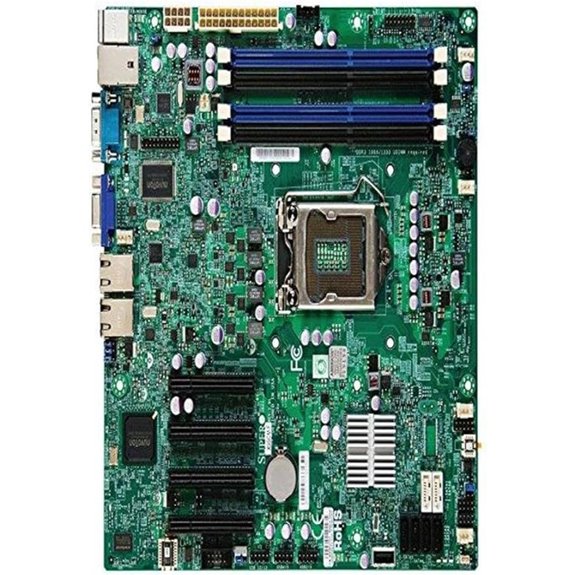 | Legacy Reliability | Processor Socket: LGA 1155 | Memory Type: DDR3 ECC, unbuffered | Number of RAM Slots: 4 | VIEW LATEST PRICE | See Our Full Breakdown |
| SUPERMICRO MBD-X12SCA-5F-O ATX Server Motherboard LGA 1200 Intel W580 | 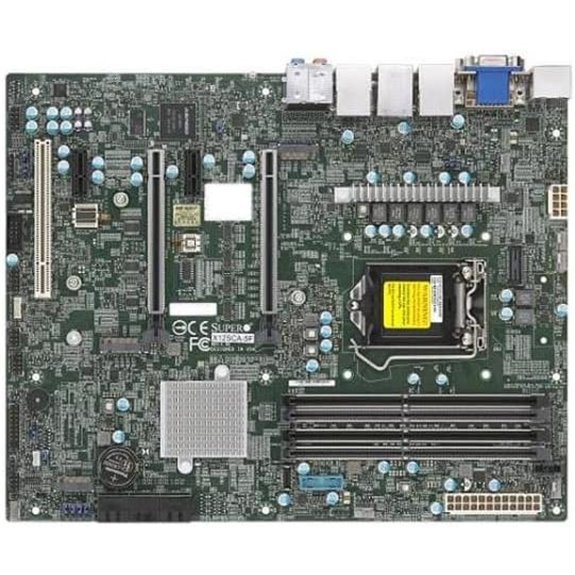 | Versatile Server | Processor Socket: LGA 1200 | Memory Type: DDR4 ECC/non-ECC UDIMM | Number of RAM Slots: 4 | VIEW LATEST PRICE | See Our Full Breakdown |
| Supermicro X11SPI-TF Server Motherboard | 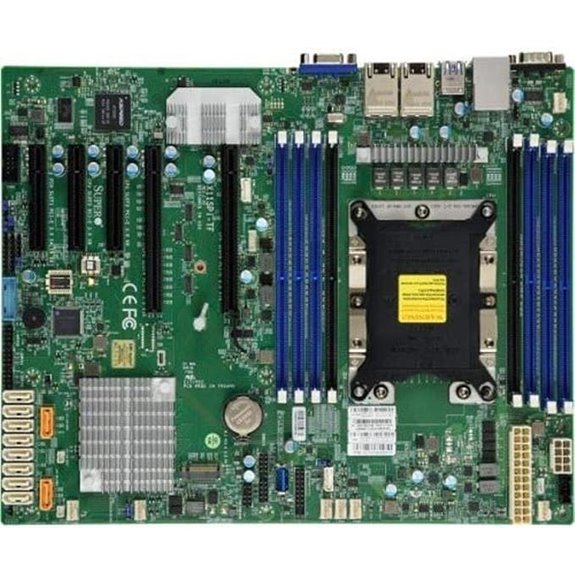 | Data Center Powerhouse | Processor Socket: LGA 3647-1 | Memory Type: DDR4 ECC/Load Reduced | Number of RAM Slots: 8 | VIEW LATEST PRICE | See Our Full Breakdown |
More Details on Our Top Picks
ASUS Pro WS W680-ACE Workstation Motherboard with IPMI
The ASUS Pro WS W680-ACE is an excellent choice for professionals who need reliable remote management and high-performance expandability. It features an Intel LGA 1700 socket compatible with 13th and 12th Gen Intel Core processors, plus DDR5 ECC memory for data integrity. With dual PCIe 5.0 x16 slots, multiple M.2 PCIe 4.0 slots, and extensive connectivity options, it’s built for demanding workloads. The motherboard includes advanced security features, remote management via IPMI, and all-encompassing power and cooling solutions. Whether you’re managing servers or high-end workstations, this motherboard offers stability, security, and future-proof expandability in a single, reliable package.
- Processor Socket:LGA 1700
- Memory Type:DDR5 ECC
- Number of RAM Slots:8
- Network Ports:Dual 2.5Gb Ethernet
- PCIe Slots:2 PCIe 5.0 x16, dual PCIe 3.0
- Remote Management:IPMI with BMC header
- Additional Feature:DDR5 ECC Memory Support
- Additional Feature:Thunderbolt 4 Header
- Additional Feature:BMC Header for Management
Asrock Rack ROMED8-2T/BCM AMD EPYC Server Motherboard
If you’re building a high-performance server that demands extensive expandability, the Asrock Rack ROMED8-2T/BCM AMD EPYC motherboard stands out as an excellent choice. It supports AMD EPYC 7003 series processors with AMD 3D V-Cache Technology and 7002 series CPUs, ensuring top-tier performance. Its ATX form factor offers ample space for multiple components, including 8 DDR4 DIMM slots for flexible memory configurations. With seven PCIe 4.0 x16 slots and two OCuLink ports, expandability is impressive. Dual 10GbE Ethernet ports provide robust networking options. Designed specifically for server applications, this motherboard combines high performance with reliable connectivity.
- Processor Socket:Socket SP3 (LGA 4094)
- Memory Type:DDR4 RDIMM, LRDIMM
- Number of RAM Slots:8
- Network Ports:Dual 10GbE Ethernet
- PCIe Slots:7 PCIe 4.0 x16
- Remote Management:No dedicated IPMI, server management via motherboard features
- Additional Feature:7 PCIe 4.0 x16 Slots
- Additional Feature:Dual 10GbE Ethernet Ports
- Additional Feature:Supports AMD 3D V-Cache
ASUS Pro WS W790 SAGE SE Motherboard
For professionals needing robust remote management and extensive connectivity, the ASUS Pro WS W790 SAGE SE Motherboard stands out as an ideal choice. It supports Intel Xeon W-3400 and W-2400 processors with the LGA 4677 socket, allowing CPU and memory overclocking up to 2TB of ECC DDR5 RAM. With seven PCIe 5.0 x16 slots, dual 10G LAN ports, and multiple storage options—including three M.2 slots and SlimSAS connectors—it offers unmatched expandability. Its server-grade IPMI remote management, monitored via dedicated LAN, enables real-time hardware control. Designed for stability and reliability, it’s perfect for demanding enterprise environments.
- Processor Socket:LGA 4677
- Memory Type:DDR5 ECC R-DIMM
- Number of RAM Slots:Up to 2TB ECC R-DIMM DDR5 (max 8 DIMMs)
- Network Ports:Dual 10G LAN, dedicated IPMI LAN
- PCIe Slots:7 PCIe 5.0/4.0 slots
- Remote Management:IPMI via dedicated LAN port, ASUS Control Center
- Additional Feature:Supports Overclocking
- Additional Feature:8 M.2 Slots
- Additional Feature:Dual 10G LAN Ports
SUPERMICRO LGA 1155 Xeon E3 Micro ATX Motherboard
Designed for small-scale server applications, the SUPERMICRO LGA 1155 Xeon E3 Micro ATX Motherboard stands out with its support for Intel Xeon E3-1200 family processors, making it an excellent choice for those seeking reliable, compact server solutions. It supports Socket 1155 CPUs, including 2nd Gen Intel Core i3 and Pentium processors, with the Intel C204 PCH chipset ensuring steady performance. With four DDR3 DIMM slots supporting up to 32GB of ECC RAM, plus multiple SATA ports for flexible storage, it offers solid expandability. Its four PCI-Express 2.0 slots and integrated graphics make it versatile for various server needs.
- Processor Socket:LGA 1155
- Memory Type:DDR3 ECC, unbuffered
- Number of RAM Slots:4
- Network Ports:Dual Gigabit LAN, IPMI LAN
- PCIe Slots:4 PCIe 2.0/3.0 slots
- Remote Management:IPMI with dedicated LAN port
- Additional Feature:Supports DDR3 ECC Memory
- Additional Feature:SATA RAID Support
- Additional Feature:Integrated VGA Port
SUPERMICRO MBD-X12SCA-5F-O ATX Server Motherboard LGA 1200 Intel W580
The SUPERMICRO MBD-X12SCA-5F-O ATX server motherboard stands out as an excellent choice for high-performance enterprise applications, thanks to its support for the latest Intel W580 chipset and a wide range of compatible processors. It accommodates single socket LGA-1200 CPUs, including 10th and 11th Gen Intel Core, Xeon W-1200, and W-1300 series, with TDP up to 125W. It offers up to 128GB of DDR4-3200MHz memory, ideal for demanding multitasking. The board features high-speed storage options like PCIe 4.0 M.2 and multiple PCIe slots, plus reliable network interfaces, making it versatile for data centers and enterprise environments.
- Processor Socket:LGA 1200
- Memory Type:DDR4 ECC/non-ECC UDIMM
- Number of RAM Slots:4
- Network Ports:Multiple LANs including Intel i225LM, IPMI LAN
- PCIe Slots:2 PCIe 4.0 x16, 2 PCIe 3.0 x4, PCIe x1, PCI slot
- Remote Management:Dedicated LAN for IPMI, management support
- Additional Feature:Supports DDR4-3200MHz
- Additional Feature:2 PCIe 4.0 x16 Slots
- Additional Feature:Dedicated IPMI LAN Port
Supermicro X11SPI-TF Server Motherboard
If you need a reliable server motherboard capable of handling high-performance workloads, the Supermicro X11SPI-TF stands out thanks to its support for Intel Xeon Scalable processors with up to 28 cores and 205W TDP. Designed for enterprise use, it features an ATX form factor, supporting up to 1TB of ECC DDR4 memory at 2933 MHz. It offers extensive expansion options with multiple PCIe 3.0 slots, along with 10 SATA3 ports supporting various RAID levels. Connectivity is robust, including dual 10GBase-T LAN ports, USB, serial, VGA, and remote management via ASPEED BMC. This motherboard combines power, expandability, and reliability for demanding data center applications.
- Processor Socket:LGA 3647-1
- Memory Type:DDR4 ECC/Load Reduced
- Number of RAM Slots:8
- Network Ports:Dual 10GBase-T LAN
- PCIe Slots:2 PCIe 3.0 x16, 2 PCIe 3.0 x8, 1 PCIe 3.0 x4
- Remote Management:ASPEED AST2500 BMC, remote management support
- Additional Feature:10 SATA3 Ports
- Additional Feature:Dual 10GBase-T LAN
- Additional Feature:Remote Management via BMC
Factors to Consider When Choosing an IPMI Server Motherboard

When selecting an IPMI server motherboard, I evaluate compatibility with my processors and the expansion options I require. I also examine remote management features and memory support to guarantee smooth operation. Finally, I review network connectivity options to keep everything connected reliably.
Compatibility With Processors
Choosing an IPMI server motherboard requires careful attention to processor compatibility, as the right match guarantees peak performance and stability. First, verify the motherboard’s CPU socket matches your intended processor model and series. This prevents compatibility issues and ensures proper installation. Next, confirm that the motherboard supports the processor’s maximum TDP to handle power and thermal demands effectively. It’s also essential to confirm the chipset is compatible with your CPU generation and offers features like ECC memory or overclocking if needed. Additionally, check that the BIOS or firmware version supports your specific processor, especially for newer or less common models. Ultimately, consider the number of cores and overall performance requirements to select a motherboard that can handle high-performance server processors when necessary.
Expansion Capabilities Needed
Expansion capabilities are essential in selecting an IPMI server motherboard because they determine how well your system can grow to meet future needs. I look for motherboards with ample PCIe slots, ideally PCIe 4.0 or 5.0, to support multiple expansion cards and peripherals without bottlenecks. High-speed storage is critical, so I check for M.2 slots that accommodate NVMe SSDs, boosting storage performance. Additional connectors like SlimSAS, OCuLink, or U.2 are important for expanding storage options and connecting high-bandwidth devices. I also verify that the motherboard supports multiple network interfaces, such as dual Ethernet ports or dedicated IPMI LAN ports, for better connectivity and remote management. Finally, I consider the number of RAM slots and supported memory types to future-proof my system for upgrades.
Remote Management Features
Remote management features are crucial in selecting an IPMI server motherboard because they enable efficient, secure control over your system from anywhere. These features typically include a dedicated BMC port or LAN interface, allowing remote access even if the server is powered down. With capabilities like remote power cycling, hardware monitoring, and firmware updates, I can keep systems running smoothly without physical presence. Support for remote console access via KVM over IP lets me troubleshoot as if I were physically there, saving time and effort. Security is equally significant; encryption, user authentication, and access controls protect sensitive management interfaces. Compatibility with management software like ASUS Control Center or Supermicro IPMI tools ensures centralized control, making remote management straightforward and reliable.
Memory Support Requirements
When selecting an IPMI server motherboard, I need to make certain it supports the right type and capacity of memory to meet my performance and scalability needs. I look for compatibility with ECC or non-ECC DDR4 or DDR5 modules, depending on my requirements. It’s crucial to verify the number of DIMM slots—whether 4, 8, or more—to ensure I can expand memory as needed. I also check the maximum supported capacity, which can range from 32GB to over 128GB, to future-proof my setup. Additionally, I confirm the supported memory speeds, like DDR4 3200MHz or DDR5 4800MHz, to match my performance expectations. Finally, I make certain the motherboard supports my chosen memory modules, including registered, load-reduced, or NVDIMM-N types if applicable.
Network Connectivity Options
Choosing the right network connectivity options on an IPMI server motherboard is vital for guaranteeing reliable management and high-performance data transfer. Dedicated LAN ports allow for remote management, with some boards offering separate channels for system monitoring and control, boosting security and reliability. Dual or multiple Ethernet ports, including 10GbE or Gigabit LAN, improve network redundancy and enable faster data transfer, which is fundamental for enterprise environments. Support for high-speed interfaces like Thunderbolt 4, USB 3.2, and SlimSAS expands connectivity for peripherals and storage devices, making setup more flexible. Network security features, such as hardware firewalls and port management, safeguard remote access from threats. Compatibility with management protocols like IPMI, iLO, or Redfish ensures seamless integration, simplifying remote management and monitoring.
Thermal and Power Design
A solid thermal and power design is essential for ensuring reliable performance and longevity of an IPMI server motherboard. A robust thermal setup includes heatsinks, VRM cooling, and airflow management to prevent overheating during heavy workloads. High-quality power delivery components like DrMOS, alloy chokes, and capacitors provide stable voltage and reduce thermal stress, supporting consistent operation. Effective cooling solutions not only extend component lifespan but also maintain performance during prolonged use. Fan headers with control software such as Fan Xpert 4 help optimize airflow and noise levels based on thermal needs. Additionally, a well-designed power system with multiple stages and connectors supports overclocking and high TDP processors safely, ensuring your server remains stable and efficient under demanding conditions.
Security and Management Tools
Security and management tools play a critical role in ensuring your IPMI server motherboard remains protected and easy to control. These features enable remote monitoring, troubleshooting, and system management without physical access, which is essential for maintaining uptime. Dedicated LAN ports for out-of-band management let you securely access your server regardless of the primary network’s status. Security options like TPM headers, USB port management, and software blacklisting help prevent unauthorized access and firmware tampering. Advanced IPMI implementations support real-time hardware health monitoring, event logging, and alert notifications, ensuring issues are detected early. Remote management platforms streamline firmware updates, system resets, and diagnostics, reducing downtime and boosting security. Choosing a motherboard with robust security and management tools is fundamental for reliable, secure server operation.
Frequently Asked Questions
How Does IPMI Improve Remote Server Management Capabilities?
IPMI considerably improves remote server management by allowing me to monitor, troubleshoot, and control my servers from anywhere. I can power them on or off, access console outputs, and check hardware health without being physically present. This level of control reduces downtime, streamlines maintenance, and ensures I stay connected to my systems at all times, making managing multiple servers much more efficient and reliable.
What Security Features Are Essential for Ipmi-Enabled Motherboards?
When choosing an IPMI-enabled motherboard, I look for essential security features like robust encryption, multi-factor authentication, and secure firmware updates. These act as guards, protecting my server from unauthorized access just like a sturdy lock safeguards a home. I also prioritize hardware-based security measures, ensuring my data stays safe even if software defenses are compromised. Combining these features gives me peace of mind in managing my server remotely.
Are There Compatibility Issues Between IPMI and Specific Server Hardware?
Yes, I’ve found that compatibility issues can arise between IPMI and certain server hardware, especially with older components or non-standard configurations. Sometimes, firmware mismatches or unsupported hardware can cause problems. To avoid this, I always check the motherboard’s specifications and compatibility lists before purchasing. Ensuring firmware updates are applied and consulting manufacturer documentation helps me prevent potential issues and keep my server running smoothly.
How Does IPMI Impact Server Power Consumption and Energy Efficiency?
Think of IPMI as the heartbeat of a server—steady and essential. It slightly increases power consumption because it runs in the background, but it also boosts energy efficiency by allowing remote management and smart power controls. This means you can monitor, troubleshoot, and optimize your server’s energy use without being physically present, ultimately saving energy and reducing costs while ensuring your server stays healthy and responsive.
Can IPMI Be Integrated With Existing Data Center Management Tools?
Yes, I can integrate IPMI with existing data center management tools. I usually use APIs and standard protocols like SNMP or Redfish to connect IPMI interfaces seamlessly. This allows me to monitor, control, and automate server functions directly from my management platform. Integration simplifies maintenance and improves efficiency, giving me real-time insights and centralized control, which is vital for effective data center operations.
Conclusion
Choosing the right IPMI server motherboard is like picking the perfect steed for a modern-day knight—it’s essential for smooth, reliable operation. Whether you’re into AMD’s powerhouse ROMED8-2T or Supermicro’s robust options, I recommend weighing your specific needs carefully. Remember, even in a world where dragons are long gone, having a solid server setup can feel like wielding a magic sword. Trust me, your future self will thank you for making the right choice today.