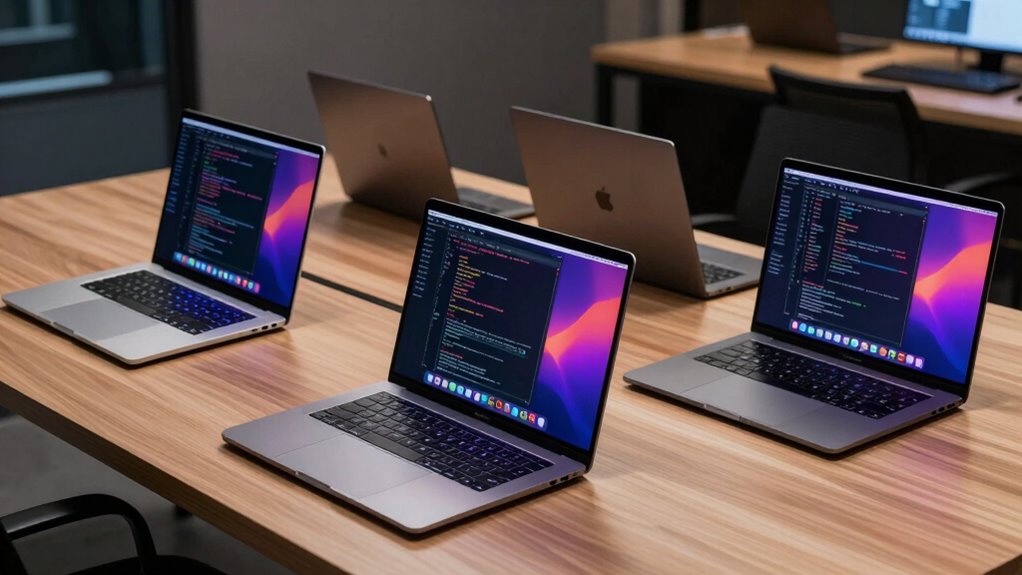

Choosing a laptop for development in the premium category means balancing raw performance, build quality, and future-proof features. The Dell XPS 16 (2025) stands out as the best overall with its powerful Intel Ultra 9 processor and high-resolution display, ideal for intensive coding and multitasking. The Lenovo ThinkPad L16 offers a strong business-oriented option with enterprise security features, while the Dell Pro 16 with 64GB RAM provides exceptional memory capacity for heavy workloads. These choices reflect a common tradeoff: top-tier specs often come at a premium price, but they significantly boost productivity for demanding development tasks. Continue reading to see how these and other options compare across key dimensions.

Get the latest gadgets delivered free with Prime
- Fast, free delivery on millions of items
- Prime Video, Amazon Music and more included
- Member-only deals all year
Complete the kit



Key Takeaways
- High-performance CPUs like Intel Ultra 9 are critical for compiling large codebases quickly.
- Display quality, such as 4K or OLED, enhances long coding sessions by reducing eye strain.
- Memory capacity beyond 32GB is beneficial for virtualization and running multiple IDEs simultaneously.
- Build quality and security features are equally important for professional, portable use.
- Price differences often reflect hardware focus—gaming-grade GPUs vs. enterprise-class durability.
| Dell Premium 16 (XPS 16 2025) Laptop with Intel Core Ultra 9 285H, 1TB SSD, 32GB RAM, NVIDIA RTX 5060, 16.3″ 2K+ FHD 120Hz, Windows 11 PRO |  | Best Overall Performance and Display | Processor: Intel Core Ultra 9 285H (16-Core, up to 5.4GHz) | Graphics: NVIDIA GeForce RTX 5060 8GB GDDR7 | Storage: 1TB SSD | VIEW ON AMAZON | See Our Full Breakdown |
| Dell XPS 14 Premium Laptop with 14.5-inch Touch OLED Display |  | Best for Creative Professionals and Multitaskers | Display: 14.5-inch 3.2K OLED Touch | Processor: Intel Core Ultra 7 255H | Graphics: Intel Arc Graphics | VIEW ON AMAZON | See Our Full Breakdown |
| Dell Premium 16 (XPS 16) High Performance Laptop, 16.3″ 2K, Intel Ultra 7, 32GB RAM, 1TB SSD, NVIDIA GeForce RTX 5050, Windows 11 |  | Best for Demanding Development and Creative Tasks | Display: 16.3 inch 2K IPS, 500-nits, Low Blue Light | Processor: Intel Core Ultra 7 255H (16 cores, up to 5.10GHz) | Graphics: NVIDIA GeForce RTX 5050 8GB GDDR7 | VIEW ON AMAZON | See Our Full Breakdown |
| Lenovo ThinkPad L16 Premium Business Laptop, 16″ FHD+, Intel Core Ultra 7 255U, 32GB DDR5, 1TB SSD, Fingerprint, Backlit, Wi-Fi 6E, Windows 11 Pro |  | Best for Durability and Business-Grade Reliability | Display: 16″ FHD+ (1920×1200) IPS | Processor: Intel Core Ultra 7 255U (12 Cores, up to 5.2GHz) | Memory: 32GB DDR5 | VIEW ON AMAZON | See Our Full Breakdown |
| Lenovo 2026 Premium Business & Student Laptop, 15″ WUXGA Display, 13th Gen Intel Core i5, 16GB RAM, 1TB SSD, Windows 11 |  | Best for Portability and Everyday Use | Display: 15.3″ WUXGA IPS (1920×1200) | Processor: 13th Gen Intel Core i5-13420H | RAM: 16GB DDR5 | VIEW ON AMAZON | See Our Full Breakdown |
| Dell Pro 16 Premium Business Laptop with Intel Core i5, 64GB DDR5 RAM, 4TB SSD |  | Best Overall for Power Users | Display: 16-inch FHD+ (1920 x 1200 pixels) | Brightness: 300 nits | Processor: Intel Core i5 120U (10 cores, 12 threads, up to 5.0 GHz) | VIEW ON AMAZON | See Our Full Breakdown |
| HP 17 inch Business Laptop Computer, 2026 Edition, AMD Ryzen 5, 16GB RAM, 512GB SSD |  | Best Value for General Productivity | Display Size: 17.3 inches | Display Resolution: 1600×900 pixels | Processor: AMD Ryzen 5 | VIEW ON AMAZON | See Our Full Breakdown |
| Dell 16 Plus Touchscreen Laptop with Intel Core Ultra 9, 32GB RAM, 1TB SSD, Wi-Fi 7, Windows 11 Home |  | Best for Content Creation and Productivity | Processor: Intel Core Ultra 9 288V | Display: 16.0-inch FHD+ Touchscreen (1920 x 1200) | RAM: 32GB LPDDR5X | VIEW ON AMAZON | See Our Full Breakdown |
| Dell Pro 16 Premium Business Laptop with 12-Core Ultra 7 Processor |  | Best for High-End Multitasking & Security | Display: 16″ FHD+ (1920 x 1200) IPS | Brightness: 300 nits | Processor: Intel Ultra 7 255U, 12 cores, up to 5.2 GHz | VIEW ON AMAZON | See Our Full Breakdown |
| Dell Premium 16 (XPS 16 2025) Laptop with Intel Core Ultra 9, 1TB SSD, 32GB RAM, NVIDIA RTX 5060, 16.3″ 2K+ Display, Windows 11 PRO | | Best for Creative Developers & Power Users | Processor: Intel Core Ultra 9 285H (16-Core, up to 5.4GHz) | Graphics: NVIDIA RTX 5060 8GB GDDR7 | Display: 16.3-inch 2K+ (1920×1200) 120Hz | VIEW ON AMAZON | See Our Full Breakdown |
| laptops for developers premium | Processor | Storage | Display | RAM |
|---|---|---|---|---|
| Dell Premium 16 | Intel Core Ultra 9 285H (16-Core, up to 5.4GHz) | 1TB SSD | 16.3-inch 2K+ (1920×1200) FHD, 120Hz | 32GB LPDDR5X |
| Dell XPS 14 Premium Laptop wit | Intel Core Ultra 7 255H | 1TB SSD | 14.5-inch 3.2K OLED Touch | — |
| Dell Premium 16 | Intel Core Ultra 7 255H (16 cores, up to 5.10GHz) | 1TB SSD | 16.3 inch 2K IPS, 500-nits, Low Blue Light | 32GB LPDDR5X |
| Lenovo ThinkPad L16 Premium Bu | Intel Core Ultra 7 255U (12 Cores, up to 5.2GHz) | 1TB PCIe NVMe SSD | 16" FHD+ (1920×1200) IPS | — |
| Lenovo 2026 Premium Business & | 13th Gen Intel Core i5-13420H | 1TB PCIe NVMe SSD | 15.3" WUXGA IPS (1920×1200) | 16GB DDR5 |
| Dell Pro 16 Premium Business L | Intel Core i5 120U (10 cores, 12 threads, up to 5.0 GHz) | 4TB SSD | 16-inch FHD+ (1920 x 1200 pixels) | 64GB DDR5 |
| HP 17 inch Business Laptop Com | AMD Ryzen 5 | 512GB SSD | — | 16GB |
| Dell 16 Plus Touchscreen Lapto | Intel Core Ultra 9 288V | 1TB PCIe NVMe SSD | 16.0-inch FHD+ Touchscreen (1920 x 1200) | 32GB LPDDR5X |
| Dell Pro 16 Premium Business L | Intel Ultra 7 255U, 12 cores, up to 5.2 GHz | 1TB SSD | 16" FHD+ (1920 x 1200) IPS | 64GB DDR5 |
| Dell Premium 16 | Intel Core Ultra 9 285H (16-Core, up to 5.4GHz) | 1TB SSD | 16.3-inch 2K+ (1920×1200) 120Hz | 32GB LPDDR5X |
More Details on Our Top Picks
Dell Premium 16 (XPS 16 2025) Laptop with Intel Core Ultra 9 285H, 1TB SSD, 32GB RAM, NVIDIA RTX 5060, 16.3″ 2K+ FHD 120Hz, Windows 11 PRO
This Dell XPS 16 stands out for its blend of raw power and stunning visuals, making it ideal for developers who handle intensive workloads alongside creative tasks. Its Intel Core Ultra 9 processor with 16 cores delivers exceptional multitasking ability, surpassing the Ultra 7 in raw speed. The 16.3-inch 2K+ display with 120Hz refresh rate offers crisp visuals and fluid interactions, perfect for coding, debugging, and multimedia editing. The NVIDIA RTX 5060 graphics ensures smooth rendering for GPU-accelerated tasks, unlike less gaming-focused options. Connectivity includes Thunderbolt 4 ports, supporting multiple high-speed peripherals. The main tradeoff is its premium price and weight, which make it less portable than smaller laptops. Battery life remains unspecified, so heavy use may require frequent charging. Overall, this makes the most sense for developers needing top-tier specs in a portable form factor, willing to invest in a versatile machine.
Pros:- Exceptional multi-core processor with turbo speeds up to 5.4GHz
- Vivid 16.3-inch 2K+ display with 120Hz refresh rate
- Strong GPU performance with NVIDIA RTX 5060
Cons:- High price point may be prohibitive for some users
- Heavy and large for frequent portability
Best for: Developers who require high processing power, excellent display quality, and expandability for demanding workloads.
Not ideal for: Travel-heavy users or those prioritizing ultra-lightweight portability and battery longevity over raw power.
- Processor:Intel Core Ultra 9 285H (16-Core, up to 5.4GHz)
- Graphics:NVIDIA GeForce RTX 5060 8GB GDDR7
- Storage:1TB SSD
- RAM:32GB LPDDR5X
- Display:16.3-inch 2K+ (1920×1200) FHD, 120Hz
- Battery:6-Cell 99Whr
Our verdict“This machine is best suited for developers who want a powerful, all-around premium laptop with excellent display quality.”
Dell XPS 14 Premium Laptop with 14.5-inch Touch OLED Display
The Dell XPS 14 Premium distinguishes itself with its stunning 14.5-inch 3.2K OLED touch display that offers vibrant colors and deep blacks, making it ideal for creative professionals. Its Intel Core Ultra 7 processor provides ample power for multitasking and media editing, though it doesn’t surpass the Ultra 9 in core count. The lightweight, durable aluminum and Gorilla Glass 3 design makes it more portable than larger options like the XPS 16, perfect for on-the-go development. The inclusion of Windows Copilot AI enhances productivity with smarter assistance. Its main tradeoff is the potential for high cost given the premium specs, and the battery life is not specified, which could be a concern for all-day use. Compared to the Dell Premium 16, this model emphasizes display quality and portability over raw GPU power. It’s best for developers who prioritize stunning visuals and mobility.
Pros:- Vivid 3.2K OLED touch display with 120Hz refresh rate
- Compact, lightweight build with durable materials
- Powerful Intel Ultra 7 processor for demanding creative tasks
Cons:- Potentially high cost for premium features
- Battery life details are not specified
Best for: Creative developers and multitaskers needing a vibrant display and lightweight design.
Not ideal for: Developers requiring high-end GPU power or extended battery life for long work sessions.
- Display:14.5-inch 3.2K OLED Touch
- Processor:Intel Core Ultra 7 255H
- Graphics:Intel Arc Graphics
- Memory:32GB RAM
- Storage:1TB SSD
- Refresh Rate:up to 120Hz
Our verdict“This laptop suits developers who prioritize display quality and portability for creative and multitasking workflows.”
Dell Premium 16 (XPS 16) High Performance Laptop, 16.3″ 2K, Intel Ultra 7, 32GB RAM, 1TB SSD, NVIDIA GeForce RTX 5050, Windows 11
This Dell XPS 16 offers a balanced mix of power and display quality, making it suitable for developers who work with graphics, video, or computational tasks. Its 16.3-inch 2K IPS display with high brightness and low blue light technology enhances comfort during long sessions. The Intel Ultra 7 processor with 16 cores provides impressive multitasking ability, although it lags slightly behind the Ultra 9 in core count. The NVIDIA RTX 5050 GPU supports GPU-accelerated workflows but isn’t as powerful as the RTX 5060. The machine’s fast 1TB SSD and 32GB RAM make it capable of handling large files and demanding apps. The lack of touch support and unspecified battery life are minor tradeoffs. Compared to the Ultra 9 model, this offers slightly less GPU power but remains a robust choice for intensive tasks. It targets developers balancing graphics and productivity.
Pros:- Bright, high-resolution 2K display with low blue light
- Powerful 16-core Ultra 7 processor
- Fast 1TB SSD and 32GB RAM support demanding workflows
Cons:- Slightly less GPU performance than RTX 5060 options
- No touch capability on the display
Best for: Developers needing a high-performance display with good GPU support for creative or computational workloads.
Not ideal for: Those who require a touchscreen or maximum GPU power for gaming or GPU-accelerated AI workloads.
- Display:16.3 inch 2K IPS, 500-nits, Low Blue Light
- Processor:Intel Core Ultra 7 255H (16 cores, up to 5.10GHz)
- Graphics:NVIDIA GeForce RTX 5050 8GB GDDR7
- Storage:1TB SSD
- RAM:32GB LPDDR5X
- Battery:6-Cell, 99.5 WHr
Our verdict“This model is best for developers who need a high-quality display and strong processing power for demanding creative tasks.”
Lenovo ThinkPad L16 Premium Business Laptop, 16″ FHD+, Intel Core Ultra 7 255U, 32GB DDR5, 1TB SSD, Fingerprint, Backlit, Wi-Fi 6E, Windows 11 Pro
The Lenovo ThinkPad L16 excels in durability and enterprise features, making it the prime choice for developers needing a robust, reliable machine. Its 16-inch FHD+ IPS display offers clear visuals suitable for extended coding sessions, though it doesn’t match the ultra-high resolution of OLED or 2K panels. The Intel Ultra 7 255U processor with 12 cores provides solid multitasking performance, especially with 32GB DDR5 RAM supporting heavy workloads. Its security features like a fingerprint reader, combined with MIL-STD-810H testing, make it durable under demanding conditions. Connectivity is comprehensive, including Thunderbolt 4, Wi-Fi 6E, and Ethernet. The main tradeoff is its weight and bulk, which could hinder portability, along with a lack of detailed battery life metrics. Compared to consumer-focused models, this is tailored toward professionals who value durability and security.
Pros:- Durable MIL-STD-810H tested build
- Robust connectivity options including Thunderbolt 4 and Wi-Fi 6E
- Ample 32GB DDR5 RAM for multitasking
Cons:- Heavy and less portable for frequent travel
- Display lacks high resolution or touch capability
Best for: Business-oriented developers who need a durable laptop with enterprise-grade security and connectivity.
Not ideal for: Developers prioritizing ultra-lightweight portability or high-refresh-rate displays for multimedia editing.
- Display:16″ FHD+ (1920×1200) IPS
- Processor:Intel Core Ultra 7 255U (12 Cores, up to 5.2GHz)
- Memory:32GB DDR5
- Storage:1TB PCIe NVMe SSD
- Connectivity:Wi-Fi 6E, Bluetooth, Thunderbolt 4, Ethernet
- Security:Fingerprint reader
Our verdict“This laptop is geared toward developers who need a durable, secure, and enterprise-ready device for demanding professional environments.”
Lenovo 2026 Premium Business & Student Laptop, 15″ WUXGA Display, 13th Gen Intel Core i5, 16GB RAM, 1TB SSD, Windows 11
The Lenovo 2026 offers a balanced combination of performance and portability, making it suitable for developers who need a reliable machine for everyday tasks and remote work. Its 15.3-inch WUXGA IPS display provides ample vertical space and clarity for coding and multitasking, while maintaining a lightweight profile at just over 3.5 pounds. The 13th Gen Intel Core i5 processor with 16GB DDR5 RAM supports smooth multitasking, though it may lag behind ultra-premium Core i7 or Ultra 9 configurations for heavy computational workloads. The 1TB SSD ensures quick storage access, and modern connectivity options keep it relevant for various peripherals. The device’s MIL-STD-810H certification emphasizes durability, but it lacks dedicated GPU options for high-end graphics tasks. It’s perfect for developers seeking a portable, durable device for daily coding and remote work, with a modest budget in mind.
Pros:- Lightweight and durable design with MIL-STD-810H testing
- Bright, clear 15.3-inch WUXGA display
- Efficient 13th Gen Intel Core i5 processor with 16GB RAM
Cons:- No dedicated GPU for high-end graphics or gaming
- Larger size may be less portable than ultra-lightweight models
Best for: Developers needing a portable, reliable, and durable machine for coding and remote work.
Not ideal for: Power users requiring high-end GPU acceleration or ultra-fast processing for demanding creative tasks.
- Display:15.3″ WUXGA IPS (1920×1200)
- Processor:13th Gen Intel Core i5-13420H
- RAM:16GB DDR5
- Storage:1TB PCIe NVMe SSD
- Weight:3.51 lbs
- Connectivity:WiFi 6, Bluetooth 5.2, USB-C, HDMI
Our verdict“This laptop is best suited for developers who prioritize portability, durability, and everyday reliability over raw power.”
Dell Pro 16 Premium Business Laptop with Intel Core i5, 64GB DDR5 RAM, 4TB SSD
This Dell Pro 16 combines a high-performance Intel Core i5 with an enormous 64GB DDR5 RAM, making it an excellent choice for developers who run multiple virtual machines or large datasets simultaneously. Compared to the Dell 16 Plus with the newer Ultra 9 processor, this model sacrifices some cutting-edge AI features but offers more RAM, which is often more critical for heavy multitasking. The 4TB SSD provides ample storage for large projects, but its high power consumption might impact battery life, and the absence of a dedicated GPU could limit GPU-accelerated tasks. The 16-inch FHD+ display remains vibrant, supporting long coding sessions. This pick is ideal for developers needing raw power and storage, but not for those prioritizing portability or gaming performance.
Pros:- Massive 64GB DDR5 RAM enables seamless multitasking
- Vivid 16-inch display with high brightness for long hours
- Large 4TB SSD offers ample storage for huge projects
- Powerful Intel Core i5 processor handles demanding workloads
Cons:- Higher power draw may reduce battery life
- Open seal for upgrade may affect warranty perceptions
- Lacks dedicated GPU for graphics-intensive work
Best for: Developers working with large datasets, virtual machines, or extensive local storage needs.
Not ideal for: Travelers seeking lightweight laptops or developers needing dedicated GPU for GPU-accelerated tasks.
- Display:16-inch FHD+ (1920 x 1200 pixels)
- Brightness:300 nits
- Processor:Intel Core i5 120U (10 cores, 12 threads, up to 5.0 GHz)
- RAM:64GB DDR5
- Storage:4TB SSD
- Operating System:Windows 11 Pro
Our verdict“This laptop suits developers who prioritize maximum RAM and storage over portability or gaming capabilities.”
HP 17 inch Business Laptop Computer, 2026 Edition, AMD Ryzen 5, 16GB RAM, 512GB SSD
The HP 17.3-inch offers a large, full HD anti-glare display combined with a capable AMD Ryzen 5 processor, making it suitable for developers who need a spacious screen for multitasking and code review. Compared with the Dell Pro 16’s high-end specifications, this model trades some raw power for a more affordable price point, but it still offers smooth performance with 16GB RAM and a fast 512GB SSD. Its weight and size, however, make it less portable, and the resolution maxes out at 1920×1080, which might be limiting for detailed UI design or graphics work. This is best suited for developers who need a large screen and decent power but don’t require high-end graphics or portability.
Pros:- Large 17.3-inch full HD display ideal for multitasking
- Powerful AMD Ryzen 5 processor with 16GB RAM
- Preloaded with Windows 11 and Office 365 for Web
- Long battery life with fast charging
Cons:- Maximum resolution limited to 1920×1080
- Potentially heavy and less portable
- Limited graphics performance for intensive tasks
Best for: Developers seeking a large display for multitasking at a budget-friendly price.
Not ideal for: Travel-heavy developers or those working on graphics-intensive projects requiring a dedicated GPU.
- Display Size:17.3 inches
- Display Resolution:1600×900 pixels
- Processor:AMD Ryzen 5
- RAM:16GB
- Storage:512GB SSD
- Operating System:Windows 11
Our verdict“This laptop provides a spacious screen and solid performance for developers prioritizing productivity over portability or high-end graphics.”
Dell 16 Plus Touchscreen Laptop with Intel Core Ultra 9, 32GB RAM, 1TB SSD, Wi-Fi 7, Windows 11 Home
This Dell 16 Plus stands out with its Intel Core Ultra 9 processor and 32GB RAM, making it a strong contender for developers involved in content creation or multitasking-intensive workflows. The 16-inch FHD+ touchscreen with a 16:10 aspect ratio offers a more productive workspace compared to traditional screens. The inclusion of Wi-Fi 7 and Thunderbolt 4 adds future-proof connectivity, surpassing the Dell Pro 16’s WiFi 6E setup. However, its lightweight build might compromise some durability, and the premium features come at a higher price. This model is ideal for developers who need a versatile, high-performance machine with excellent connectivity and a touchscreen for creative tasks.
Pros:- Powerful Intel Core Ultra 9 with AI capabilities
- Large 16-inch high-resolution touchscreen display
- Ample 32GB RAM and 1TB SSD for fast, smooth operation
- Advanced Wi-Fi 7 and Thunderbolt 4 ports for future-proof connectivity
Cons:- Lightweight design may impact durability
- Premium features increase cost
- Battery life details are not specified
Best for: Developers engaged in content creation, UI design, or multitasking-heavy workflows requiring advanced connectivity.
Not ideal for: Travelers needing ruggedized or ultra-lightweight devices, or those on a strict budget.
- Processor:Intel Core Ultra 9 288V
- Display:16.0-inch FHD+ Touchscreen (1920 x 1200)
- RAM:32GB LPDDR5X
- Storage:1TB PCIe NVMe SSD
- Wireless:Wi-Fi 7 (2×2/160)
Our verdict“This laptop is well-suited for developers who need a high-performance, versatile machine with excellent connectivity features for demanding workflows.”
Dell Pro 16 Premium Business Laptop with 12-Core Ultra 7 Processor
This Dell Pro 16 with a 12-core Ultra 7 processor excels at demanding multitasking, surpassing even the Ultra 9 in core count for CPU-intensive work. Its 64GB DDR5 RAM and 1TB SSD ensure fast data handling, ideal for developers running complex simulations or compiling large codebases. The 16-inch display offers high brightness and good color accuracy, while the enterprise-grade security features, including a fingerprint reader, make it suitable for high-security environments. The heavier weight over 4 pounds and only 8 hours of battery life may limit portability. This model is perfect for developers needing top-tier processing power combined with security, but less so for those constantly mobile or seeking lighter machines.
Pros:- 12-core Ultra 7 processor handles demanding workloads
- 64GB RAM and 1TB SSD for rapid multitasking
- High brightness display with excellent color accuracy
- Security features like fingerprint reader for enterprise use
Cons:- Heavier weight reduces portability
- Battery life up to 8 hours, which may vary with heavy use
- Premium features come at a higher cost
Best for: Developers in secure enterprise environments or working on CPU-heavy tasks requiring maximum processing cores.
Not ideal for: Travelers or developers seeking ultra-light portability or gaming-focused hardware.
- Display:16″ FHD+ (1920 x 1200) IPS
- Brightness:300 nits
- Processor:Intel Ultra 7 255U, 12 cores, up to 5.2 GHz
- RAM:64GB DDR5
- Storage:1TB SSD
- Operating System:Windows 11 Pro
Our verdict“This laptop is best for developers who need maximum CPU power and security features, and can accommodate a heavier device for their workflow.”
Dell Premium 16 (XPS 16 2025) Laptop with Intel Core Ultra 9, 1TB SSD, 32GB RAM, NVIDIA RTX 5060, 16.3″ 2K+ Display, Windows 11 PRO
The Dell XPS 16 2025 offers a blend of high-end performance and stunning visuals, featuring an Intel Core Ultra 9 and NVIDIA RTX 5060 graphics — ideal for developers involved in graphics-intensive tasks like 3D modeling or gaming development. Its 16.3-inch 2K+ display with a 120Hz refresh rate provides crisp visuals with vibrant colors, surpassing the Dell 16 Plus for creative clarity. The 32GB RAM and 1TB SSD ensure smooth multitasking, though its premium build and high price tag might be restrictive for budget-conscious users. The device’s weight and battery life could be limiting for mobile workflows. This machine makes the most sense for developers who need top-tier graphics and display quality, and are willing to invest accordingly.
Pros:- Powerful Intel Ultra 9 CPU with 16 cores
- NVIDIA RTX 5060 GPU perfect for graphics-intensive workflows
- Bright 2K+ display with 120Hz refresh rate
- High RAM and SSD capacity for multitasking and large files
Cons:- Premium price point limits accessibility
- Heavier and less portable for mobile use
- Battery life may not match lighter ultrabooks
Best for: Creative developers engaged in graphics, game development, or multimedia content creation.
Not ideal for: Developers prioritizing portability or working on CPU-heavy, non-graphics tasks without a need for high-end GPU.
- Processor:Intel Core Ultra 9 285H (16-Core, up to 5.4GHz)
- Graphics:NVIDIA RTX 5060 8GB GDDR7
- Display:16.3-inch 2K+ (1920×1200) 120Hz
- RAM:32GB LPDDR5X
- Storage:1TB SSD
- Operating System:Windows 11 PRO
Our verdict“This laptop is tailored for developers who require high-end graphics and display quality for creative and demanding workflows, accepting portability tradeoffs.”

How We Picked
We selected these laptops based on their ability to meet the demanding needs of professional developers who require top-tier performance, reliable build quality, and future-proof features. Our evaluation criteria included processor power, RAM capacity, display quality, graphics performance, portability, and overall value. We prioritized models that combine high-end components with durability and usability for daily development tasks. The ranking reflects a balance between raw specs and practical considerations like thermal management and software compatibility, ensuring the top picks serve a range of developer needs from intensive coding to mobile productivity.Factors to Consider When Choosing Laptops For Developers Premium
When choosing a premium laptop for development, it’s essential to consider factors that impact both performance and daily usability. Not all high-spec machines are equally suited for coding, so understanding key features helps avoid costly mismatches and future frustrations.Processor Power and Core Count
The processor is the heart of a development laptop. High-performance CPUs like Intel Ultra 9 or AMD Ryzen 7/9 are critical for compiling large projects and running resource-intensive tools. For most professional development, a multi-core processor enhances multitasking and reduces wait times, but it can also increase cost and power consumption. Striking a balance between raw power and battery life is key, especially if mobility is important.
Memory and Storage
Developers benefit from at least 32GB of RAM, especially when running virtual machines, containers, or multiple IDEs simultaneously. SSD storage accelerates file access and project loading, with 1TB or more recommended for large projects. Be cautious about sacrificing RAM for cheaper storage options, as insufficient memory hampers productivity more than slower drives. Future upgradeability can also be a plus, but many premium models lock in their configurations.
Display Quality and Size
A crisp, color-accurate display reduces eye strain during long coding sessions. OLED and 4K screens stand out for clarity, while higher refresh rates (120Hz or more) provide smoother interactions, especially when scrolling or navigating interfaces. The ideal size varies: 14-15 inches offers portability, but larger screens like 16 inches enhance multitasking and code readability—an important consideration for intensive development workflows.
Graphics and Connectivity
While integrated graphics suffice for most coding tasks, dedicated GPUs like NVIDIA RTX 5050 or 5060 significantly speed up graphics-intensive workflows, such as game development or machine learning. Connectivity options like Thunderbolt 4, Wi-Fi 6E/7, and multiple USB-C ports improve workflow flexibility. Also, consider security features such as fingerprint scanners or hardware encryption for protecting sensitive code and data.
Build Quality and Portability
A premium laptop must withstand daily travel and frequent handling. Metal chassis, durable hinges, and quality keyboards matter for long-term reliability. Portability depends on weight and battery life—developers often prefer lighter models with all-day battery endurance, but these may compromise on some ports or performance. Prioritize models with good thermal management to prevent overheating during extended coding sessions.
Frequently Asked Questions
Is a dedicated GPU necessary for development work?
For most development tasks, integrated graphics are sufficient, especially for coding, web development, and app design. However, if your work involves game development, 3D modeling, or machine learning, a dedicated GPU like NVIDIA RTX 5050 or 5060 can significantly speed up rendering and training processes. Choosing a GPU also influences overall cost and power consumption, so consider your specific workflows before opting for high-end graphics.
Should I prioritize a larger display or portability?
This depends on your typical work environment. Larger displays, like 16-inch screens, improve readability and multitasking, but they add weight and reduce portability. If you often work on the go, a 14-15 inch model offers a good balance of screen real estate and mobility. For stationary setups, a larger screen can boost productivity and reduce eye strain during long sessions.
How important is build quality for a premium development laptop?
Build quality directly impacts durability and long-term usability. Premium materials like aluminum or magnesium shells withstand daily wear and tear better than plastic counterparts. A sturdy chassis, quality keyboard, and reliable hinges make a difference over years of frequent travel and extended use. Investing in a well-built model minimizes the risk of hardware failure and maintenance costs.
Are higher refresh rates beneficial for coding?
Higher refresh rates, such as 120Hz or more, provide smoother scrolling and interface interactions, which can reduce eye fatigue. While they do not directly improve coding speed, they enhance the overall user experience during long sessions. If your workflow involves a lot of UI navigation or visual design, a high-refresh-rate display adds value. For purely code-focused tasks, standard 60Hz screens still perform adequately.
Is it worth paying extra for enterprise security features?
For developers working with sensitive data or in corporate environments, security features like fingerprint readers, hardware encryption, or TPM modules justify the additional cost. These features help protect your code and client information from theft or unauthorized access. If your work involves confidential projects, investing in a security-enhanced premium laptop can save headaches and potential data breaches later.
Conclusion
For general high-end development needs, the Dell XPS 16 (2025) offers a powerful blend of performance, display quality, and build durability, making it the best overall pick. Developers seeking maximum value without sacrificing core performance should consider the Lenovo ThinkPad L16 for its security features and robust design. Those requiring the absolute top-tier specs and future-proofing will find the Dell Premium 16 (XPS 16) with ultra-high-end processors and graphics ideal. Beginners or casual developers can opt for more modest configurations, but serious professionals should prioritize models with high RAM, fast processors, and excellent displays to future-proof their investment. Ultimately, your choice depends on your specific workload, portability needs, and budget, but these options cover the spectrum for premium development in 2026.
As an affiliate, we earn on qualifying purchases.Halloween Picks
halloween