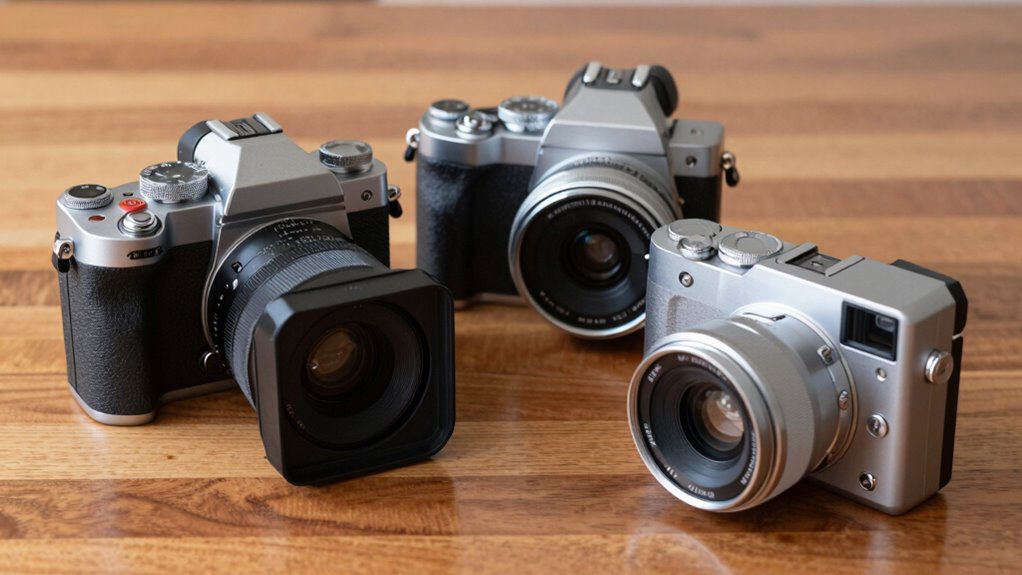

In 2026, the top medium format cameras I recommend are the Fujifilm GFX100RF in silver and black, both offering stunning 102 MP sensors and versatile designs, perfect for high-res shooting. The Fujifilm GFX100S II also stands out with its advanced CMOS II sensor and impressive autofocus features. These models deliver unmatched image quality and performance for any professional or enthusiast. Stay with me to discover more about what makes these cameras exceptional.
Key Takeaways
- The Fujifilm GFX100RF and GFX100S II offer top-tier 102 MP sensors with advanced image quality and compact, lightweight design.
- These models feature high-precision autofocus, including face and eye detection, ensuring sharp portraits and dynamic scenes.
- They support professional video capabilities, including 4K/30p (or higher) recording with high-resolution image stabilization.
- Their modern rangefinder-style bodies combine classic handling with cutting-edge tech, optimizing portability and performance.
- The latest models provide versatile lenses and digital teleconverters for exceptional detail and framing flexibility.
| Fujifilm GFX100RF Medium Format Camera – Silver | 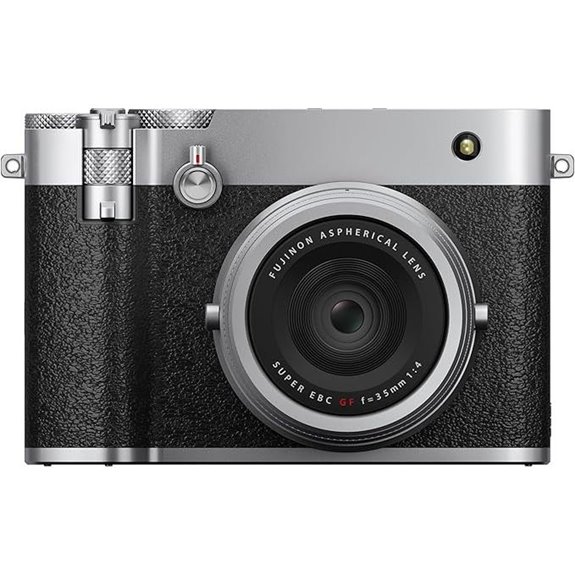 | Compact Professional | Sensor Resolution: 102 MP | Viewfinder: 3.15-inch LCD display | Connectivity: Bluetooth, Wi-Fi, HDMI | VIEW LATEST PRICE | See Our Full Breakdown |
| Fujifilm GFX100S II Body Mirrorless Medium Format Camera Body | 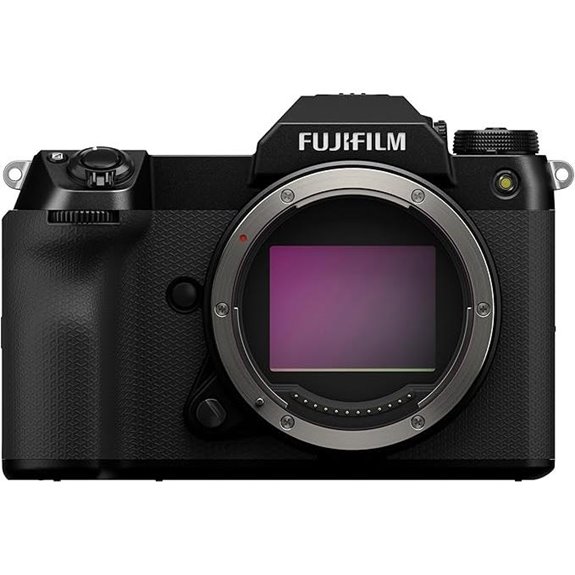 | Advanced Hybrid | Sensor Resolution: 102 MP | Viewfinder: 5.76 million dot EVF | Connectivity: Not specified | VIEW LATEST PRICE | See Our Full Breakdown |
| Fujifilm GFX100RF Medium Format Camera – Black | 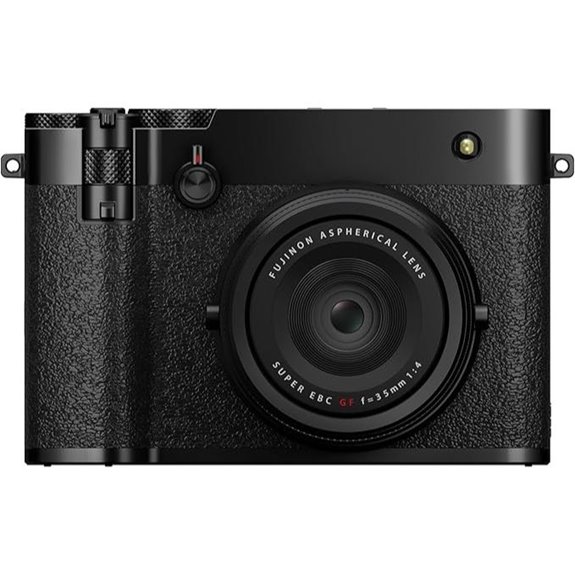 | Classic Versatility | Sensor Resolution: 102 MP | Viewfinder: Not specified (design-focused, likely optical or digital) | Connectivity: Not specified | VIEW LATEST PRICE | See Our Full Breakdown |
More Details on Our Top Picks
-
B0D42D58FQ
Amazon Product B0D42D58FQ
As an affiliate, we earn on qualifying purchases.
Fujifilm GFX100RF Medium Format Camera – Silver
If you’re looking for a compact yet high-resolution medium format camera in 2026, the Fujifilm GFX100RF in silver is an excellent choice. Its classic rangefinder style combines a sleek, lightweight design—just 735 grams—with a tactile, premium finish. Measuring 9.1 inches tall, it easily fits in a pocket for everyday carry. The camera features a 102 MP CMOS sensor, delivering stunning detail and vibrant colors. Equipped with a fixed 35mm wide-angle lens and digital teleconverter, it offers versatility for various shooting scenarios. Despite lacking water resistance and built-in flash, its advanced image quality makes it perfect for professional and enthusiast photographers alike.
- Sensor Resolution:102 MP
- Viewfinder:3.15-inch LCD display
- Connectivity:Bluetooth, Wi-Fi, HDMI
- Video Recording:4K at 30 FPS, 8K video
- Stabilization:Sensor-shift stabilization (not built-in optical/digital)
- Lens Mount/Compatibility:Fujifilm G Mount, fixed 35mm lens
- Additional Feature:Fixed 35mm wide-angle lens
- Additional Feature:102 MP CMOS sensor
- Additional Feature:Internal ND filter
-
B0F1DGHTR5
Amazon Product B0F1DGHTR5
As an affiliate, we earn on qualifying purchases.
Fujifilm GFX100S II Body Mirrorless Medium Format Camera Body
The Fujifilm GFX100S II stands out as an ideal choice for professional photographers and videographers who demand high-resolution images in a compact, lightweight package. Weighing just 883 grams, its ergonomic design offers portability without sacrificing performance. The camera features a 102-megapixel CMOS II sensor paired with the X-Processor 5, delivering stunning detail and fast processing. Its high-resolution EVF and advanced autofocus, including face and eye detection, ensure sharp images even in challenging conditions. With up to 8 stops of in-body stabilization and 4K/30p video recording, the GFX100S II combines versatility and power, making it a top-tier medium format option in 2026.
- Sensor Resolution:102 MP
- Viewfinder:5.76 million dot EVF
- Connectivity:Not specified
- Video Recording:4K/30p, ProRes, Blackmagic RAW
- Stabilization:In-body stabilization (up to 8 stops)
- Lens Mount/Compatibility:Interchangeable with Fujinon GF lenses
- Additional Feature:Newly developed CMOS II sensor
- Additional Feature:AI-assisted autofocus system
- Additional Feature:In-body image stabilization (8 stops)
Fujifilm GFX100RF Medium Format Camera – Black
Looking for a medium format camera that combines exceptional image quality with portability? The Fujifilm GFX100RF in black delivers just that. Its compact, rangefinder-style design offers a classic handling experience, making it comfortable to shoot with all day. The 102-megapixel sensor captures stunning, high-resolution images, while the 20 Film Simulation modes add creative options for film-inspired looks. The fixed 35mm lens is optically outstanding, and the digital teleconverter provides versatile framing. Plus, a new Aspect Ratio dial allows quick access to different compositional formats. It’s a perfect blend of power, portability, and intuitive control.
- Sensor Resolution:102 MP
- Viewfinder:Not specified (design-focused, likely optical or digital)
- Connectivity:Not specified
- Video Recording:4K/30p
- Stabilization:Not specified
- Lens Mount/Compatibility:Fixed 35mm lens
- Additional Feature:Classic rangefinder styling
- Additional Feature:20 Film Simulation modes
- Additional Feature:Silver color option
Factors to Consider When Choosing Medium Format Cameras

When selecting a medium format camera, I focus on image quality capabilities and how well it meets my needs. I also consider portability, autofocus performance, and whether it offers the video features I want. Finally, I keep an eye on my budget to find the best value for the features that matter most.
Image Quality Capabilities
Choosing a medium format camera hinges largely on its image quality capabilities, which are influenced by several key factors. Larger sensors than full-frame models deliver exceptional resolution and detail, making them perfect for large prints and professional editing. High megapixel counts, like 102 MP, enable capturing intricate textures and fine details. Sensor technology, including CMOS sensors and advanced processing units, plays a crucial role in reducing noise, enhancing dynamic range, and improving overall image fidelity. The ability to support various film simulation modes and color profiles adds artistic flexibility, allowing for different aesthetic effects. Additionally, high-quality lenses and digital teleconverters sharpen images and expand framing options. All these elements combine to ensure the highest image quality, making medium format cameras ideal for demanding professionals.
Portability and Size
Have you ever wondered how portability affects your choice of a medium format camera? It’s a key factor, since traditional models tend to be larger and heavier than full-frame or APS-C options, which can make them less convenient for everyday use. However, modern medium format cameras are becoming more compact and lightweight, thanks to innovative design and materials. Some models even feature ergonomic, pocketable bodies that don’t compromise image quality. That said, added features like electronic viewfinders and built-in stabilization can increase size and weight. Balancing these factors is essential—if you need portability for on-the-go shooting, look for models that prioritize size without sacrificing performance. The right choice depends on your specific needs and how much you value mobility versus features.
Autofocus Performance
Autofocus performance is a crucial factor to contemplate because it directly impacts the speed, accuracy, and reliability of your camera’s focus, especially in dynamic shooting scenarios. In medium format cameras, this involves evaluating how quickly and precisely the system can lock onto subjects, even in challenging conditions. Hybrid autofocus systems that combine phase detection and contrast detection provide better focus accuracy and faster acquisition. Features like face and eye detection are essential for portrait work, ensuring sharp focus on subjects’ eyes. Low-light autofocus, rated by EV sensitivity, determines how well the camera maintains focus in dim conditions. Additionally, the number and placement of autofocus points influence your ability to focus correctly across various scene compositions, making this a essential consideration for versatile shooting.
Video Recording Features
When selecting a medium format camera for video, it’s vital to assess its recording capabilities to guarantee they meet your creative needs. Many models support 4K or higher resolution, with some offering 8K video for ultra-detailed footage. Features like 10-bit color depth and support for ProRes or Blackmagic RAW formats ensure rich color and flexibility in post-production. High frame rate options, such as 30p or 60p, are essential for smooth motion. In-body image stabilization (IBIS) helps produce steady handheld shots, though not all models include this feature. External connectivity options like HDMI output and professional video codecs offer added workflow versatility. Keep in mind that some cameras lack stabilization or high frame rate support, which could impact your filming experience.
Budget and Value
Choosing a medium format camera involves balancing your budget with the features that matter most to your work. These cameras are typically more expensive due to their advanced sensors and larger image sizes, so it’s important to take into account your financial limits carefully. I recommend evaluating the overall value by comparing key features like sensor resolution, autofocus, and stabilization against the price. Sometimes, investing in a higher-priced model pays off with better durability, faster processing, and extra functionalities that justify the cost. Look for models offering a good balance between cost and image quality, especially if you’ll use the camera professionally or frequently. Also, consider long-term benefits like warranty, customer support, and upgrade options to ensure your investment aligns with the value you’ll get.
Frequently Asked Questions
How Does Medium Format Compare to Full-Frame in Image Quality?
Medium format cameras generally offer superior image quality compared to full-frame models. I find that they capture more detail, have better dynamic range, and produce richer colors, thanks to larger sensors. This means my photos look sharper and more vibrant, especially in studio or landscape settings. While full-frame cameras are versatile and faster, medium format excels in producing high-resolution images with exceptional clarity, making them ideal for professional printing and large-scale projects.
What Are the Best Lenses Available for These Medium Format Cameras?
You won’t believe the incredible lenses available for these medium format cameras! I swear, they’re like having a magic wand for stunning images. The Hasselblad XCD and Fujifilm GF lenses are top-tier, offering sharpness, beautiful bokeh, and superb color rendition. Zeiss offers excellent options too, with their high-quality lenses that elevate any shot. Honestly, investing in these lenses guarantees breathtaking results every time you shoot.
How Do Medium Format Cameras Perform in Low Light Conditions?
Medium format cameras perform exceptionally well in low light, thanks to their larger sensors that gather more light. I’ve noticed they produce cleaner images with less noise even at higher ISO settings. The advanced sensors and wide apertures help me capture sharp, detailed shots in dim conditions. While they might be bulkier, their superb low-light capabilities make them my go-to choice for night photography or indoor shoots.
What Are the Storage and Battery Life Considerations?
Storage and battery life are vital when using medium format cameras. I always carry extra batteries because they tend to drain faster due to high-resolution sensors and advanced features. For storage, I rely on fast, high-capacity SD or CFexpress cards to handle large image files. Keeping spare cards on hand guarantees I won’t run out of space during shoots. Proper planning on power and storage helps me focus on capturing great images without worries.
Are Medium Format Cameras Suitable for Video Production?
While medium format cameras excel in still photography, they’re not typically tailored for video production. I find they can handle some video work, but their design prioritizes image quality over features like high frame rates or cinematic tools. If you’re serious about video, I’d suggest specialized cinema or mirrorless cameras. Still, for stunning visuals and detail, medium format can add a unique touch to your video projects.
Conclusion
Just like a master painter chooses the perfect brush, selecting one of these medium format cameras guarantees your images will be nothing short of masterpiece-worthy. With their unmatched quality and performance, they’re your tools to create stunning, timeless visuals—each shot a brushstroke on your canvas of artistry. So, whether you lean toward classic silver or sleek black, these cameras invite you to craft images as memorable as a sunset’s last glow.