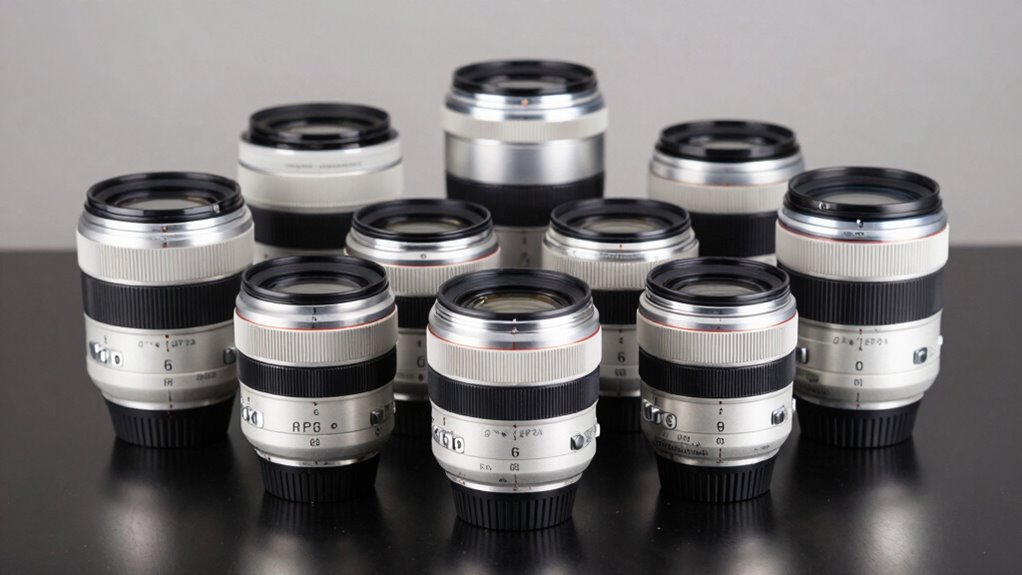

For photographers seeking premium APS-C zoom lenses, choosing the right model involves balancing image quality, versatility, and cost. The Tamron 17-70mm F/2.8 Di III-A VC RXD stands out as the best overall, thanks to its sharpness and consistent performance. The Tamron 18-300mm F/3.5-6.3 Di III-A VC VXD offers incredible zoom range for travel, but at the expense of some aperture speed. Meanwhile, the Tamron 28-200mm F/2.8-5.6 Di III RXD provides a bright aperture and compact design for versatile shooting. Continue reading for a detailed breakdown of these options and more to find the perfect fit for your needs.

Get the latest gadgets delivered free with Prime
- Fast, free delivery on millions of items
- Prime Video, Amazon Music and more included
- Member-only deals all year
Complete the kit



Key Takeaways
- The top lenses balance image quality with zoom range, but trade off aperture speed for versatility.
- Constant f/2.8 apertures are rare in this class and usually come with a higher price tag.
- All-in-one zooms offer convenience but may sacrifice some sharpness compared to prime zooms.
- Build quality and stabilization features are critical for professional use, especially in handheld shooting.
- Price differences often reflect differences in aperture speed, zoom range, and autofocus performance.


| premium aps c zoom lense | Maximum Aperture | Focal Length |
|---|---|---|
| Tamron 18-300mm F/3.5-6.3 Di I | F/3.5-6.3 | — |
| Tamron 18-300mm F3.5-6.3 Di II | F3.5-6.3 | 18-300mm (27-450mm equivalent) |
| Tamron 28-200mm F/2.8-5.6 Di I | F/2.8-5.6 | 28-200mm |
| Tamron 18-300mm F/3.5-6.3 Di I | F/3.5-6.3 | 18-300mm |
| Tamron 17-70mm F/2.8 Di III-A | — | 17-70mm |
| Tamron 18-300mm F/3.5-6.3 Di I | F/3.5-6.3 | — |
| Tamron 18-400mm F/3.5-6.3 DI-I | — | — |
| Tamron 18-400mm F/3.5-6.3 DI-I | F/3.5-6.3 | 18-400mm |
| Tamron 17-70mm f/2.8 Di III-A | f/2.8 | 17-70mm |
| Tamron 70-300mm F/4.5-6.3 Di I | F/4.5-6.3 | 70-300mm |
More Details on Our Top Picks
Tamron 18-300mm F/3.5-6.3 Di III-A VC VXD Zoom Lens for Canon R APS-C Mirrorless
This lens stands out for its impressive 16.6x zoom range, making it an excellent choice for travelers who want to cover landscapes, wildlife, and portraits without switching lenses. Compared with the Tamron 17-70mm F/2.8, it offers far more reach, though at the expense of a narrower maximum aperture, which limits low-light performance. Its compact size and vibration compensation enhance usability on the go, but the aperture range may struggle in dim conditions. This lens is ideal for those who prioritize versatility and portability over ultimate low-light capabilities or macro detail.
Pros:- Versatile 16.6x zoom range suitable for multiple photography styles
- Compact and lightweight for travel convenience
- Includes vibration compensation for sharper handheld shots
- Reliable 6-year warranty adds peace of mind
Cons:- Aperture range limits performance in low-light environments
- Maximum magnification ratio of 1:2 isn’t ideal for macro work
Best for: Travelers and hobbyists seeking a lightweight, all-in-one lens for varied shooting scenarios
Not ideal for: Low-light photographers or macro enthusiasts who need a wider aperture or higher magnification
- Zoom Range:18-300mm
- Maximum Aperture:F/3.5-6.3
- Mount:Canon R APS-C Mirrorless
- Vibration Compensation:Yes
- Maximum Magnification:1:2
- Warranty:6 Years Limited USA
Our verdict“This lens is perfect for travelers and casual shooters who want flexibility and portability over extreme low-light or macro performance.”
Tamron 18-300mm F3.5-6.3 Di III-A VC VXD All-in-One Zoom Lens for Canon RF APS-C Mirrorless Cameras Bundle
This model extends the zoom range to a 27-450mm equivalent, making it highly adaptable for travel, wildlife, and everyday shooting. Unlike the smaller Tamron 18-300mm for Canon R, it adds weather sealing and includes accessories like a lens filter and cleaning kit, perfect for outdoor use. Its autofocus is fast and quiet, suited for both stills and video, and the image stabilization helps maintain sharpness in handheld shots. The tradeoff is its bulkier profile, which may reduce portability for some users, and the aperture still limits low-light performance.
Pros:- Extensive zoom range from wide-angle to telephoto
- Weather-sealed construction for outdoor durability
- Fast, quiet autofocus suitable for video
- Includes accessories for immediate outdoor photography use
Cons:- Bulkier than standard kit lenses
- Aperture range F3.5-6.3 limits low-light performance
Best for: Outdoor enthusiasts and travelers who need a rugged, all-in-one lens with extras for on-the-go shooting
Not ideal for: Those prioritizing compactness or low-light shooting, as the aperture isn’t optimized for dark conditions
- Focal Length:18-300mm (27-450mm equivalent)
- Maximum Aperture:F3.5-6.3
- Autofocus System:VXD
- Image Stabilization:Yes (VC)
- Minimum Focus Distance:5.9 inches
- Weather Sealed:Yes
Our verdict“This lens suits outdoor explorers who need durability, extensive zoom, and ready-to-shoot accessories, accepting some added weight.”
Tamron 28-200mm F/2.8-5.6 Di III RXD All-in-One Lens for Sony E-Mount, Black
This lens offers a fast F/2.8 aperture at the wide end, giving it an edge over many all-in-one zooms, especially compared to the Tamron 18-300mm for Sony E. Its 28-200mm zoom simplifies travel and daily shooting with a lightweight design, and the up-close shooting capability enhances versatility. However, the variable maximum aperture shrinks to F/5.6 at the telephoto end, limiting depth of field control and low-light performance at longer focal lengths. Autofocus noise has been noted in some reviews, making it less ideal for silent video recording. It’s a strong choice for Sony E-mount users wanting speed and portability, but not for demanding low-light or macro work.
Pros:- Fast F/2.8 aperture at 28mm for better low-light and shallow depth of field
- Lightweight and compact for portability
- Versatile 28-200mm zoom range for various scenarios
- Excellent close-up capabilities
Cons:- Variable aperture limits control at telephoto end
- Autofocus noise can affect video quality
- Limited to Sony E-mount cameras
Best for: Sony E-mount photographers seeking a fast aperture and compact all-in-one zoom for travel or daily shooting
Not ideal for: Photographers who need consistent aperture control or work primarily in low-light conditions
- Focal Length:28-200mm
- Maximum Aperture:F/2.8-5.6
- Lens Mount:Sony E
- Weight:20.3 oz.
- Focus Type:Auto Focus
- Focus Distance:Up to 4.6 inches
Our verdict“This lens is ideal for Sony E-mount shooters who want speed and flexibility in a lightweight package, accepting some limitations in telephoto aperture and autofocus noise.”
Tamron 18-300mm F/3.5-6.3 Di III-A VC VXD Lens for Sony E APS-C Mirrorless Cameras
This lens provides a 16.6x zoom range tailored for Sony E APS-C cameras, combining portability with versatility. Its fast and precise VXD autofocus makes it suitable for stills and videos, and the moisture-resistant design with fluorine coating enhances durability in varied conditions. Compared to the Canon RF version, it offers similar zoom but with a slightly larger and heavier build, reflecting its focus on outdoor robustness. The aperture range remains a limiting factor for low-light shooting, but for general travel and outdoor photography, it strikes a good balance between size, speed, and weather resistance.
Pros:- Versatile 16.6x zoom range for multiple scenarios
- Fast and accurate VXD autofocus
- Moisture-resistant construction with fluorine coating
- Portably designed for travel use
Cons:- Aperture range limits low-light performance
- Bulkier than some standard kit lenses
- Price not specified, potentially higher for added durability
Best for: Sony E APS-C users seeking a durable, all-in-one lens for outdoor and travel photography
Not ideal for: Low-light photography or macro shooters who need wider apertures or higher magnifications
- Focal Length:18-300mm
- Maximum Aperture:F/3.5-6.3
- Mount:Sony E
- Weight:21.9 oz.
- Focus Mechanism:VXD linear motor
- Construction:Moisture-Resistant, Fluorine Coating
Our verdict“This lens is well-suited for outdoor enthusiasts and travelers who value durability and versatility in a compact form, with some compromise on low-light capabilities.”
Tamron 17-70mm F/2.8 Di III-A VC RXD Standard Zoom Lens for Canon RF APS-C Mirrorless Cameras
This lens offers a constant F/2.8 aperture across a 17-70mm focal range, making it a standout for portrait, event, and video shooters. Compared to the more extensive zoom of the Tamron 18-300mm, it sacrifices reach for a brighter aperture, which greatly benefits low-light conditions and depth of field control. The built-in VC stabilization adds to its appeal for handheld video, and the close focusing distance of 0.19m expands creative options. However, its narrower zoom range limits landscape or wildlife applications, and it is restricted to Canon RF APS-C cameras, which may narrow its appeal.
Pros:- Constant F/2.8 aperture for excellent low-light and depth control
- Built-in Vibration Compensation for stable handheld shooting
- Close focusing distance enables detailed close-ups
- Switches for AF/MF and VC ON/OFF for user control
Cons:- Limited zoom range compared to 18-300mm models
- Restricted to Canon RF APS-C cameras
- No weather sealing or dust resistance specified
Best for: Portrait, event, and videographers who prioritize fast apertures, stabilization, and close-up capabilities
Not ideal for: Travelers needing extensive zoom or wildlife photographers requiring longer reach
- Aperture:F/2.8
- Focal Length:17-70mm
- Mount:Canon RF
- Image Stabilization:Built-in VC
- Close Focus Distance:0.19m
Our verdict“This lens is ideal for portrait, event, and video creators who need a bright, stabilized, versatile zoom in a compact package, sacrificing some reach.”
Tamron 18-300mm F/3.5-6.3 Di III-A VC VXD All-in-One Zoom Lens for Nikon Z APS-C Mirrorless Cameras
This lens stands out for its extensive 16.6x zoom range, making it ideal for travel, landscapes, and everyday shooting where switching lenses isn’t practical. Compared to the Tamron 18-300mm for Canon R, it offers similar versatility but is more compact and lightweight, enhancing portability. The tradeoff lies in its aperture range, which may struggle in low-light situations, and the all-in-one design can compromise image sharpness at the edges. It’s perfect for travelers who want a single lens for multiple scenarios without carrying extra gear, but not ideal for low-light or professional studio work. Its high-speed autofocus ensures quick action shots, and its compact build makes it easy to carry all day.Pros:- Extensive 16.6x zoom range covering multiple focal lengths
- Compact and lightweight for travel convenience
- High-speed autofocus for capturing fast-moving subjects
Cons:- Aperture range limits low-light performance
- Potential image quality compromise at edges compared to prime lenses
Best for: Travelers and casual photographers who need versatile, lightweight gear for varied shooting environments
Not ideal for: Low-light professionals or studio shooters requiring maximum image quality and wider apertures
- Zoom Range:18-300mm
- Maximum Aperture:F/3.5-6.3
- Magnification Ratio:1:2
- Compatibility:Nikon Z APS-C Mirrorless
- Weight:Lightweight and compact
Our verdict“This lens is a smart choice for travel enthusiasts seeking versatility in a compact form but not for low-light or detail-critical work.”
Tamron 18-400mm F/3.5-6.3 DI-II VC HLD All-In-One Zoom Lens for Canon APS-C Digital SLR Cameras
This lens offers an extraordinary 18-400mm focal range, making it the most versatile in this lineup for Canon APS-C DSLRs. Compared to the Tamron 18-300mm for Nikon Z, it provides a broader telephoto reach, suitable for wildlife and distant subjects, but it’s bulkier and heavier, which might hinder handheld use over extended periods. Its Vibration Compensation and moisture-resistant build add durability and stability, yet its variable aperture limits its low-light capability, especially at telephoto lengths. This pick makes the most sense for photographers who need one lens to cover everything from wide landscapes to distant wildlife, but less so for those prioritizing portability or low-light performance. Autofocus is fast enough for most situations, with good handling in outdoor environments.Pros:- Massive 18-400mm zoom range minimizes lens switching
- Vibration Compensation ensures sharper handheld images
- Moisture-resistant construction withstands outdoor elements
Cons:- Aperture range limits low-light shooting at telephoto end
- Heavier and bulkier for extended handheld use
- Moderate macro capabilities for close-up work
Best for: Wildlife or travel photographers needing a single lens to cover a broad focal range with durability in outdoor conditions
Not ideal for: Studio or low-light shooters who require larger apertures or specialized prime lenses
- Maximum Diameter:79mm
- Full-Frame Equivalent Telephoto Reach:620mm
- Vibration Compensation:Yes
- Moisture-Resistant:Yes
- Maximum Magnification Ratio:1:29
Our verdict“This lens is ideal for outdoor, all-in-one use but may be cumbersome for extended handheld shooting or low-light conditions.”
Tamron 18-400mm F/3.5-6.3 DI-II VC HLD All-in-One Zoom Lens for Nikon APS-C Digital SLR Cameras
Mirroring the Canon-compatible version, this Tamron offers an equally broad 18-400mm focal length, making it a remarkably flexible choice for Nikon APS-C DSLR users. It shines in delivering a comprehensive zoom range with stabilization, making casual and travel photography more convenient. The tradeoff is its size and weight, which can be less friendly for all-day handheld shooting. While its moisture-resistant design adds resilience, its aperture limits low-light performance at the telephoto end, similar to the Canon version. If you’re a Nikon DSLR shooter who wants a single lens for landscapes, portraits, and wildlife, this makes sense, but it’s less suited for professional studio work or low-light conditions. Autofocus is accurate but can be slower in dim environments.Pros:- Extensive 18-400mm zoom range for all-in-one versatility
- Built-in vibration compensation for steady shots
- Moisture-resistant build for outdoor durability
Cons:- Limited low-light performance due to aperture range
- Relatively large and heavy for extended handheld use
- Moderate macro abilities, not designed for detailed close-ups
Best for: Nikon APS-C DSLR users seeking a single, versatile lens for travel and general photography
Not ideal for: Photographers needing maximum low-light performance or compact, lightweight gear
- Focal Length:18-400mm
- Maximum Aperture:F/3.5-6.3
- Vibration Compensation:Yes
- Moisture-Resistant:Yes
- Maximum Magnification Ratio:1:2.9
Our verdict“This lens suits Nikon DSLR shooters seeking broad coverage in a durable package but isn’t ideal for low-light or lightweight needs.”
Tamron 17-70mm f/2.8 Di III-A VC RXD Lens for Sony E APS-C Mirrorless Cameras
This Tamron lens earns its spot as the sharp, fast, and versatile option for Sony APS-C mirrorless users. Its constant f/2.8 aperture surpasses the aperture limitations of the all-in-one zooms, offering better low-light performance and depth of field control. Compared with the 70-300mm, it provides a much more flexible focal range for everyday shooting, from wide landscapes to portraits. Its optical design includes advanced elements, ensuring high image quality, while its moisture-resistant coating adds durability. The tradeoff is its size—larger and heavier than typical kit lenses—and slightly slower autofocus in dim conditions. This lens makes the most sense for enthusiasts and semi-pros who want a single, high-quality zoom for most scenarios, but less so for those prioritizing ultra-telephoto or ultra-compact setups.Pros:- Constant f/2.8 aperture for low-light and creative depth of field
- Versatile 17-70mm focal range suitable for many styles
- Optical elements ensure high image quality
Cons:- Larger and heavier than standard kit lenses
- Higher price point for a zoom lens
- Focus speed can slow in low-light situations
Best for: Sony APS-C enthusiasts wanting a high-speed, all-around zoom for daily photography and videography
Not ideal for: Travelers seeking ultra-telephoto reach or compact, lightweight gear
- Focal Length:17-70mm
- Maximum Aperture:f/2.8
- Focus Type:Auto Focus
- Construction:16 elements in 12 groups
- Additional Features:Moisture-Resistant, Fluorine Coating
Our verdict“This lens is ideal for Sony APS-C users seeking a high-speed, versatile zoom that excels in low-light and creative control, though it’s less portable.”
Tamron 70-300mm F/4.5-6.3 Di III RXD for Sony E-Mount Full Frame/APS-C Mirrorless Cameras
This Tamron 70-300mm offers a lightweight, high-quality telephoto option for Sony E-mount mirrorless users, with a focus on portability without sacrificing resolution. It’s similar in scope to the Tamron 70-300mm for Sony E but adds the advantage of a more compact design, making it suitable for travel and wildlife photography. The main tradeoff is its aperture range, which limits low-light shooting at the telephoto end, and it lacks image stabilization—so sharp handheld shots require steadier hands or a tripod. Its autofocus is quiet and fast, ideal for capturing wildlife or sports, but the absence of stabilization makes it less forgiving in unstable conditions. This lens is best for those who prioritize lightweight telephoto reach over maximum low-light performance.Pros:- Lightweight and compact for portability
- High-resolution images with pleasing bokeh
- Quiet autofocus with RXD technology
Cons:- No built-in image stabilization
- Limited aperture range reduces low-light capability
- Not suitable for handheld shooting in low-light conditions
Best for: Travel and wildlife photographers needing a portable telephoto zoom with good resolution
Not ideal for: Low-light shooters or those needing stabilization for handheld shooting
- Focal Length:70-300mm
- Maximum Aperture:F/4.5-6.3
- Lens Mount:Sony E
- Lens Length:5.8 inches
- Weight:19.2 oz
Our verdict“This lens is a smart pick for lightweight telephoto needs but less suitable for low-light or handheld outdoor photography.”

How We Picked
The lenses in this roundup were evaluated based on their optical performance, build quality, versatility, and value for premium APS-C users. Priority was given to sharpness across focal lengths, effective image stabilization, and autofocus speed, as these impact real-world shooting. We also considered user reviews and brand reputation to ensure durability and consistent performance. The ranking reflects a balance of these factors, with a preference for lenses that excel in multiple areas rather than just one standout feature.| premium aps c zoom lense | Maximum Aperture |
|---|---|
| Tamron 18-300mm F/3.5-6.3 Di I | F/3.5-6.3 |
| Tamron 18-300mm F3.5-6.3 Di II | F3.5-6.3 |
| Tamron 28-200mm F/2.8-5.6 Di I | F/2.8-5.6 |
| Tamron 18-300mm F/3.5-6.3 Di I | F/3.5-6.3 |
| Tamron 17-70mm F/2.8 Di III-A | — |
| Tamron 18-300mm F/3.5-6.3 Di I | F/3.5-6.3 |
| Tamron 18-400mm F/3.5-6.3 DI-I | — |
| Tamron 18-400mm F/3.5-6.3 DI-I | F/3.5-6.3 |
| Tamron 17-70mm f/2.8 Di III-A | f/2.8 |
| Tamron 70-300mm F/4.5-6.3 Di I | F/4.5-6.3 |
Factors to Consider When Choosing Premium Aps C Zoom Lenses
Selecting a premium APS-C zoom lens requires understanding how different features align with your photography style. Beyond specs, consider how the lens performs in real-world conditions, its ease of use, and long-term value. Here are key factors to keep in mind when choosing the right lens for your needs.Focal Length Range
Deciding on the zoom range is fundamental. Wide-end focal lengths, like 17-70mm, are versatile for landscapes and portraits, while longer zooms such as 70-300mm excel for wildlife and sports. All-in-one lenses often cover broad ranges but may compromise sharpness or aperture speed. Consider your primary subjects and whether you prefer a more specialized lens or one that can handle multiple scenarios.
Aperture Speed and Brightness
A constant aperture like f/2.8 offers better low-light performance and depth of field control, but such lenses tend to be pricier and heavier. Variable apertures, such as f/3.5-6.3, are lighter and less expensive but can limit shooting in dim conditions. Balance your need for brightness with the weight and cost you’re willing to accept, especially if handheld shooting in low light is common for you.
Size, Weight, and Portability
Premium APS-C zoom lenses vary significantly in size and weight. Compact designs are preferable for travel or everyday carry, but often come with compromises in zoom range or aperture speed. Larger, more robust lenses suit professional work with better stabilization and build quality but can be less convenient for casual use. Think about how much gear you’re comfortable carrying and whether portability outweighs optical performance for your workflow.
Autofocus and Stabilization
Fast and accurate autofocus is vital for capturing moving subjects, especially with longer focal lengths. Optical stabilization helps maintain sharp images when shooting handheld, particularly at slower shutter speeds. In premium lenses, these features often come together, but some budget-focused models may lack reliable stabilization, leading to softer images or missed shots. Consider your shooting style when evaluating autofocus and stabilization features.
Price and Long-Term Value
While premium lenses command higher prices, they often provide better durability, optical quality, and resale value. Be wary of lenses that seem cheap but lack critical features like stabilization or consistent autofocus. Investing in a high-quality lens can be more cost-effective over time if it meets your needs and lasts longer, but always weigh whether the features justify the price given your specific photography habits.
Frequently Asked Questions
Is it worth paying extra for a constant f/2.8 aperture in a zoom lens?
Choosing a lens with a constant f/2.8 aperture offers significant advantages in low-light conditions and provides greater control over depth of field, which is especially important for portraits and creative shots. However, these lenses tend to be larger, heavier, and more expensive. If you frequently shoot indoors, in low light, or want the flexibility for professional work, investing in a constant aperture lens is justified. For casual or travel photography, variable aperture lenses may suffice and save you money and weight.
How important is image stabilization in premium APS-C zoom lenses?
Image stabilization is a key feature for handheld shooting, especially at longer focal lengths or slower shutter speeds. It helps produce sharper images and reduces camera shake, which can be a game-changer in many scenarios. In premium lenses, stabilization is often highly effective and integrated with autofocus systems. If you shoot a lot without a tripod, prioritizing stabilization can dramatically improve your results and reduce frustration.
Should I prioritize zoom range over lens size and weight?
There’s a clear tradeoff: lenses with broader zoom ranges, like 18-300mm, offer convenience but tend to be larger and sometimes less sharp at the extremes. Smaller, more compact lenses typically have narrower zoom ranges but can deliver superior optical quality and easier handling. Consider your typical shooting situations—if you need flexibility on the go, a larger all-in-one lens might be worth the extra size; otherwise, a smaller lens might serve you better for everyday carry.
Are third-party lenses like Tamron reliable compared to native brands?
Many third-party lens manufacturers, including Tamron, have gained a reputation for producing high-quality, reliable lenses that often match or surpass native brand offerings in certain categories. They frequently provide a better balance of features and cost. However, compatibility and autofocus performance can vary based on camera models, so it’s wise to check specific reviews for your camera system. Overall, reputable third-party lenses are a solid choice for those seeking versatility and value.
When should I consider a lens with a broader zoom range versus a prime lens?
Lenses with broader zoom ranges are ideal when you need flexibility for varied shooting conditions without changing lenses often. They’re especially useful for travel, events, or casual shooting. Conversely, prime lenses, typically with wider apertures, offer better optical quality and low-light performance but lack zoom capability. If your photography relies on sharpness, background blur, or low-light shooting, a prime might be preferable. Choose based on whether versatility or optical excellence matters most to your work.
Conclusion
For general use and versatility, the Tamron 17-70mm F/2.8 Di III-A VC RXD stands out as the best overall pick, offering a great balance of quality and features. Photographers who prioritize zoom range and convenience should consider the Tamron 18-300mm F/3.5-6.3 or the all-in-one options, accepting some compromises in aperture speed. For those seeking premium build and optimal optical performance, a fixed aperture lens like the Tamron 17-70mm F/2.8 is ideal. Beginners will benefit from lighter, more straightforward options, while professionals may prefer lenses with superior stabilization and durability. Ultimately, your choice hinges on your specific shooting needs and budget.
Halloween Picks
halloween
As an affiliate, we earn on qualifying purchases.