If you’re looking for the best presence sensors for home security and automation, I recommend options like the WenzhiIoT Zigbee Sensor and SONOFF’s Radar-based model for contactless detection. The Aqara P1 and Meross sensors offer reliable Zigbee and Matter compatibility, while others like the AF Emotion Pro provide Wi-Fi options with smart alerts. To find the ideal fit, consider coverage, power options, and ecosystem integration—stay tuned if you want to explore these top choices more closely.
Key Takeaways
- Advanced mmWave radar sensors detect both motion and stationary presence, offering high accuracy for home security and automation.
- Compatibility with smart home ecosystems like Tuya, Zigbee, and Matter ensures seamless integration with existing devices.
- Versatile installation options include battery, wired, waterproof, and discreet mounting for indoor and outdoor use.
- Customizable detection zones, sensitivity, and delay settings enable tailored automation and minimize false alarms.
- Features like multi-person tracking, privacy-focused design, and local processing enhance security without compromising user privacy.
| WenzhiIoT Zigbee Motion & Presence Sensor | 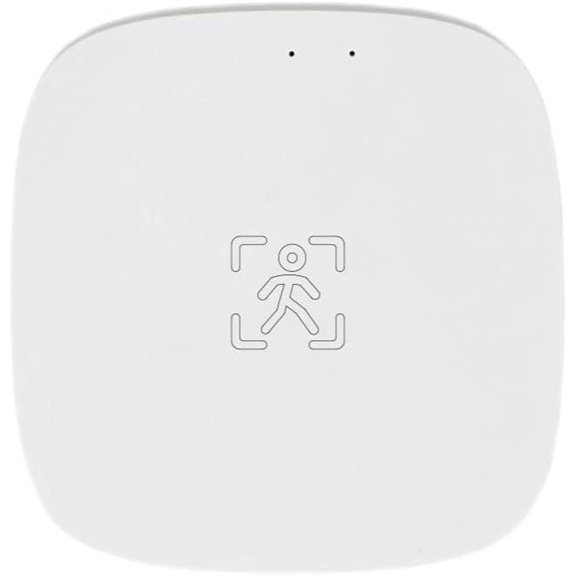 | Best Detection Accuracy | Detection Method: mmWave Radar, PIR, ZigBee Motion | Connectivity Protocol: ZigBee (Tuya, ZigBee2mqtt) | Power Source: USB Type-C (5V) | VIEW LATEST PRICE | See Our Full Breakdown |
| SONOFF Zigbee Human Presence Sensor with Radar | 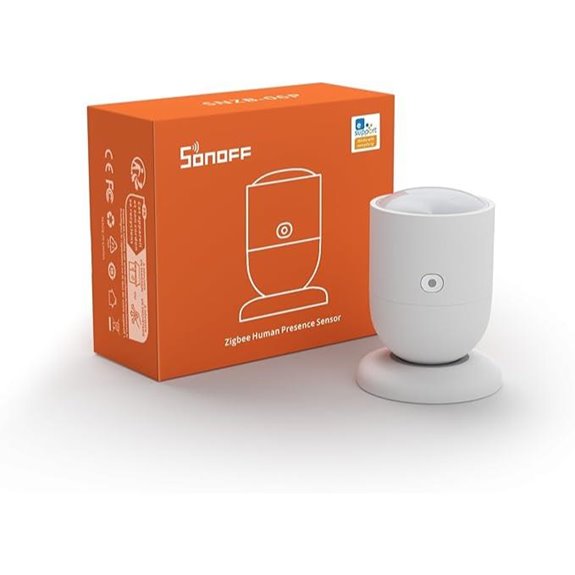 | Best Smart Scene Support | Detection Method: Microwave Radar | Connectivity Protocol: Zigbee 3.0 | Power Source: Wired (Zigbee hub required) | VIEW LATEST PRICE | See Our Full Breakdown |
| AKAMATIS Human Presence Sensor v2.2 for Home Assistant | 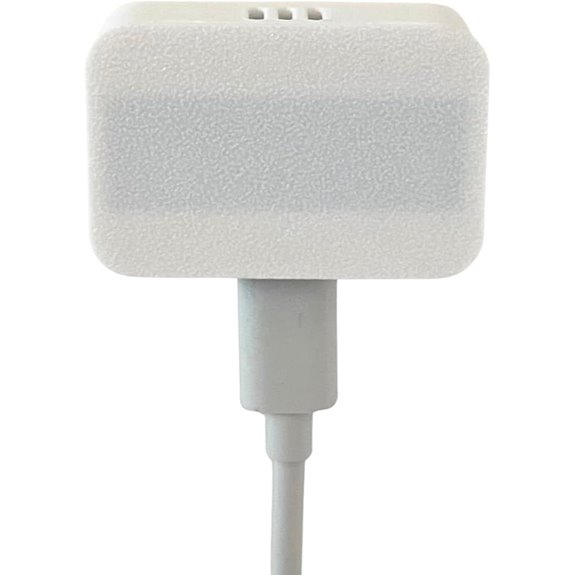 | Best Customization | Detection Method: Millimeter-wave Radar | Connectivity Protocol: Wi-Fi (ESPHome) | Power Source: USB-C (Power via USB) | VIEW LATEST PRICE | See Our Full Breakdown |
| Emotion Pro Presence Sensor with WiFi and Alexa | 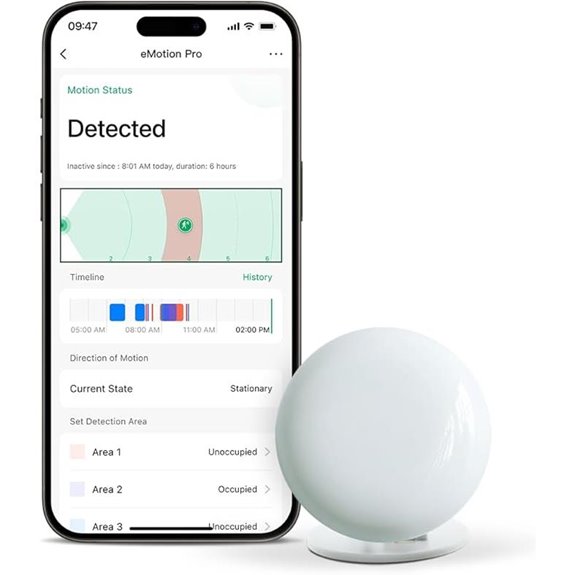 | Most Precise Technology | Detection Method: 24GHz mmWave Radar | Connectivity Protocol: Wi-Fi, MQTT, Alexa, Google | Power Source: 24GHz Radar, no power info (assumed wired) | VIEW LATEST PRICE | See Our Full Breakdown |
| Aqara Zigbee Motion Sensor P1 (3 Pack) | 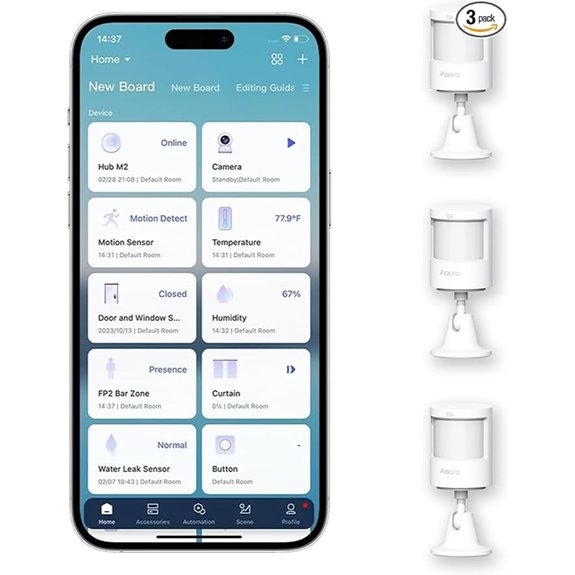 | Best Ecosystem Compatibility | Detection Method: Zigbee Motion | Connectivity Protocol: Zigbee | Power Source: Battery (5-year lifespan) | VIEW LATEST PRICE | See Our Full Breakdown |
| eMotion Ultra 60GHz Radar Sensor with Smart Home Compatibility | 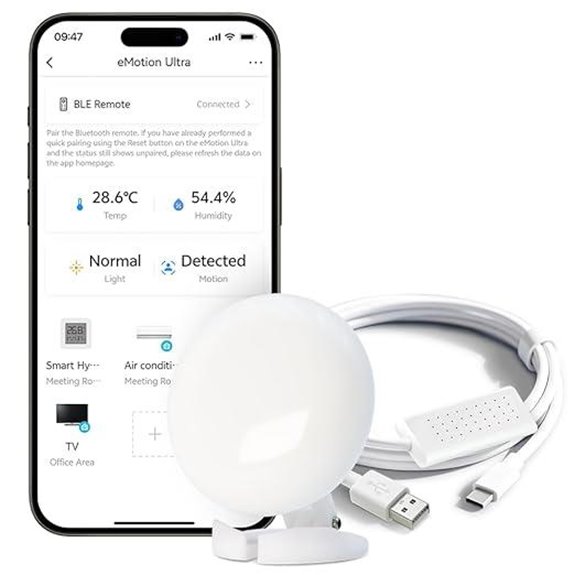 | Best Multi-Zone Tracking | Detection Method: 60GHz Radar, Multi-zone Tracking | Connectivity Protocol: MQTT, Home Assistant, Alexa, Google, Siri | Power Source: Power via 5V/2A adapter | VIEW LATEST PRICE | See Our Full Breakdown |
| TREATLIFE WiFi Motion Sensor with Alexa/Google Support |  | Most Easy Setup | Detection Method: mmWave Radar | Connectivity Protocol: Wi-Fi | Power Source: USB power (5V 1A) | VIEW LATEST PRICE | See Our Full Breakdown |
| Kini SafeAlert Wi-Fi Motion Sensor with Alerts | 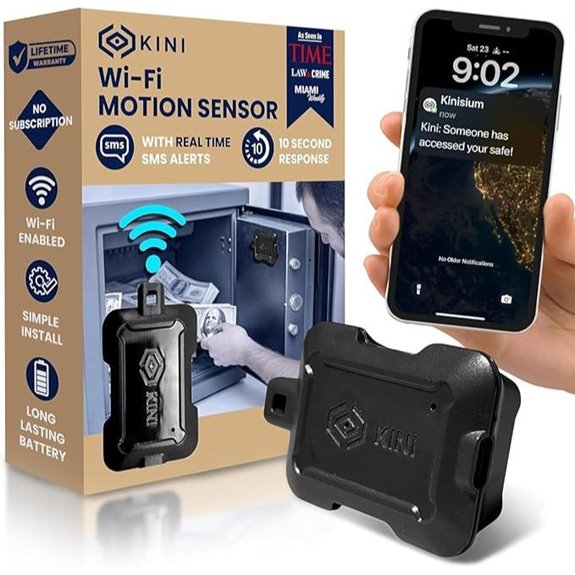 | Best Discreet Design | Detection Method: Wi-Fi Radar | Connectivity Protocol: Wi-Fi | Power Source: Rechargeable battery, USB-C charging | VIEW LATEST PRICE | See Our Full Breakdown |
| Aqara FP2 Presence Sensor Bracket Set |  | Best Flexibility & Range | Detection Method: Millimeter-wave Radar | Connectivity Protocol: Zigbee, HomeKit, Zigbee | Power Source: Wired (Power over Ethernet or wired) | VIEW LATEST PRICE | See Our Full Breakdown |
| Meross Matter Human Presence Sensor with AI Detection |  | Best Multi-Protocol Integration | Detection Method: Radar, PIR, Light Sensors | Connectivity Protocol: Wi-Fi, Matter, HomeKit, Alexa, Google, Home Assistant | Power Source: Continuous power (no battery) | VIEW LATEST PRICE | See Our Full Breakdown |
More Details on Our Top Picks
WenzhiIoT Zigbee Motion & Presence Sensor
If you’re looking for a reliable presence sensor that guarantees home security and smart automation, the WenzhiIoT Zigbee Motion & Presence Sensor is an excellent choice. It uses advanced detection modes, including human presence, static, micro motion, and movement, thanks to its mmWave Radar at 5.8 GHz, ensuring high accuracy even when someone is sleeping or standing still. Compatible with the Tuya Smart Life app, it can automatically control lights based on brightness levels and link with other smart devices for seamless automation. Its customizable sensitivity, detection range, and delay settings let me tailor its performance perfectly to my home’s needs.
- Detection Method:mmWave Radar, PIR, ZigBee Motion
- Connectivity Protocol:ZigBee (Tuya, ZigBee2mqtt)
- Power Source:USB Type-C (5V)
- Detection Range:Up to 9.5m
- Additional Sensors:Light, presence detection
- Automation Support:Scene linkage, app control
- Additional Feature:Adjustable sensitivity settings
- Additional Feature:High anti-interference radar module
- Additional Feature:Scene linkage capability
SONOFF Zigbee Human Presence Sensor with Radar
The SONOFF Zigbee Human Presence Sensor with Radar is an excellent choice for those seeking reliable detection of both movement and stationary individuals in their home. It uses 5.8GHz microwave radar to identify presence, automatically turning on lights when needed and keeping them on until the area is clear. The built-in light sensor ensures lights only activate in dark environments, saving energy. Compatible with Zigbee hubs like SONOFF NSPanel Pro and Echo Plus 2nd Gen, it supports local automation even without internet. Its seamless integration with platforms such as Alexa and Google Home makes it a versatile, dependable addition to any smart home security system.
- Detection Method:Microwave Radar
- Connectivity Protocol:Zigbee 3.0
- Power Source:Wired (Zigbee hub required)
- Detection Range:Not specified, suitable for indoor
- Additional Sensors:Light sensor, scene support
- Automation Support:Scene automation, local support
- Additional Feature:Supports local scene linkage
- Additional Feature:Compatible with Alexa, Google
- Additional Feature:Light detection for energy saving
AKAMATIS Human Presence Sensor v2.2 for Home Assistant
For those seeking a highly accurate and discreet presence detection solution, the AKAMATIS Human Presence Sensor v2.2 stands out as an ideal choice. It uses millimeter-wave radar to detect both moving and stationary objects up to 20 feet indoors, offering better precision and coverage than traditional PIR sensors. Its compact, plug-and-play design features a Seeed C3 controller with an external Wi-Fi antenna, powered via USB-C, with no batteries needed. Pre-flashed with ESPHome firmware, it connects easily to Home Assistant through Wi-Fi, blending seamlessly into your home’s aesthetic. This sensor provides reliable, efficient detection, reducing the number of units required for all-encompassing coverage.
- Detection Method:Millimeter-wave Radar
- Connectivity Protocol:Wi-Fi (ESPHome)
- Power Source:USB-C (Power via USB)
- Detection Range:Up to 6m
- Additional Sensors:Light, environmental sensors
- Automation Support:Home Assistant, no manual setup
- Additional Feature:Pre-flashed ESPHome firmware
- Additional Feature:Discreet minimalist design
- Additional Feature:External Wi-Fi antenna
Emotion Pro Presence Sensor with WiFi and Alexa
When selecting a presence sensor for home security, the Emotion Pro Presence Sensor with WiFi and Alexa stands out thanks to its advanced 3rd-generation 24GHz mmWave radar technology, which offers highly accurate detection across a range of up to 6 meters. Its flexible installation options allow placement in any direction or inside cupboards, ensuring reliable sensing from various angles. The device also includes environmental sensors, like a brightness sensor and long-range IR emitters for appliance control up to 15 meters. Seamlessly integrating with Alexa, Google Home, and Home Assistant, it simplifies automation, remote monitoring, and voice alerts, making it a versatile and powerful addition to your smart home.
- Detection Method:24GHz mmWave Radar
- Connectivity Protocol:Wi-Fi, MQTT, Alexa, Google
- Power Source:24GHz Radar, no power info (assumed wired)
- Detection Range:Up to 6m
- Additional Sensors:Brightness, IR emitters, environmental sensors
- Automation Support:Alexa, Google, routines
- Additional Feature:3rd-Gen 24GHz radar tech
- Additional Feature:Built-in ambient light sensor
- Additional Feature:Remote alerts via app
Aqara Zigbee Motion Sensor P1 (3 Pack)
If you’re looking to enhance your home security with reliable motion detection, the Aqara Zigbee Motion Sensor P1 (3 Pack) is an excellent choice, especially if you already have a compatible Aqara Zigbee hub. It offers a 170° field of view up to 4 meters and adjustable detection time from 1 to 200 seconds via the app. With a 5-year battery life, pet-friendly design, and support for automations like lights and alarms, it’s versatile for security and automation needs. Just guarantee you have the right hub and update your firmware for peak performance. Its compact size and flexible mounting options make it a practical, energy-efficient solution.
- Detection Method:Zigbee Motion
- Connectivity Protocol:Zigbee
- Power Source:Battery (5-year lifespan)
- Detection Range:Up to 7m (range varies)
- Additional Sensors:Motion, light
- Automation Support:Automations via Aqara, HomeKit
- Additional Feature:5-year battery life
- Additional Feature:Adjustable detection timeout
- Additional Feature:Compatible with HomeKit & Aqara Hub
eMotion Ultra 60GHz Radar Sensor with Smart Home Compatibility
The eMotion Ultra 60GHz Radar Sensor stands out for its advanced detection capabilities, making it an ideal choice for those seeking precise home security. It uses 60GHz mmWave radar technology to detect even subtle movements like heartbeat and breathing, even when sitting still or sleeping. You can define zones to exclude pets, curtains, or plants, and set filtering heights to ignore fans or small objects. It tracks up to four people across multiple zones, enabling personalized automation. Compatible with Home Assistant, MQTT, Alexa, Google, and Siri, it integrates seamlessly into smart homes, providing real-time alerts, environmental data, and remote control of connected devices.
- Detection Method:60GHz Radar, Multi-zone Tracking
- Connectivity Protocol:MQTT, Home Assistant, Alexa, Google, Siri
- Power Source:Power via 5V/2A adapter
- Detection Range:Up to 6m
- Additional Sensors:Light, temperature, humidity, IR blaster
- Automation Support:Home Assistant, MQTT, multi-zone
- Additional Feature:Multi-zone live tracking
- Additional Feature:IR blaster for device control
- Additional Feature:3-year data storage
TREATLIFE WiFi Motion Sensor with Alexa/Google Support
The TREATLIFE WiFi Motion Sensor stands out for those seeking a reliable, high-precision presence detection solution without the hassle of batteries or hubs. It connects via 2.4GHz Wi-Fi, works seamlessly with Alexa and Google Assistant, and features a wired design with USB power for stable operation. Using millimeter-wave radar technology, it detects human movement, micro-movements, and stationary states, reducing false alarms. With a range of about 263 feet, it’s ideal for indoor use in dry areas. Plus, it offers instant alerts, activity logs, and customizable automation routines, making it a versatile addition to your smart home setup.
- Detection Method:mmWave Radar
- Connectivity Protocol:Wi-Fi
- Power Source:USB power (5V 1A)
- Detection Range:Up to 20ft (6m)
- Additional Sensors:Light, motion
- Automation Support:App-based routines, custom modes
- Additional Feature:30-day activity logs
- Additional Feature:Magnetic 360° rotation
- Additional Feature:No subscription fee
Kini SafeAlert Wi-Fi Motion Sensor with Alerts
For anyone seeking reliable home security without ongoing fees, the Kini SafeAlert Wi-Fi Motion Sensor stands out with its instant SMS alerts and privacy-first design. It sends real-time notifications within 10 seconds of detecting motion, keeping you informed instantly. There are no subscription fees, and it’s GDPR and TCPA compliant, ensuring your data stays private—no GPS tracking or data sharing. Its Wi-Fi connectivity allows seamless notifications, and the rechargeable battery lasts over a year. Easy to install with multiple mounting options, you can secure safes, cabinets, or any space discreetly. It’s versatile, privacy-focused, and perfect for enhancing your home’s security effortlessly.
- Detection Method:Wi-Fi Radar
- Connectivity Protocol:Wi-Fi
- Power Source:Rechargeable battery, USB-C charging
- Detection Range:Up to 20ft (6m)
- Additional Sensors:Motion, optional alerts
- Automation Support:Real-time alerts, no subscription
- Additional Feature:No subscription required
- Additional Feature:Long-lasting rechargeable battery
- Additional Feature:Multiple mounting options
Aqara FP2 Presence Sensor Bracket Set
If you’re looking for a versatile and discreet mounting option for the Aqara FP2 Presence Sensor, the bracket set is an excellent choice. It allows corner placement with the included angle mount, eliminating dead zones and enabling a 45° room rotation. The sensor is wired, requiring constant power, and features an IPX5 waterproof rating, making it suitable for wet environments. You can mount it on walls, ceilings, or corners, and it includes a built-in light sensor for flexible automation. This set guarantees secure, flexible installation, maximizing the FP2’s detection capabilities while keeping the setup neat and unobtrusive.
- Detection Method:Millimeter-wave Radar
- Connectivity Protocol:Zigbee, HomeKit, Zigbee
- Power Source:Wired (Power over Ethernet or wired)
- Detection Range:Up to 40m² (area-based)
- Additional Sensors:Light sensor, fall detection
- Automation Support:Multi-platform, automations
- Additional Feature:Corner mounting flexibility
- Additional Feature:Multi-person detection
- Additional Feature:IPX5 waterproof rating
Meross Matter Human Presence Sensor with AI Detection
Anyone seeking reliable home security will appreciate the Meross Matter Human Presence Sensor with AI Detection, especially since it combines radar, PIR, and light sensors for thorough detection. Its advanced millimeter wave radar detects motion and presence without requiring movement, while the built-in light sensor automates lighting. A pet-proof shield prevents false triggers from pets or robots. It supports multiple ecosystems via the Matter framework, including HomeKit, Alexa, and Google Home, with no hub needed for most platforms. Detecting motion up to 12 meters and effective presence within 6 meters, it’s easy to install, flexible with adjustable angles, and perfect for enhancing your smart home automation.
- Detection Method:Radar, PIR, Light Sensors
- Connectivity Protocol:Wi-Fi, Matter, HomeKit, Alexa, Google, Home Assistant
- Power Source:Continuous power (no battery)
- Detection Range:Detects motion up to 12m; presence up to 6m
- Additional Sensors:Light, temperature, humidity, IR blaster
- Automation Support:Multi-platform, local automations
- Additional Feature:Supports Matter protocol
- Additional Feature:Pet-proof shield design
- Additional Feature:Adjustable pivot and rotation
Factors to Consider When Choosing Presence Sensors for Home
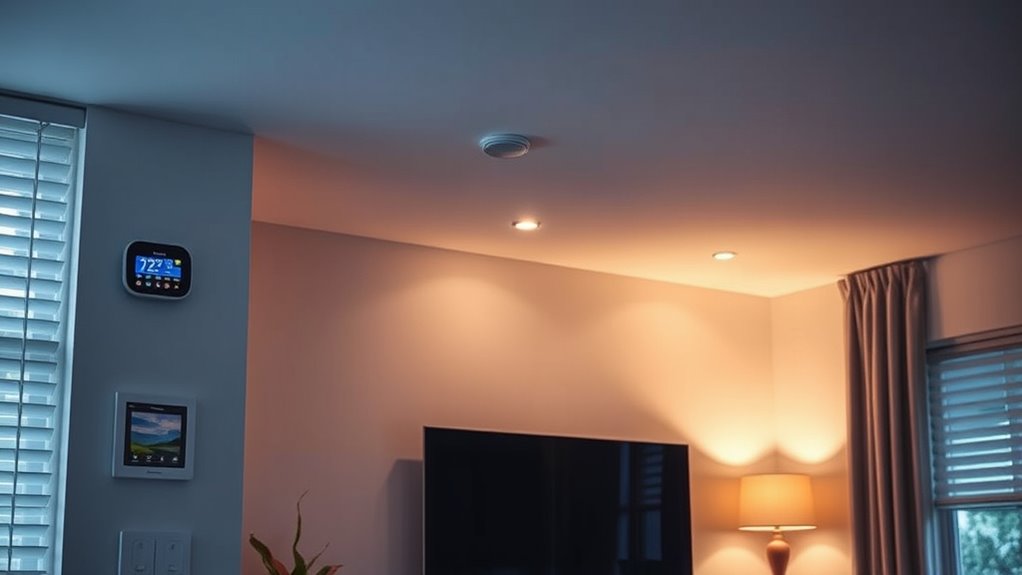
When selecting presence sensors for my home, I consider the detection technology they use, whether it’s infrared, ultrasonic, or another type. I also check if they seamlessly integrate with my existing security system and fit my power preferences, like battery or wired options. Additionally, I evaluate their detection range and customizable features to guarantee they meet my specific security needs.
Detection Technology Types
Choosing the right presence sensor depends on understanding the different detection technologies available, each with its own strengths and limitations. Microwave and millimeter-wave radar sensors can detect both motion and stationary people, offering higher accuracy and longer range than PIR sensors. PIR sensors primarily detect heat emitted by warm bodies, making them effective for motion detection but less sensitive to static presence. Ultrasonic sensors use sound waves to identify movement, but environmental noise and obstacles can interfere with their performance. The detection technology impacts sensitivity, false alarm rates, range, and power consumption. For example, radar-based sensors are ideal for larger or outdoor areas, while PIR sensors suit smaller indoor spaces. Selecting the appropriate technology directly influences your system’s reliability and suitability for your home’s environment.
Integration Compatibility
Ensuring your presence sensor seamlessly integrates with your existing smart home setup is vital for reliable automation. I always check that the sensor supports your ecosystem, whether it’s Zigbee, Z-Wave, Wi-Fi, or proprietary platforms like Apple HomeKit, Alexa, or Google Home. Compatibility with your hub or controller is essential, as some sensors require specific gateways. I also look for sensors that offer local automation capabilities—these work without internet, boosting reliability. Supporting standard protocols like MQTT or IFTTT expands integration options and allows for custom triggers. Additionally, I consider whether the sensor’s compatibility enables scene linking and automation triggers that match my automation goals. Proper integration ensures your system works smoothly, avoiding hiccups and maximizing the sensor’s usefulness.
Power Source Options
Selecting the right power source for your presence sensor is essential because it directly affects installation, reliability, and maintenance. Battery-powered sensors offer wireless flexibility, making placement easier, but they need regular recharging or battery replacements to stay operational. Wired or USB-powered sensors provide a continuous power supply, ideal for permanent setups, and eliminate the hassle of frequent maintenance. Off-grid options, like rechargeable batteries or cellular hotspots, are perfect for locations without direct electrical access, ensuring coverage where traditional power sources aren’t available. Each option comes with trade-offs: batteries offer convenience but require upkeep, while wired or off-grid solutions demand more complex installation but promise greater dependability. Your choice will depend on your home’s layout, accessibility, and your maintenance preferences.
Detection Range & Area
Have you ever wondered how well a presence sensor can monitor your space? The detection range varies widely, from just a few meters to over 20 meters, impacting the size of the area it can cover. Many sensors specify their coverage in terms of field of view angles, like 170° or 360°, which determines how much of a room they can observe at once. Some advanced models support multiple zones—up to 30—allowing targeted automation in specific areas. Larger detection ranges often need radar or millimeter-wave technology to maintain accuracy over distance. Proper placement and orientation are crucial to ensure the sensor covers the intended area effectively. Understanding these factors helps you choose a sensor that fits your home’s size and layout.
Customization Features
When choosing a presence sensor for your home, customization features play a vital role in tailoring the device to your specific needs. These include sensitivity settings, detection range, and delay times, allowing you to adapt the sensor to different room sizes and activity levels. Adjustable detection zones and multi-zone tracking enable precise automation within specific areas, enhancing both security and convenience. Support for scene linkage and automation rules offers flexibility, letting you trigger various actions based on your preferences. Additionally, setting data reporting intervals and sensitivity levels helps reduce false alarms and improve performance. Compatibility with different smart home ecosystems and integration options makes it easier to create personalized automation scenarios, ensuring your presence sensor seamlessly fits into your overall home automation system.
Privacy & Security
To guarantee your home security setup respects your privacy and stays secure, it’s essential to pay attention to the sensors’ design and communication features. I recommend choosing sensors that don’t rely on cameras or video recording, as these can raise privacy concerns. Opt for devices with local processing capabilities that work offline, reducing the risk of data breaches. Ensure they use encrypted communication protocols like ZigBee, Z-Wave, or WPA2/WPA3 Wi-Fi standards to protect your data from unauthorized access. Look for sensors with customizable privacy settings, such as zone masking or detection limits, so you control what areas are monitored. Finally, select sensors with transparent data policies and no subscription fees, ensuring your privacy remains intact and your data isn’t shared with third parties.
Installation Flexibility
Choosing the right presence sensors for your home means paying close attention to their installation options, as flexibility can make setup much easier. I look for sensors that support wall, ceiling, corner, or flexible mounting options to fit different room layouts seamlessly. It’s also important to *think about* whether the installation requires wiring, adhesive, or magnetic mounts, which can simplify placement. I check the device’s water and dust resistance ratings to *make sure* it can handle indoor or outdoor environments as needed. Adjustable angles or multi-zone coverage are features I value for optimizing placement and detection accuracy. *Finally*, I prefer sensors that can be installed in various locations without needing complex tools or structural changes, making setup quick and hassle-free.
Frequently Asked Questions
How Do Presence Sensors Improve Overall Home Security?
Presence sensors enhance my home security by detecting movement and alerting me to potential intruders or unusual activity. They automatically turn on lights or cameras when someone enters, making my home less inviting to burglars. I love how they work seamlessly with other smart devices, giving me peace of mind. Plus, they help conserve energy by activating only when needed, making my home safer and more efficient.
Can Presence Sensors Differentiate Between Humans and Pets?
While some presence sensors can distinguish between humans and pets, not all do so flawlessly. I’ve seen sensors that use advanced algorithms to minimize false alarms caused by pets, but they’re not perfect. If you want reliable pet detection, look for sensors specifically designed with pet immunity features. I recommend choosing models with adjustable sensitivity settings to help tailor detection to your home’s needs, ensuring peace of mind.
What Is the Typical Installation Process for Presence Sensors?
I usually start by choosing the right spot where the sensor can effectively monitor activity without false alarms. I turn off the power, mount the sensor securely on the wall or ceiling, and connect it to my home automation system or security panel. After wiring or pairing, I turn the power back on and run a quick test to make sure it detects motion properly. It’s pretty straightforward, and I always follow the manufacturer’s instructions.
Are Presence Sensors Compatible With Existing Smart Home Systems?
Did you know that over 80% of smart homes today integrate multiple systems? Presence sensors are generally compatible with most existing smart home setups, especially if they support common protocols like Zigbee or Z-Wave. I’ve found that checking the sensor’s compatibility with your current hub or app makes installation smoother. Most brands offer clear guidance, and many sensors automatically sync with popular platforms, making integration pretty straightforward.
How Do Privacy Concerns Impact the Use of Presence Sensors?
Privacy concerns definitely impact how I use presence sensors. I make sure to choose devices with strong data protection and clear privacy policies. I also limit the sensors’ access to only necessary areas and disable features I don’t need. Being aware of where my data goes and how it’s used helps me feel secure while enjoying the benefits of automation. It’s all about balancing convenience with privacy.
Conclusion
In the end, choosing the right presence sensor can totally transform your home into an impenetrable fortress of security and effortless automation. These devices don’t just detect movement—they anticipate your needs, respond faster than you can blink, and make your life smoother than ever imagined. Trust me, once you pick the perfect sensor, you’ll wonder how you ever lived without this futuristic shield guarding your sanctuary. It’s not just a upgrade—it’s a revolution for your home!