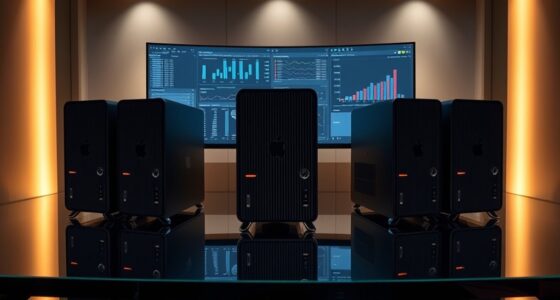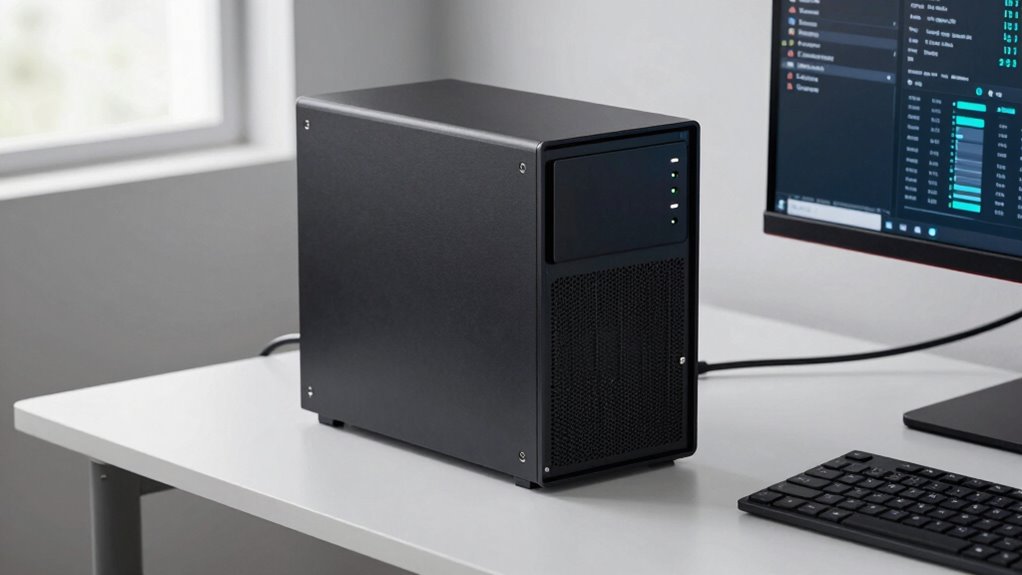

Small form factor workstations offer powerful computing in compact packages, ideal for tight spaces or minimalist setups. The best models balance performance, expandability, and size, but often involve tradeoffs like limited upgrade options or higher prices. The Dell Slim Desktop stands out as the overall best for its balanced specs and user-friendly design, while the Lenovo ThinkStation P3 Gen 2 excels for demanding professional tasks. Comparing these options reveals key differences in performance, upgradeability, and price. Keep reading for a detailed breakdown to find the best fit for your needs.

Get the latest gadgets delivered free — and shop member deals
- Fast, free delivery on millions of items
- Access to Prime Big Deal Days deals on October 6–7
- Prime Video, Amazon Music and more included
Complete the kit

Key Takeaways
- Performance varies significantly, with higher-end CPUs and GPUs preferred for demanding workloads.
- Size and expandability often conflict; compact models may limit future upgrades or upgrades are more expensive.
- Price ranges widely; investing in premium options yields better longevity and features for professional use.
- Design and noise levels matter, especially in shared or small spaces, favoring quieter, streamlined models.
- Brand reputation and warranty support can influence long-term satisfaction and reliability.


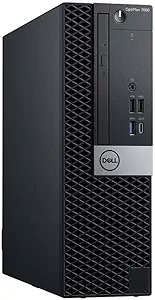


| small form factor workstation | Processor | Storage | Operating System | Graphics |
|---|---|---|---|---|
| Dell Slim Desktop with Intel C | Intel Core Ultra 5-225 | 512GB SSD | Windows 11 Home | — |
| Lenovo ThinkStation P3 Gen 2 W | Intel Core Ultra 7 265, 20-core, 2.40 GHz | 512 GB NVMe SSD | — | NVIDIA RTX A400 4 GB GDDR6 |
| Dell Optiplex 7060 SFF Desktop | Intel 8th Gen i7-8700 | 512GB NVMe SSD | Windows 11 Pro | — |
| ASUS NUC 15 Pro Mini Desktop C | Intel Series 2 Core Ultra 7 255H | 512GB PCIe SSD (upgradable to 48TB) | — | Intel Arc 140T GPU |
| Dell OptiPlex 7020 Micro Form | 14th Gen Intel Core i5-14500T | 512GB NVMe SSD | Windows 11 Pro | Intel UHD Graphics 770 |
| Lenovo ThinkStation P3 Ultra G | Intel Core i7 2nd Gen 265 | 512 GB SSD | Windows 11 Pro | — |
More Details on Our Top Picks
Dell Slim Desktop with Intel Core Ultra 5-225, 512GB SSD, Windows 11 Home
This Dell Slim Desktop stands out as the most balanced choice for those seeking a sleek, upgradeable, and versatile small workstation. Its support for up to four FHD monitors makes it ideal for multitasking environments, and the tool-less design simplifies maintenance. Compared to the ASUS NUC, it offers a more traditional desktop experience with easier upgrade paths, though it lacks dedicated graphics and detailed RAM specs, which could limit performance for intensive tasks. Its premium build from recycled materials adds a sustainability angle, but the higher price may deter budget-conscious buyers. Overall, this pick fits users who need a capable, space-efficient system without sacrificing upgradeability.
Pros:- Supports multiple monitor configurations for enhanced productivity
- Easy to upgrade with tool-less access and removable side panel
- Sleek, modern design made from recycled materials
Cons:- Limited information on RAM capacity, which could impact future upgrades
- No mention of dedicated graphics card, limiting graphics-intensive tasks
Best for: Small business professionals or home office users who want a stylish, upgrade-friendly desktop in tight spaces.
Not ideal for: High-end creative professionals or gamers who require dedicated graphics and extensive RAM capacity.
- Processor:Intel Core Ultra 5-225
- Storage:512GB SSD
- Operating System:Windows 11 Home
- Service:1 Year Onsite Service
- Additional Features:Supports up to 4 FHD monitors, hardware TPM security, tool-less upgrades
Our verdict“Ideal for users who prioritize a compact, stylish, and upgradeable system for general productivity.”
Lenovo ThinkStation P3 Gen 2 Workstation – Intel Core Ultra 7 265, 16GB RAM, 512GB SSD, NVIDIA RTX A400, Tiny Black
This Lenovo ThinkStation P3 Gen 2 excels where raw processing power and professional graphics are needed. The 20-core Intel Core Ultra 7 265 processor and NVIDIA RTX A400 graphics make it a top pick for demanding CAD, 3D rendering, or data analysis tasks. Its tiny form factor packs a lot of performance into a small footprint, outperforming the Dell Optiplex in multitasking and graphical capabilities, but at a higher cost and with limited upgrade options, especially for RAM and GPU. Unlike the Dell, which is more general-purpose, this machine is designed for professionals who need serious compute and graphics power in a compact size. It’s less suitable for casual or budget-conscious buyers.
Pros:- Compact and space-saving design with professional-grade performance
- Powerful 20-core processor for multitasking and heavy workloads
- High-speed DDR5 RAM and NVMe SSD ensure quick data access
- Includes NVIDIA RTX A400 graphics for demanding visual tasks
Cons:- Limited upgradeability, especially for RAM and GPU
- Higher price point may be prohibitive for some buyers
Best for: Creative professionals, engineers, and data analysts needing a compact yet powerful workstation.
Not ideal for: Casual users or those with limited budgets who don’t require high-end graphics or multi-core processing.
- Processor:Intel Core Ultra 7 265, 20-core, 2.40 GHz
- Memory:16 GB DDR5 SDRAM, 5.60 GHz
- Storage:512 GB NVMe SSD
- Graphics:NVIDIA RTX A400 4 GB GDDR6
- Form Factor:Tiny
- Connectivity:7 USB ports, 4 Mini DisplayPort, HDMI, Wi-Fi 7
Our verdict“Best suited for professionals who need a small, high-performance workstation with capable graphics.”
Dell Optiplex 7060 SFF Desktop Computer with Intel i7-8700, 32GB RAM, 512GB SSD, Windows 11 Pro
This Dell Optiplex 7060 SFF delivers robust performance for office tasks, data processing, and multitasking, especially with its 32GB RAM and fast SSD. Compared to the Lenovo ThinkStation, it offers a more familiar Windows environment and includes a wireless keyboard and mouse, making setup straightforward. However, its small form factor might limit future upgrades, and the absence of dedicated graphics could be a drawback for visual workloads. While it’s a good choice for business users needing a reliable, high-memory system, it’s less suited for graphics-intensive creative work. The focus on enterprise features makes it a practical pick for professional environments.
Pros:- Powerful 8th Gen i7 processor for multitasking
- Large 32GB RAM for demanding applications
- Fast 512GB NVMe SSD ensures quick boot and data transfer
- Includes wireless keyboard and mouse for convenience
Cons:- Limited upgrade options due to small form factor
- No dedicated graphics card, limiting visual performance
Best for: Business users and power users who need a compact, reliable machine for multitasking and office productivity.
Not ideal for: Creative professionals or gamers seeking dedicated GPU support and extensive upgrade paths.
- Processor:Intel 8th Gen i7-8700
- RAM:32GB DDR4
- Storage:512GB NVMe SSD
- Operating System:Windows 11 Pro
- WiFi & Bluetooth:Built-in
Our verdict“A solid choice for business users needing high memory capacity in a space-efficient desktop.”
ASUS NUC 15 Pro Mini Desktop Computer with Intel Core Ultra 7, 16GB DDR5, 512GB SSD, Intel Arc 140T GPU, 8K HDR, Win 11 Pro, Thunderbolt 4, WiFi 7
The ASUS NUC 15 Pro is a standout for those needing high-resolution display support and flexible upgrade options. Its Intel Core Ultra 7 processor and Intel Arc 140T GPU enable smooth handling of 8K HDR content and multiple 4K displays, surpassing the Dell Optiplex’s display capabilities. While its RAM and storage are upgradable, the limited base configuration might require buyers to invest further for full performance. Compared to the Lenovo Tiny, the ASUS offers more extensive display options and a durable, MIL-STD-810H build, but at a higher cost. Its compact size and extensive connectivity make it ideal for creative professionals or high-end office setups that demand visual fidelity and expandability.
Pros:- Powerful multi-core processor with AI capabilities
- Supports up to 8K HDR or four 4K displays simultaneously
- High-speed connectivity including Wi-Fi 7 and Thunderbolt 4
- Tool-free upgrades and durable MIL-STD-810H build
Cons:- Limited upgrade options for RAM and storage without additional components
- High cost for high-end display and performance features
Best for: Creative professionals and tech enthusiasts needing high-res multi-monitor setups and upgrade flexibility.
Not ideal for: Budget users or those without compatible high-resolution monitors, as the premium features come at a higher price point.
- Processor:Intel Series 2 Core Ultra 7 255H
- RAM:16GB DDR5 (upgradable to 128GB)
- Storage:512GB PCIe SSD (upgradable to 48TB)
- Graphics:Intel Arc 140T GPU
- Display Support:Up to 8K HDR or four 4K HDR displays
- Connectivity:Wi-Fi 7, Bluetooth 5.4, Thunderbolt 4
Our verdict“Best suited for users needing a compact, high-resolution multi-monitor workstation with future-proof expandability.”
Dell OptiPlex 7020 Micro Form Factor Desktop Computer with 14th Gen Intel Core i5, 16GB RAM, 512GB SSD
This Dell OptiPlex 7020 Micro offers a practical balance for users seeking compactness and solid performance at a lower price point. Its 14th Gen Core i5 and 16GB RAM support everyday productivity with minimal fuss. While it doesn’t include dedicated graphics, it handles multiple display outputs up to 4K, making it suitable for small offices or remote workstations. Compared with the Lenovo ThinkStation, it’s more affordable, though it lacks the expandability and raw power of a true workstation. Its small size is ideal for mobile or space-constrained environments, but it’s less suited for intensive creative workloads or future upgrades.
Pros:- Very compact and space-efficient design
- Powered by 14th Gen Intel Core i5 for reliable performance
- Supports multiple 4K displays for productivity
- Fast SSD for quick data access
Cons:- No dedicated graphics card, limiting visual performance
- Limited upgrade options due to small form factor
Best for: Small office workers or remote users needing a compact, affordable system for multitasking and multiple displays.
Not ideal for: Creative professionals requiring dedicated graphics or users planning to upgrade extensively in the future.
- Processor:14th Gen Intel Core i5-14500T
- RAM:16GB DDR5
- Storage:512GB NVMe SSD
- Graphics:Intel UHD Graphics 770
- Operating System:Windows 11 Pro
- Wireless:Wi-Fi 6E, Bluetooth
Our verdict“A practical, space-saving desktop for budget-conscious users with basic multitasking needs.”
Lenovo ThinkStation P3 Ultra Gen 2 Workstation – 1 x Intel Core i7 2nd Gen 265, 32 GB RAM, 512 GB SSD, Small Form Factor, Black
The Lenovo ThinkStation P3 Ultra Gen 2 stands out for its powerful 20-core Intel Core i7 2nd Gen processor, making it well-suited for demanding workloads like 3D rendering or scientific simulations. Compared with the Dell Optiplex 7060 SFF, which offers a similar compact size but with an older CPU architecture, the P3 Ultra Gen 2 delivers significantly better multi-threaded performance. Its 32 GB DDR5 RAM ensures smooth multitasking, even with heavy applications, while the 512 GB SSD provides quick data access. However, the high-end specs come with limited details on graphics capabilities, which could be a concern for GPU-intensive tasks. Additionally, the lack of price information makes it harder to assess its value. This model is a solid choice for professionals who need raw CPU power in a small footprint but are prepared for potential upgrade considerations.
Pros:- Powerful 20-core processor handles demanding tasks efficiently
- Large 32 GB DDR5 RAM ensures smooth multitasking
- Fast 512 GB SSD accelerates data access
- Compact form factor fits into tight spaces
Cons:- No price details available, making value assessment difficult
- Limited information on dedicated graphics or GPU options
- Potentially high cost for a workstation with these specs
Best for: Engineers, data analysts, or researchers requiring high CPU performance in a compact workspace
Not ideal for: Gamers or designers needing advanced GPU options, as graphics details are limited and it may lack dedicated GPU support
- Processor:Intel Core i7 2nd Gen 265
- Memory:32 GB DDR5 SDRAM
- Storage:512 GB SSD
- Form Factor:Small Form Factor
- Operating System:Windows 11 Pro
- Processor Speed:2.40 GHz
- vPro Technology:Yes
- Number of Cores:20 (Icosa-core)
Our verdict“This workstation is best suited for professionals who prioritize CPU-intensive workloads and need a compact design, accepting some uncertainty around graphics capability and cost.”

How We Picked
These products were selected based on their physical size, performance capabilities, build quality, and upgrade options. I prioritized models that truly fit into small spaces while still providing robust computing power suitable for workstation tasks. Cost-effectiveness and value for money played key roles, but I also considered brand reputation and customer reviews for reliability. The ranking reflects a balance between size, performance, and overall usability, aiming to match different user needs from casual professionals to power users.| small form factor workstation | Operating System | Graphics |
|---|---|---|
| Dell Slim Desktop with Intel C | Windows 11 Home | — |
| Lenovo ThinkStation P3 Gen 2 W | — | NVIDIA RTX A400 4 GB GDDR6 |
| Dell Optiplex 7060 SFF Desktop | Windows 11 Pro | — |
| ASUS NUC 15 Pro Mini Desktop C | — | Intel Arc 140T GPU |
| Dell OptiPlex 7020 Micro Form | Windows 11 Pro | Intel UHD Graphics 770 |
| Lenovo ThinkStation P3 Ultra G | Windows 11 Pro | — |
Factors to Consider When Choosing Small Form Factor Workstations
Choosing the right small form factor workstation requires weighing several critical factors beyond just size. While compactness is obvious, performance, upgradeability, and cost significantly impact long-term satisfaction. Understanding these considerations helps avoid common pitfalls, such as overpaying for features you don’t need or selecting a model that cannot keep up with future demands.Performance and CPU Power
In a small workstation, CPU and GPU choices are vital. Opt for recent-generation processors and dedicated graphics if you plan to run demanding applications like 3D rendering, video editing, or CAD. However, higher performance often means increased power consumption and heat, which can challenge small cases. Strike a balance that meets your workload without overpaying or risking thermal issues.Size and Space Constraints
While small form factor workstations save space, ensure the model’s dimensions fit your environment. Some ultra-compact units may be more difficult to upgrade or repair. Consider airflow and ventilation—compact designs can trap heat more easily, so look for models with good cooling solutions or noise levels that suit your workspace. Also, check port accessibility, especially if space is tight.Upgradeability and Expandability
Many small workstations limit future upgrades to preserve size. Decide whether you need options like additional RAM slots, storage bays, or PCIe slots for GPUs or other expansion cards. If you anticipate future upgrades, prioritize models with accessible panels or modular components. Otherwise, you might face the need to replace the entire unit sooner than expected.Price and Long-term Value
Small form factor workstations can range from budget-friendly to premium-tier prices. Cheaper models may lack certain features or upgrade options, but premium units often incorporate better components, longer support, and quieter operation. Think about your usage pattern—if you need it for demanding tasks, investing in a higher-end model might save money over replacing or upgrading later.Noise, Cooling, and Energy Efficiency
Compact cases tend to struggle with heat dissipation, which can lead to louder fans or thermal throttling. Look for units with efficient cooling solutions and low noise levels, especially if you work in shared environments. Additionally, energy-efficient components reduce running costs and heat output, enhancing overall system stability and longevity.Frequently Asked Questions
Can small form factor workstations be upgraded later?
Upgrade options in small form factor workstations vary widely. Some models allow RAM and storage upgrades, but many limit or exclude additional GPU or PCIe expansions due to space constraints. If upgradeability is a priority, choose models explicitly designed with accessible panels and slots. Keep in mind that very compact units often sacrifice extensive future upgrade potential to maintain their small size.
Are small form factor workstations suitable for gaming or graphics-intensive tasks?
While some small workstations include dedicated GPUs, they generally aren’t optimized for gaming or high-end graphics workloads compared to larger gaming PCs. They can handle professional graphics, CAD, or video editing reasonably well, but thermal and power limitations might restrict peak performance. For serious gaming, a dedicated gaming PC remains a better choice, but for professional work, these compact units can often suffice.
How important is cooling in small form factor workstations?
Cooling is a critical consideration because compact cases have less space for airflow and heat dissipation. Poor cooling can lead to thermal throttling, reduced performance, and hardware failure. Look for models with good airflow design, efficient fans, and heat sinks. If your workload is intensive or prolonged, prioritizing thermal management will help maintain consistent performance over time.
What should I consider about power consumption in small workstations?
Power efficiency impacts both operating costs and heat output. Smaller systems often use components designed for lower power consumption, but high-performance CPUs and GPUs can still draw significant power. Check the wattage ratings and energy certifications, and consider models with energy-efficient power supplies. This ensures your workstation runs reliably without excessive electrical costs or heat issues.
Is a small form factor workstation right for remote work or mobile use?
Many small workstations are portable enough for frequent moving, especially models like NUCs or mini desktops. However, their robustness and upgradeability vary, so consider how often you need to transport and whether it will withstand travel. For portable professional use, choose a lightweight, durable model with a reliable power supply and good connectivity options to maximize mobility and productivity on the go.
Conclusion
For general professional use where space is limited, the Dell Slim Desktop offers a well-rounded balance of size, performance, and ease of use. Those needing maximum power and upgrade options should consider the Lenovo ThinkStation P3 Gen 2, especially for demanding workloads. Beginners or those on a tighter budget might prefer the Dell Optiplex 7060 for straightforward performance. For ultra-compact setups with high connectivity, the ASUS NUC 15 Pro makes an excellent choice. Finally, power users requiring high RAM and processing capacity will find the Lenovo ThinkStation P3 Ultra Gen 2 best suited to their needs.Halloween Picks
halloween
As an affiliate, we earn on qualifying purchases.