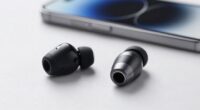
You might notice some differences between expensive headphones and budget models, but whether you can truly hear them depends on factors like your hearing sensitivity, environment, and audio quality. High-end headphones often have better components and build, but the sound difference can be subtle or negligible for many listeners. To understand when and why costs matter—and what you might be missing—exploring these elements further will help you make better choices.

Get the latest gadgets delivered free with Prime
- Fast, free delivery on millions of items
- Prime Video, Amazon Music and more included
- Member-only deals all year
Key Takeaways
- The audible difference varies based on individual hearing sensitivity, listening environment, and audio source quality.
- High-end headphones often have better drivers and materials, but the perceived sound quality depends on human perception.
- Environment and playback quality significantly influence whether subtle audio distinctions are perceivable.
- Budget models can deliver satisfying sound for casual listening, especially with compressed files or less critical genres.
- For audiophiles or critical listening, high-end headphones tend to reveal more nuanced details and soundstage differences.
high-end headphones for audiophiles
As an affiliate, we earn on qualifying purchases.
As an affiliate, we earn on qualifying purchases.
What Defines High-End and Budget Headphones?

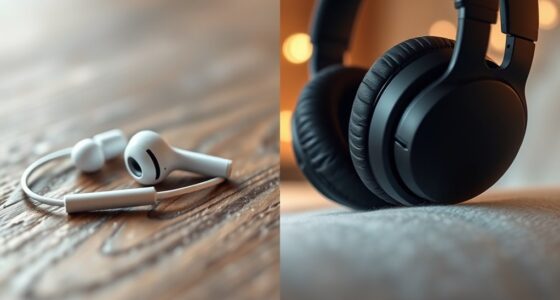
High-end headphones are distinguished by their superior sound quality, premium materials, and advanced features, which justify their higher prices. Your perception of a brand’s value often influences how you view these headphones, shaped by effective branding perception and marketing strategies. Luxury brands invest heavily in creating an image of exclusivity and quality, making their products seem worth the investment. Budget models, on the other hand, focus on affordability and practicality, often sacrificing some premium features. The distinction isn’t solely about price but also how brands position themselves in the marketplace. High-end headphones typically target audiophiles and enthusiasts, emphasizing craftsmanship and innovation, while budget options prioritize accessibility. Your choice depends on how much value you assign to branding perception, sound quality, and features. Additionally, some consumers consider brand reputation and the reputation for quality when choosing between high-end and budget models. Factors like product durability and after-sales support can also influence perceptions of value and long-term satisfaction. Furthermore, research shows that professional testing often reveals that the audible difference between high-end and budget headphones can be subtle or negligible for many listeners, highlighting the importance of individual perception. Interestingly, listening environment and personal hearing sensitivity can significantly impact whether the differences are noticeable. Moreover, understanding the role of personal preference can help consumers make more informed choices based on their specific listening habits.
budget headphones for casual listening
As an affiliate, we earn on qualifying purchases.
As an affiliate, we earn on qualifying purchases.
The Science Behind Sound Quality and Perception
Understanding what makes headphones sound better isn’t just about the price tag; it’s rooted in the science of acoustics and human perception. Your brain interprets sound through psychoacoustic illusions, which can trick you into perceiving differences that aren’t actually there. This explains why some audiophile myths persist—people believe high-end headphones deliver vastly superior sound, but perception plays a big role. Your ears detect frequencies and dynamics, yet how you perceive them is shaped by expectations, listening environment, and even psychological biases. Recognizing this helps you understand that the gap between expensive and budget models isn’t always as wide as it seems. Sound quality, consequently, isn’t solely about hardware but also how your brain processes what it hears.
noise cancelling headphones under $100
As an affiliate, we earn on qualifying purchases.
As an affiliate, we earn on qualifying purchases.
Key Components That Influence Audio Performance
Several key components determine how headphones perform and influence the quality of sound you experience. The drivers are essential, converting electrical signals into sound with precision. Wireless connectivity impacts ease of use and audio stability, especially in wireless models. Brand reputation can also give you confidence in consistent quality and support. To understand performance, consider these elements:
- Drivers: Affect clarity, bass, and overall sound accuracy
- Wireless technology: Ensures seamless, lag-free listening
- Brand reputation: Reflects reliability and quality standards
Additionally, the frequency response range plays a significant role in capturing a broader spectrum of sounds, leading to richer audio experiences.
best headphones for critical listening
As an affiliate, we earn on qualifying purchases.
As an affiliate, we earn on qualifying purchases.
The Role of Materials and Build Quality

The materials and build quality of headphones play a crucial role in both durability and sound performance. High-quality material ensures that your headphones withstand daily use without breaking or degrading, maintaining consistent sound quality over time. Material quality affects comfort as well, since softer, premium materials can reduce ear fatigue during long listening sessions. Build durability is equally important; sturdy construction prevents damage from drops or rough handling, saving you money in the long run. Cheaper models often use lower-grade plastics and weaker joints, which can compromise sound isolation and overall longevity. Investing in well-made materials and solid build quality not only extends the lifespan of your headphones but also enhances your listening experience by providing a more reliable, consistent performance. Additionally, proper maintenance of the headphones through proper care can help maintain their optimal function and sound clarity over time. Selecting headphones with quality materials and robust construction can significantly improve both their longevity and your overall listening satisfaction. Furthermore, advanced manufacturing techniques contribute to tighter tolerances and better integration of components, improving overall sound fidelity. When combined with material selection, these manufacturing processes help ensure your headphones deliver high-quality audio consistently.
Listening Environment and Its Impact on Sound Clarity

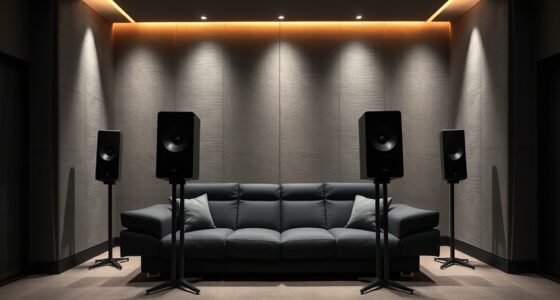
Your listening environment considerably influences how clearly you hear sound from your headphones. Ambient noise can drown out subtle details, making it harder to distinguish nuances in your music. Room acoustics also play a crucial role, affecting sound reflections and clarity. To optimize your experience, consider these factors:
- Minimize ambient noise by choosing a quiet space or using soundproofing.
- Improve room acoustics with soft furnishings, rugs, or acoustic panels to reduce echo.
- Position yourself strategically away from reflective surfaces and noise sources.
- Additionally, soundproofing techniques can significantly enhance your listening environment, ensuring both budget and high-end headphones perform better. A well-managed environment allows you to get the most out of your listening session. Neglecting these elements can diminish sound clarity, regardless of headphone quality. Incorporating home acoustic treatment can further improve sound fidelity and overall listening experience. Properly managing your listening environment helps reveal subtle audio details that might otherwise be lost, especially when combined with sound quality considerations. Being mindful of acoustic optimization can make a noticeable difference in your audio perception.
The Importance of Personal Hearing Sensitivity

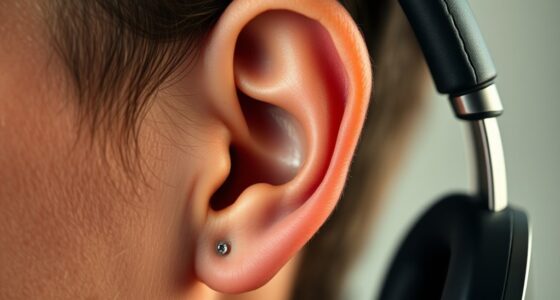
While optimizing your listening environment enhances sound clarity, understanding your personal hearing sensitivity is equally important. Your hearing sensitivity varies based on factors like age, ear canal shape, and exposure to loud sounds. This means you might perceive the same audio differently from someone else. Knowing your hearing profile helps you select headphones that match your needs, ensuring you hear details without discomfort. For example, if your ear canal is sensitive or if you have high-frequency hearing loss, certain models may be more suitable. Recognizing your hearing sensitivity allows you to adjust volume levels appropriately and avoid auditory fatigue. Additionally, being aware of hearing loss factors can help you choose devices that compensate for specific deficiencies. Understanding your personal hearing sensitivity not only improves your listening experience but also supports the preservation of your auditory health. For instance, understanding how electric dirt bikes produce sound and vibrations can influence your awareness of noise exposure and its impact on hearing health. Being mindful of auditory fatigue can help you prevent discomfort during extended listening sessions. Ultimately, understanding your unique hearing capabilities ensures you enjoy your music or audio content fully, regardless of headphone price or quality.
How Audio Sources and Files Affect Listening Experience
The quality of your audio source and files plays a big role in your listening experience. Using higher-quality file formats and better bitrates can make your music sound clearer and more detailed. Also, the device you play from affects how well you can enjoy that audio quality.
File Formats Matter
File formats play a crucial role in your listening experience because they determine the quality and clarity of the audio you hear. The choice of file format influences how much information is preserved during audio compression, affecting sound fidelity. Lossless formats like FLAC retain full audio details, providing a richer experience, while compressed formats like MP3 sacrifice some quality for smaller file sizes. Consider these factors:
- Audio compression reduces file size but can strip away subtle sounds.
- File format impacts how accurately your headphones reproduce sound.
- High-quality formats ensure more detail and better clarity, especially on good headphones.
Using the right file format makes a noticeable difference, especially when paired with high-end headphones. Be mindful of the source quality, as even the best headphones can’t compensate for poor audio files.
Bitrate Influences Clarity
Choosing the right file format is important, but the bitrate within that format considerably impacts audio clarity. Higher bitrates transmit more audio data, capturing nuances and details that lower bitrates miss. When streaming or playing files over wireless connectivity, a higher bitrate guarantees your headphones deliver clearer, richer sound without compression artifacts. Budget models often struggle with lower bitrates, leading to muddier audio, while premium headphones can highlight subtle differences. Additionally, a reputable brand reputation often correlates with better support for higher bitrates and less compression. This means your listening experience won’t be compromised by poor source quality. Ultimately, selecting files with a higher bitrate can make a noticeable difference, especially if you’re investing in quality headphones that can reveal the details in your music.
Source Device Quality
Since the quality of your audio source directly impacts your listening experience, using high-quality devices and files is essential. Poor sources can limit even the best headphones from delivering full detail. To maximize sound clarity, consider the following:
- Using wired connections over unreliable wireless connectivity for consistent audio
- Choosing high-resolution files like FLAC or WAV instead of compressed formats
- Opting for reputable brands with strong reputation for accurate sound reproduction
- Being aware that vetted affiliate relationships ensure that product recommendations are reliable and trustworthy
Your source device’s quality influences how well your headphones perform, regardless of their price. Wireless connectivity issues can introduce latency or dropouts, diminishing sound quality. A well-chosen device from a trusted brand ensures your audio files are decoded and transmitted correctly, giving you the best possible listening experience.
When Does Price Correlate With Sound Difference?
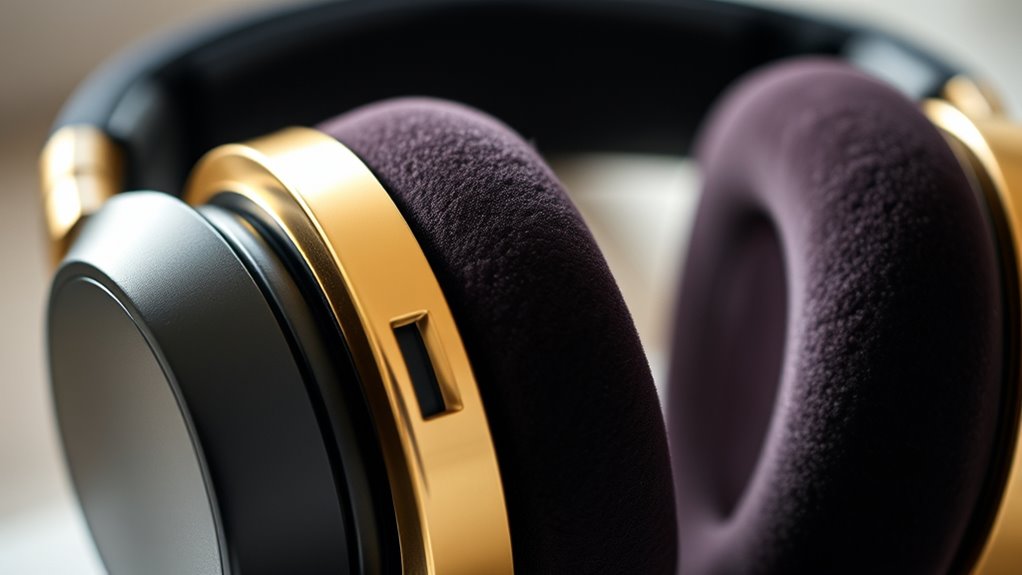
While higher-priced headphones often promise superior sound quality, the correlation between price and sound difference isn’t always straightforward. Price tends to matter more when you’re exploring specific music genres that demand detailed audio, like classical or jazz, where nuanced sound stages make a real impact. Additionally, brand reputation plays a role; established brands often invest in better components and engineering, which can justify higher prices. If you’re into complex arrangements or critical listening, spending more might help you hear subtle differences. However, for casual listening or genres like pop or hip-hop, budget models can deliver satisfying sound. Ultimately, the price-sound connection depends on your listening preferences, the music you enjoy, and whether the brand’s reputation assures quality. Understanding the mechanics of wireless connectivity can also influence your overall listening experience, especially with modern headphone options.
Tips for Choosing Headphones That Match Your Needs
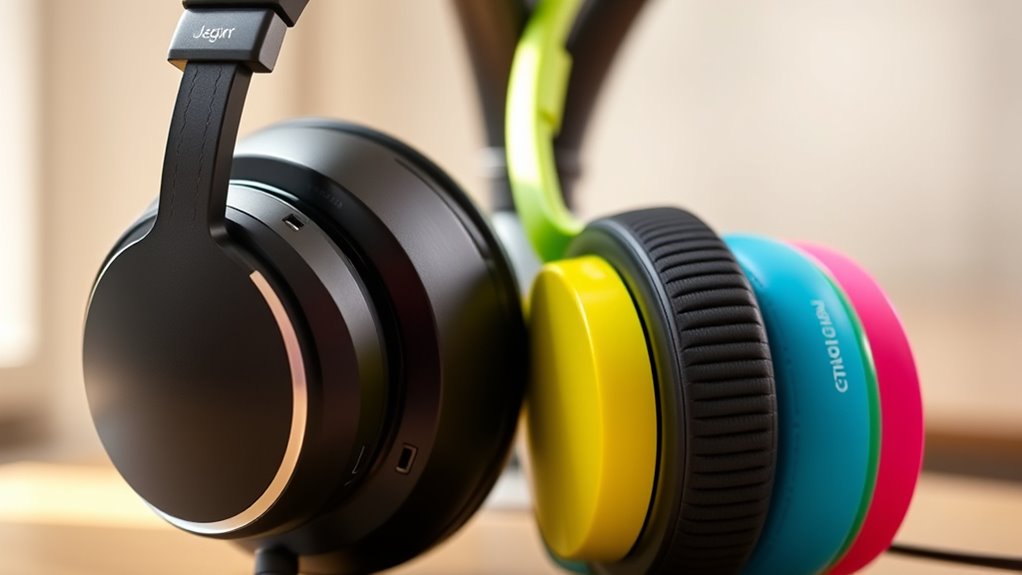
When choosing headphones, start by prioritizing sound quality to guarantee they meet your listening standards. Make sure they fit comfortably and suit your activity, whether commuting or relaxing. Additionally, consider the brand reputation and user reviews to ensure durability and performance. A good fit can also improve noise isolation, enhancing your listening experience. Proper support for breakfast can boost your energy levels for the day, which is especially beneficial if you listen to music or podcasts during your morning meal. Incorporating skincare benefits such as hydration and exfoliation into your routine can enhance your overall well-being, just as selecting the right headphones improves your audio experience. Being aware of technology advancements can help you choose newer models with improved features that match your needs. Finally, match your choice to your usage and budget to find the best balance between performance and affordability.
Prioritize Sound Quality
Focusing on sound quality is essential when choosing headphones that truly meet your needs. To do this, consider how well they reproduce audio across different genres, ensuring clarity and balanced bass. Look for models with strong wireless connectivity; seamless pairing and low latency enhance your listening experience. Additionally, check the brand reputation—trusted brands often deliver consistent quality and durability. When comparing options, keep in mind:
- Audio fidelity and clarity across various sound ranges
- Stability and range of wireless connectivity
- Reputation for durability and customer satisfaction
Prioritizing these factors helps you select headphones that deliver superior sound without unnecessary compromises. Whether you’re after immersive music, detailed podcasts, or crystal-clear calls, focusing on sound quality ensures you get the best value for your investment.
Consider Comfort & Fit
Choosing headphones that feel comfortable and fit well is essential because uncomfortable or ill-fitting models can ruin your listening experience quickly. Look for an ergonomic design that supports your head and ears comfortably, especially if you’ll wear them for extended periods. Pay attention to the materials used; durable materials like reinforced plastics or high-quality padding ensure longevity and sustained comfort. Adjustable headbands and flexible ear cups help you customize the fit, preventing soreness or pressure points. If you have specific needs, such as active use or long listening sessions, prioritize models that offer a secure yet comfortable fit. Remember, even the best sound quality won’t matter if your headphones cause discomfort, so select a pair that feels right for your head and listening habits.
Match Usage & Budget
Matching your headphones to your specific usage and budget guarantees you get the best value and performance. When choosing, consider how often you’ll use them and for what purposes. If you’re into casual listening, budget models with solid sound quality might suffice, especially if you prioritize comfort and portability. For professional or critical listening, investing in reputable brands with strong brand reputation ensures reliability and high fidelity. Be aware that marketing strategies often influence perceptions—expensive brands may seem superior, but that’s not always the case. Keep your needs in focus:
- Casual listening at home or on the go
- Professional studio work or critical audio review
- Active lifestyles demanding durability and comfort
Matching these factors helps you avoid overspending and ensures your headphones meet your expectations.
Frequently Asked Questions
Do Expensive Headphones Last Longer Than Budget Models?
Expensive headphones generally last longer than budget models because of better durability comparison and higher material quality. You’ll notice they often feature stronger build materials like metal hinges and reinforced cables, which resist wear and tear. While budget options may fail sooner, investing in pricier headphones can save you money long-term, as they’re designed to withstand daily use and rough handling, ensuring they stay functional for years.
Can Headphone Amplifiers Improve Sound Quality Significantly?
Sure, headphone amplifiers can dramatically boost your audio clarity and sound staging—if you believe bigger gear magically transforms sound. In reality, they often make subtle improvements, especially with high-impedance headphones. While they might enhance your listening experience, don’t expect miracles. If you’re after pristine audio, investing in quality headphones matters more. Amplifiers are like seasoning; they can refine, but won’t turn a bland dish into a gourmet meal.
Are Wireless Headphones Generally Better Than Wired Options?
Wireless headphones are generally more convenient because of Bluetooth connectivity, allowing you to move freely without cords. However, you might face wireless interference, which can disrupt your listening experience. While they offer ease of use, wired headphones typically deliver more consistent sound quality without interference. So, if you prioritize convenience and mobility, wireless is better; if you want reliable sound, wired options may suit you more.
How Does Ear Shape Influence Perceived Sound Quality?
Your ear shape greatly influences perceived sound quality. The ear canal‘s size and shape affect how sound waves reach your eardrum, altering clarity and bass. The ear shell’s structure determines how well headphones fit, impacting noise isolation and comfort. If your ear canal is narrow, you might notice less bass, while a well-fitting ear shell enhances sound accuracy. Custom or well-designed headphones can compensate for these differences, improving your listening experience.
Does Brand Reputation Guarantee Superior Audio Performance?
Brand perception and marketing influence often make you think expensive brands deliver better sound, but that’s not always true. You might assume a well-known brand guarantees superior audio, yet many budget models can match or even outperform pricier options. Always test headphones yourself rather than rely solely on reputation. Sound quality depends on the actual drivers and design, not just the brand name or marketing hype.
Conclusion
While high-end headphones often boast superior craftsmanship and nuanced sound, a quality budget pair can still deliver an enjoyable experience. It’s like comparing a luxury car to a reliable sedan—both get you where you need to go, but the ride differs. Ultimately, your ears and environment shape what you perceive. So, whether you splash out or save, focus on what sounds best to you—after all, the best headphones are the ones that make your music come alive.
Fall Picks
fall essentials
As an affiliate, we earn on qualifying purchases.