
TL;DR
Prime for Young Adults — start your free trial
Fast free delivery, streaming and member deals for eligible 18–24 year olds.
Try it freeAs an affiliate, we earn on qualifying purchases.
Valve has made the design files for its Steam Machine e-ink screen publicly available. This move allows enthusiasts and developers to build custom e-ink screens for Steam Machines or other projects. The open-source release aims to foster innovation and DIY modifications.
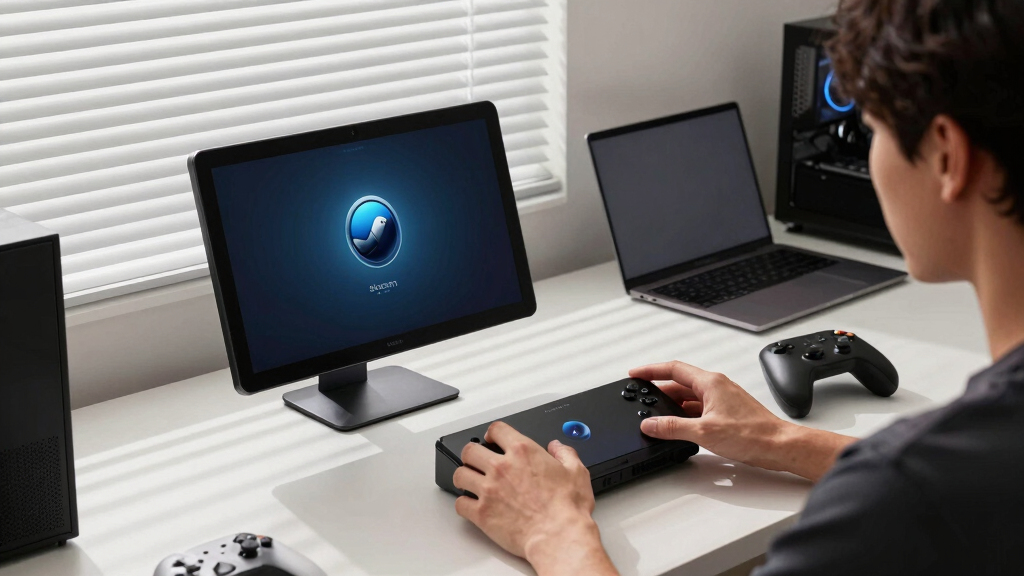
Valve has officially open-sourced the design files for its Steam Machine e-ink screen, allowing users and developers to create custom versions of the display. This marks a significant move towards community-driven hardware modifications and DIY projects related to gaming hardware customization.
The company published the complete schematics, firmware, and assembly instructions for the e-ink screen used in some Steam Machines, on its official GitHub repository. Valve stated that the files are released under an open-source license, enabling modification and redistribution.
This release is aimed at hardware enthusiasts, modders, and developers who want to experiment with or improve upon Valve’s original design. The e-ink screen, known for its low power consumption and readability in bright sunlight, was a notable feature in Valve’s Steam Machines but was not previously available for public modification or production.
Valve confirmed that the design files include detailed schematics, firmware code, and assembly instructions. The company emphasized that the release is intended to foster innovation and community projects, and not to compete with commercial e-ink screen manufacturers.
Implications for DIY Gaming Hardware Projects
This open-source release opens opportunities for hobbyists and developers to build their own e-ink screens for various applications, including custom Steam Machine modifications, portable gaming devices, or other embedded projects. It could lead to a surge in community-created hardware, reducing barriers for experimentation in gaming hardware customization.
Additionally, this move by Valve signals a broader trend toward openness in gaming hardware development, potentially encouraging other companies to share their designs and foster innovation within the community.
As an affiliate, we earn on qualifying purchases.
Valve’s History with Steam Machines and Open Hardware
Valve launched Steam Machines in 2015 as part of its effort to bring PC gaming into living rooms with standardized hardware. The project included hardware partners and custom components, like the e-ink screen, to enhance user experience.
While Steam Machines were discontinued commercially in 2018, the community of enthusiasts persisted in modifying and building custom hardware. Valve’s decision to open-source the e-ink screen design aligns with its broader support for open hardware initiatives, such as the Steam Deck.
This release follows Valve’s previous open-source efforts, including the Steam Deck’s software and hardware schematics, fostering a more open ecosystem for gaming hardware customization.
“We believe in empowering our community through openness, and sharing the design files for the Steam Machine e-ink screen is a step toward enabling more innovation and customization.”
— Valve spokesperson
As an affiliate, we earn on qualifying purchases.
Remaining Questions About Practical Use and Compatibility
It is not yet clear how easily the open-source design can be adapted for different hardware configurations or if Valve’s firmware will be fully compatible with custom builds. The quality and durability of DIY versions are also untested, and community-led projects may face technical challenges.
Furthermore, it remains uncertain whether Valve plans to support or endorse community projects involving the e-ink screen, or if there will be any official updates or improvements.
Custom e-ink display for gaming hardware
As an affiliate, we earn on qualifying purchases.
As an affiliate, we earn on qualifying purchases.
Next Steps for DIY Enthusiasts and Developers
Community members are expected to begin experimenting with the design files, potentially leading to the first custom-built e-ink screens based on Valve’s schematics. Developers may also explore firmware modifications or create new applications for the display.
Valve might monitor community projects and could release further updates or support based on feedback and innovation. The open-source files are now available on GitHub for anyone interested in starting their own projects.
Portable e-ink screen for Raspberry Pi
As an affiliate, we earn on qualifying purchases.
As an affiliate, we earn on qualifying purchases.
Key Questions
Can I use Valve’s open-source e-ink screen design in my own projects?
Yes, the design files are publicly available under an open-source license, allowing you to modify and use them for personal or community projects.
Will Valve provide official support for DIY versions of the e-ink screen?
Valve has not announced official support for community-built screens. The release is intended to foster innovation and experimentation.
What tools or skills are needed to build a custom e-ink screen based on Valve’s design?
You will need basic electronics knowledge, access to manufacturing tools or services for PCB fabrication, and familiarity with firmware programming. The design files include detailed schematics and firmware code to assist in this process.
Are there any risks or legal considerations in building a DIY e-ink screen using Valve’s files?
Since the files are open source, legal risks are minimal if used for personal projects. However, commercial use or resale may require additional permissions depending on licensing terms.
Source: hn
Fall yard work Picks
leaf blowers
As an affiliate, we earn on qualifying purchases.