The best electric scooters balance dependable performance, useful range, ride comfort, and manageable weight. I’d put the Segway Ninebot MAX G2 in the best-overall conversation for riders who prioritize comfort and longer trips, while the Segway Ninebot F3 is a compelling everyday alternative and the Segway ZT3 Pro suits riders seeking more speed and range. The main tradeoffs are straightforward: more range and suspension often mean a heavier scooter, while lighter or simpler models can ask you to accept a firmer ride or shorter trips. Rider weight, hills, storage, and local rules can change which choice makes sense. Read on for the full breakdown of all 15 models and how I’d match them to different needs.

Get the latest gadgets delivered free with Prime
- Fast, free delivery on millions of items
- Prime Video, Amazon Music and more included
- Member-only deals all year
Complete the kit



Key Takeaways
- Comfort and ride range distinguish the Segway MAX G2 and NAVEE GT3: their suspension-focused designs suit rougher routes better than the solid-tire Hiboy S2.
- The ZT3 Pro is the performance-oriented outlier: its stated 24.9 mph speed and 43.5-mile range target longer, faster rides, but those capabilities may be unnecessary for short urban trips.
- Several 350W models compete on practical everyday use: the VOLPAM Q1, VOLPAM LP30, and MAXSHOT V1 call for close attention to stated range, portability, and fit rather than motor wattage alone.
- Solid tires trade ride comfort for fewer puncture concerns: the Hiboy S2 and S2 Pro may suit riders who value low tire-maintenance demands, while rough pavement can make their firmer ride a drawback.
- Model names and range claims do not tell the whole story: actual usefulness depends on route, rider load, hills, weather, and whether the scooter is easy to carry and store.
| VOLPAM Q1 Electric Scooter, 350W Motor, 12–15 Mile Range |  | Best for Low-Maintenance City Rides | Motor: 350W brushless | Maximum speed: 19 mph | Stated range: 12–15 miles | VIEW LATEST PRICE | See Our Full Breakdown |
| Segway Ninebot E2 Plus II Electric Scooter |  | Best for Newer, Lighter Riders | Maximum speed: 15.5 mph | Maximum range: 16 miles in Eco Mode; 12 miles in Sport Mode | Battery capacity: 220Wh | VIEW LATEST PRICE | See Our Full Breakdown |
| MAXSHOT V1 Electric Scooter with 350W Motor |  | Best Value for Range and Portability | Motor power: 350W | Maximum speed: 19 mph | Maximum range: 21 miles under specific conditions | VIEW LATEST PRICE | See Our Full Breakdown |
| Segway Ninebot F3 Electric Scooter |  | Best for Long-Range Commuting | Maximum speed: 20 mph | Maximum range: 44 miles in Eco Mode | Weight: 42 lbs | VIEW LATEST PRICE | See Our Full Breakdown |
| Segway Ninebot MAX G2 Electric Scooter |  | Best for Comfort on Rougher Routes | Motor: 450W; 1000W peak | Maximum speed: 22 mph | Maximum range: 43 miles in Eco mode; 25 miles at maximum speed | VIEW LATEST PRICE | See Our Full Breakdown |
| Phantomgogo A2 Folding Electric Scooter for Adults |  | Best Lightweight Commuter | Motor: Up to 395W peak | Battery: 36V, 7.8Ah | Maximum range: Up to 15 miles | VIEW LATEST PRICE | See Our Full Breakdown |
| MAXSHOT Electric Scooter for Adults |  | Best for Cushioned Commuting | Motor: 500W brushless hub motor | Battery: 42V, 10.5Ah, rechargeable and replaceable | Maximum range: Up to 22 miles under certain conditions | VIEW LATEST PRICE | See Our Full Breakdown |
| Off Road Electric Scooter Adults, 300/400 LBS Capacity, Built Side Lights |  | Best for Higher-Capacity Rough-Terrain Riding | Battery: 36V; capacity listed as 13Ah and 7.5Ah | Maximum range: Up to 25 miles | Weight capacity: 300–400 lbs as listed | VIEW LATEST PRICE | See Our Full Breakdown |
| NAVEE GT3 Electric Scooter with Dual Suspension |  | Best Connected All-Rounder | Motor power: 700W | Maximum speed: 19 mph | Maximum range: Up to 31 miles | VIEW LATEST PRICE | See Our Full Breakdown |
| Segway ZT3 Pro Electric Scooter, 24.9 MPH, 43.5-Mile Range |  | Best for Long-Range, Mixed-Terrain Riding | Motor: 650W nominal, 1600W peak | Top speed: 24.9 mph | Range: Up to 43.5 miles in Eco mode; 18.6 miles in Sport mode | VIEW LATEST PRICE | See Our Full Breakdown |
| VOLPAM LP30 Electric Scooter, 350W Motor, 19-Mile Range |  | Best for Low-Maintenance Commuting | Motor: 350W brushless | Maximum speed: 19 mph | Maximum range: 19 miles | VIEW LATEST PRICE | See Our Full Breakdown |
| Hiboy S2 Pro Folding Electric Scooter |  | Best for Rougher Urban Pavement | Motor: 500W brushless hub motor | Maximum speed: 19 mph | Battery: 36V, 11.6Ah | VIEW LATEST PRICE | See Our Full Breakdown |
| MEGAWHEELS M1 and M1 Lite Electric Scooters |  | Best for Choosing Between Two Commuter Setups | Models: M1 and M1 Lite | Motor: 550W peak (M1); 500W peak (M1 Lite) | Maximum speed: 20 mph (M1); 15 mph (M1 Lite) | VIEW LATEST PRICE | See Our Full Breakdown |
| Hiboy S2 Electric Scooter with 8.5-Inch Solid Tires |  | Best for Straightforward Short Commutes | Motor: 350W brushless hub motor | Maximum speed: 18 mph | Maximum range: Up to 17 miles under specific conditions | VIEW LATEST PRICE | See Our Full Breakdown |
| Hiboy S2 Nova Electric Scooter, 430W Peak Motor, 19 MPH, 20-Mile Range |  | Best for a More Cushioned Mixed-Tire Ride | Motor: 430W peak | Maximum speed: 19 mph | Maximum range: Up to 20 miles | VIEW LATEST PRICE | See Our Full Breakdown |
| electric scooter | Maximum range | Maximum speed | Brakes | Tires |
|---|---|---|---|---|
| VOLPAM Q1 Electric Scooter | — | 19 mph | E-ABS and drum | 8.5-inch solid honeycomb |
| Segway Ninebot E2 Plus II Elec | 16 miles in Eco Mode; 12 miles in Sport Mode | 15.5 mph | Front electric brake; rear drum brake | — |
| MAXSHOT V1 Electric Scooter wi | 21 miles under specific conditions | 19 mph | — | 8.5-inch honeycomb solid rubber |
| Segway Ninebot F3 Electric Sco | 44 miles in Eco Mode | 20 mph | Front disc; rear electronic | — |
| Segway Ninebot MAX G2 Electric | 43 miles in Eco mode; 25 miles at maximum speed | 22 mph | Front drum; rear electronic | 10-inch tubeless self-sealing |
| Phantomgogo A2 Folding Electri | Up to 15 miles | — | EABS front brake and rear disc brake | 8.5-inch solid rubber |
| MAXSHOT Electric Scooter for A | Up to 22 miles under certain conditions | 22 mph in description; title also lists 16/19 mph | Dual braking system | — |
| Off Road Electric Scooter Adul | Up to 25 miles | — | Front and rear braking | 10-inch pneumatic rubber |
| NAVEE GT3 Electric Scooter wit | Up to 31 miles | 19 mph | — | — |
| Segway ZT3 Pro Electric Scoote | — | — | Front and rear disc brakes with electronic brake | 11-inch off-road tubeless |
| VOLPAM LP30 Electric Scooter | 19 miles | 19 mph | Drum brake and EABS regenerative anti-lock braking | 8.5-inch solid rubber |
| Hiboy S2 Pro Folding Electric | 25.6 miles under specific conditions | 19 mph | Disc brake and EABS regenerative anti-lock braking | 10-inch solid |
| MEGAWHEELS M1 and M1 Lite Elec | Up to 28 miles (M1); up to 19 miles (M1 Lite), dependent on terrain and load | 20 mph (M1); 15 mph (M1 Lite) | — | 8.5-inch solid (M1); 8-inch solid (M1 Lite) |
| Hiboy S2 Electric Scooter with | Up to 17 miles under specific conditions | 18 mph | Disc brake and eABS regenerative anti-lock braking | 8.5-inch solid rubber |
| Hiboy S2 Nova Electric Scooter | Up to 20 miles | 19 mph | Front eABS and rear drum | 8.5-inch front solid and rear inflatable |
More Details on Our Top Picks
VOLPAM Q1 Electric Scooter, 350W Motor, 12–15 Mile Range
The VOLPAM Q1 suits short urban trips where avoiding tire punctures matters more than a cushioned ride. Its solid honeycomb tires need no inflation, and the e-ABS and drum brakes provide two braking mechanisms. Folding, cruise control, and a digital display add useful commuter touches without making the scooter’s feature set as elaborate as the Segway Ninebot MAX G2. The tradeoff is comfort and distance: the Q1 has rigid suspension and a stated 12–15-mile range, while the MAX G2 adds suspension and a much longer Eco-mode range. At 19 mph, the Q1’s stated top speed is also higher than the Segway Ninebot E2 Plus II’s 15.5 mph. I’d choose it for predictable, shorter routes, not rough pavement or long-distance commuting.
Pros:- Solid honeycomb tires are designed to resist punctures and require no inflation.
- E-ABS and drum brakes provide two braking mechanisms.
- Folding design, cruise control, and digital display support practical commuting.
- Stated 19 mph maximum speed exceeds the Segway Ninebot E2 Plus II’s 15.5 mph.
Cons:- Rigid suspension offers little cushioning on uneven roads.
- Stated range of 12–15 miles is shorter than the MAXSHOT V1’s stated maximum range.
- The product data does not specify scooter weight, making carry-upstairs portability harder to judge.
Best for: Urban riders making shorter daily trips who want puncture-resistant tires, folding portability, and straightforward controls.
Not ideal for: Riders covering long distances or regularly crossing rough pavement, since its stated range is limited and its suspension is rigid.
- Motor:350W brushless
- Maximum speed:19 mph
- Stated range:12–15 miles
- Battery capacity:187.2Wh
- Charging time:4–5 hours
- Tires:8.5-inch solid honeycomb
- Brakes:E-ABS and drum
- Weight capacity:264 lbs
Our verdict“Choose the VOLPAM Q1 for short city trips where puncture-resistant tires matter more than suspension comfort or extended range.”
Segway Ninebot E2 Plus II Electric Scooter
The Segway Ninebot E2 Plus II is the approachable pick for riders who value a moderate top speed and some help smoothing out everyday bumps. Its front double-spring suspension and shock-absorbing tires offer a more comfort-minded setup than the rigid VOLPAM Q1, while the dashboard makes speed, battery level, and riding mode easy to check. The stated range reaches 16 miles in Eco Mode, dropping to 12 miles in Sport Mode; that makes it better suited to short trips than the MAXSHOT V1 or the longer-range Segway Ninebot F3. Its 15.5 mph maximum speed is also the slowest among these five, a sensible fit for less speed-focused trips but a limit for riders who want quicker travel. The 198-pound capacity and roughly 7.5-hour charge are the main constraints.
Pros:- Front double-spring suspension and shock-absorbing tires help soften bumps.
- Dashboard displays speed, battery level, and riding mode.
- Front electric and rear drum brakes provide two braking mechanisms.
- Foldable design and up to 16 miles of stated Eco-mode range suit local trips.
Cons:- 198-pound maximum capacity is lower than the other scooters in this group.
- Charging takes approximately 7.5 hours.
- IPX4 water resistance provides limited protection from water.
Best for: Newer riders weighing within its 198-pound limit who want a manageable speed, suspension, and a clear dashboard for local trips.
Not ideal for: Heavier riders, commuters needing a longer-range daily route, or anyone who needs a quick recharge between rides.
- Maximum speed:15.5 mph
- Maximum range:16 miles in Eco Mode; 12 miles in Sport Mode
- Battery capacity:220Wh
- Motor power:300W nominal; 500W maximum
- Weight:36.2 lbs
- Weight capacity:198 lbs
- Suspension and tires:Front double spring; 8.1-inch inner hollow shock-absorbing tires
- Brakes:Front electric brake; rear drum brake
- Certifications:UL2271 and UL2272
Our verdict“Pick the E2 Plus II for shorter, moderate-speed rides if its rider-weight limit fits and you value suspension over long range.”
MAXSHOT V1 Electric Scooter with 350W Motor
The MAXSHOT V1 balances a useful stated range with a relatively light 31-pound frame, making it a strong middle ground for riders who need to carry or store a scooter. Its stated maximum range of 21 miles exceeds the VOLPAM Q1’s 12–15 miles, though the listing notes that the maximum depends on specific conditions. The solid honeycomb tires avoid inflation, and drum braking plus EABS add two braking mechanisms. A display and app controls bring more connected features than the Q1, but the app may be Tuya or 365Scooter, so the experience is less clearly defined. It lacks suspension, meaning the Segway Ninebot E2 Plus II is the more comfort-oriented choice over bumps. I’d favor the V1 for portability and range on smoother routes, not for a reliably cushioned ride.
Pros:- At 31 pounds, it is lighter than the Segway Ninebot E2 Plus II and F3.
- Stated maximum range of 21 miles exceeds the VOLPAM Q1’s stated 12–15 miles.
- Solid honeycomb tires do not require inflation.
- Drum brake, EABS, digital display, and smartphone app controls are included.
Cons:- The 21-mile maximum range depends on specific conditions.
- No suspension is listed, so rough pavement may feel harsh.
- The supplied app may be Tuya or 365Scooter, and a lock is not included.
Best for: Commuters who need a scooter they can carry or store more easily and want a stated range beyond short local trips.
Not ideal for: Riders prioritizing comfort on uneven pavement or those who expect a consistent 21-mile range in everyday conditions.
- Motor power:350W
- Maximum speed:19 mph
- Maximum range:21 miles under specific conditions
- Weight:31 lbs
- Maximum load:265 lbs
- Tires:8.5-inch honeycomb solid rubber
- Braking system:Drum brake and EABS
- Charging time:4 hours
- Safety certification:UL 2272
Our verdict“Choose the MAXSHOT V1 if lower carry weight and a longer stated range matter more than suspension or a firmly specified app experience.”
Segway Ninebot F3 Electric Scooter
The Segway Ninebot F3 is the range-focused choice for commuters who want a more substantial ride setup than the lightweight MAXSHOT V1. Its stated 44-mile Eco-mode range, 10-inch self-sealing tubeless tires, and front hydraulic/rear elastomer suspension are aimed at longer routes and more varied pavement. The MAXSHOT V1 weighs 31 pounds and is easier to carry, but it gives up range and listed suspension; the F3 weighs 42 pounds, so its added capability comes with a real portability cost. Smart additions such as a TFT display, Bluetooth unlocking, and Apple Find My integration support daily ownership, while IPX6 water resistance and UL certifications add useful protection. The range is specified for Eco Mode, and the eight-hour charge is not quick. I’d pick it for distance, not frequent stair carrying.
Pros:- Stated 44-mile Eco-mode range is far beyond the MAXSHOT V1’s stated 21-mile maximum.
- Front hydraulic and rear elastomer suspension pair with 10-inch self-sealing tubeless tires.
- Apple Find My integration and Bluetooth unlocking add security and convenience features.
- IPX6 water resistance and UL-2272 and UL-2271 certifications are listed.
Cons:- At 42 pounds, it is substantially heavier than the 31-pound MAXSHOT V1.
- The 44-mile range applies to Eco Mode; higher speeds reduce distance.
- Charging takes eight hours.
Best for: Long-distance urban commuters who want suspension, larger self-sealing tires, and built-in tracking features, with limited need to carry the scooter.
Not ideal for: Riders who frequently carry a scooter upstairs or need the stated maximum range while riding at higher speeds.
- Maximum speed:20 mph
- Maximum range:44 miles in Eco Mode
- Weight:42 lbs
- Weight capacity:265 lbs
- Wheels:10-inch self-sealing tubeless tires
- Suspension:Front hydraulic; rear elastomer
- Brakes:Front disc; rear electronic
- Charging time:8 hours
- Water resistance:IPX6
Our verdict“Choose the F3 for longer urban commutes and a more comfort-focused ride if you can live with its 42-pound weight and Eco-mode range caveat.”
Segway Ninebot MAX G2 Electric Scooter
The Segway Ninebot MAX G2 prioritizes ride comfort and traction, pairing front hydraulic and rear spring suspension with 10-inch tubeless self-sealing tires. That setup makes it a more comfort-oriented option than the rigid VOLPAM Q1 or MAXSHOT V1, while traction control is designed to help on loose or slippery surfaces. Its 450W motor, 1000W peak output, and 22 mph maximum speed give it the highest stated top speed in this group; the Segway Ninebot F3 is lighter and has a longer stated Eco-mode range, but the MAX G2 lists a 43-mile Eco range and 25 miles at maximum speed. The main compromise is portability: at 53.5 pounds, it is the heaviest scooter here. I’d choose it for a more demanding daily route, not for frequent carrying.
Pros:- Front hydraulic and rear spring suspension help absorb road bumps.
- Traction control is designed to improve grip on loose or slippery surfaces.
- Ten-inch tubeless self-sealing tires and Apple Find My support are included.
- Highest stated maximum speed in this group at 22 mph.
Cons:- At 53.5 pounds, it is heavier than every other scooter in this group.
- The 43-mile maximum range applies in Eco mode; stated range at maximum speed is 25 miles.
- The stated six-hour charge may be a drawback for riders who need frequent, quick turnarounds.
Best for: Commuters riding rougher or occasionally slippery routes who want suspension, traction control, and self-sealing tires.
Not ideal for: Riders who need to carry a scooter regularly or want to ride at maximum speed while retaining its longest stated range.
- Motor:450W; 1000W peak
- Maximum speed:22 mph
- Maximum range:43 miles in Eco mode; 25 miles at maximum speed
- Battery capacity:551Wh
- Product weight:53.5 lbs
- Weight capacity:265 lbs
- Tires:10-inch tubeless self-sealing
- Suspension:Front hydraulic; rear spring
- Brakes:Front drum; rear electronic
Our verdict“Pick the MAX G2 for suspension, traction control, and higher speed on demanding routes if its 53.5-pound weight is manageable.”
Phantomgogo A2 Folding Electric Scooter for Adults
The Phantomgogo A2 suits short commutes where carrying and storage matter more than extended range. At 29.5 pounds, it is the lightest option in this group, making it easier to bring indoors or lift than the 36-pound MAXSHOT V1SPRO and much easier to manage than the 46-pound NAVEE GT3. Its solid 8.5-inch tires avoid inflation and puncture upkeep, while the stated 15-mile range fits shorter trips rather than all-day riding. Front and rear lights and a front EABS/rear disc braking setup add practical commuting equipment. The tradeoffs are a 198-pound rider limit and limited suitability for wet or slippery surfaces. I’d choose it for a light, simple trip to work, not for rough routes or riders needing more capacity.
Pros:- At 29.5 pounds, it is lighter to carry than the MAXSHOT V1SPRO and NAVEE GT3.
- Folding design helps with indoor storage and mixed scooter-and-transit trips.
- Solid tires do not need inflation and reduce flat-tire maintenance.
- Front and rear lights pair with EABS and a rear disc brake for everyday visibility and stopping.
Cons:- The stated 15-mile maximum range is limiting for longer commutes.
- The 198-pound weight capacity is lower than the MAXSHOT V1SPRO and NAVEE GT3.
- The product advises against riding in rain or on slippery surfaces.
Best for: Commuters with short, mostly dry routes who need a scooter that is easier to carry upstairs or store at work.
Not ideal for: Heavier riders, longer-distance commuters, and anyone who expects to ride regularly in rain or on slick pavement.
- Motor:Up to 395W peak
- Battery:36V, 7.8Ah
- Maximum range:Up to 15 miles
- Top speed:18.6 mph
- Weight:29.5 lbs
- Weight capacity:198 lbs
- Tires:8.5-inch solid rubber
- Brakes:EABS front brake and rear disc brake
Our verdict“Choose the Phantomgogo A2 for short, dry commutes when low carry weight matters more than range, ride comfort, or rider capacity.”
MAXSHOT Electric Scooter for Adults
The MAXSHOT V1SPRO is a comfort-focused commuter pick for riders who want solid tires without giving up suspension. Its 10-inch honeycomb tires and dual suspension are intended to soften bumps better than the Phantomgogo A2’s smaller solid tires, while the removable 42V battery adds flexibility for charging or replacement. App controls, cruise control, and an LED display give it more ride-setting convenience than the A2. That extra equipment comes with a carrying penalty: at about 36–37 pounds, it is noticeably heavier than the Phantomgogo and less convenient for frequent stair carries. The listing also conflicts on speed, weight, and charging details, so I would treat its stated 22-mile range as a conditional maximum rather than a routine expectation. It makes most sense for daily routes where comfort and solid-tire upkeep matter more than a clear, lightweight package.
Pros:- Dual suspension and 10-inch honeycomb tires are designed to reduce harshness while avoiding pneumatic-tire upkeep.
- Removable, rechargeable battery offers more charging flexibility than a fixed battery.
- App controls, cruise control, and an LED display provide multiple ways to manage rides.
- Dual braking and front and rear lights support routine commuting.
Cons:- At roughly 36–37 pounds, it is cumbersome for frequent carrying.
- The 22-mile range is a maximum under certain conditions and may vary with use.
- The listing gives conflicting speed, weight, and charging-time details.
Best for: Commuters on uneven paved routes who want suspension, puncture-resistant tires, and app-based controls.
Not ideal for: Riders who carry a scooter on transit or stairs every day, or buyers who need consistent, clearly stated speed and charging specifications.
- Motor:500W brushless hub motor
- Battery:42V, 10.5Ah, rechargeable and replaceable
- Maximum range:Up to 22 miles under certain conditions
- Maximum speed:22 mph in description; title also lists 16/19 mph
- Weight:36 lbs in description; 37 lbs in specifications
- Weight capacity:265 lbs
- Tires and suspension:10-inch solid honeycomb tires; dual suspension
- Brakes:Dual braking system
Our verdict“Pick the MAXSHOT V1SPRO if ride cushioning and app controls outweigh its heavier carry weight and inconsistent listing details.”
Off Road Electric Scooter Adults, 300/400 LBS Capacity, Built Side Lights
This off-road-oriented scooter prioritizes rider capacity and rough-surface comfort over easy portability. Its 10-inch pneumatic tires and dual suspension are a more terrain-minded combination than the solid tires on the Phantomgogo A2, while adjustable handlebars offer more fit flexibility. The listed capacity of 300–400 pounds is unusually high among these picks, though the range may reflect different configurations and should be confirmed for the specific version. A stated 25-mile range, side LEDs, and front and rear braking make it better equipped for longer, varied rides than a basic short-trip scooter. The cost of that capability is clear: at 54 pounds, it is the heaviest option here and a poor match for regular stair carrying. Battery capacity is also listed inconsistently as 13Ah and 7.5Ah, which makes range planning less certain than on the NAVEE GT3.
Pros:- Listed 300–400-pound capacity exceeds the Phantomgogo A2 and several other commuter-focused options.
- Pneumatic 10-inch tires and dual suspension are suited to rougher surfaces.
- Adjustable handlebars offer more flexibility for rider fit.
- Side LEDs join the headlight and brake-activated taillight for added visibility.
Cons:- At 54 pounds, it is difficult to carry compared with the Phantomgogo A2 or MAXSHOT V1SPRO.
- Battery capacity is inconsistent in the listing, appearing as both 13Ah and 7.5Ah.
- Pneumatic tires can require inflation and are more vulnerable to punctures than solid tires.
Best for: Riders seeking a higher-capacity scooter with pneumatic tires and suspension for mixed or rougher routes, with storage at ground level.
Not ideal for: Transit commuters, apartment dwellers who must carry a scooter upstairs, and buyers who need unambiguous battery specifications.
- Battery:36V; capacity listed as 13Ah and 7.5Ah
- Maximum range:Up to 25 miles
- Weight capacity:300–400 lbs as listed
- Weight:54 lbs
- Tires:10-inch pneumatic rubber
- Suspension:Dual suspension
- Brakes:Front and rear braking
- Charging time:6 hours
Our verdict“Choose this model for higher-capacity, rougher-route riding if you can accommodate its 54-pound weight and verify the battery configuration.”
NAVEE GT3 Electric Scooter with Dual Suspension
The NAVEE GT3 balances commuting range, comfort, and connected security features without moving into the heavier, more terrain-focused Segway ZT3 Pro category. Its 31-mile stated range, dual suspension, and 10-inch tubeless tires suit riders who cover more ground or encounter rough pavement; the three-part braking setup adds a front drum brake, rear disc brake, and EBAS. App controls, an electronic lock, and Apple Find My integration give it a stronger theft-awareness feature set than the MAXSHOT V1SPRO. At 46 pounds, however, it is not an easy scooter to carry up stairs, and its six-hour charge time means overnight charging is more practical than quick top-ups. The ZT3 Pro offers a higher top speed and longer Eco-mode range, while the GT3 keeps the stated speed to 19 mph. I’d favor this one for connected everyday riding rather than maximum speed.
Pros:- The stated 31-mile range is greater than the Phantomgogo A2’s 15-mile maximum.
- Dual suspension and 10-inch tubeless tires are suited to uneven pavement with less puncture concern than pneumatic tires.
- Front drum, rear disc, and electronic braking provide three braking systems.
- App controls, electronic lock, and Apple Find My add connected security features.
Cons:- At 46 pounds, it is inconvenient to carry regularly.
- The listed six-hour charging time calls for planned charging.
- Its 19 mph top speed is lower than the Segway ZT3 Pro’s 24.9 mph.
Best for: Commuters who want a longer stated range, suspension, and phone-based locking and location features, and can store the scooter near ground level.
Not ideal for: Riders who need a lightweight scooter for stairs or prioritize the higher speed and longer Eco-mode range of the Segway ZT3 Pro.
- Motor power:700W
- Maximum speed:19 mph
- Maximum range:Up to 31 miles
- Battery:357Wh
- Weight:46 lbs
- Maximum load:265 lbs
- Tires and suspension:10-inch tubeless tires; dual suspension
- Braking:Front drum, rear disc, and EBAS
- Charging time:6 hours
Our verdict“Choose the NAVEE GT3 for connected commuting and suspension comfort if you value security features over easy carrying or higher speed.”
Segway ZT3 Pro Electric Scooter, 24.9 MPH, 43.5-Mile Range
The Segway ZT3 Pro is the strongest fit here for riders who need more speed and range for varied terrain, rather than a scooter that is easy to carry. Its 650W nominal motor, 11-inch off-road tubeless tires, front telescopic and rear spring suspension, and traction control are aimed at more demanding routes than the NAVEE GT3’s everyday commuting setup. The stated 43.5-mile range applies in Eco mode; the listed Sport-mode figure drops to 18.6 miles, so faster riding changes the range picture substantially. At 24.9 mph, it is also the fastest option in this batch. App controls and Apple Find My add security and ride-setting features, while IPX5 covers splashes and light rain, not unrestricted wet-weather use. Its weight is not provided in the supplied data, so I would not assume it is easy to carry.
Pros:- Up to 43.5 miles in Eco mode is the longest stated range among these five options.
- 11-inch tubeless tires, front and rear suspension, and traction control suit varied terrain.
- A 24.9 mph top speed exceeds the NAVEE GT3’s listed 19 mph.
- App connectivity and Apple Find My provide ride settings and location features.
Cons:- The listed Sport-mode range is 18.6 miles, far below the Eco-mode maximum.
- IPX5 is specified for splashes and light rain, not unrestricted wet-weather riding.
- The supplied product data does not state scooter weight, limiting carry-planning comparisons.
Best for: Riders with longer routes or mixed terrain who want higher speed, substantial Eco-mode range, and traction and suspension features.
Not ideal for: Shoppers who need a compact carry-on-transit scooter, ride mostly at higher speeds and depend on the maximum range, or need a model for sustained heavy rain.
- Motor:650W nominal, 1600W peak
- Top speed:24.9 mph
- Range:Up to 43.5 miles in Eco mode; 18.6 miles in Sport mode
- Battery:597Wh
- Tires:11-inch off-road tubeless
- Suspension:Front telescopic and rear spring
- Brakes:Front and rear disc brakes with electronic brake
- Hill-climbing ability:25%
- Water resistance:IPX5
Our verdict“Choose the Segway ZT3 Pro for faster, longer mixed-terrain rides if you can plan around the much lower Sport-mode range and limited wet-weather rating.”
VOLPAM LP30 Electric Scooter, 350W Motor, 19-Mile Range
I’d put the VOLPAM LP30 on the shortlist for short, routine trips where avoiding tire upkeep matters more than a cushioned ride. Its 8.5-inch solid tires need no inflation, and the one-step fold makes storage or carrying between a ride and public transit simpler. The 350W motor reaches 19 mph, while drum braking paired with EABS adds two braking methods. Compared with the Hiboy S2 Nova, the LP30 has a similar stated top speed but a simpler solid-tire setup; the Nova’s inflatable rear tire and suspension may suit rougher routes better. The LP30’s LCD and app offer riding controls and scooter status, though its 19-mile maximum range is a limiting factor for longer commutes. Solid tires also trade cushioning for reduced maintenance.
Pros:- One-step folding system supports quick storage and carrying.
- Solid rubber tires do not require inflation.
- Drum brake and EABS provide two braking systems.
- LCD and smartphone app provide riding controls and scooter status.
Cons:- Maximum stated range of 19 miles may not cover longer round trips.
- Solid tires offer less cushioning than pneumatic tires.
Best for: Riders with short, predictable commutes who want a quick-folding scooter and do not want to inflate tires.
Not ideal for: People with long daily routes or rough pavement who need greater range or more tire cushioning.
- Motor:350W brushless
- Maximum speed:19 mph
- Maximum range:19 miles
- Tires:8.5-inch solid rubber
- Brakes:Drum brake and EABS regenerative anti-lock braking
- Charge time:4 hours
- Weight capacity:264 pounds
- Controls:Digital LCD and smartphone app
- Folding:One-step folding system
Our verdict“Choose the LP30 for short commutes where low tire upkeep and easy folding matter more than a plush ride or extended range.”
Hiboy S2 Pro Folding Electric Scooter
The Hiboy S2 Pro stands apart from several solid-tire scooters here by adding rear dual-shock suspension and larger 10-inch tires. That combination can soften bumps and speed humps without giving up the puncture resistance of solid tires. Its 500W motor and 19 mph top speed suit ordinary city riding, while the stated 25.6-mile range gives it more advertised distance than the VOLPAM LP30. That range is listed under specific conditions, so I would not plan a commute around the maximum without a buffer. At 35.9 pounds, it is also a substantial carry, and its eight-hour charge time asks for more overnight planning than the LP30’s four hours. The app adds a lock and response adjustments, but the seat is sold separately.
Pros:- Rear dual shock absorbers help soften impacts on uneven streets.
- 10-inch solid tires avoid routine inflation.
- App supports scooter locking and acceleration and braking adjustments.
- Stated maximum range is higher than the VOLPAM LP30’s.
Cons:- At 35.9 pounds, it may be cumbersome to carry frequently.
- Eight-hour charge time requires advance planning.
- The stated maximum range depends on riding conditions, and the seat is sold separately.
Best for: Urban commuters facing cracked pavement and speed bumps who can store the scooter near a charging outlet.
Not ideal for: Riders who regularly carry a scooter up stairs or need a fast recharge between trips.
- Motor:500W brushless hub motor
- Maximum speed:19 mph
- Battery:36V, 11.6Ah
- Maximum range:25.6 miles under specific conditions
- Tires:10-inch solid
- Suspension:Rear suspension with dual shock absorbers
- Brakes:Disc brake and EABS regenerative anti-lock braking
- Weight:35.9 pounds
- Charge time:8 hours
Our verdict“Pick the S2 Pro if suspension and a longer stated range matter more than light carry weight or quick charging.”
MEGAWHEELS M1 and M1 Lite Electric Scooters
The MEGAWHEELS M1 and M1 Lite earn a distinct place because they offer two performance levels within one scooter line. The M1 is the longer-distance choice, with a stated range up to 28 miles, a 20 mph top speed, and front and rear suspension. The M1 Lite cuts back to a 15 mph maximum and up to 19 miles, making it better suited to shorter, calmer trips. Both use solid tires and support a 265-pound payload, but the shared 39.24-pound weight is a drawback for anyone who must carry a scooter often. Compared with the lighter VOLPAM LP30, these models offer a higher payload and, in the M1, suspension and more stated range; the tradeoff is more weight and two model specifications to distinguish. Range varies with terrain and load.
Pros:- M1 combines a stated range up to 28 miles with front and rear suspension.
- M1 Lite offers a lower-speed option for shorter trips.
- Both versions support a payload up to 265 pounds.
- Folding design, app controls, LCD, and 360-degree lighting support commuting.
Cons:- At 39.24 pounds, the listed weight is substantial for carrying.
- Solid tires provide less cushioning than pneumatic tires.
- M1 Lite has lower stated speed and range than the M1.
Best for: Commuters deciding between a longer-range, suspension-equipped M1 and a slower M1 Lite for shorter local trips.
Not ideal for: People who need a lightweight stair carry, pneumatic-tire comfort, or the same performance from both versions.
- Models:M1 and M1 Lite
- Motor:550W peak (M1); 500W peak (M1 Lite)
- Maximum speed:20 mph (M1); 15 mph (M1 Lite)
- Maximum range:Up to 28 miles (M1); up to 19 miles (M1 Lite), dependent on terrain and load
- Tires:8.5-inch solid (M1); 8-inch solid (M1 Lite)
- Suspension:Front and rear impact absorbers (M1)
- Maximum payload:265 pounds
- Weight:39.24 pounds
- Water resistance:IPX5
Our verdict“Choose the M1 for more range and suspension, or the M1 Lite for shorter rides, if you can manage the shared heavy build.”
Hiboy S2 Electric Scooter with 8.5-Inch Solid Tires
The Hiboy S2 is the more modest commuter pick in this group: an 18 mph top speed, up to 17 miles of stated range under specific conditions, and a foldable frame. Its rear suspension gives it an advantage over the VOLPAM LP30 on bumps, while both use solid tires that avoid inflation but deliver less cushioning than pneumatic options. Disc and regenerative braking, plus front, middle, and rear lights, give this model a practical safety setup for everyday urban rides. The Bluetooth app can lock the scooter and show riding statistics. Compared with the Hiboy S2 Pro, the S2 has a lower stated speed and range and smaller tires, so it makes more sense for shorter routes than extended commutes. Its 35.5-pound weight still makes frequent stair carrying a chore, and the optional seat is not included.
Pros:- Rear suspension helps moderate bumps on urban streets.
- Front, middle, and rear lighting improve visibility.
- Disc and regenerative braking provide two braking methods.
- Bluetooth app supports locking and access to riding statistics.
Cons:- Up to 17 miles of range is stated under specific conditions.
- At 35.5 pounds, it is not an especially easy scooter to carry.
- The detachable seat is optional and sold separately.
Best for: Riders on short city routes who want rear suspension, multiple lights, and app-based locking in a folding scooter.
Not ideal for: Commuters seeking the longer stated range and larger tires of the Hiboy S2 Pro, or anyone expecting a seat in the box.
- Motor:350W brushless hub motor
- Maximum speed:18 mph
- Maximum range:Up to 17 miles under specific conditions
- Tires:8.5-inch solid rubber
- Brakes:Disc brake and eABS regenerative anti-lock braking
- Suspension:Rear suspension
- Charge time:5 hours
- Weight:35.5 pounds
- Weight capacity:220 pounds
Our verdict“The Hiboy S2 suits shorter urban commutes where lights, rear suspension, and app locking matter more than extended range.”
Hiboy S2 Nova Electric Scooter, 430W Peak Motor, 19 MPH, 20-Mile Range
The Hiboy S2 Nova is the most distinctive fit here for riders who want some pneumatic-tire cushioning without giving up a solid tire altogether. Its rear tire is inflatable, while the front remains solid; paired with 35 mm of rear suspension, that layout aims to soften the ride more than the solid-tire VOLPAM LP30. A 430W peak motor, 19 mph top speed, and stated 20-mile range place it in the everyday commuter class rather than the longer-range bracket occupied by the MEGAWHEELS M1. The Nova adds IPX5 water resistance, visibility lights, and UL 2272 testing. The mixed setup has a clear compromise: only one tire is inflatable, so the ride is not equivalent to a scooter with two pneumatic tires. Its charge-time listings also differ, giving six hours in the specs and 6.5 hours in the description.
Pros:- Rear inflatable tire and 35 mm suspension add cushioning compared with fully solid-tire options.
- Front eABS and rear drum brake provide dual braking.
- Front light, side markers, and taillights support visibility.
- IPX5 water resistance and UL 2272 testing are specified.
Cons:- Only the rear tire is inflatable; the front tire remains solid.
- Charge time is listed as six hours in the specs and 6.5 hours in the description.
- The stated 20-mile range is shorter than the MEGAWHEELS M1’s stated maximum.
Best for: Commuters who want rear-tire cushioning and suspension while keeping a solid front tire and moderate scooter weight.
Not ideal for: Riders who want two pneumatic tires, a longer stated range, or an unambiguous charge-time estimate.
- Motor:430W peak
- Maximum speed:19 mph
- Maximum range:Up to 20 miles
- Battery:36V, 9Ah
- Tires:8.5-inch front solid and rear inflatable
- Suspension:Rear suspension, 35 mm
- Brakes:Front eABS and rear drum
- Weight:34.5 pounds
- Water resistance and testing:IPX5; UL 2272 tested
Our verdict“Choose the S2 Nova if you want a mixed-tire ride with rear suspension and can accept a solid front tire and conflicting charge-time figures.”
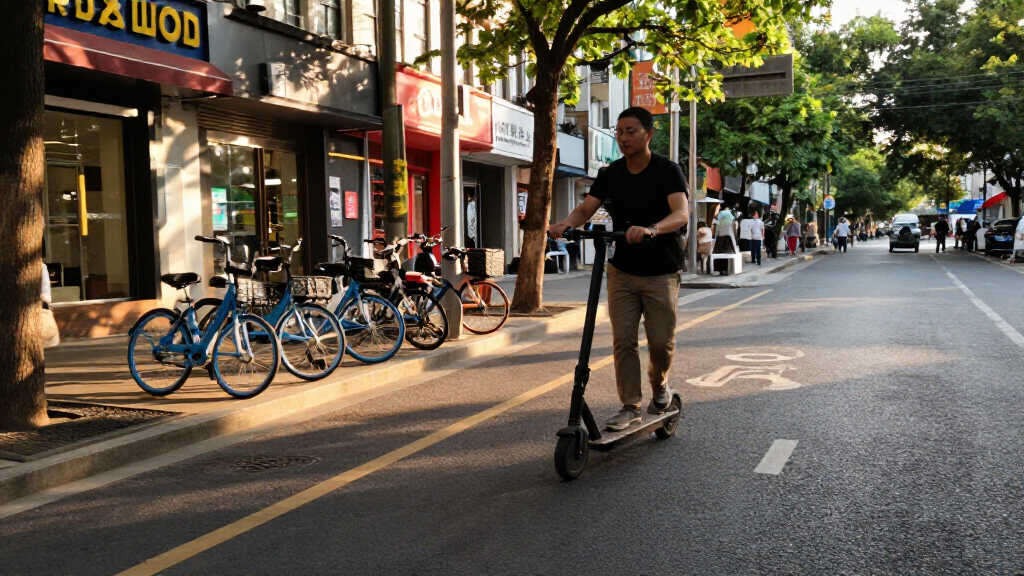
How We Picked
I ranked these scooters around the decisions that matter after the spec sheet: how well a model fits everyday routes, whether its range and performance appear suited to its intended rider, how ride comfort and tire type affect real use, and how practical it is to carry, store, and maintain. I also weighed build and safety details where the supplied model information allowed a meaningful comparison. A higher stated speed or range alone did not earn a higher position; those figures matter only when they serve a likely use case.
The ranking favors versatile choices first, then models with a clear advantage for a specific rider or route. That puts the MAX G2 and F3 ahead as broadly useful Segway options, while the ZT3 Pro earns a distinct performance role rather than an automatic win for every commuter. Smaller-budget and compact-style choices remain relevant, but buyers should compare their range, tire design, and comfort against the demands of their own route. Where product details are limited or variants are grouped, I avoid treating unprovided specifications as confirmed.
Factors to Consider When Choosing Best Electric Scooters
Specs help narrow the field, but the right scooter depends on how you ride, where you keep it, and what compromises you can live with. I’d settle those practical questions before choosing between a long-range model, a lighter everyday option, or a simpler scooter with solid tires.
Match Range to Your Real Route
Use your round-trip distance as a starting point, then leave room for detours and battery wear rather than treating a manufacturer’s range figure as a daily guarantee. Hills, rider weight, cold weather, frequent stops, and high speed can all reduce distance per charge. A scooter advertised for a long range may also be heavier, so extra capacity can make carrying it upstairs less appealing. If you can charge at work or at your destination, a modest-range model may be enough and easier to live with. For a route near a scooter’s stated limit, I’d choose more reserve rather than plan around perfect conditions.
Treat Speed as a Route and Safety Choice
Higher speed can shorten open-road trips, but it also makes stopping distance, visibility, and legal limits more consequential. Check local rules before buying, since permitted scooter speeds and where you may ride vary by location. A powerful model may feel excessive on crowded paths or short neighborhood errands, where smooth control matters more than peak speed. New riders can benefit from a predictable pace and clear controls while learning braking and cornering. Choose performance for a route that can use it, not just because the number is larger.
Choose Tires and Suspension for Your Pavement
Small cracks and uneven pavement can make tire construction and suspension more noticeable than a motor’s headline rating. Solid tires reduce the risk of punctures, but their firmer ride can pass more vibration to the rider on rough streets. Air-filled tires can soften impacts, though they require pressure checks and can puncture. Suspension may improve comfort over repeated bumps, but it adds parts and can add weight or maintenance needs. Think about the surfaces you ride most often, not the smoothest stretch near home.
Check Carrying Weight and Storage Before Buying
A folding mechanism helps with storage, but it does not make a heavy scooter easy to carry. Measure the stairs, elevator, car trunk, and storage space you actually use, then compare those constraints with the scooter’s weight and folded dimensions. If you carry it daily, a lighter model can be more useful than one with more range that stays at home. Riders who mostly park near their destination may reasonably prioritize comfort and battery capacity instead. Folding ease and a secure latch also matter when the scooter is moved often.
Look Beyond Motor Wattage and Range Claims
Motor wattage alone does not tell you how a scooter will climb hills, accelerate with a heavier rider, or maintain speed as the battery drains. Compare the full set of published specifications, including peak versus rated power, load limits, braking equipment, lighting, and tire type. Range claims are most useful as a relative guide when the testing conditions are clear; they are less reliable as a promise for every rider. If a listing groups multiple variants, confirm that the specifications belong to the exact model you plan to buy. Prioritizing usable details helps prevent paying for a headline figure that does not match your commute.
Factor Maintenance, Parts, and Local Support Into the Decision
Routine ownership involves more than charging: tires, brakes, fasteners, lights, and folding hardware all need periodic attention. Before choosing a less familiar brand or a model with specialized components, check whether replacement parts and service information are available where you live. Solid tires can reduce puncture worries, but they do not remove the need to maintain brakes and inspect the scooter. A simple design may be easier to keep running than a feature-heavy option if repair support is limited. I’d weigh this especially heavily for a scooter that will be used for daily transport rather than occasional rides.
Frequently Asked Questions
Can I rely on a scooter’s advertised range for my daily commute?
Use the listed range as a comparison point, not a guarantee that your commute will fit exactly. Rider weight, hills, speed, temperature, stop-and-go riding, and battery age can all reduce distance. I’d leave a meaningful buffer for the return trip and unexpected detours, especially if you cannot charge at work. If your route is close to a model’s claimed maximum, a longer-range option may reduce daily charging anxiety. A shorter commute with reliable charging can make a more compact scooter a sensible choice.
Are solid tires a good choice if I ride on rough streets?
Solid tires can appeal if avoiding punctures and tire-pressure checks matters more than ride softness. On rough pavement, though, they tend to transmit more vibration than air-filled tires, which can make longer rides tiring. Suspension may help with impacts, but it cannot make every tire setup feel the same. I’d prioritize a test ride if possible, or look closely at tire and suspension details when your route has broken pavement. For smoother paths and short trips, the maintenance tradeoff may be easier to accept.
Should I choose a faster scooter if I have a hilly commute?
Peak speed is not a reliable measure of hill-climbing ability. Look for information about motor output, rider weight limits, and performance under load, and check whether the maker provides hill or grade guidance. A heavier scooter may have more capacity but can be harder to carry when you reach stairs or transit. Also consider whether the route allows the scooter’s speed legally and safely. If hills are steep or frequent, prioritize evidence of climbing performance and braking capability over a high top-speed figure.
Is a heavier long-range scooter worth it if I need to carry it upstairs?
That depends on how often you carry it and how much extra range your route truly needs. A large battery can reduce charging frequency, but the weight becomes a recurring cost every time you climb stairs or lift the scooter into a car. Measure your storage and carrying path before choosing, rather than relying on the folding label alone. If you can charge at both ends of a shorter trip, a lighter scooter may suit daily life better. For longer routes without charging access, the added weight may be a reasonable compromise.
What should I check when a scooter listing includes multiple versions?
Confirm the exact model name and variant before comparing specifications, since versions can differ in motor, battery, range, tires, and included equipment. Check that the stated range and speed apply to the specific scooter in the listing rather than a related model. Verify rider weight limits, folded size, and charging details as well. When a listing combines models such as the M1 and M1 Lite, treat them as separate choices until the differences are clear. This prevents choosing based on a spec that belongs to another version.
Conclusion
For a balanced everyday choice, I’d start with the Segway Ninebot MAX G2 as the best overall pick, especially if ride comfort and longer outings matter more than low weight. The VOLPAM Q1 is a value-oriented candidate for riders comparing straightforward 350W options, while the Segway ZT3 Pro is the best premium-style performance choice for shoppers who can use its higher stated speed and range. Beginners may prefer a manageable everyday model such as the Segway Ninebot E2 Plus II, after checking its range and fit for their route. For rougher pavement, compare the NAVEE GT3 and MAX G2; for fewer puncture concerns, consider the solid-tire Hiboy S2 while accepting a firmer ride. My final choice would come down to route length, carrying needs, and local riding rules—not the biggest specification on the page.